Pakistan Launches Digital Islamic Financing Program for Women Entrepreneurs
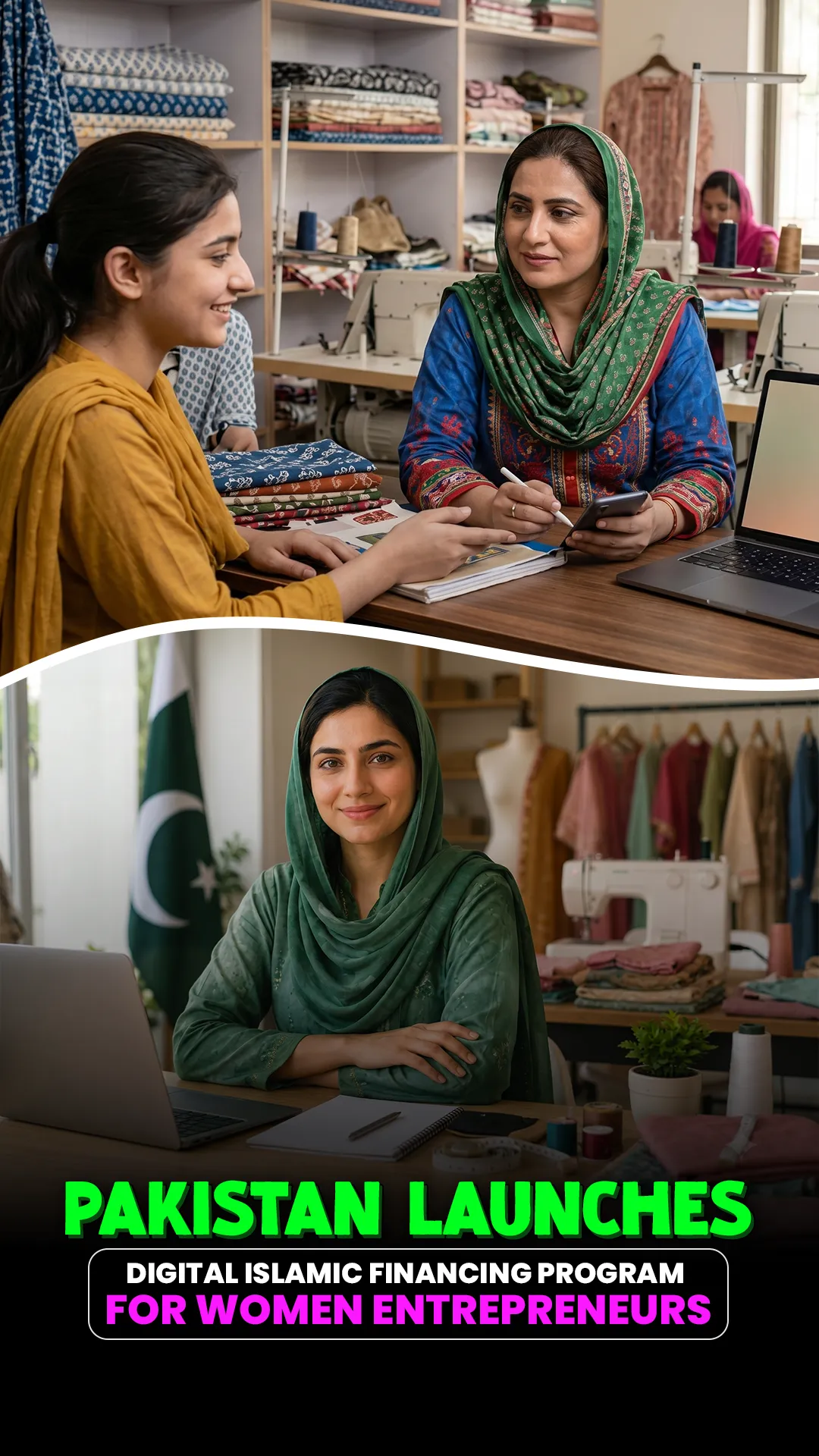

The Securities and Exchange Commission of Pakistan has approved a new digital Islamic financing program aimed at supporting women entrepreneurs and expanding financial inclusion across the country.
The initiative seeks to provide easier access to funding for women looking to establish or grow their businesses. The scheme has been designed around a fully Shariah-compliant financing model, offering a modern approach to meeting the needs of women-led enterprises.
Officials believe the program will help remove barriers that have traditionally limited access to formal credit.

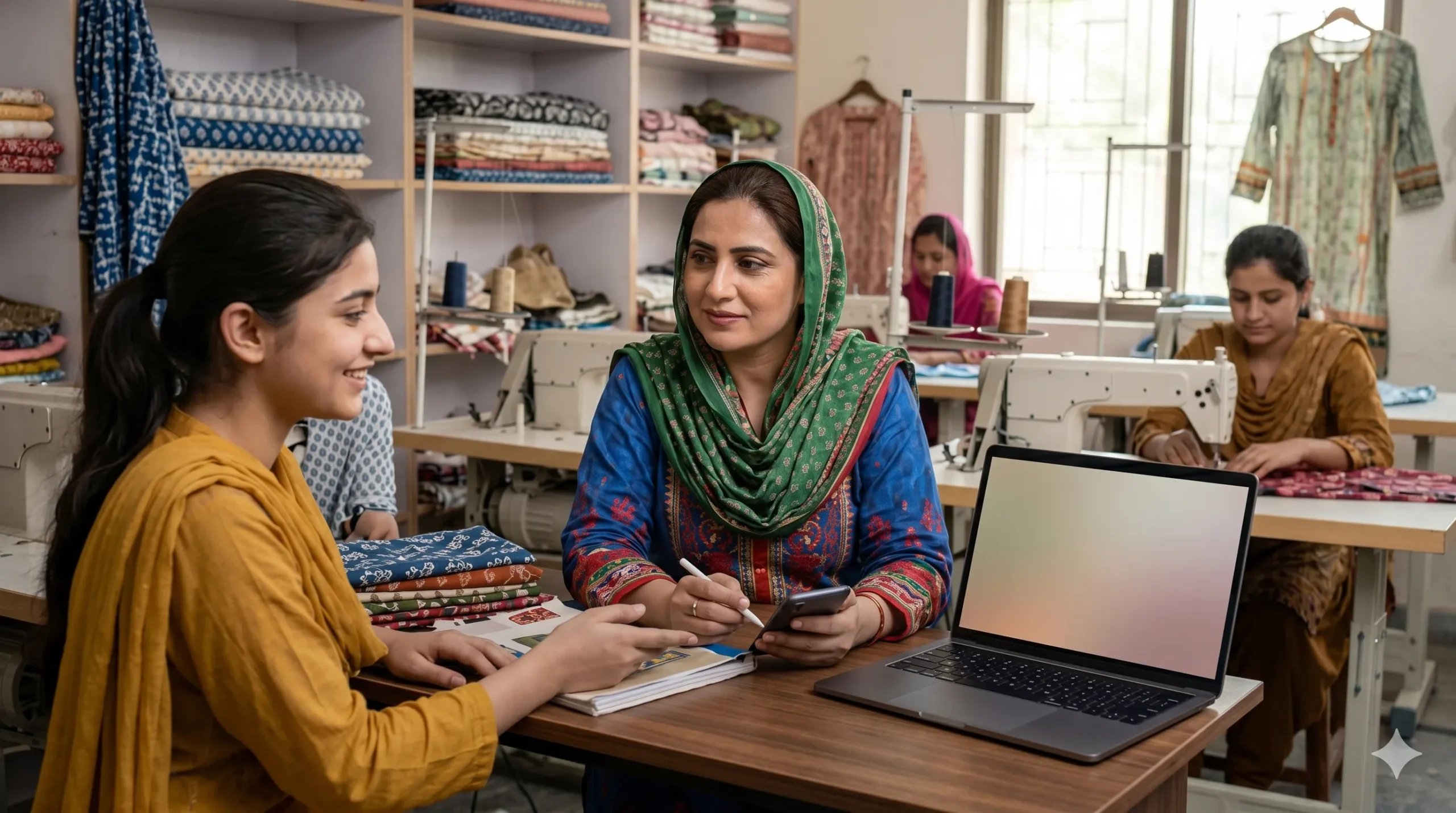
The program, named Khud Mukhtar Khatoon, will be introduced through Walee Financial Services and will provide financing ranging from Rs. 100,000 to Rs. 1.5 million. The facility is intended to support women entrepreneurs through asset-based funding solutions.
The financing will be used for the purchase of essential business assets, including machinery, equipment, and other tools required for small and medium-sized enterprises. The approach is designed to strengthen business operations and support long-term growth.

According to officials, the entire application process will be managed through the Hakeem mobile application, enabling users to complete financing procedures digitally.
The technology-driven approach is intended to make access to financial services more convenient and efficient.
Beneficiaries will be able to repay the financing through equal monthly installments spread over one year. The repayment structure has been designed to provide flexibility and make the scheme easier to manage for business owners.
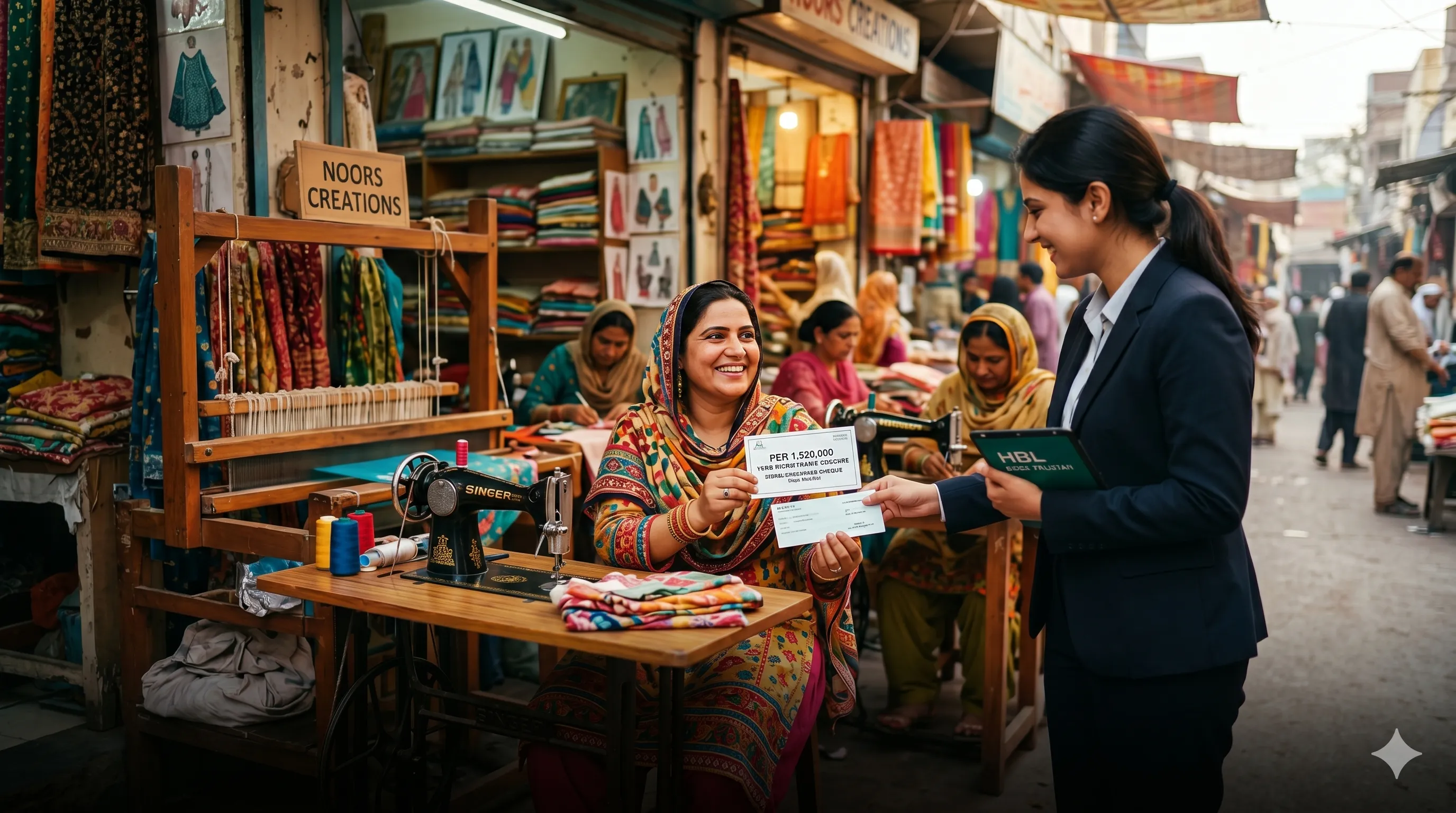
The initiative represents a significant step toward addressing the financing gap faced by many women entrepreneurs in Pakistan.
Access to formal credit has remained a challenge for aspiring business owners, limiting opportunities for growth and development.
By combining Islamic financing principles with digital accessibility, the program seeks to promote economic independence and create new opportunities for women-led enterprises. Officials view the initiative as an important tool for strengthening financial inclusion.
The Securities and Exchange Commission of Pakistan has approved a new digital Islamic financing program aimed at supporting women entrepreneurs and expanding financial inclusion across the country.
The Securities and Exchange Commission of Pakistan has approved a new digital Islamic financing program aimed at supporting women entrepreneurs and expanding financial inclusion across the country.
The initiative seeks to provide easier access to funding for women looking to establish or grow their businesses. The scheme has been designed around a fully Shariah-compliant financing model, offering a modern approach to meeting the needs of women-led enterprises.
Officials believe the program will help remove barriers that have traditionally limited access to formal credit.
The program, named Khud Mukhtar Khatoon, will be introduced through Walee Financial Services and will provide financing ranging from Rs. 100,000 to Rs. 1.5 million. The facility is intended to support women entrepreneurs through asset-based funding solutions.
The financing will be used for the purchase of essential business assets, including machinery, equipment, and other tools required for small and medium-sized enterprises. The approach is designed to strengthen business operations and support long-term growth.
According to officials, the entire application process will be managed through the Hakeem mobile application, enabling users to complete financing procedures digitally.
The technology-driven approach is intended to make access to financial services more convenient and efficient.
Beneficiaries will be able to repay the financing through equal monthly installments spread over one year. The repayment structure has been designed to provide flexibility and make the scheme easier to manage for business owners.
The initiative represents a significant step toward addressing the financing gap faced by many women entrepreneurs in Pakistan.
Access to formal credit has remained a challenge for aspiring business owners, limiting opportunities for growth and development.
By combining Islamic financing principles with digital accessibility, the program seeks to promote economic independence and create new opportunities for women-led enterprises. Officials view the initiative as an important tool for strengthening financial inclusion.



