Pakistan Becomes the World’s Third-Largest Solar Panel Importer
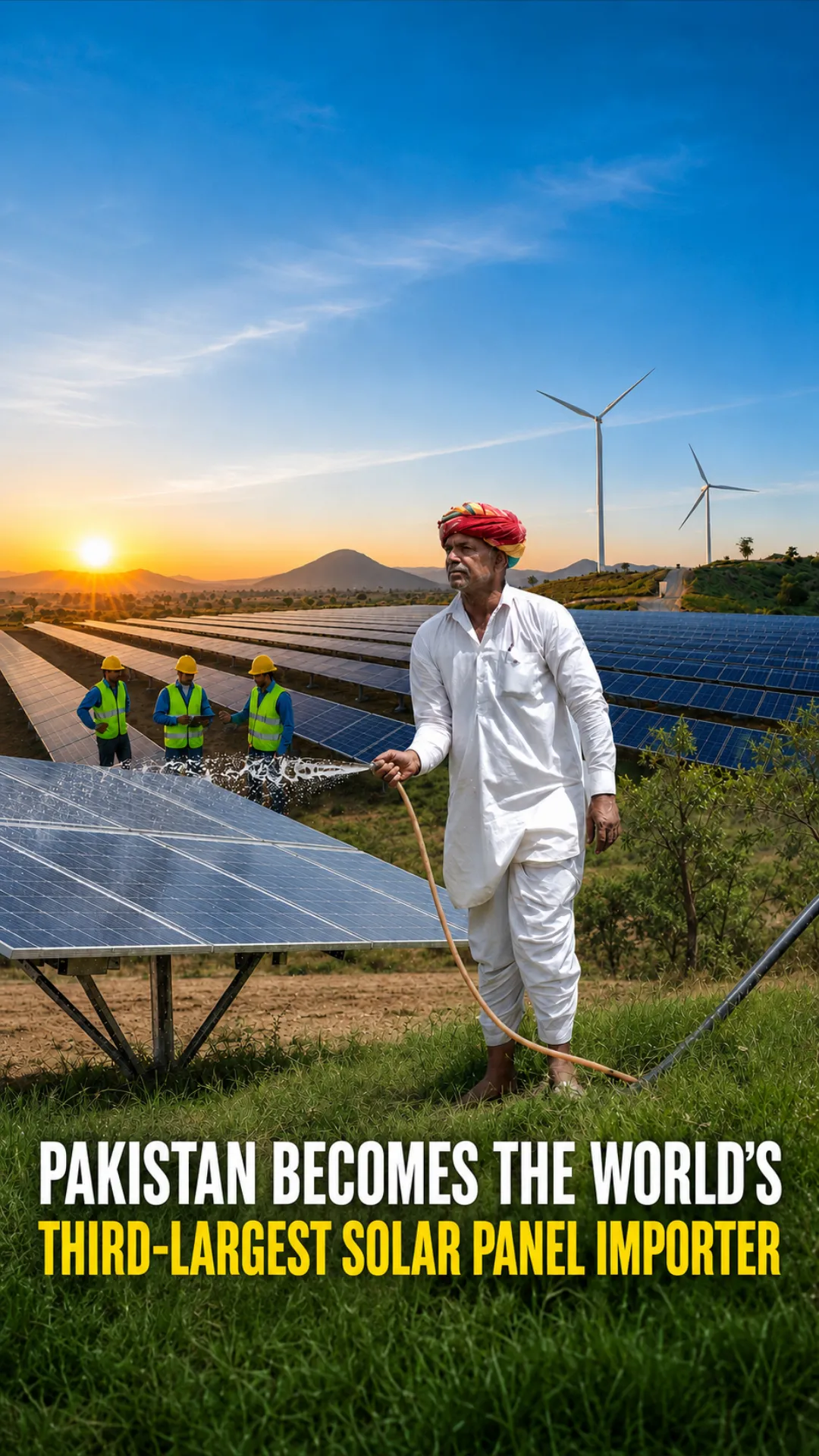
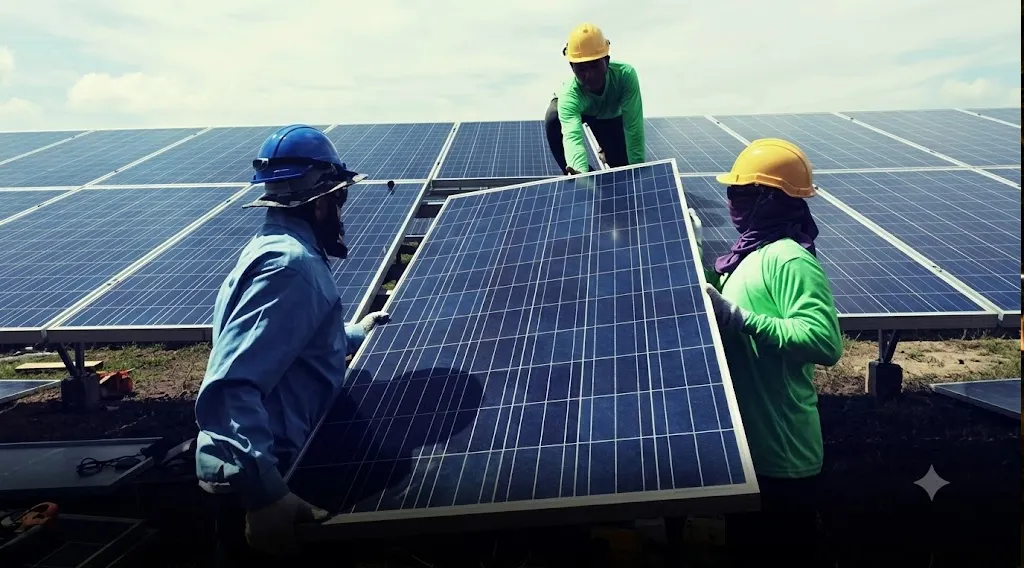
Pakistan has emerged as the world’s third-largest importer of solar panels, reflecting the country’s accelerating shift toward renewable energy.
The development highlights the growing demand for clean and cost-effective electricity solutions among households, businesses, and industries across the country.
According to the Pakistan Climate Prosperity Plan (CPP), prepared by the Ministry of Finance and the Ministry of Climate Change, Pakistan imported approximately 17 gigawatts (GW) of solar systems in 2024. This represents a significant increase, with imports doubling compared to the previous year.

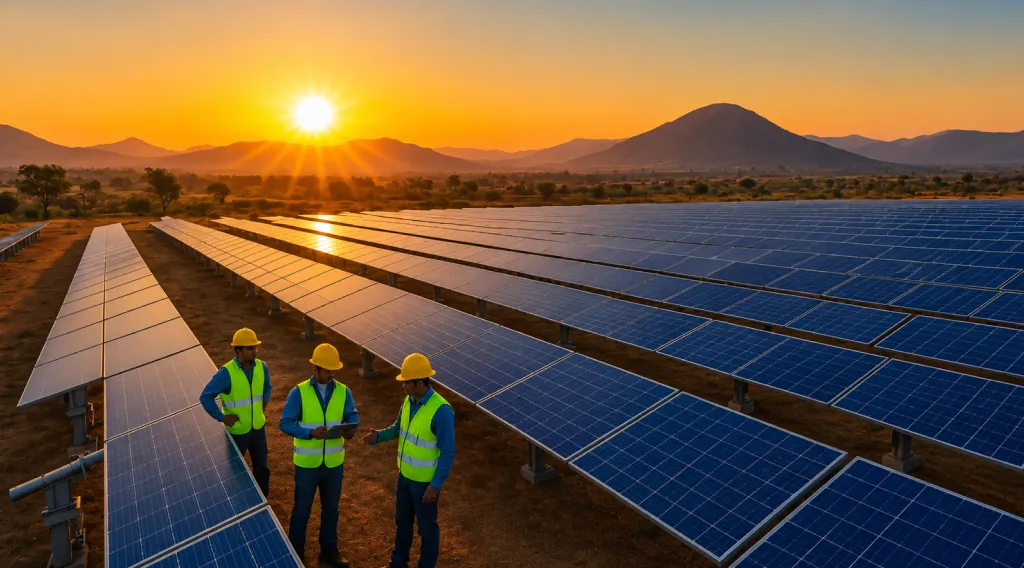
The declining cost of solar panels has made renewable energy more accessible to consumers across Pakistan.
Lower prices have enabled households and businesses to install solar systems capable of powering everyday electrical appliances, including lighting, fans, refrigerators, and air conditioners.
A large share of the imported solar panels originates from China, which remains one of the world's leading manufacturers of photovoltaic technology. Increased availability and competitive pricing have played an important role in accelerating solar adoption throughout the country.
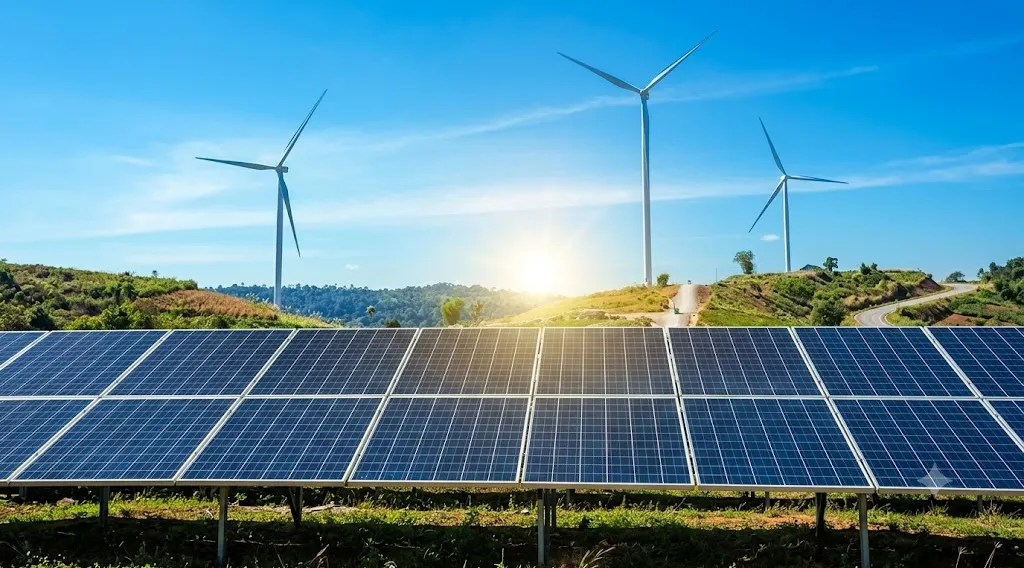
The Pakistan Climate Prosperity Plan outlines ambitious objectives for expanding the country's renewable energy sector over the coming years.
Under the strategy, Pakistan aims to generate 60% of its energy from clean sources by 2030 and increase renewable electricity production to 95% by 2040.
The plan also emphasizes reducing reliance on imported oil and natural gas while modernizing the national electricity grid. Expanding solar energy projects and other renewable technologies forms a central part of the government's long-term energy strategy.
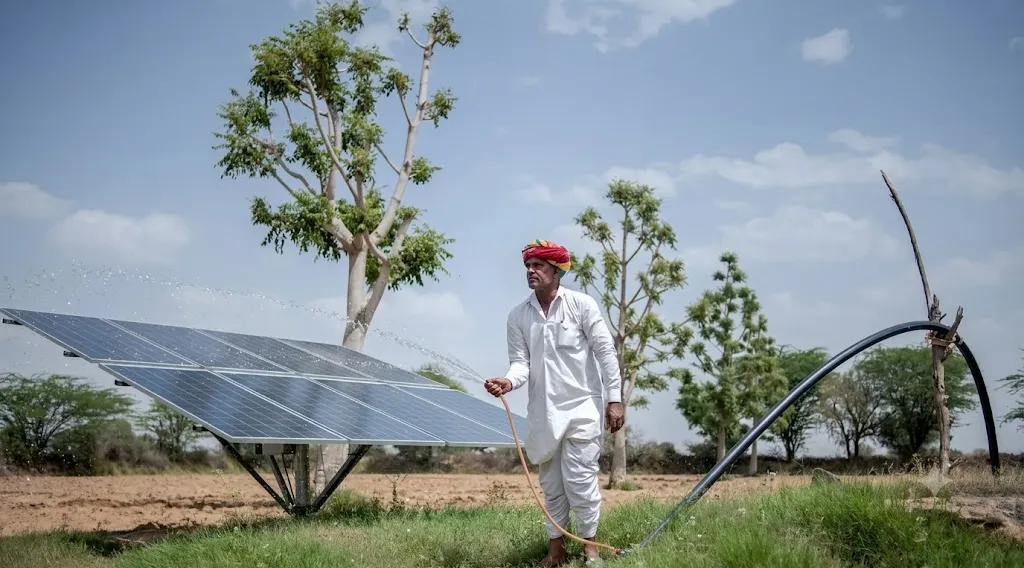
The rapid growth of Pakistan’s solar sector is expected to deliver significant economic and environmental benefits.
Increased reliance on renewable energy can help reduce fuel import costs, strengthen energy independence, and create new employment opportunities within the clean energy industry.
Greater adoption of solar power is also expected to lower carbon emissions by decreasing dependence on fossil fuels. The transition supports Pakistan’s broader climate goals while contributing to improved environmental sustainability and cleaner air quality.
Pakistan has emerged as the world’s third-largest importer of solar panels, reflecting the country’s accelerating shift toward renewable energy.
Pakistan has emerged as the world’s third-largest importer of solar panels, reflecting the country’s accelerating shift toward renewable energy.
The development highlights the growing demand for clean and cost-effective electricity solutions among households, businesses, and industries across the country.
According to the Pakistan Climate Prosperity Plan (CPP), prepared by the Ministry of Finance and the Ministry of Climate Change, Pakistan imported approximately 17 gigawatts (GW) of solar systems in 2024. This represents a significant increase, with imports doubling compared to the previous year.
The declining cost of solar panels has made renewable energy more accessible to consumers across Pakistan.
Lower prices have enabled households and businesses to install solar systems capable of powering everyday electrical appliances, including lighting, fans, refrigerators, and air conditioners.
A large share of the imported solar panels originates from China, which remains one of the world's leading manufacturers of photovoltaic technology. Increased availability and competitive pricing have played an important role in accelerating solar adoption throughout the country.
The Pakistan Climate Prosperity Plan outlines ambitious objectives for expanding the country's renewable energy sector over the coming years.
Under the strategy, Pakistan aims to generate 60% of its energy from clean sources by 2030 and increase renewable electricity production to 95% by 2040.
The plan also emphasizes reducing reliance on imported oil and natural gas while modernizing the national electricity grid. Expanding solar energy projects and other renewable technologies forms a central part of the government's long-term energy strategy.
The rapid growth of Pakistan’s solar sector is expected to deliver significant economic and environmental benefits.
Increased reliance on renewable energy can help reduce fuel import costs, strengthen energy independence, and create new employment opportunities within the clean energy industry.
Greater adoption of solar power is also expected to lower carbon emissions by decreasing dependence on fossil fuels. The transition supports Pakistan’s broader climate goals while contributing to improved environmental sustainability and cleaner air quality.



