Pakistan and Russia Plan First Direct Freight Rail Link
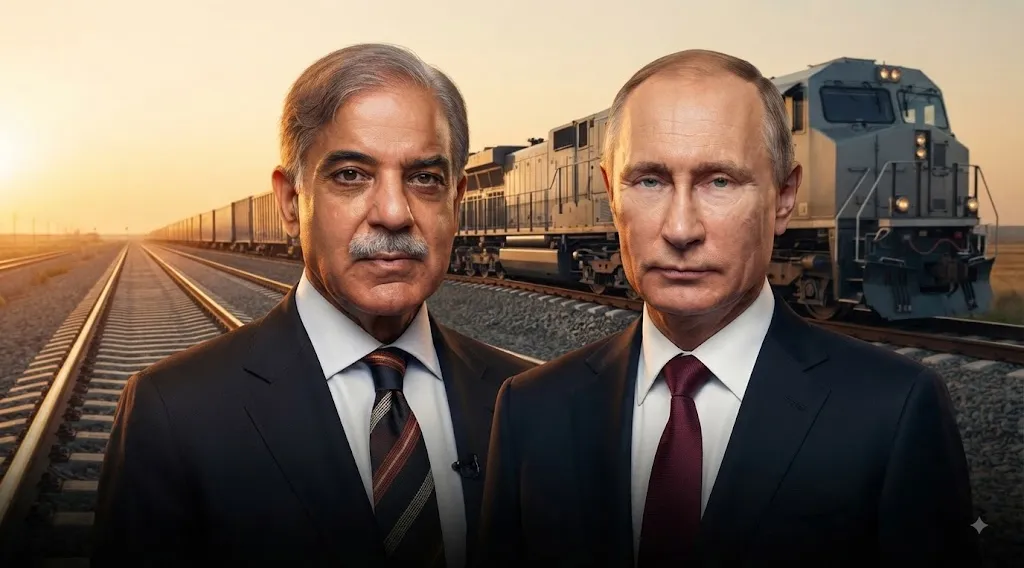
Pakistan and Russia are exploring plans for their first direct freight rail service, with proposed routes linking Moscow with Faisalabad and Karachi.
Belarus could also become part of the network, creating a wider connection for the movement of goods across the region.
The proposed rail links are being discussed as both countries look for more efficient ways to expand bilateral trade.
A direct freight connection could provide businesses with an alternative to existing transportation routes and potentially make the movement of goods more practical and cost effective.

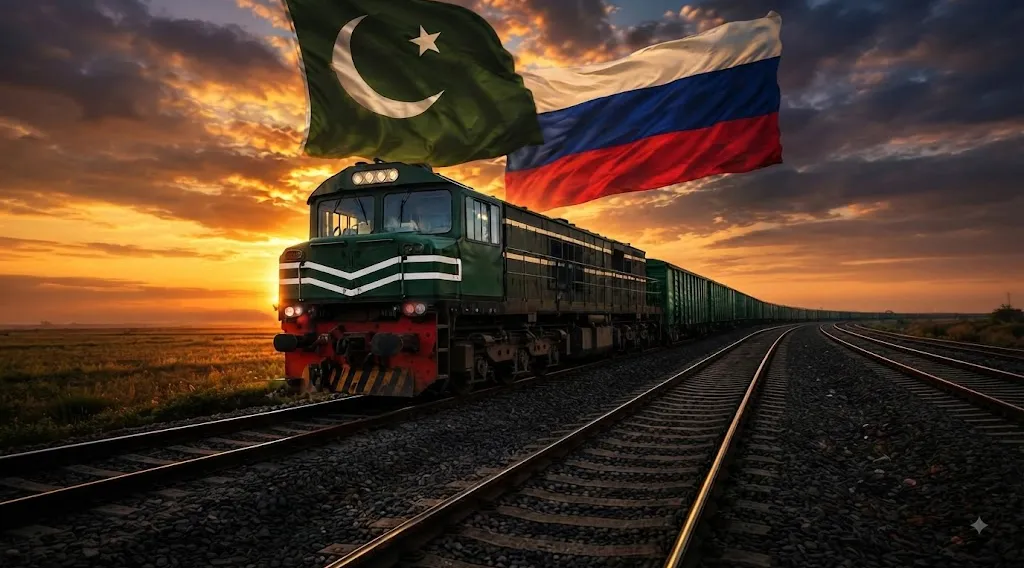
The proposed railway is part of broader discussions between Pakistan and Russia focused on turning economic relations into practical commercial opportunities.
Officials are looking at ways to improve connectivity while identifying sectors where businesses from both countries can work together.
A reliable freight route could make it easier for companies to move products between the two markets and explore new trading opportunities.
However, commercial demand will be a key factor in determining whether the proposed routes can operate successfully over the long term.
Agriculture is also becoming an important part of Pakistan and Russia’s economic discussions, with both sides exploring cooperation across several areas connected to farming and livestock.
Potential areas include agricultural machinery, fertilisers, pesticides, vaccines and animal health technologies.
Greater access to modern equipment and agricultural solutions could help Pakistani farmers improve productivity while dealing with rising production costs.
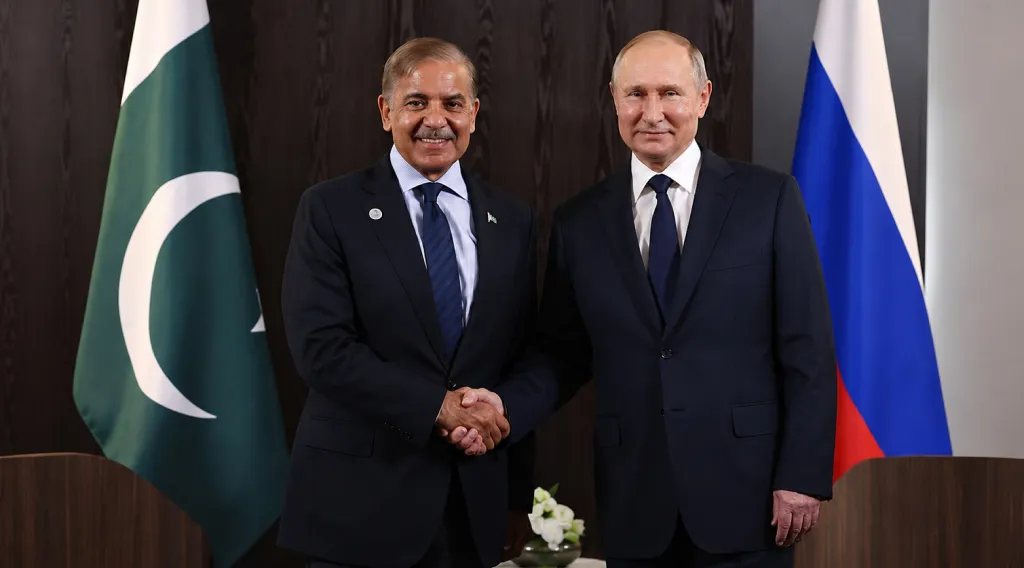
If implemented, the proposed freight railway could create a new commercial connection between Pakistan and Russia while improving access to markets along the route.
The inclusion of Belarus could further expand the potential network and connect businesses across additional markets.
The agricultural discussions could complement the transportation plans by creating new opportunities for the exchange of machinery, technology, agricultural products and related expertise.
Together, these initiatives could give businesses more options for reaching customers and suppliers.
Pakistan and Russia are exploring plans for their first direct freight rail service, with proposed routes linking Moscow with Faisalabad and Karachi.
Pakistan and Russia are exploring plans for their first direct freight rail service, with proposed routes linking Moscow with Faisalabad and Karachi.
Belarus could also become part of the network, creating a wider connection for the movement of goods across the region.
The proposed rail links are being discussed as both countries look for more efficient ways to expand bilateral trade.
A direct freight connection could provide businesses with an alternative to existing transportation routes and potentially make the movement of goods more practical and cost effective.
The proposed railway is part of broader discussions between Pakistan and Russia focused on turning economic relations into practical commercial opportunities.
Officials are looking at ways to improve connectivity while identifying sectors where businesses from both countries can work together.
A reliable freight route could make it easier for companies to move products between the two markets and explore new trading opportunities.
However, commercial demand will be a key factor in determining whether the proposed routes can operate successfully over the long term.
Agriculture is also becoming an important part of Pakistan and Russia’s economic discussions, with both sides exploring cooperation across several areas connected to farming and livestock.
Potential areas include agricultural machinery, fertilisers, pesticides, vaccines and animal health technologies.
Greater access to modern equipment and agricultural solutions could help Pakistani farmers improve productivity while dealing with rising production costs.
If implemented, the proposed freight railway could create a new commercial connection between Pakistan and Russia while improving access to markets along the route.
The inclusion of Belarus could further expand the potential network and connect businesses across additional markets.
The agricultural discussions could complement the transportation plans by creating new opportunities for the exchange of machinery, technology, agricultural products and related expertise.
Together, these initiatives could give businesses more options for reaching customers and suppliers.



