Pakistan and China Move Closer to Direct Flights

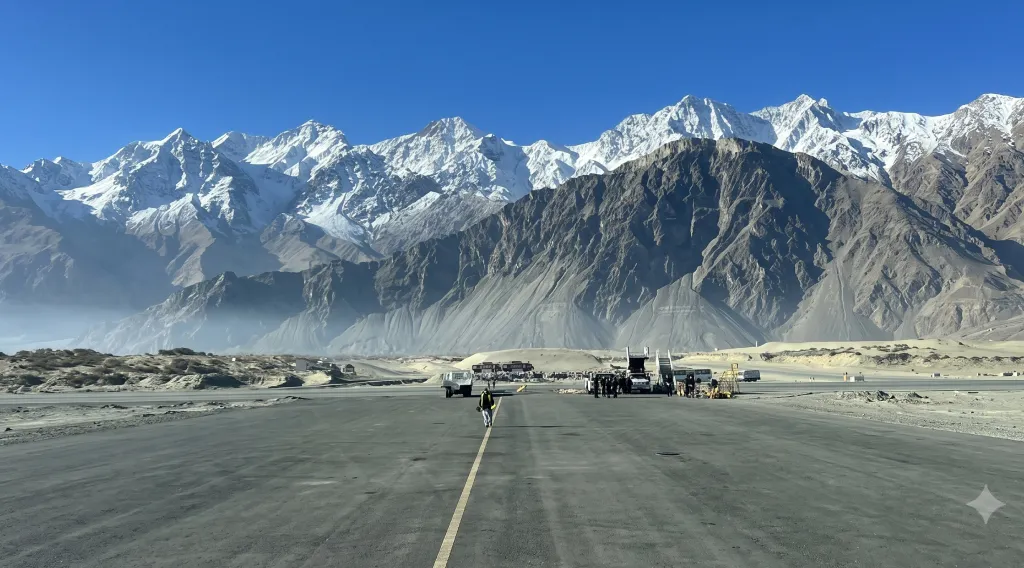
Gilgit-Baltistan has proposed launching direct flights between Skardu and Kashgar in China’s Xinjiang region, marking a significant step toward improving regional connectivity between the two neighboring regions.
If approved, the route would provide a faster and more convenient travel option for tourists, business travelers, and official delegations. The proposal also reflects Pakistan’s broader efforts to strengthen cross-border transportation and economic cooperation.
Improved air connectivity could make northern Pakistan more accessible to international visitors while supporting tourism, trade, and long-term regional development.

The proposed direct air link is expected to strengthen Pakistan’s tourism sector by making travel between Gilgit-Baltistan and western China easier and more efficient. Destinations such as Hunza and Skardu could attract a larger number of international visitors.
Businesses would also benefit from improved connectivity, with shorter travel times making commercial visits and cross-border partnerships more convenient. Better transportation links can help expand trade and encourage investment.
Beyond economic benefits, the route could promote cultural exchange and closer people-to-people connections.
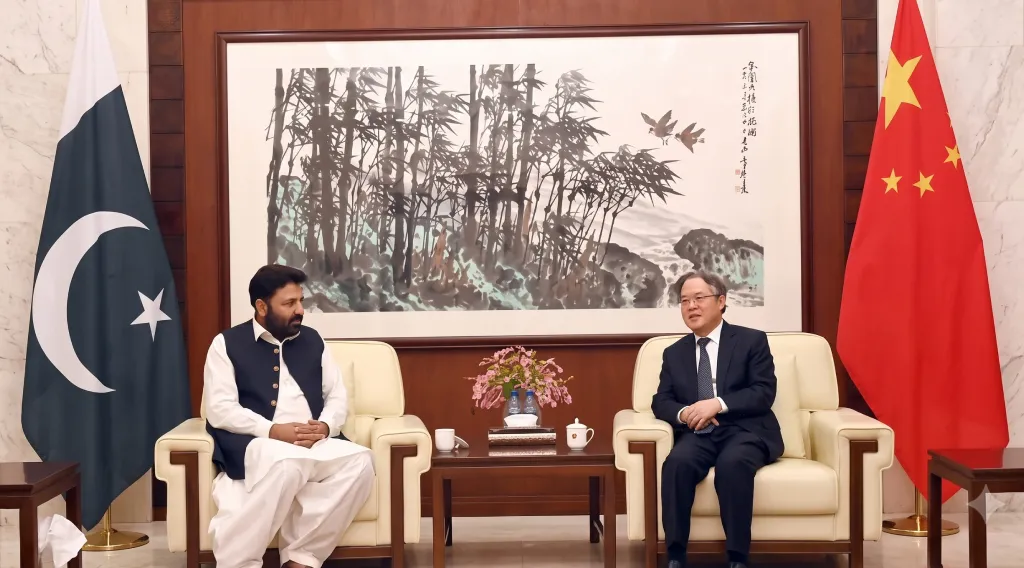
The proposal was discussed during a meeting between Gilgit-Baltistan Chief Minister Amjad Hussain Azar and Chinese Ambassador Jiang Zaidong, where both sides explored ways to expand cooperation in tourism and regional development.
During the meeting, the Gilgit-Baltistan government also proposed introducing a visa-on-arrival facility for Chinese tourists visiting destinations such as Hunza, subject to approval by the federal government.
The discussions highlighted a shared interest in improving travel, encouraging tourism, and strengthening people-to-people connections. These initiatives reflect the growing partnership between Pakistan and China across multiple sectors.
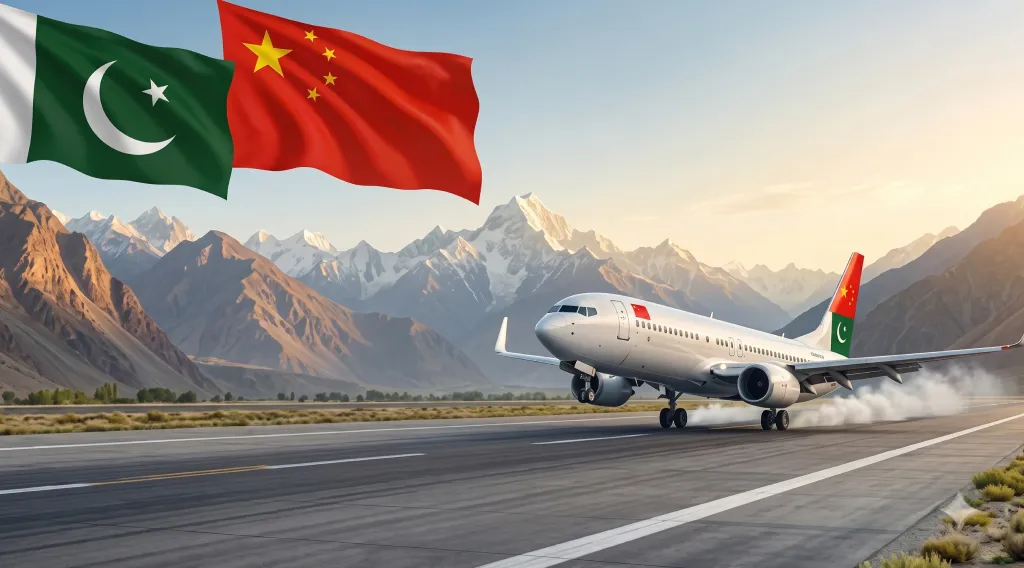
Alongside the proposed flight route, the Gilgit-Baltistan government invited Chinese companies to explore investment opportunities in tourism, mining, hydropower, renewable energy, and infrastructure development.
Chinese Ambassador Jiang Zaidong said the proposals would be forwarded to the relevant authorities for consideration. Further discussions are expected as both sides continue exploring areas of mutual cooperation.
If implemented, these initiatives could generate new employment opportunities, attract investment, and accelerate economic development across Gilgit-Baltistan. The proposed air link represents another important step in strengthening Pakistan-China regional connectivity.
Gilgit-Baltistan has proposed launching direct flights between Skardu and Kashgar in China’s Xinjiang region, marking a significant step toward improving regional connectivity between the two neighboring regions.
Gilgit-Baltistan has proposed launching direct flights between Skardu and Kashgar in China’s Xinjiang region, marking a significant step toward improving regional connectivity between the two neighboring regions.
If approved, the route would provide a faster and more convenient travel option for tourists, business travelers, and official delegations. The proposal also reflects Pakistan’s broader efforts to strengthen cross-border transportation and economic cooperation.
Improved air connectivity could make northern Pakistan more accessible to international visitors while supporting tourism, trade, and long-term regional development.
The proposed direct air link is expected to strengthen Pakistan’s tourism sector by making travel between Gilgit-Baltistan and western China easier and more efficient. Destinations such as Hunza and Skardu could attract a larger number of international visitors.
Businesses would also benefit from improved connectivity, with shorter travel times making commercial visits and cross-border partnerships more convenient. Better transportation links can help expand trade and encourage investment.
Beyond economic benefits, the route could promote cultural exchange and closer people-to-people connections.
The proposal was discussed during a meeting between Gilgit-Baltistan Chief Minister Amjad Hussain Azar and Chinese Ambassador Jiang Zaidong, where both sides explored ways to expand cooperation in tourism and regional development.
During the meeting, the Gilgit-Baltistan government also proposed introducing a visa-on-arrival facility for Chinese tourists visiting destinations such as Hunza, subject to approval by the federal government.
The discussions highlighted a shared interest in improving travel, encouraging tourism, and strengthening people-to-people connections. These initiatives reflect the growing partnership between Pakistan and China across multiple sectors.
Alongside the proposed flight route, the Gilgit-Baltistan government invited Chinese companies to explore investment opportunities in tourism, mining, hydropower, renewable energy, and infrastructure development.
Chinese Ambassador Jiang Zaidong said the proposals would be forwarded to the relevant authorities for consideration. Further discussions are expected as both sides continue exploring areas of mutual cooperation.
If implemented, these initiatives could generate new employment opportunities, attract investment, and accelerate economic development across Gilgit-Baltistan. The proposed air link represents another important step in strengthening Pakistan-China regional connectivity.