






0
November 6, 2026
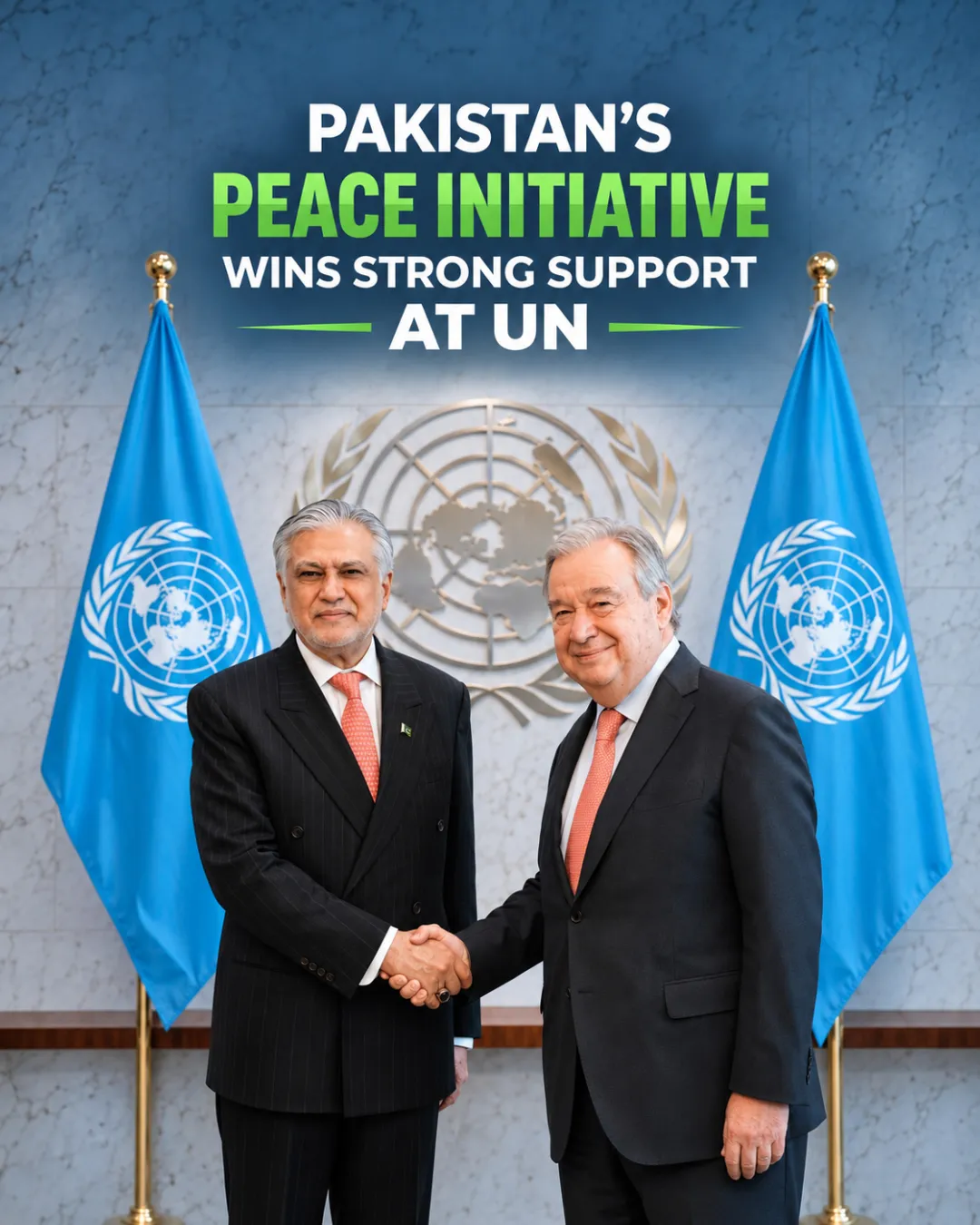
Pakistan’s Peace Initiative Wins Strong Support At UN
A resolution sponsored by Pakistan on controlling conventional weapons at regional and subregional levels has…

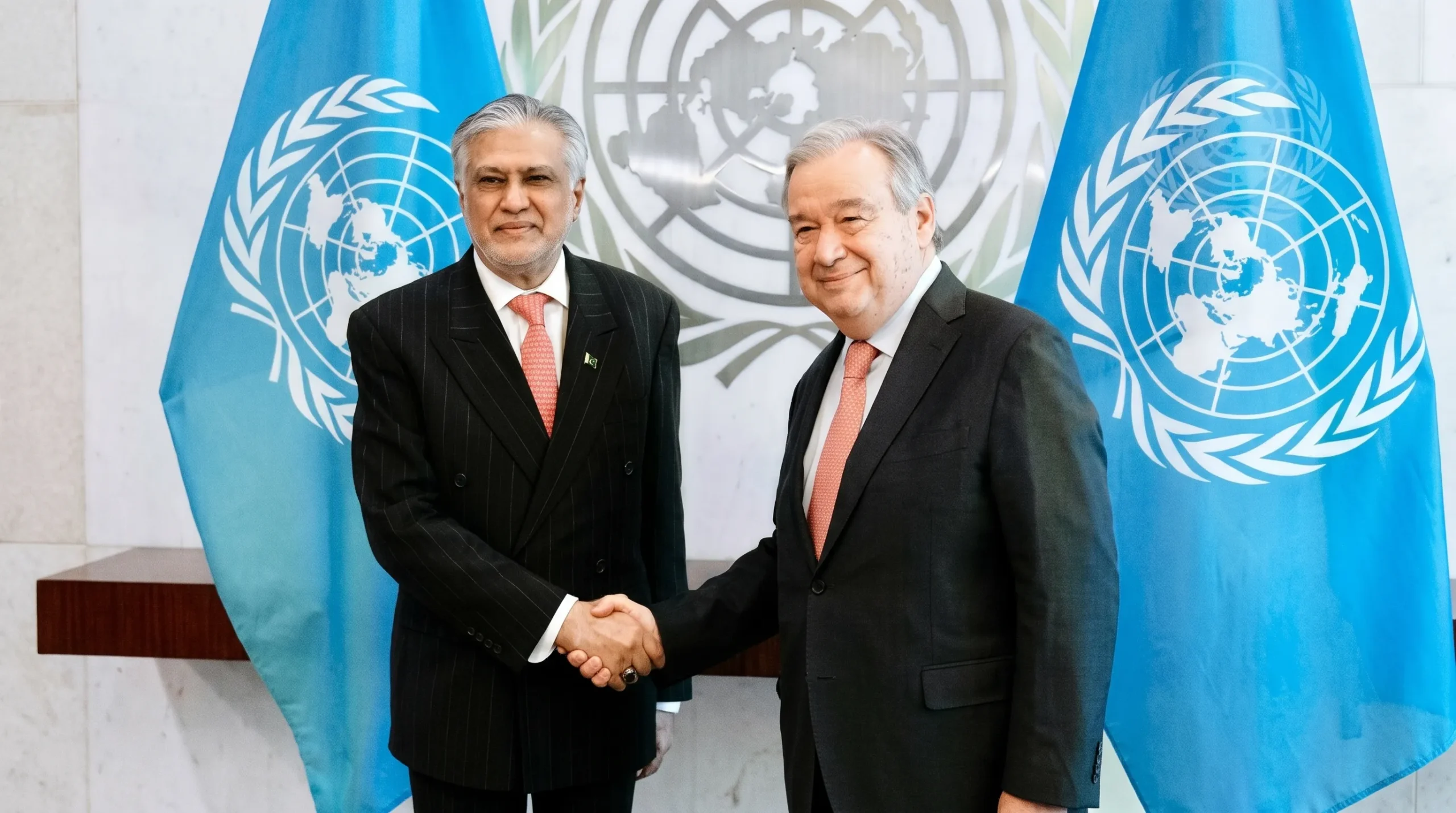
A resolution sponsored by Pakistan on controlling conventional weapons at regional and subregional levels has secured strong backing at the United Nations. It received 180 votes in favour at the UN General Assembly’s First Committee, while India and Israel were the only two countries to vote against it.
The result reflects broad support among member states for addressing conventional arms control through regional cooperation. The vote recorded two opposing votes and no abstentions, giving the proposal an overwhelming majority within the committee.
The resolution is titled Conventional Arms Control at the Regional and Subregional Levels.
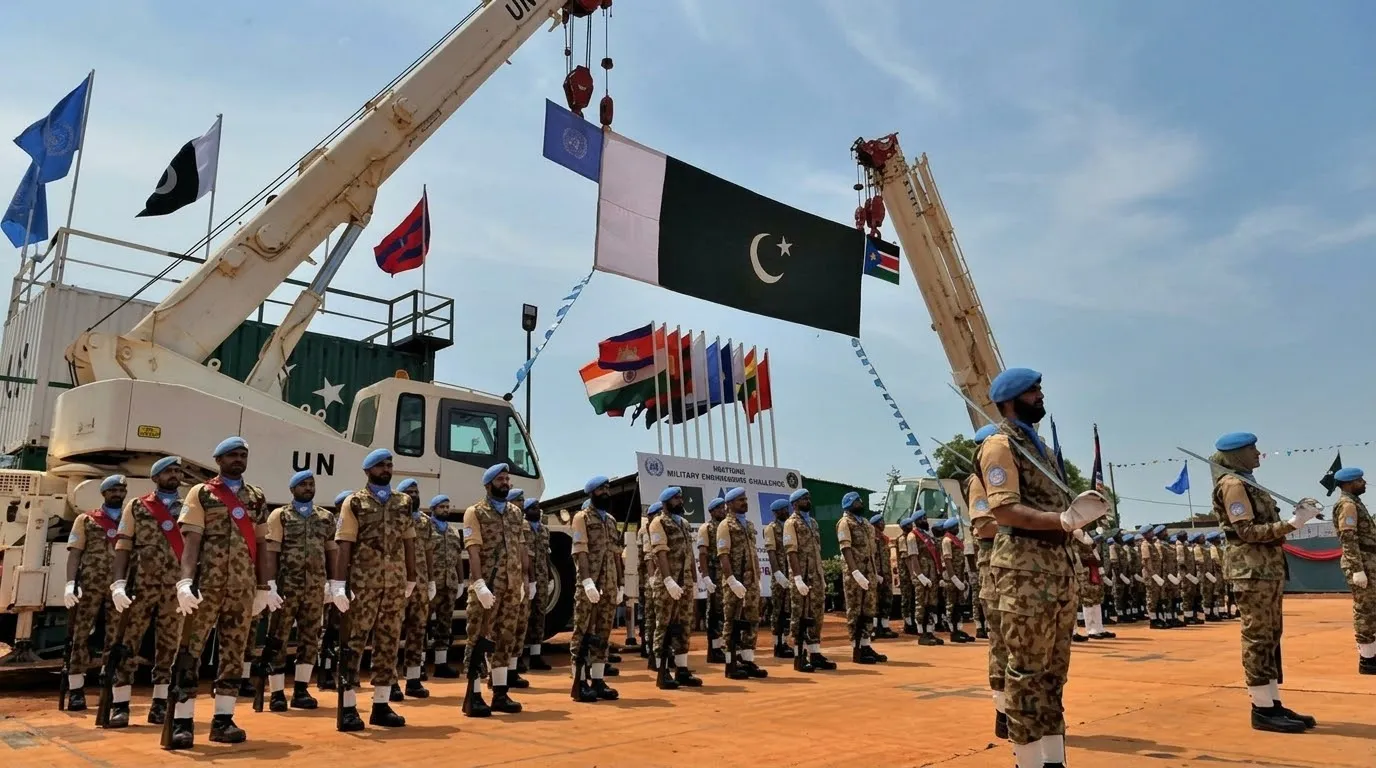
The resolution highlights the importance of developing arms control arrangements within regions and neighbouring countries. Its central approach is to encourage agreements that can strengthen stability while keeping military forces and weapons at the lowest possible levels.
It also recognises that countries with greater military capabilities have an important responsibility in supporting regional security arrangements. The proposal places cooperation and confidence-building at the centre of efforts to reduce tensions and prevent conflicts.
The First Committee considers matters related to disarmament and international security.
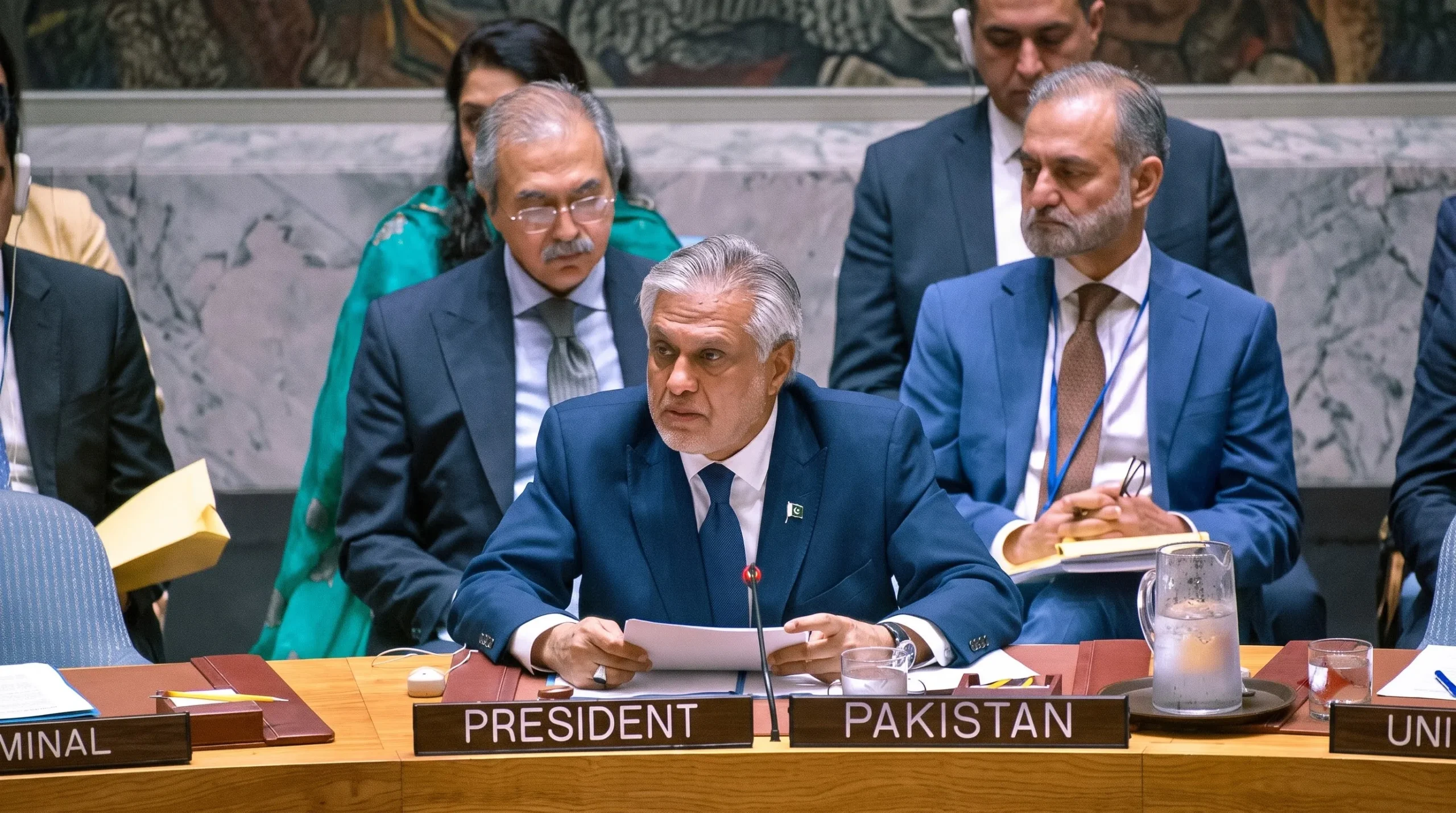
Pakistan also received the committee’s backing for two additional resolutions. One, focused on confidence-building measures in regional and subregional settings, was adopted without a vote, reflecting consensus among participating countries.
Another proposal sought effective international guarantees for countries without nuclear weapons against the use or threat of nuclear weapons. It received 122 votes in favour, with no country voting against it.
Together, the three resolutions address conventional arms control, regional cooperation and nuclear security assurances.
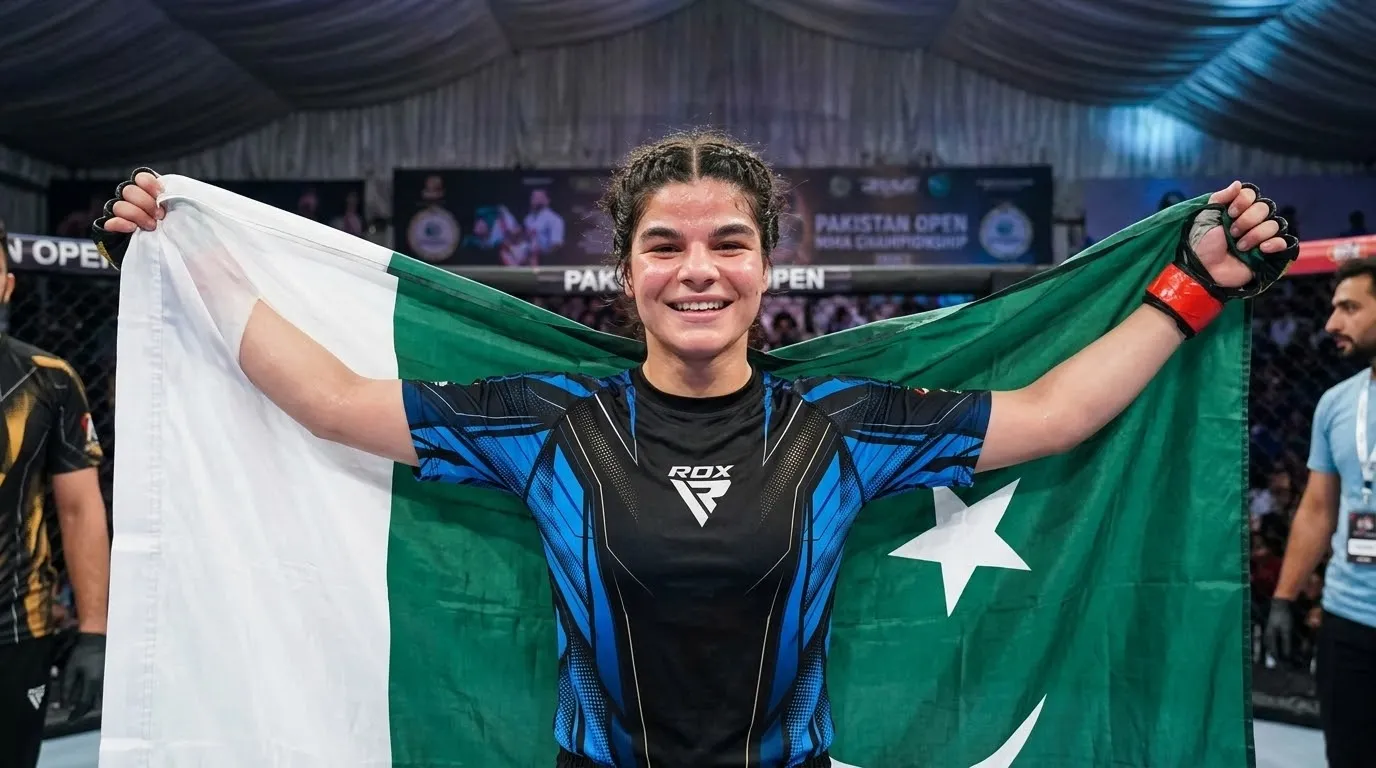
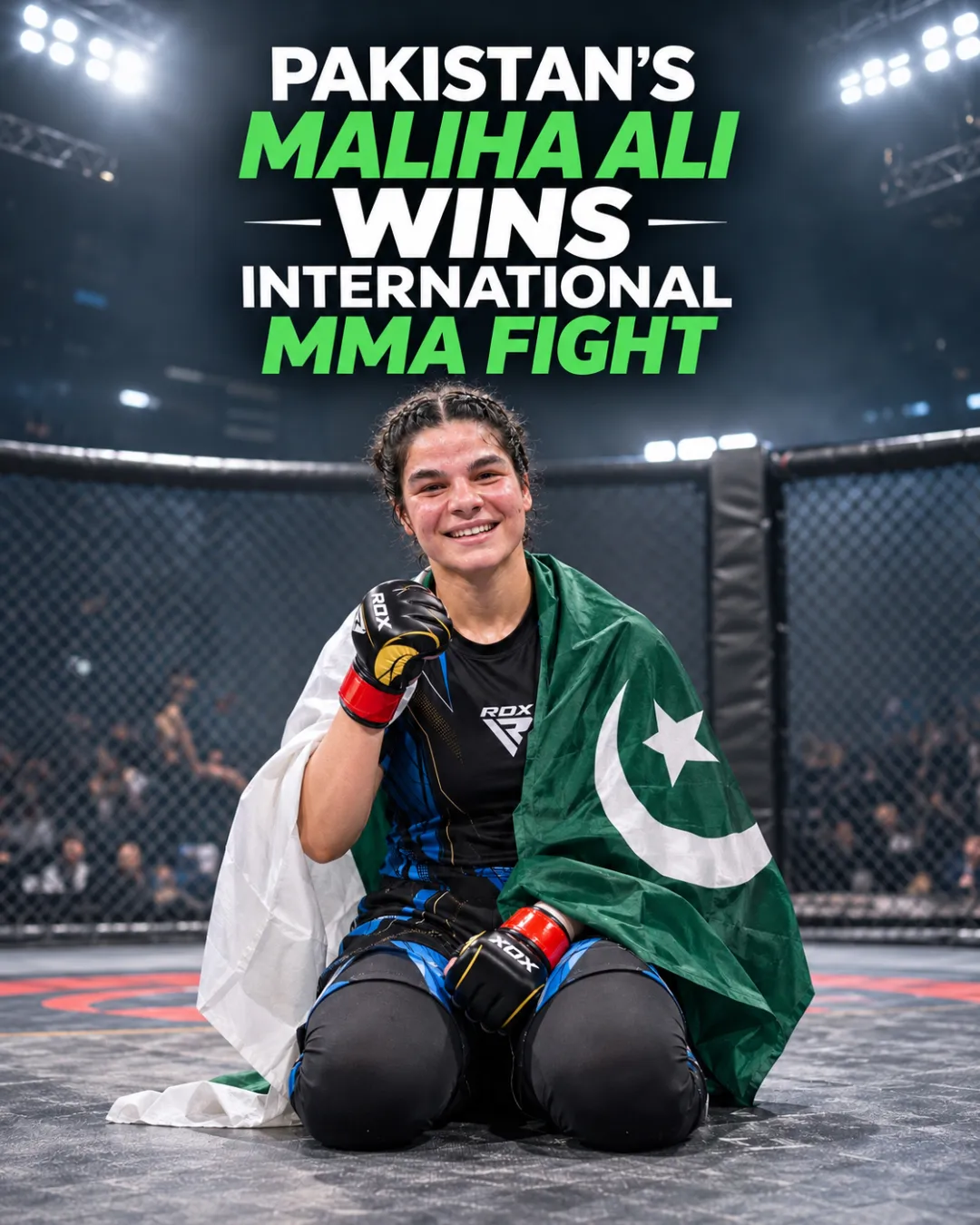
Pakistan's Maliha Ali has secured an important international victory after defeating Russia's Veronika Drozdova at the International Mixed Martial Arts Federation (IMMAF) World Championships in Tbilisi, Georgia.
The 24-year-old Pakistani fighter won their women's featherweight contest in the 65.8kg category through a split decision.
Her opponent, 19-year-old Drozdova, entered the competition as a two-time European champion, making the result particularly significant for Pakistan's growing presence in international mixed martial arts.
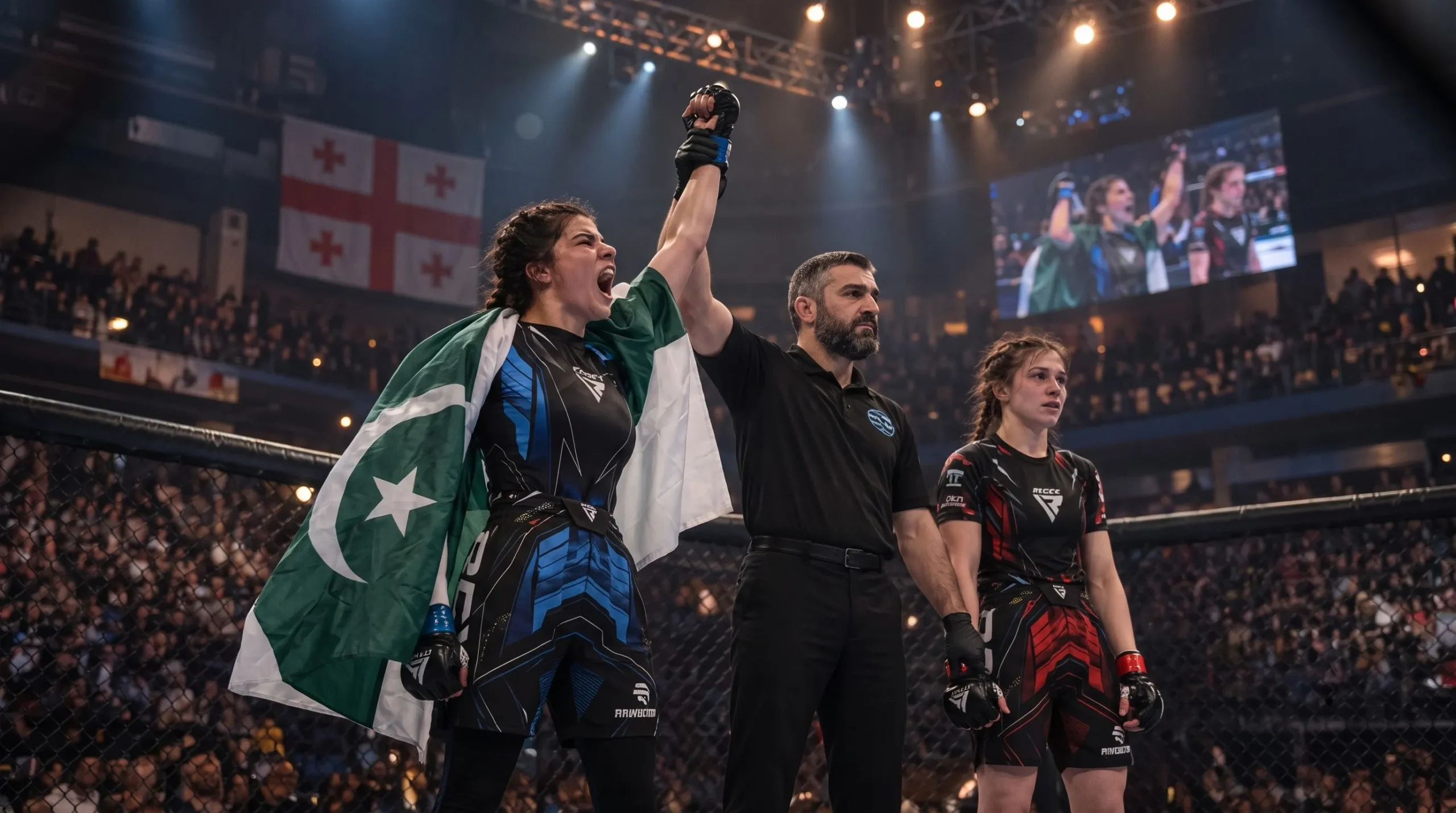
Maliha initially adopted a cautious approach before gradually taking control of the opening round. Fighting from a southpaw stance, she moved closer to Drozdova, pushed her towards the cage and connected with several clean strikes to finish strongly.
She continued her attacking performance in the second round by taking her opponent to the ground and securing a full-mount position. From there, Maliha delivered several powerful strikes, strengthening her position before the final round.
Drozdova responded strongly in the third, managing a takedown and controlling much of the ground action.
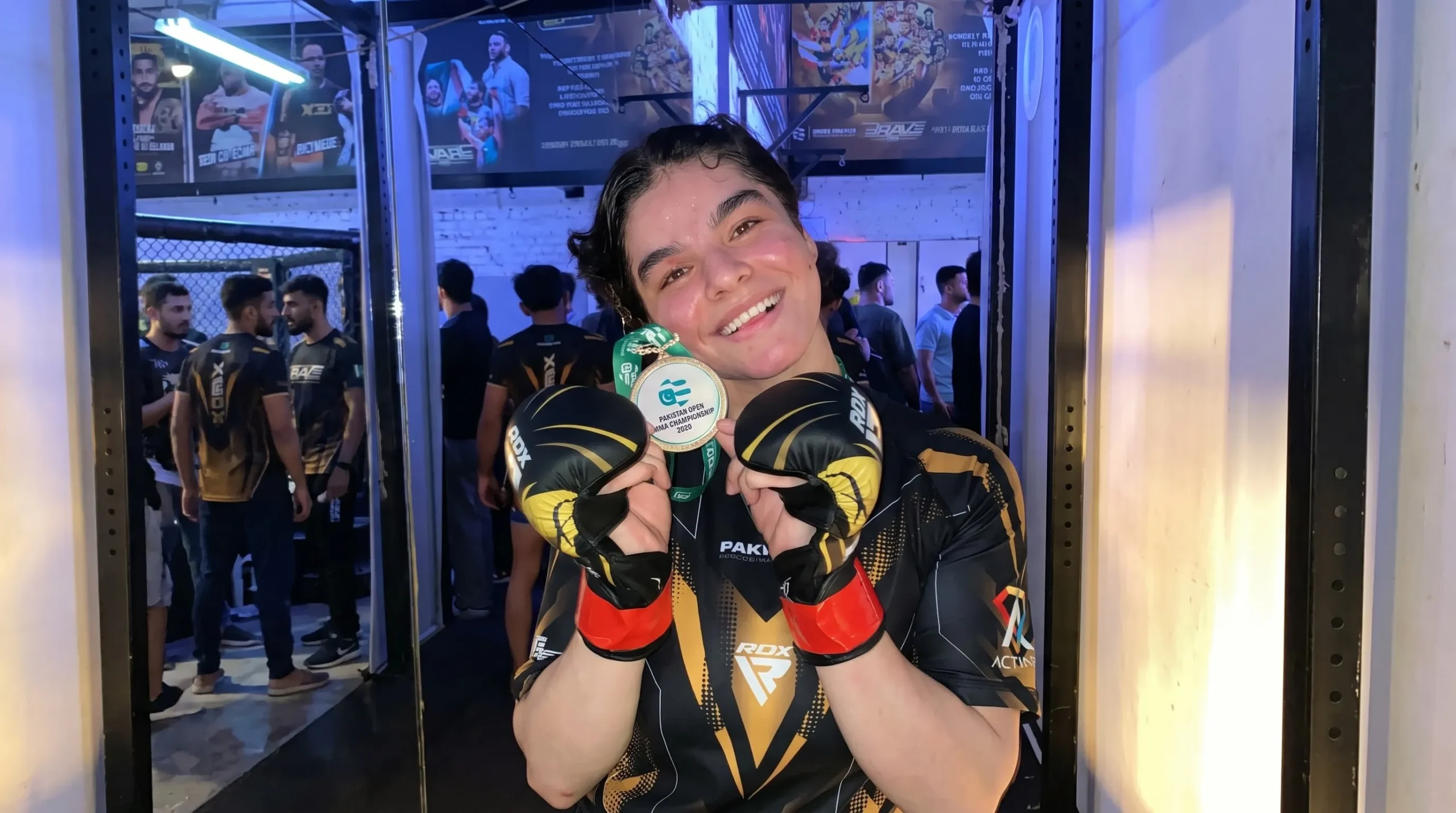
Originally from Hunza, Gilgit-Baltistan, Maliha is already an accomplished combat-sports athlete, having won a national kickboxing gold medal and established herself as a wushu champion. Earlier in 2026, she also secured a silver medal at the IMMAF World Cup in Angola.
Pakistan MMA Federation president Omar Ahmed revealed that the team organised a six-week training camp and brought in an international jiu-jitsu and grappling coach to improve areas identified during the previous competition.
Maliha's next challenge is the quarter-final against Mexico's Andrea Gabriela Guzman Salazar, as she continues her pursuit of a world championship title.
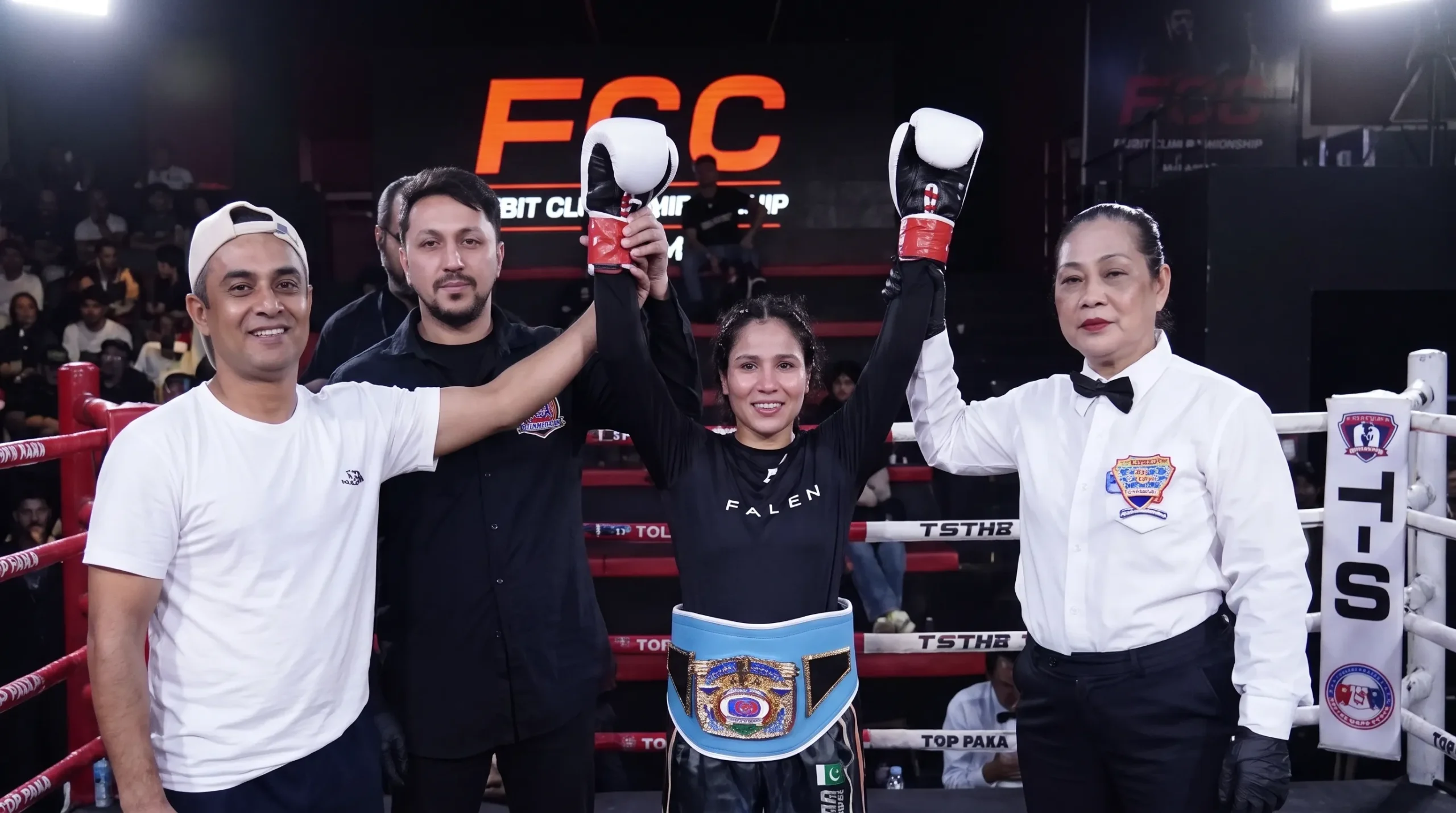
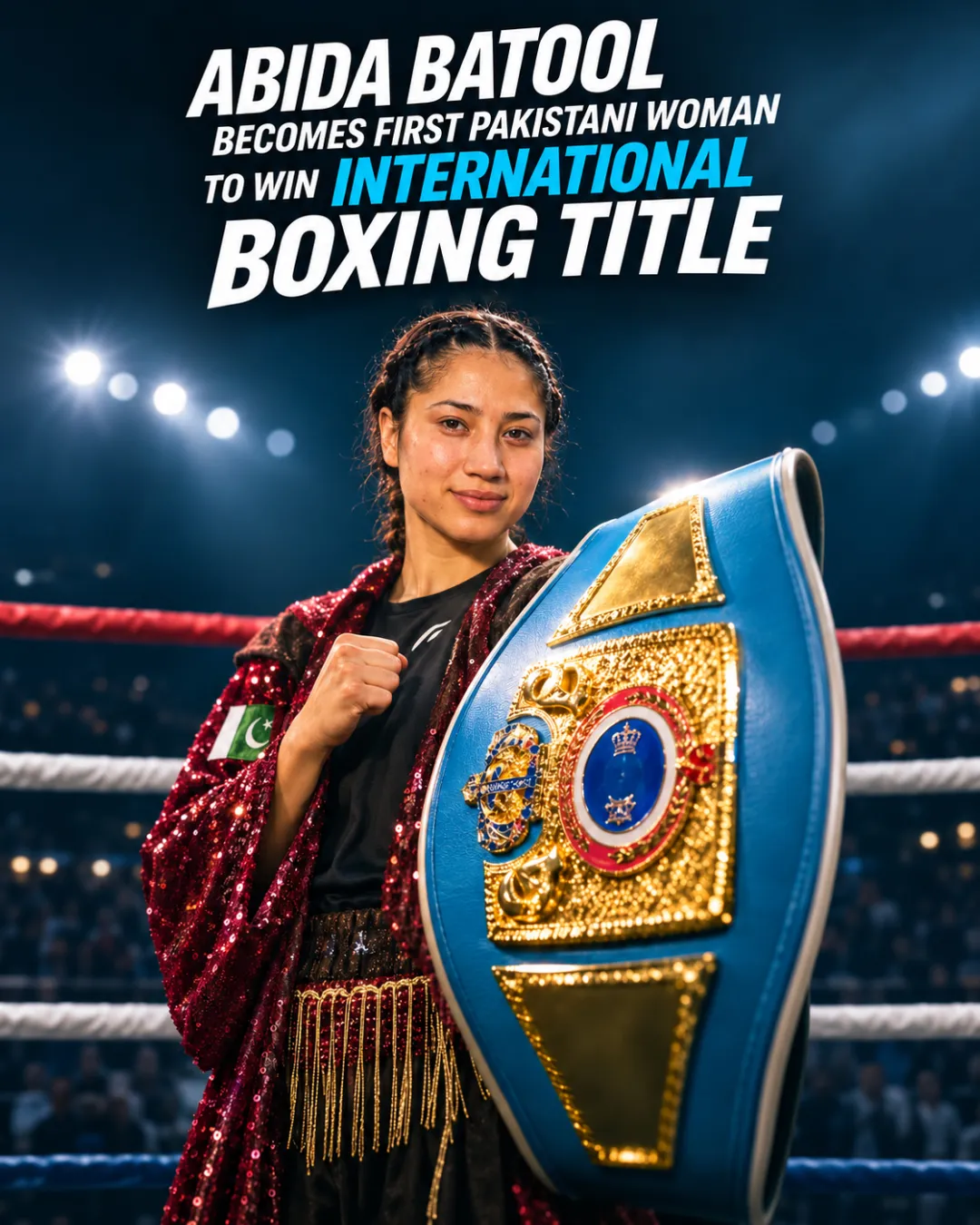
Pakistan's Abida Batool has become the first Pakistani woman to win a Women's International Boxing Association (WIBA) world title after defeating Thailand's Wandee Sinongkhrot in Pattaya. The 26-year-old secured the vacant world atomweight championship on October 31 during the Brave Hearts boxing event at FCC Stadium.
The scheduled eight-round contest ended in the fifth round after an accidental headbutt left Batool with a fractured nose. A ringside doctor stopped the fight, sending the result to the judges for a technical decision. Two judges awarded the contest to Batool, while the third favoured her Thai opponent.
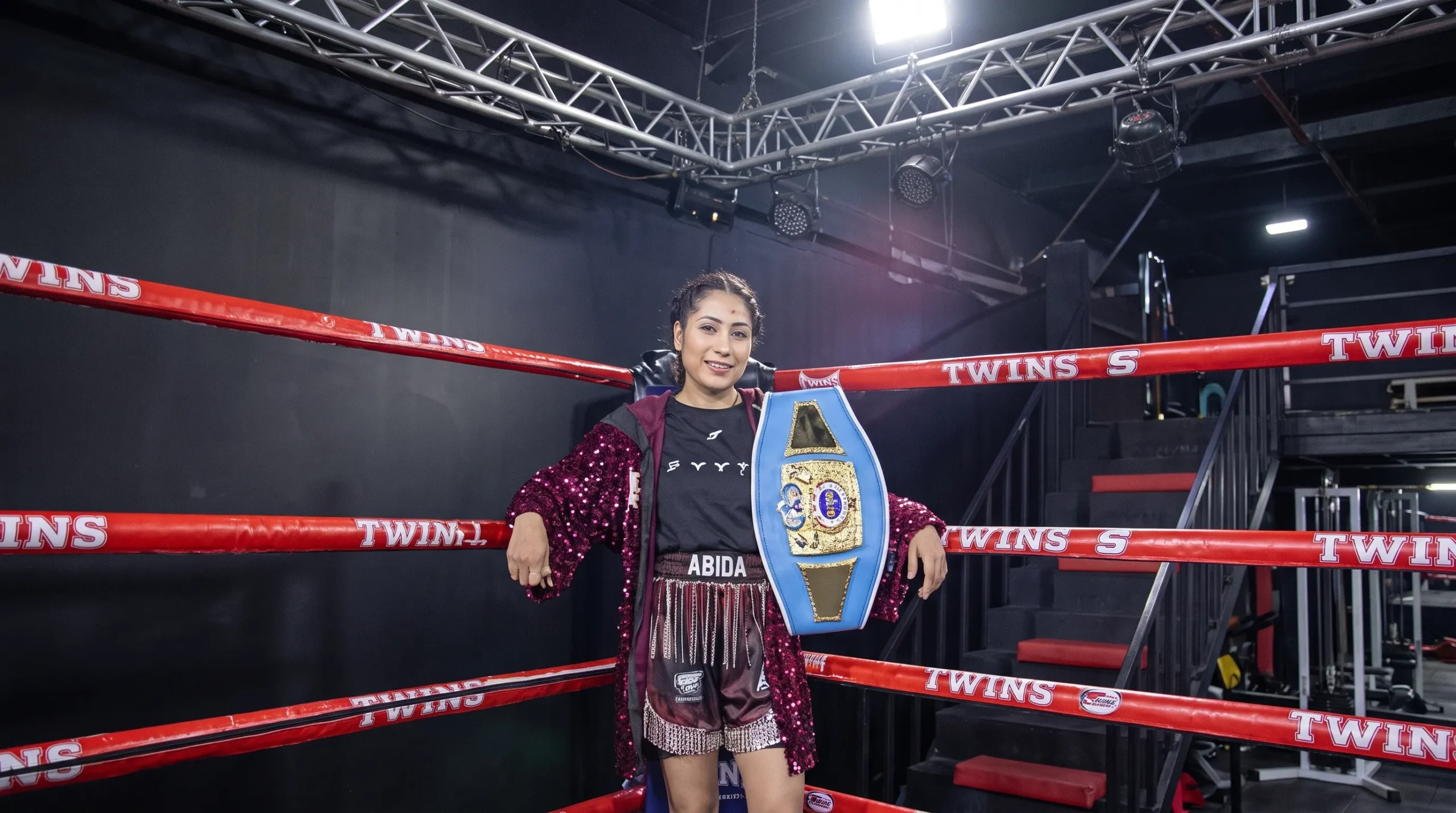
Batool began her boxing career in 2018 and gradually established herself as Pakistan's leading female professional boxer. Before winning the international championship, she had already secured the country's national professional boxing title and competed in mixed martial arts, wushu and kickboxing.
Her journey was not without difficulties. Financial limitations and resistance from her family initially made it challenging to pursue professional sports, but she continued training and working towards international recognition.
Earlier in 2026, she also challenged for the WBC Asia atomweight title in Bangkok but could not secure the championship.
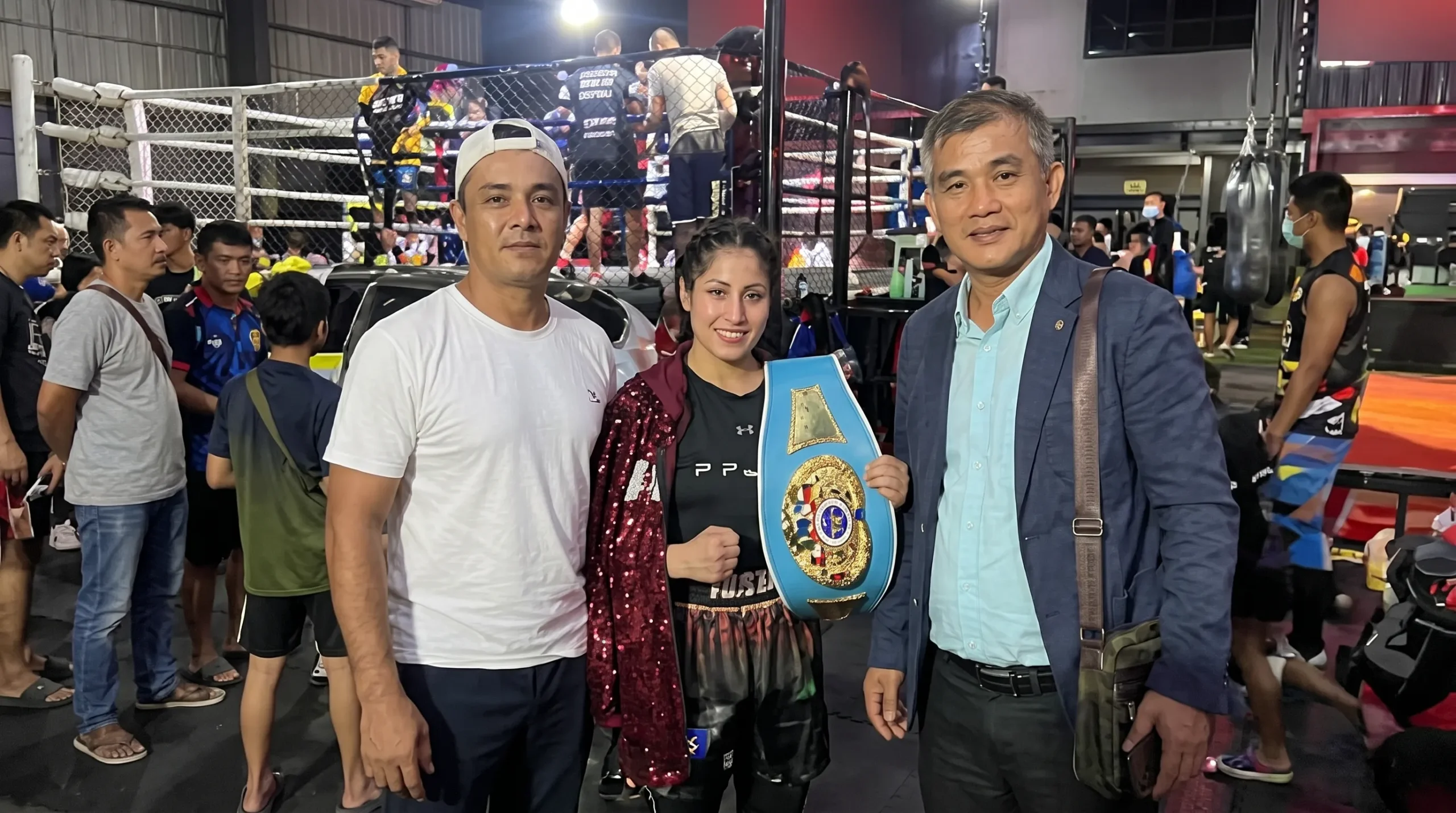
The victory in Thailand marks an important breakthrough for Pakistan's presence in international women's professional boxing. Batool entered the championship bout as Pakistan's top-ranked female professional boxer and was also ranked third in the WBC Asia rankings.
Her achievement reflects years of training and determination, taking her from the national boxing circuit in Quetta to an international championship. The title also brings greater attention to Pakistani women competing in professional combat sports.
Following the victory, Batool thanked her family, coach Shariq Khan and supporters across Pakistan for standing behind her journey.
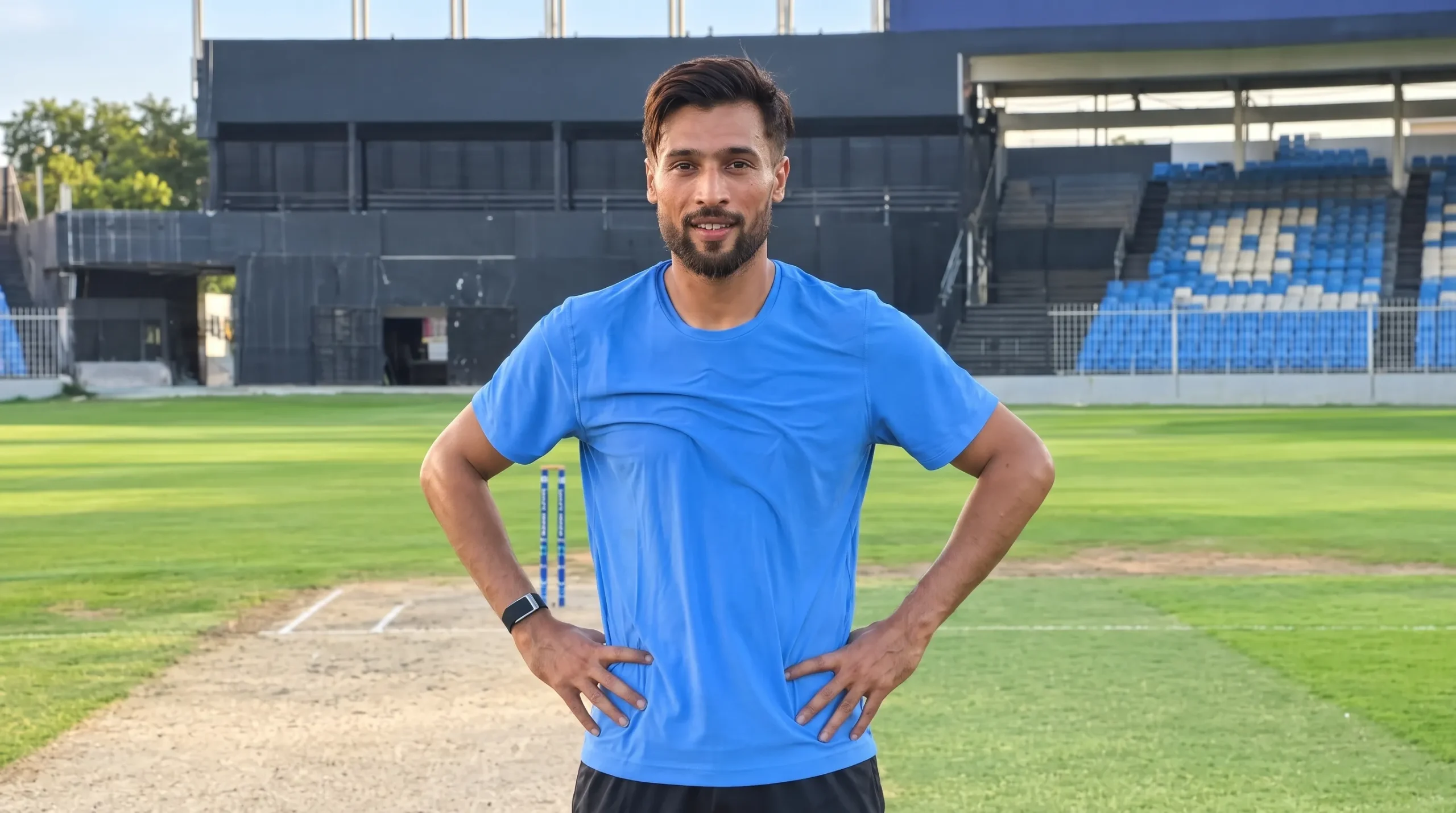
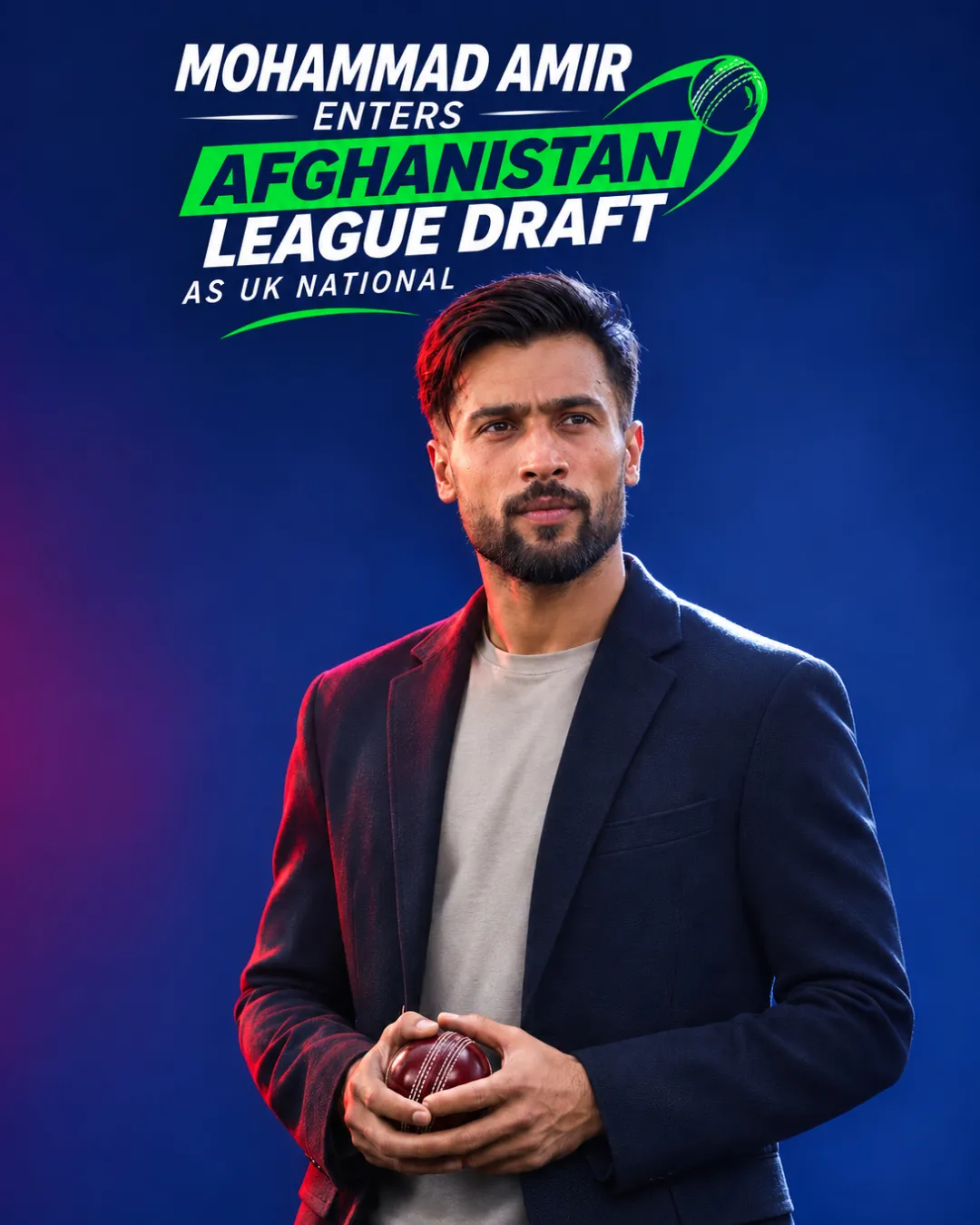
Former Pakistan fast bowler Mohammad Amir has registered for the Afghanistan Premier League (APL) player draft as a British national, marking a new development in his franchise cricket career.
The 34-year-old, who currently lives in England and holds British citizenship, has entered the upcoming tournament's draft under the United Kingdom category.
Amir has been placed in the Platinum category, the highest player bracket in the competition, carrying a listed player fee of $100,000. His registration comes as the APL prepares to conduct its player draft in Dubai on November 3, 2026.
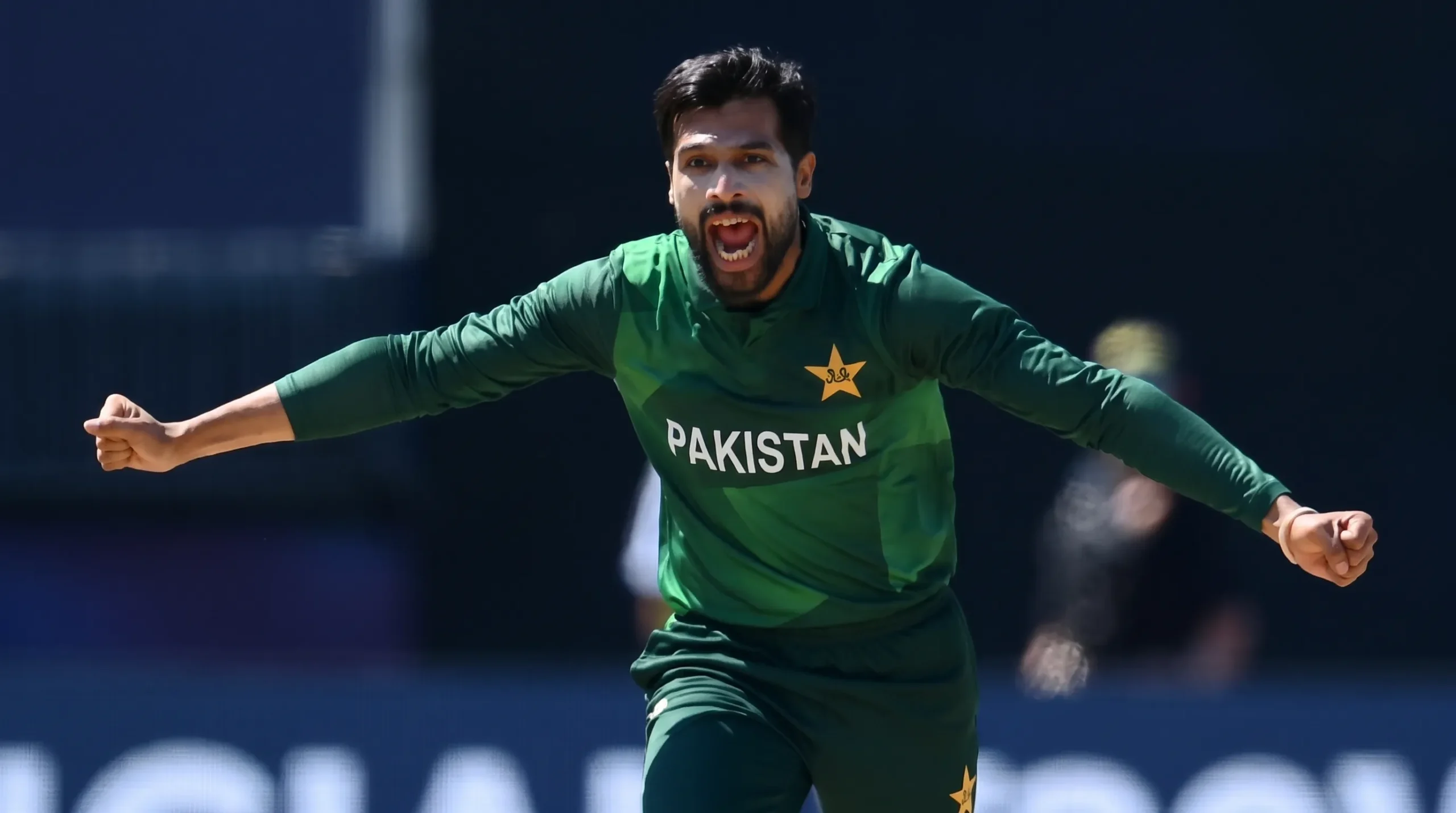
Amir's registration comes amid uncertainty surrounding the participation of other Pakistani cricketers in the Afghanistan Premier League. More than 30 players from Pakistan have entered the draft, including Fakhar Zaman, Saim Ayub, Hasan Ali, Shan Masood, Abdullah Shafique, Faheem Ashraf and Imad Wasim.
However, their participation depends on receiving clearance from the PCB. The Afghanistan Cricket Board has made the availability of Pakistani players conditional on obtaining the required NOCs, while a PCB spokesperson indicated that the board was unlikely to issue the clearances.
The upcoming Afghanistan Premier League will feature five franchises, with each team permitted to select a maximum of 18 players. Squad requirements include 11 to 12 Afghan cricketers and six to seven overseas players, creating opportunities for international talent to participate alongside Afghanistan's leading cricketers.
The draft features five financial categories, with Platinum players valued at $100,000, Diamond at $65,000, Gold at $40,000, Silver at $20,000 and Emerging players at $10,000. Each franchise will have a total player budget ranging between $650,000 and $750,000. Amir has represented Pakistan in 36 Tests, 61 ODIs and 62 T20 internationals.
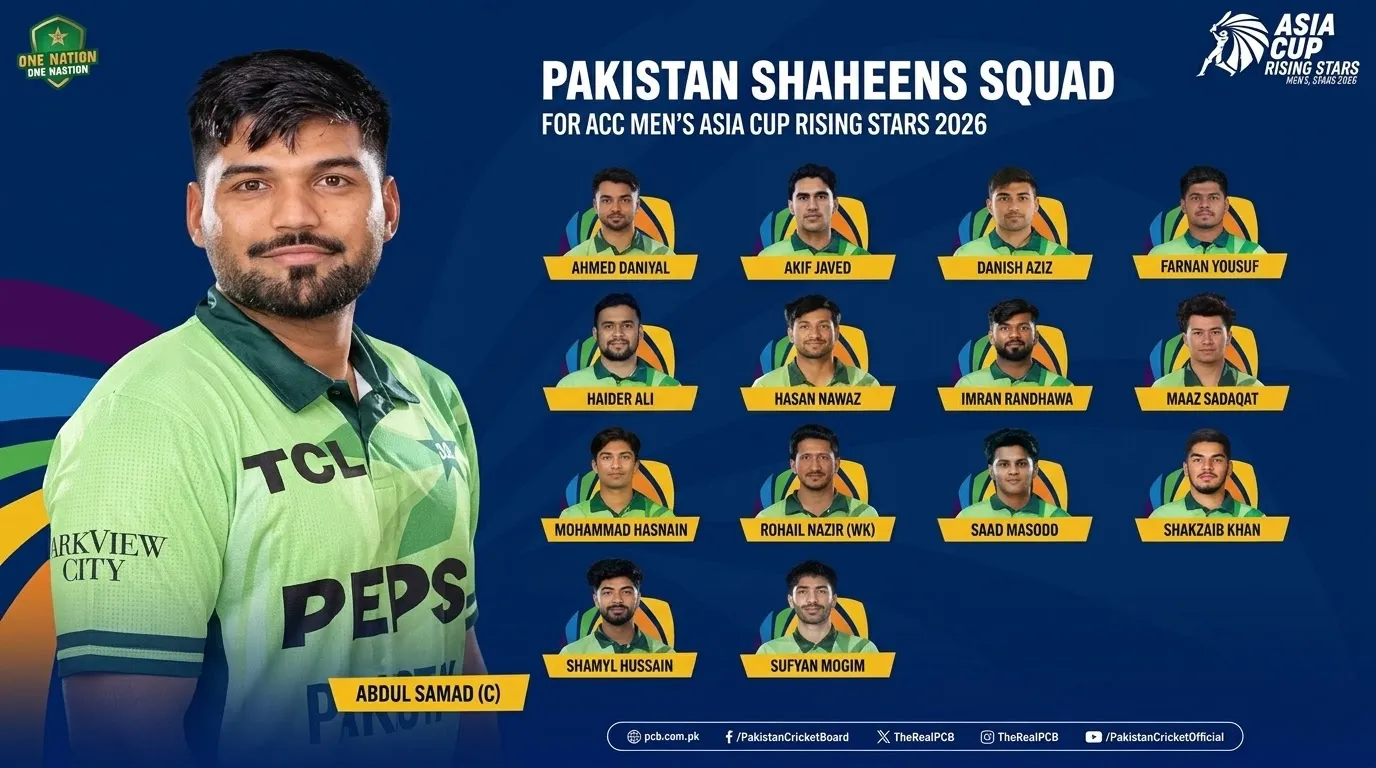
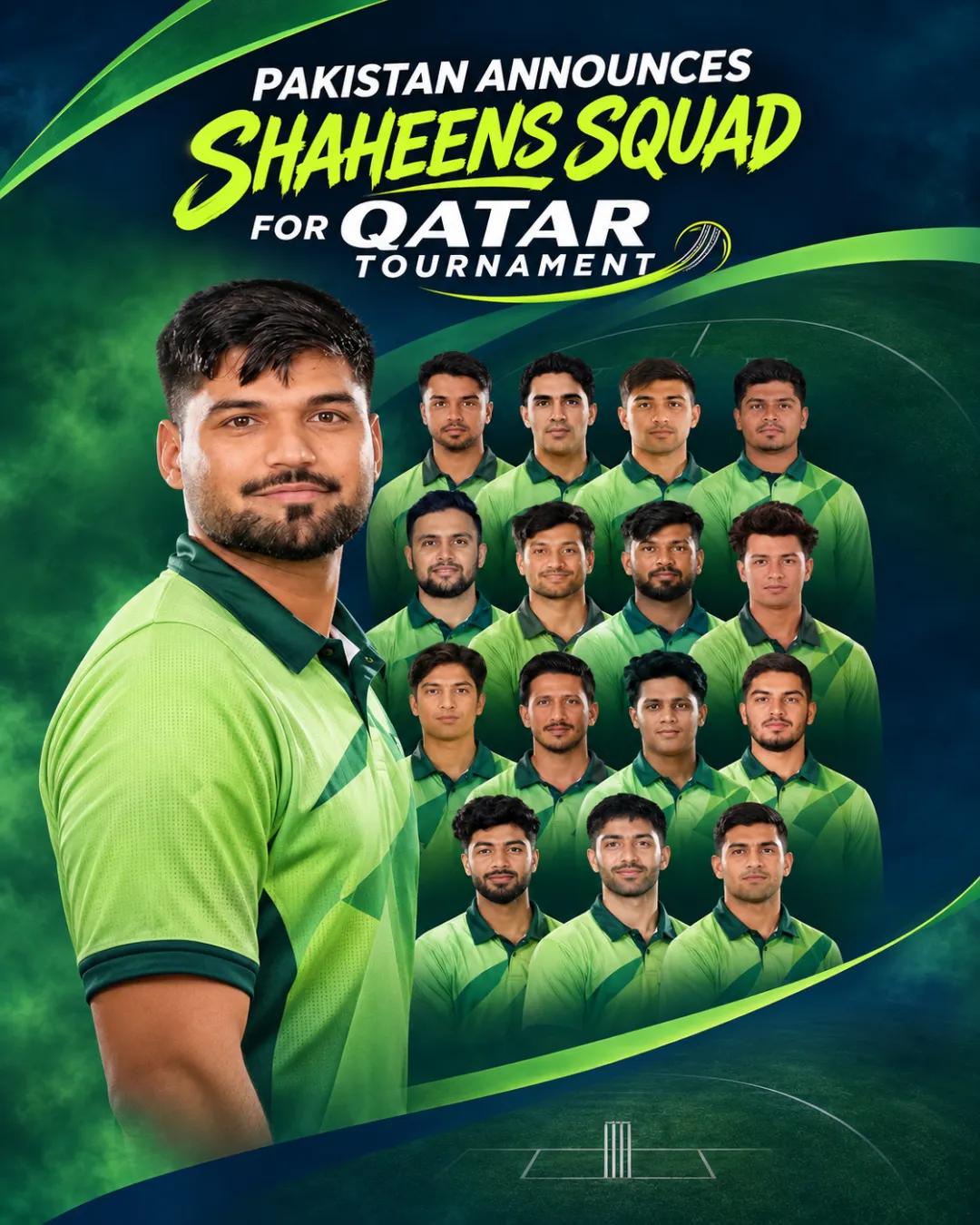
The Pakistan Cricket Board (PCB) has announced a 15-member Pakistan Shaheens squad for the ACC Men's Asia Cup Rising Stars 2026, with Abdul Samad appointed captain. The 50-over tournament will take place in Qatar from November 19 to 29, bringing together eight teams from across the region.
The squad combines emerging talent with players who have already gained experience in domestic and international cricket. Hasan Nawaz, Maaz Sadaqat, Haider Ali, Shahzaib Khan, Farhan Yousuf and Shamyl Hussain form the batting group, while Rohail Nazir has been selected as wicketkeeper.
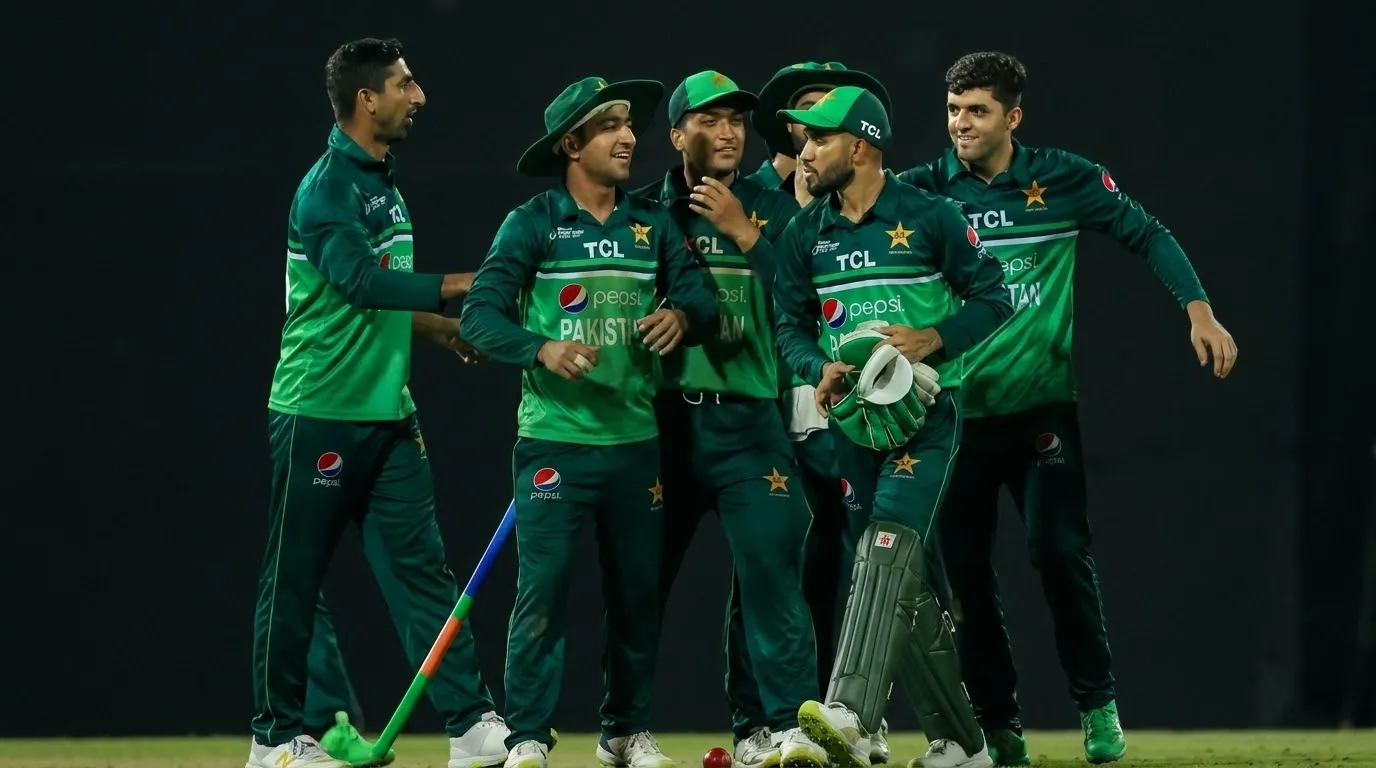
The bowling department features a combination of pace and spin options. Mohammad Hasnain will lead the fast-bowling attack, supported by Ahmed Daniyal, left-arm pacer Akif Javed and Muhammad Imran Randhawa. The selection provides Pakistan with several options to challenge opposing batting line-ups.
The spin department includes Danish Aziz, a left-arm spin-bowling all-rounder, leg-spinner Saad Masood and Sufyan Moqim. Their inclusion adds variety to the team's bowling resources for the conditions expected in Qatar.
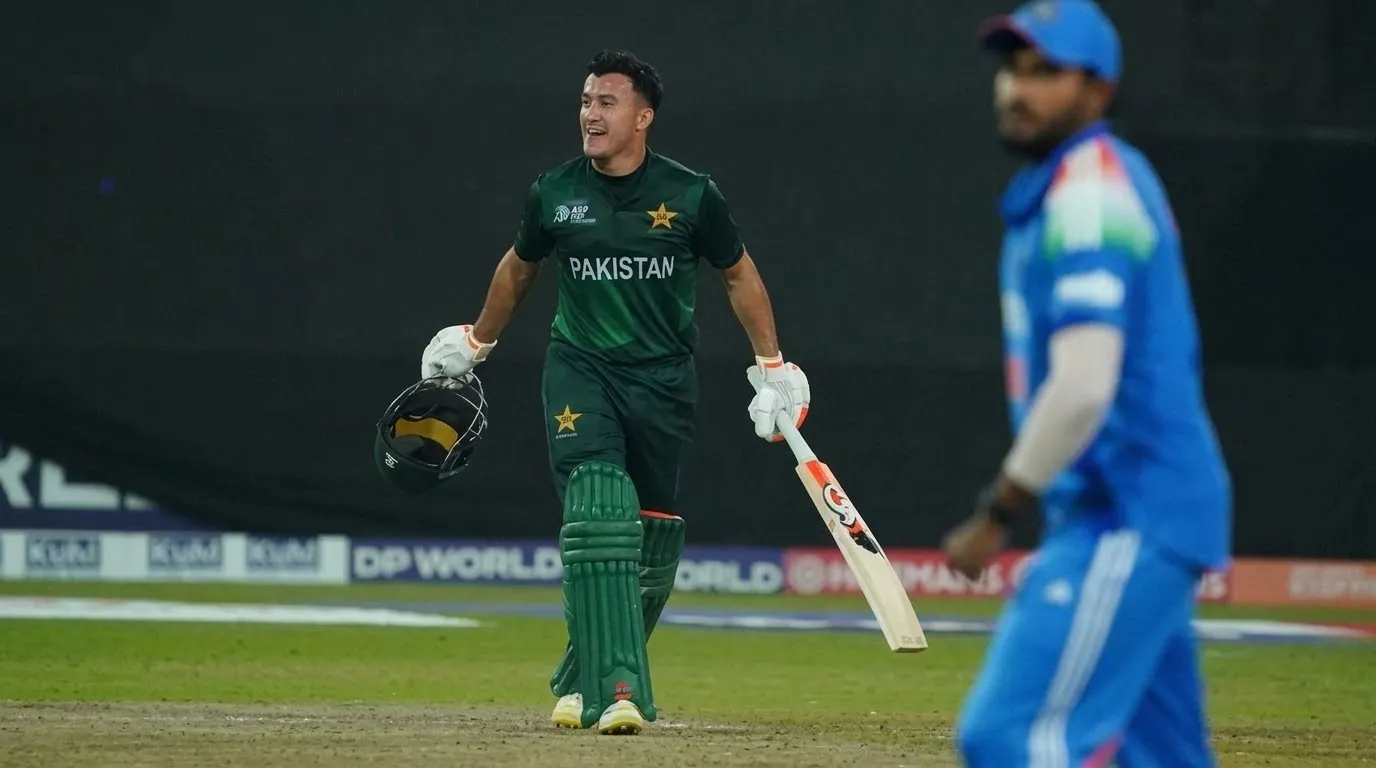
Pakistan Shaheens have been placed in Group B alongside India A, Nepal and the United Arab Emirates. They will begin their campaign against the UAE on November 20, followed by a highly anticipated meeting with India A on November 22. Their final group-stage fixture against Nepal is scheduled for November 24.
The tournament will feature eight teams divided into two groups. Group A consists of Afghanistan A, Bangladesh A, Hong Kong China and Sri Lanka A. The top two sides from each group will qualify for the semi-finals, scheduled for November 26 and 27, ahead of the final on November 29. Pakistan won the previous 50-over edition in 2023 after defeating India A by 128 runs.
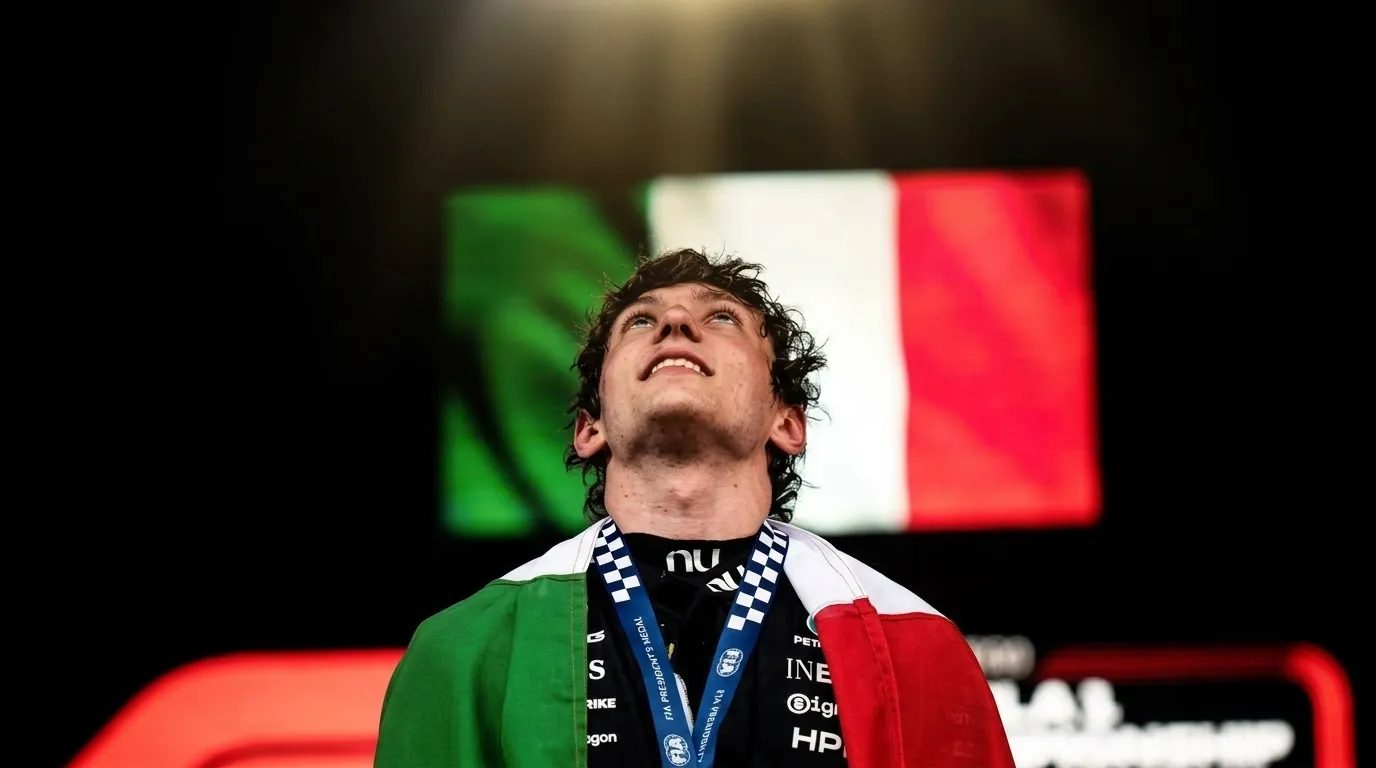
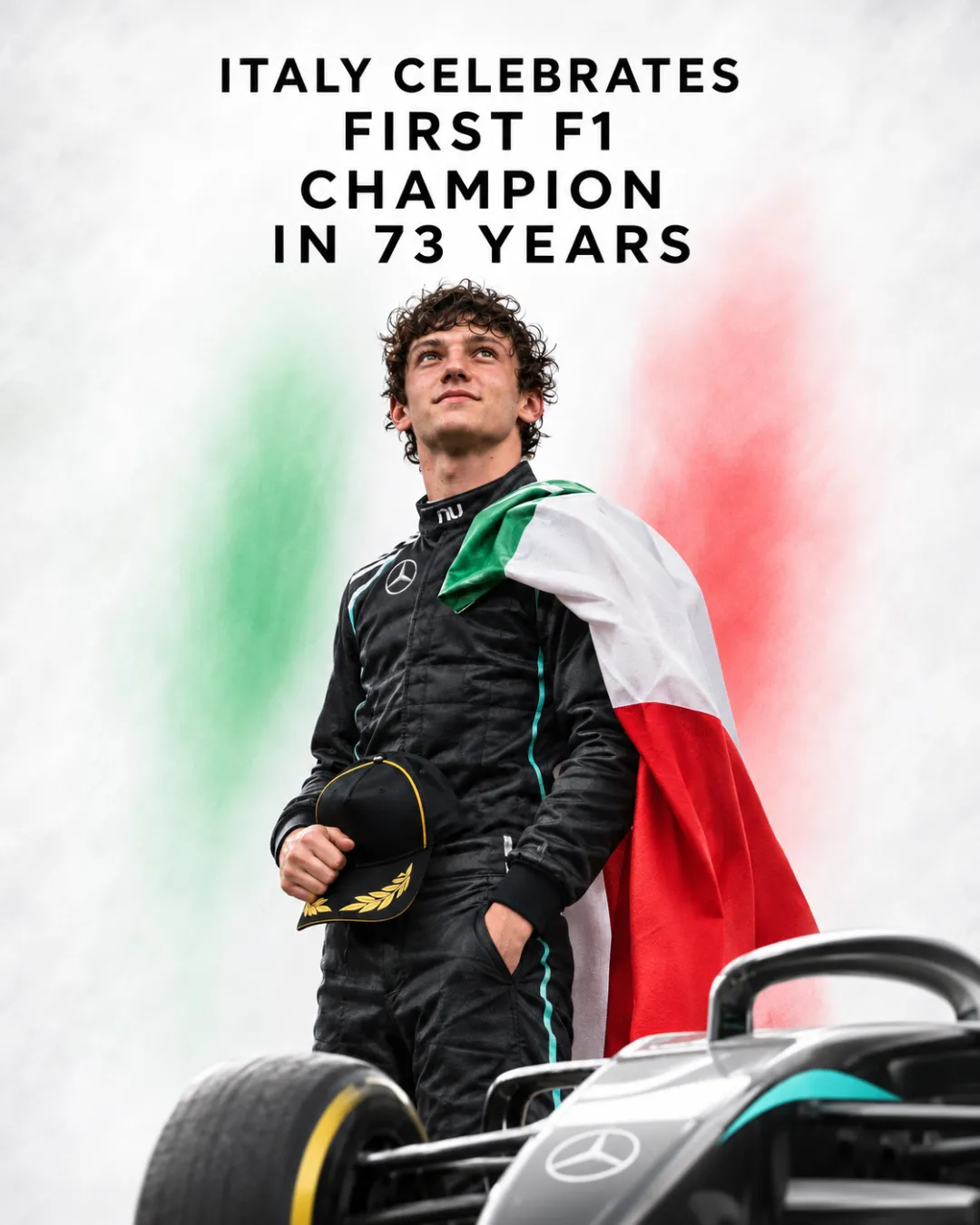
Italian racing driver Kimi Antonelli has made Formula 1 history by becoming the youngest-ever world champion at just 20 years old. The Mercedes driver secured his maiden Drivers' Championship at the Mexico City Grand Prix on November 1, 2026, ending Italy's 73-year wait for another world title.
Antonelli finished third in the race, behind Max Verstappen and Lewis Hamilton. The podium result was enough to secure the championship, regardless of how his closest competitors performed.
At 20 years and 68 days, Antonelli broke Sebastian Vettel's longstanding record, which had stood since 2010. Vettel was 23 years old when he won his first Formula 1 championship.
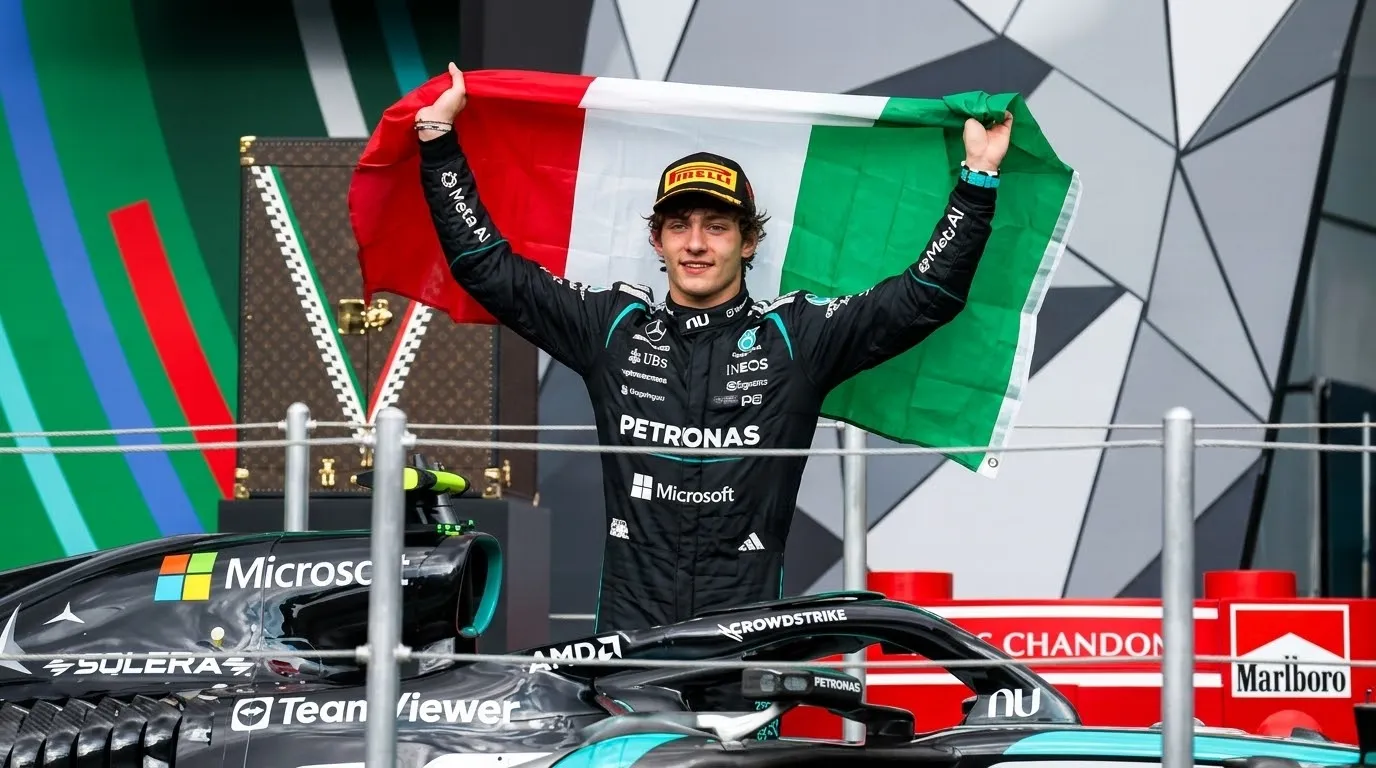
Antonelli's achievement carries special significance for Italy, which had not produced a Formula 1 world champion since Alberto Ascari secured his second consecutive title in 1953. He became only the third Italian driver to win the championship, following Giuseppe Farina in 1950 and Ascari in 1952 and 1953.
Despite Italy's deep-rooted passion for motorsport and its historic association with Ferrari, the country had waited more than seven decades for another homegrown world champion.
His victory has brought renewed attention to Italian motorsport and given a new generation of racing fans a champion to celebrate.
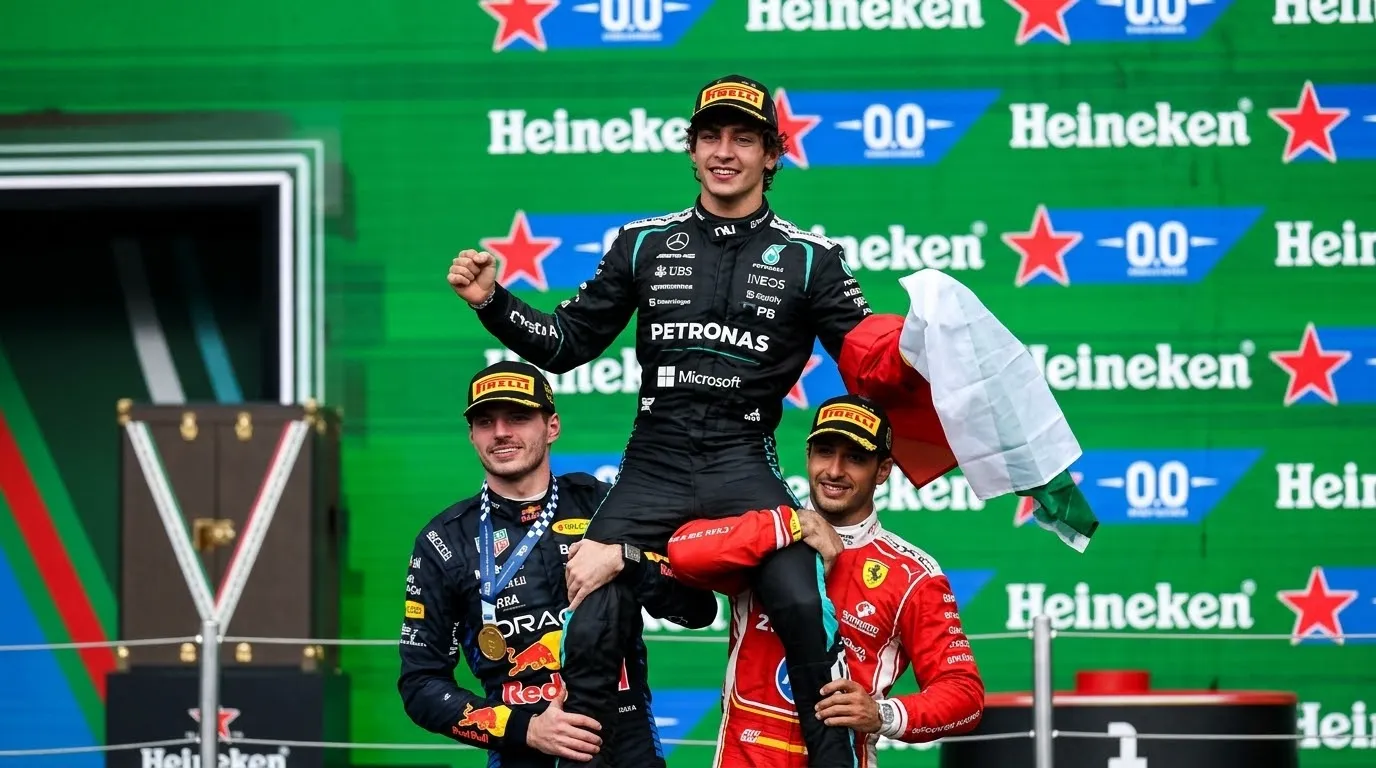
Born in Bologna, Italy, on August 25, 2006, Antonelli joined Mercedes' Formula 1 team in 2025 after Lewis Hamilton's departure to Ferrari.
At just 18, he stepped into one of the sport's most demanding seats and began competing against experienced international drivers.
His development continued throughout the 2026 season, with victories and record-breaking performances establishing him as a leading championship contender. His success in Mexico ultimately confirmed his place in Formula 1 history.
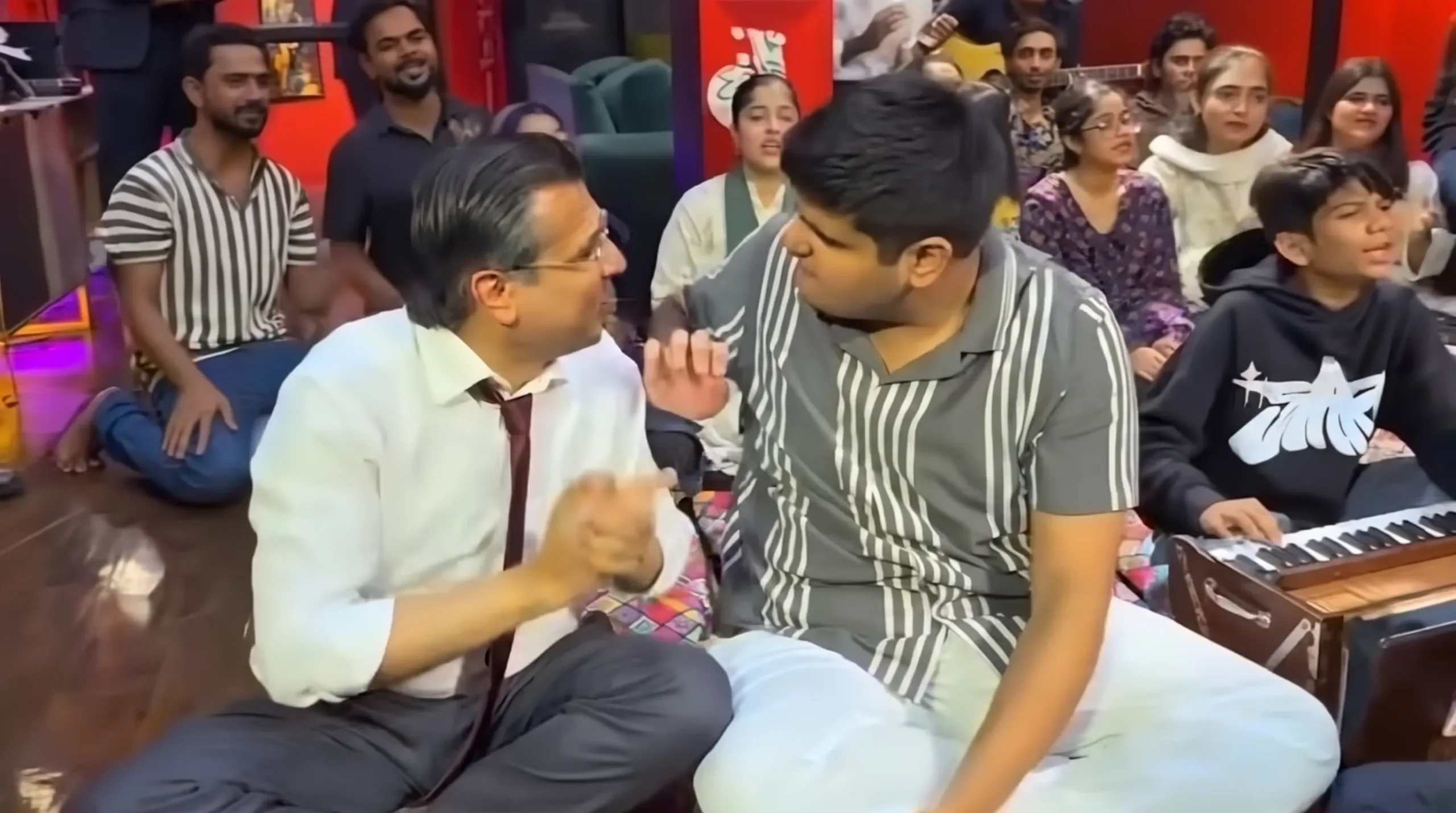
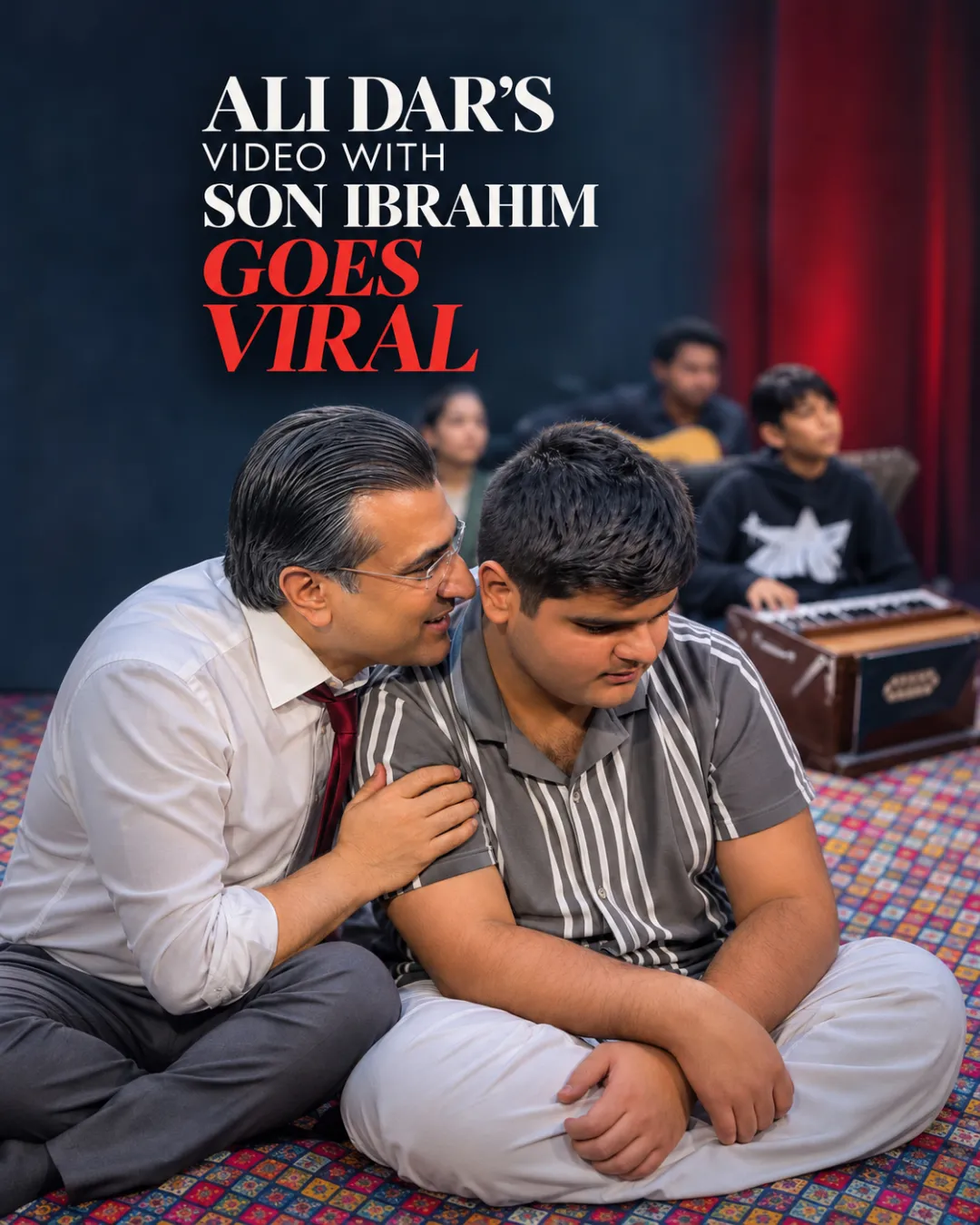
Ali Mustafa Dar, adviser to Punjab Chief Minister Maryam Nawaz, has drawn attention on social media after sharing a heartwarming video with his son Ibrahim at Lahore's Surtaal Music Academy. The video captures the father and son spending time with young musicians during a live musical gathering.
Ibrahim, who is autistic, can be seen sitting alongside children performing traditional music on harmoniums and singing together. Ali is also seen comforting his son with affectionate hugs and kisses.
Sharing the experience, Ali described the academy as a small studio with an enormous heart, adding that Pakistan still has considerable musical talent waiting to be discovered.
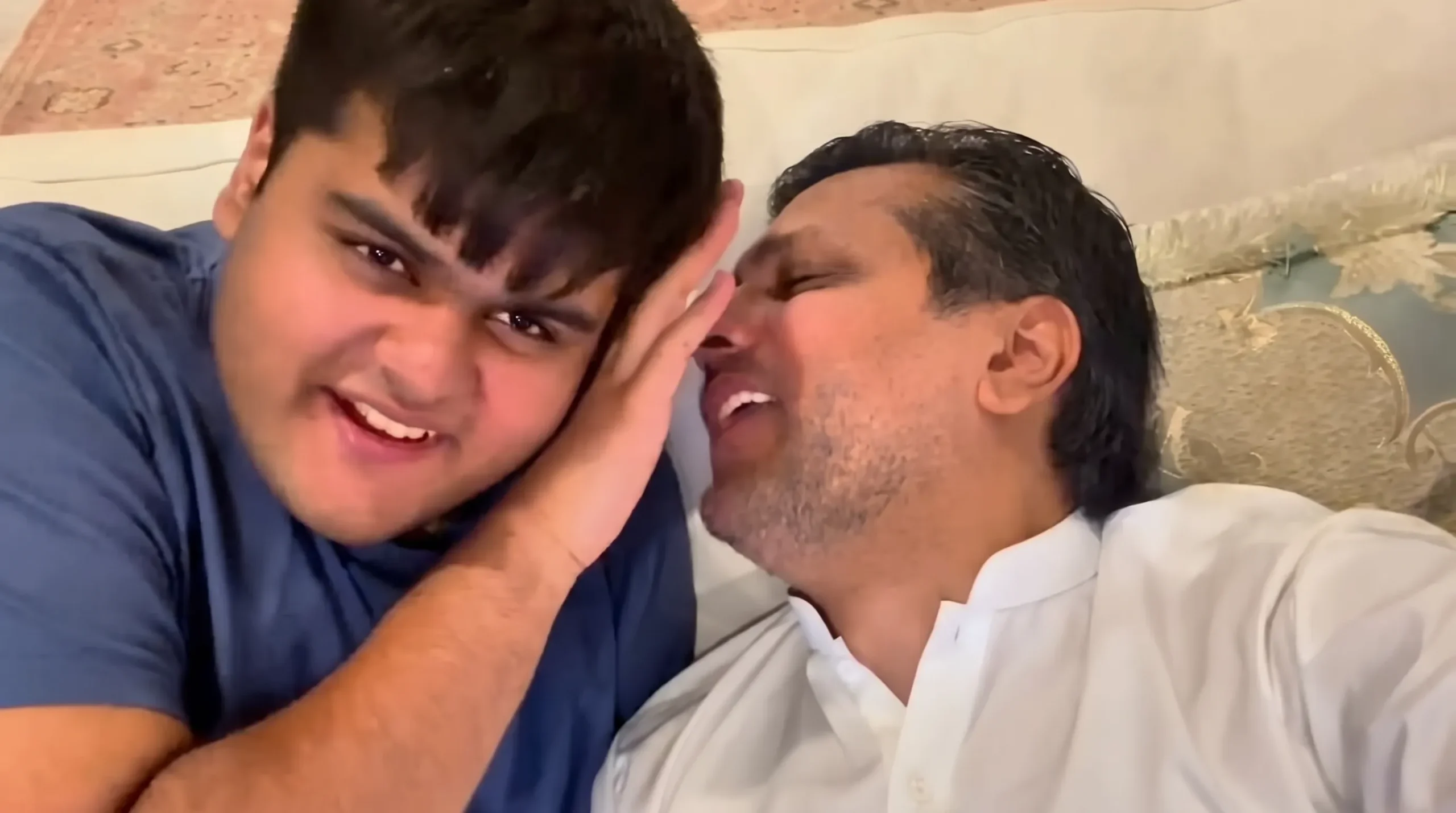
The video received an affectionate response from several Pakistani celebrities, who appreciated the warmth of the father-son interaction. Actor Mikaal Zulfiqar described the moment as cute, while television host Juggan Kazim called it amazing and praised Ali as a true man of the people.
Television presenter Madeha Naqvi also reacted to the footage, describing it as wholesome. Actor Momin Saqib responded with heart emojis, while Zara Noor Abbas also showed appreciation for the video.
Beyond the celebrity reactions, the moment has drawn attention to the importance of acceptance, affection and inclusion for children with different abilities.
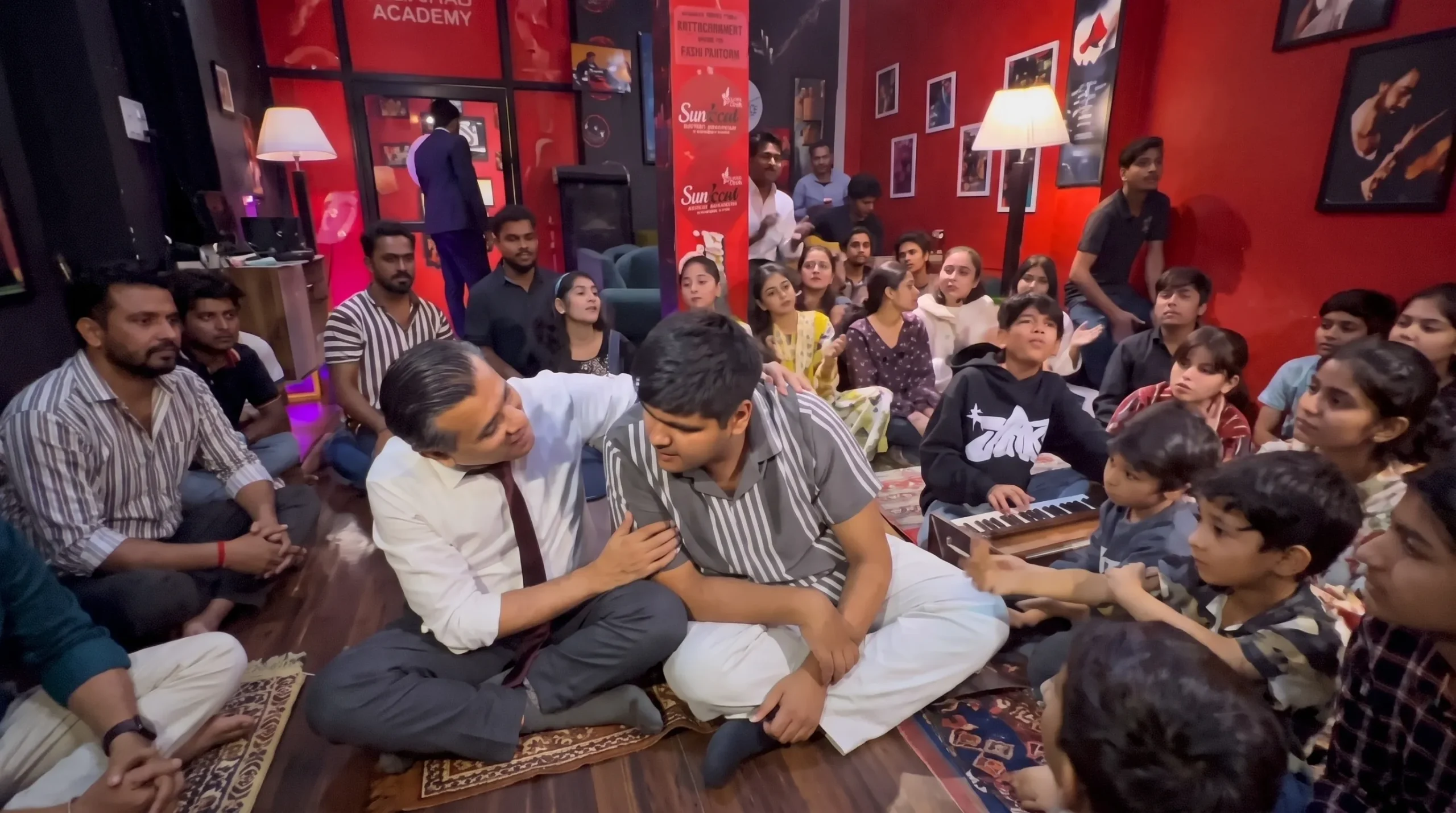
Founded in 2019 by musicologist Zia Ul Haq, Surtaal Music Academy works to make structured music education accessible to children from underprivileged backgrounds. Its programmes include classical music, ghazals, traditional singing and contemporary genres, alongside training in different musical instruments.
The academy has also developed a reputation for nurturing young performers, with its students earning more than 20 national awards and making over 100 television appearances. Its partnership with the Playing For Change Foundation has further supported its efforts to expand music education and mentorship opportunities.

Jump in, have fun and save your progress by signing in!

 Save Progress
Never lose it
 Daily Rewards
Collect free coins
 Leaderboards
Compete & rank up
Already have an account? Log in
By continuing you agree to our Terms and Privacy Policy.