Mohsin Naqvi Urges Business Leaders to Help Shape Pakistan’s Future
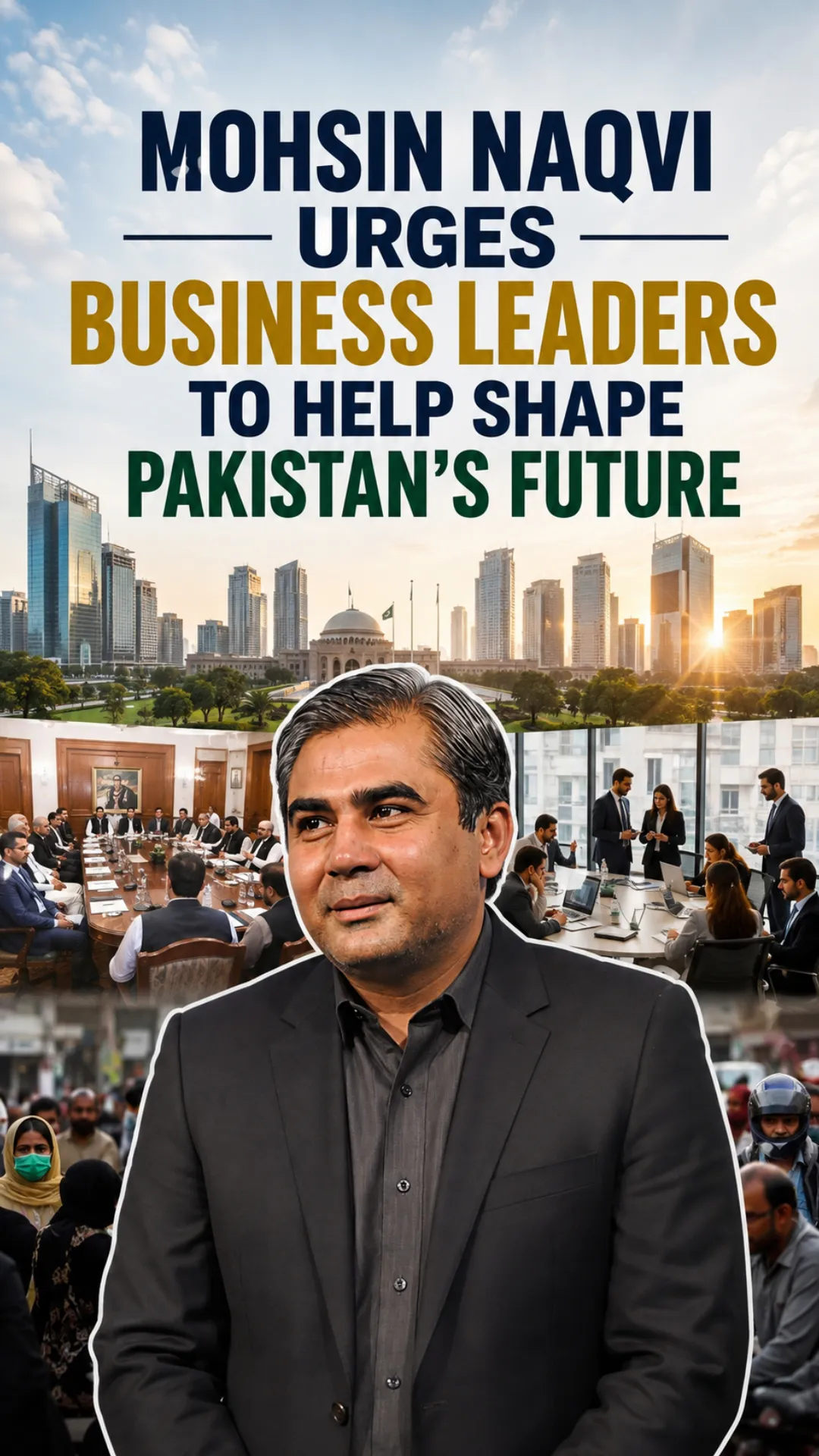

Addressing the Pakistan Economic Summit 2026, Interior Minister Mohsin Naqvi called on Pakistan's business community to play a greater role in shaping the country's future.
He encouraged entrepreneurs, industrialists, investors, and corporate leaders to become active partners in national development by contributing ideas, expertise, and practical long-term solutions that can strengthen the economy.
Naqvi said Pakistan's economic challenges require close collaboration between the public and private sectors rather than isolated efforts.

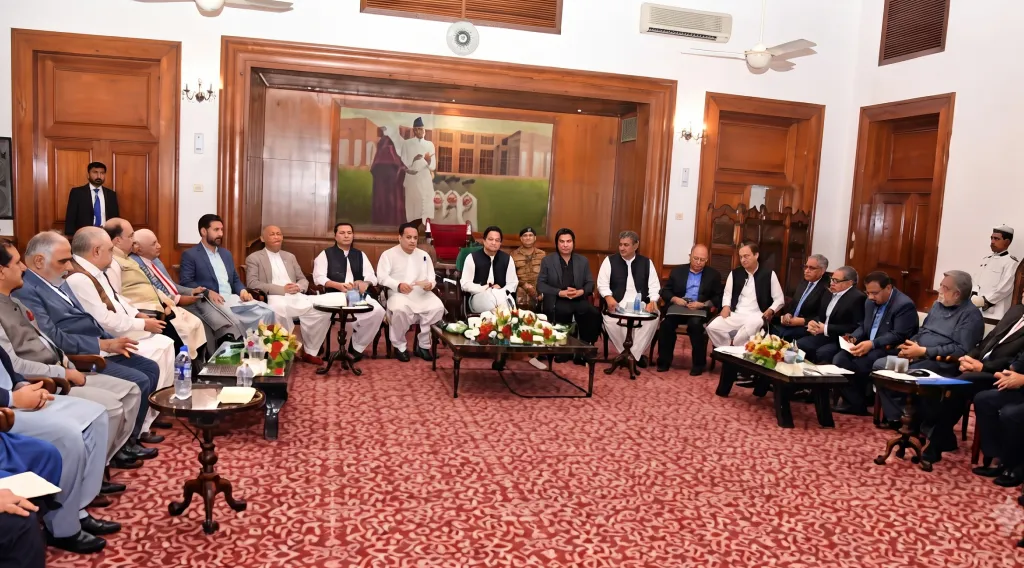
Mohsin Naqvi encouraged business leaders to move beyond supporting political campaigns and instead contribute directly to policymaking and economic planning.
He said the private sector possesses valuable experience that can help shape practical, business-friendly solutions for Pakistan's future and improve the country's overall competitiveness.
According to Naqvi, entrepreneurs understand the challenges of investment, employment, exports, taxation, and innovation better than most.
Their insights, he said, should become part of national decision-making to create policies that encourage industrial growth, strengthen investor confidence, and support long-term economic stability.

Naqvi highlighted the private sector's vital role in creating employment opportunities, attracting domestic and foreign investment, increasing exports, and promoting innovation across industries.
He noted that businesses have the ability to strengthen Pakistan's economy by expanding production, supporting entrepreneurship, and developing a highly skilled workforce for the future.
He stressed that government and industry should work together to remove barriers that limit investment, productivity, and business expansion. Strong collaboration, he said, will unlock Pakistan's economic potential while creating better opportunities for young professionals, entrepreneurs, and future generations.
Concluding his remarks, Mohsin Naqvi said Pakistan's future depends on meaningful cooperation between government, businesses, academia, and civil society.
He encouraged every sector to contribute toward building a stronger economy through innovation, investment, responsible leadership, and long-term planning that benefits future generations.
He expressed confidence that Pakistan has the talent, entrepreneurial spirit, natural resources, and human capital needed to achieve sustainable growth when all stakeholders work together with a shared purpose.
Addressing the Pakistan Economic Summit 2026, Interior Minister Mohsin Naqvi called on Pakistan’s business community to play a greater role in shaping the country’s future.
Addressing the Pakistan Economic Summit 2026, Interior Minister Mohsin Naqvi called on Pakistan's business community to play a greater role in shaping the country's future.
He encouraged entrepreneurs, industrialists, investors, and corporate leaders to become active partners in national development by contributing ideas, expertise, and practical long-term solutions that can strengthen the economy.
Naqvi said Pakistan's economic challenges require close collaboration between the public and private sectors rather than isolated efforts.
Mohsin Naqvi encouraged business leaders to move beyond supporting political campaigns and instead contribute directly to policymaking and economic planning.
He said the private sector possesses valuable experience that can help shape practical, business-friendly solutions for Pakistan's future and improve the country's overall competitiveness.
According to Naqvi, entrepreneurs understand the challenges of investment, employment, exports, taxation, and innovation better than most.
Their insights, he said, should become part of national decision-making to create policies that encourage industrial growth, strengthen investor confidence, and support long-term economic stability.
Naqvi highlighted the private sector's vital role in creating employment opportunities, attracting domestic and foreign investment, increasing exports, and promoting innovation across industries.
He noted that businesses have the ability to strengthen Pakistan's economy by expanding production, supporting entrepreneurship, and developing a highly skilled workforce for the future.
He stressed that government and industry should work together to remove barriers that limit investment, productivity, and business expansion. Strong collaboration, he said, will unlock Pakistan's economic potential while creating better opportunities for young professionals, entrepreneurs, and future generations.
Concluding his remarks, Mohsin Naqvi said Pakistan's future depends on meaningful cooperation between government, businesses, academia, and civil society.
He encouraged every sector to contribute toward building a stronger economy through innovation, investment, responsible leadership, and long-term planning that benefits future generations.
He expressed confidence that Pakistan has the talent, entrepreneurial spirit, natural resources, and human capital needed to achieve sustainable growth when all stakeholders work together with a shared purpose.



