Meet Layla Banaras, Pakistan’s Award-Winning Football Star
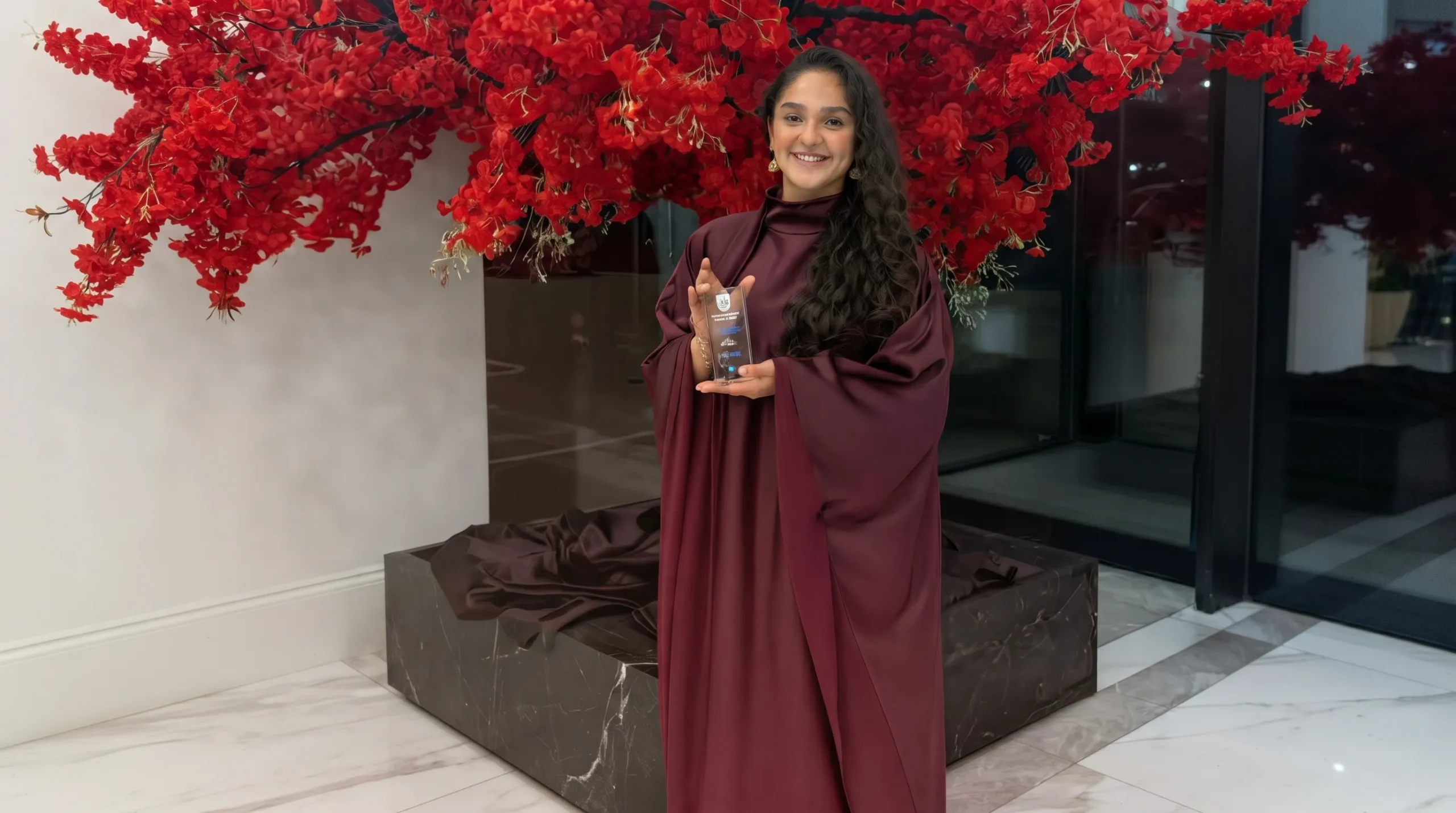
Pakistani footballer Layla Banaras has won the Female Elite Sports Athlete of the Year award at the Muslim Sports Awards 2026, held in Birmingham on November 11.
The 20-year-old midfielder, who plays for Lewes FC Women in England and represents Pakistan internationally, continues to make her mark in women's football. The latest honour adds to an impressive year for the young athlete, who has already received recognition at the Asian Football Awards in London.
Her achievement highlights the growing presence of Pakistani women in international sport and brings attention to a new generation of footballing talent.

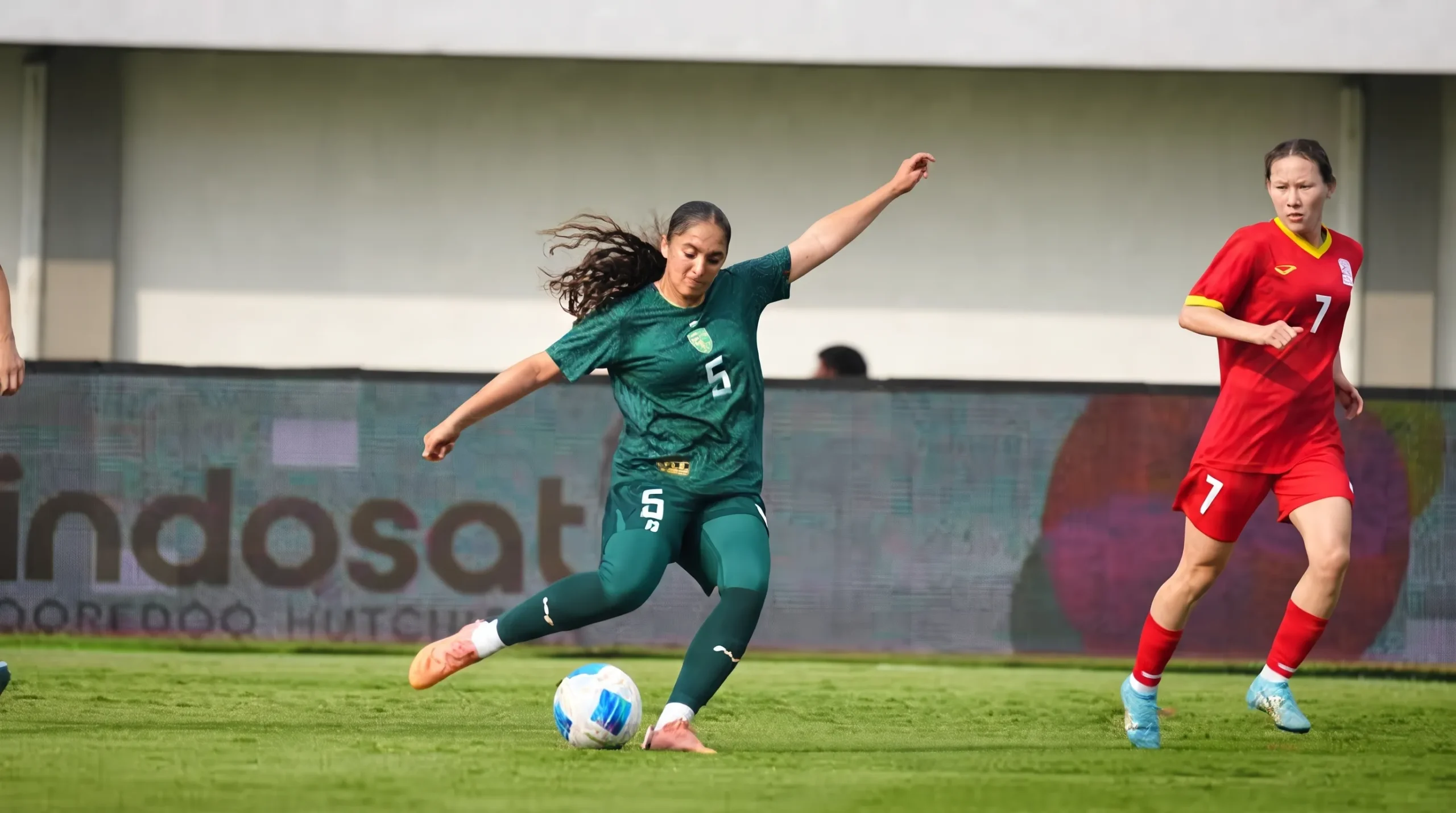
Born in Birmingham in 2006, Layla began her football journey at just eight years old when she joined Birmingham City. At 16, she became the first woman of South Asian heritage to represent the club in its professional era.
She signed with Lewes FC in 2025 and made her senior debut for Pakistan the same year, featuring in the AFC Women's Asian Cup qualifiers in Jakarta.
One of her notable international performances came in April 2026, when she scored twice in Pakistan's 8–0 victory over Turks and Caicos at the FIFA Series in Abidjan.

Layla's contribution to sport extends beyond her performances on the football pitch. At just 12, she began developing a Ramadan nutrition guide and meal planner with Birmingham City club nutritionist Isobel Cotham and the Professional Footballers' Association.
The resource was designed to help Muslim athletes manage training and nutrition while fasting. It has since been shared across different sports, helping athletes find practical ways to balance their religious practices with professional sporting commitments.
Her initiative reflects how young athletes can also become advocates for greater inclusion and accessibility in sport.
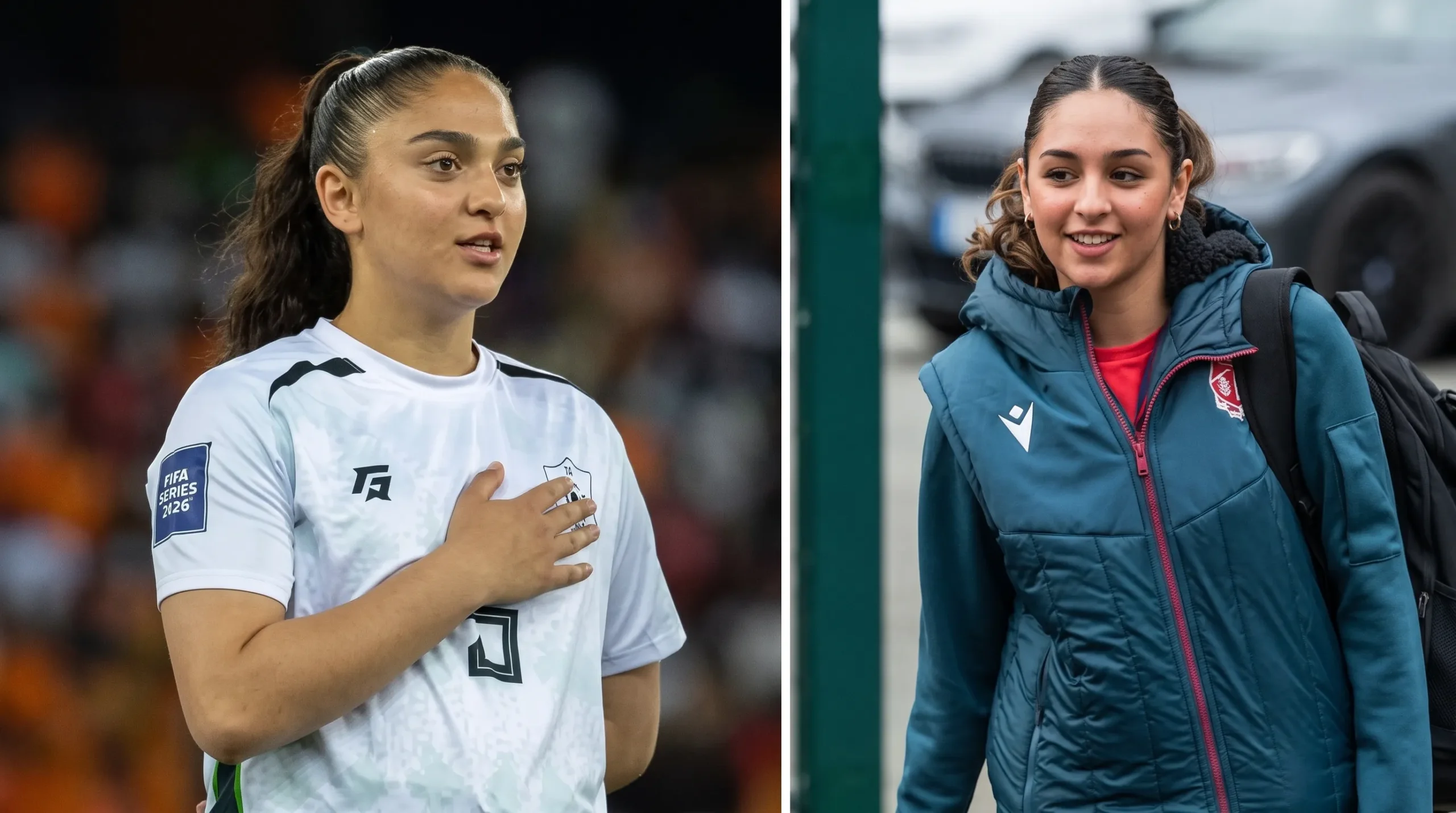
Layla's growing achievements carry significance beyond individual awards. As a Pakistani international competing in English women's football, she represents a pathway that many young girls may not have previously considered accessible.
Her journey also highlights the importance of visibility for South Asian and Muslim women in professional sport. When young girls see athletes with similar backgrounds competing internationally, it becomes easier to imagine themselves pursuing the same ambitions.
Pakistani footballer Layla Banaras has won the Female Elite Sports Athlete of the Year award at the Muslim Sports Awards 2026, held in Birmingham on November 11.
Pakistani footballer Layla Banaras has won the Female Elite Sports Athlete of the Year award at the Muslim Sports Awards 2026, held in Birmingham on November 11.
The 20-year-old midfielder, who plays for Lewes FC Women in England and represents Pakistan internationally, continues to make her mark in women's football. The latest honour adds to an impressive year for the young athlete, who has already received recognition at the Asian Football Awards in London.
Her achievement highlights the growing presence of Pakistani women in international sport and brings attention to a new generation of footballing talent.
Born in Birmingham in 2006, Layla began her football journey at just eight years old when she joined Birmingham City. At 16, she became the first woman of South Asian heritage to represent the club in its professional era.
She signed with Lewes FC in 2025 and made her senior debut for Pakistan the same year, featuring in the AFC Women's Asian Cup qualifiers in Jakarta.
One of her notable international performances came in April 2026, when she scored twice in Pakistan's 8–0 victory over Turks and Caicos at the FIFA Series in Abidjan.
Layla's contribution to sport extends beyond her performances on the football pitch. At just 12, she began developing a Ramadan nutrition guide and meal planner with Birmingham City club nutritionist Isobel Cotham and the Professional Footballers' Association.
The resource was designed to help Muslim athletes manage training and nutrition while fasting. It has since been shared across different sports, helping athletes find practical ways to balance their religious practices with professional sporting commitments.
Her initiative reflects how young athletes can also become advocates for greater inclusion and accessibility in sport.
Layla's growing achievements carry significance beyond individual awards. As a Pakistani international competing in English women's football, she represents a pathway that many young girls may not have previously considered accessible.
Her journey also highlights the importance of visibility for South Asian and Muslim women in professional sport. When young girls see athletes with similar backgrounds competing internationally, it becomes easier to imagine themselves pursuing the same ambitions.



