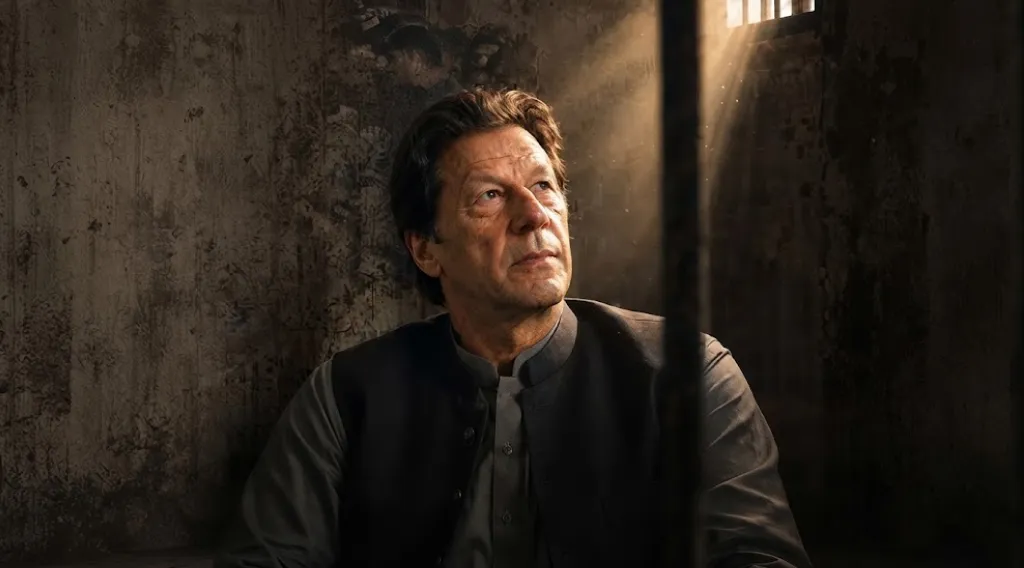
For nearly three years, Imran Khan has remained imprisoned, separated from his family while continuing to fight a series of legal battles.
His supporters have repeatedly raised concerns about his health, prison conditions and limited access to relatives. His absence has not removed him from Pakistan’s political landscape.
The 2024 general election demonstrated the strength of his support, with PTI backed candidates securing the largest share of directly elected National Assembly seats.

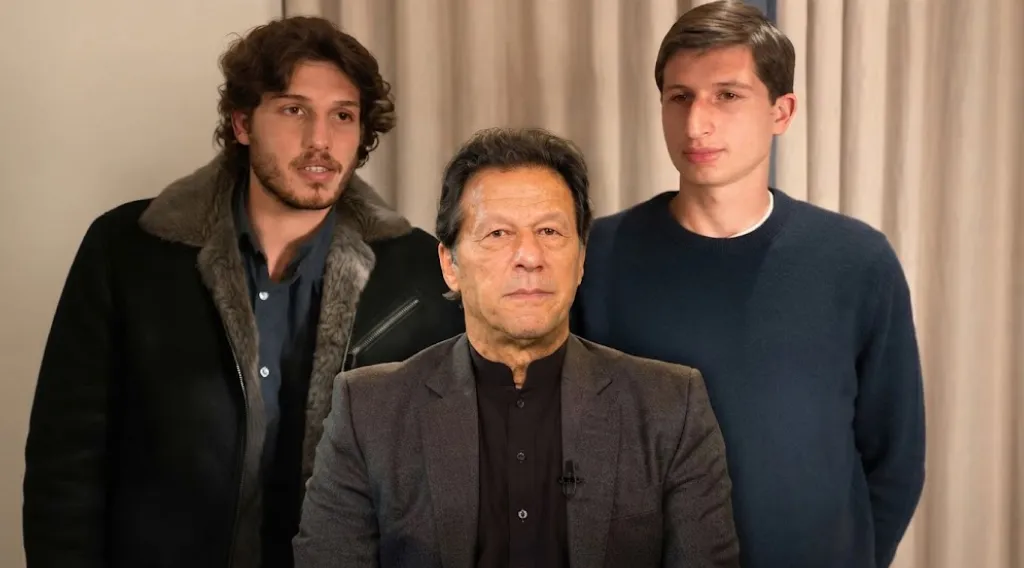
While Khan has remained behind bars in Pakistan, his sons Sulaiman Khan and Kasim Khan have spent years campaigning from abroad for greater access to their father and raising concerns about his health.
The brothers have repeatedly called for their father to receive proper medical care and have urged international attention toward his imprisonment.
Their struggle has been particularly difficult because they have been unable to maintain the ordinary relationship that most children have with a parent.
Their public appeals have kept Khan’s personal situation in the international spotlight.
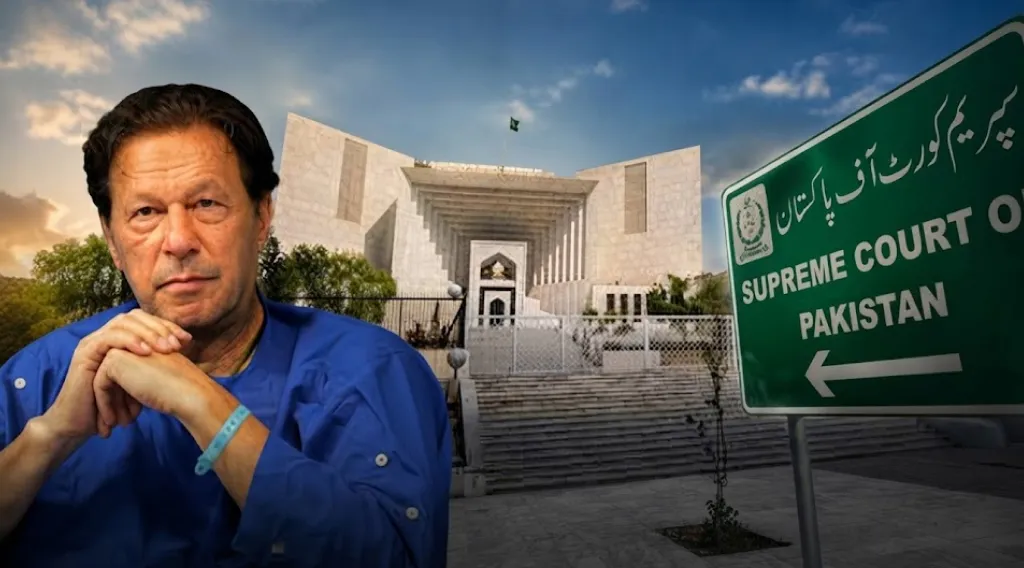
The Supreme Court’s decision gives Khan’s family something they have repeatedly sought: regular access to him and greater clarity about his health.
The court ordered weekly meetings with family members and telephone conversations with his sons.
The directions are particularly significant for Sulaiman and Kasim, who have spent years separated from their father while publicly advocating for his wellbeing.
The court has also ordered a medical board at Shifa International Hospital to assess Khan’s condition.
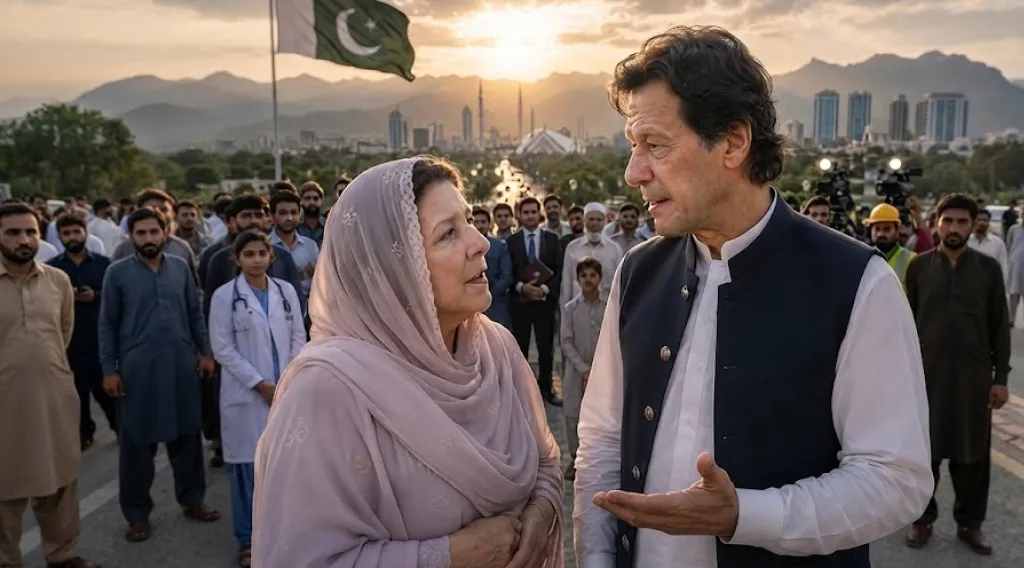
The significance of the order became visible when Noreen Niazi, Khan’s sister, was allowed to meet him at Adiala Jail. The meeting was reported as his first confirmed family visit this year after months of restrictions surrounding access.
Noreen was expected to brief Khan about the Supreme Court’s directions concerning his medical examination and possible treatment at Shifa.
The meeting also allowed the family to hear directly about his condition. Her visit came as other family members and PTI supporters faced restrictions outside the prison.
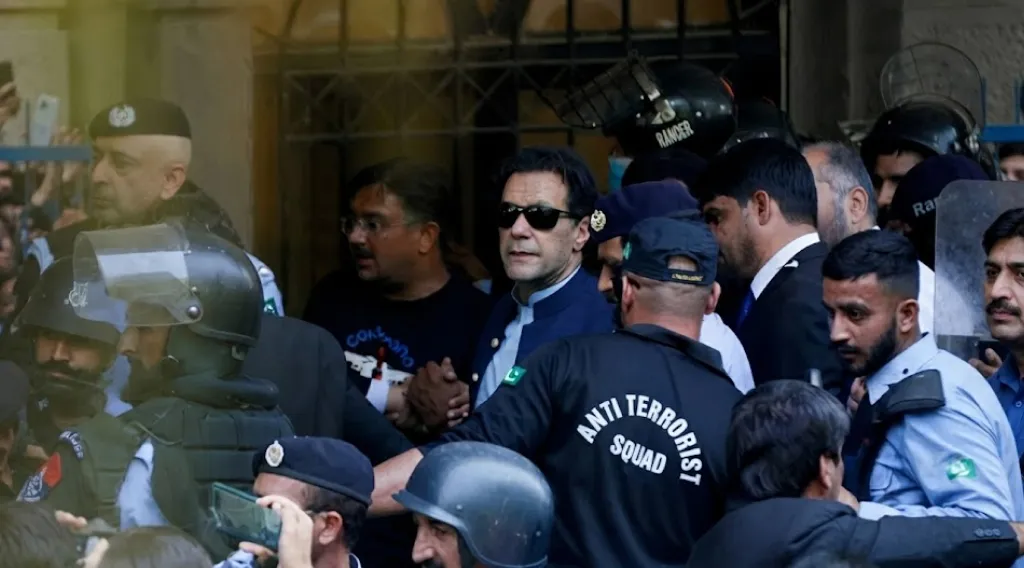
The Supreme Court decision should not be confused with Khan’s release. He remains imprisoned, and the order does not overturn his convictions or suspend his sentence.
The government has also challenged the hospital decision, arguing that requiring treatment at a private facility raises legal questions. Officials have maintained that Khan should receive necessary medical treatment while disputing aspects of the court’s directions.
But the ruling still carries major significance. It places Khan’s health under a more formal judicially supervised process while expanding his contact with family.
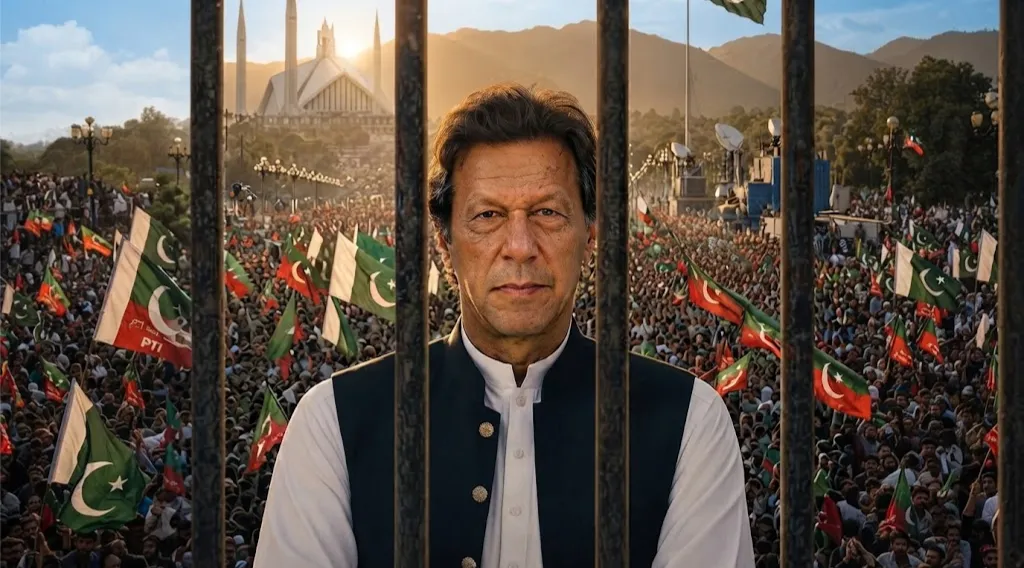
Khan’s political movement has survived his physical absence. PTI backed candidates performed strongly in the 2024 general election, demonstrating that his support base remained active despite his imprisonment and the political challenges faced by his party.
The latest development could give that movement renewed momentum. If Khan receives regular medical care, family contact and communication with his sons, he may be able to remain more closely connected with the people and political developments outside prison.
For PTI, the challenge will be turning renewed attention into a disciplined political strategy.
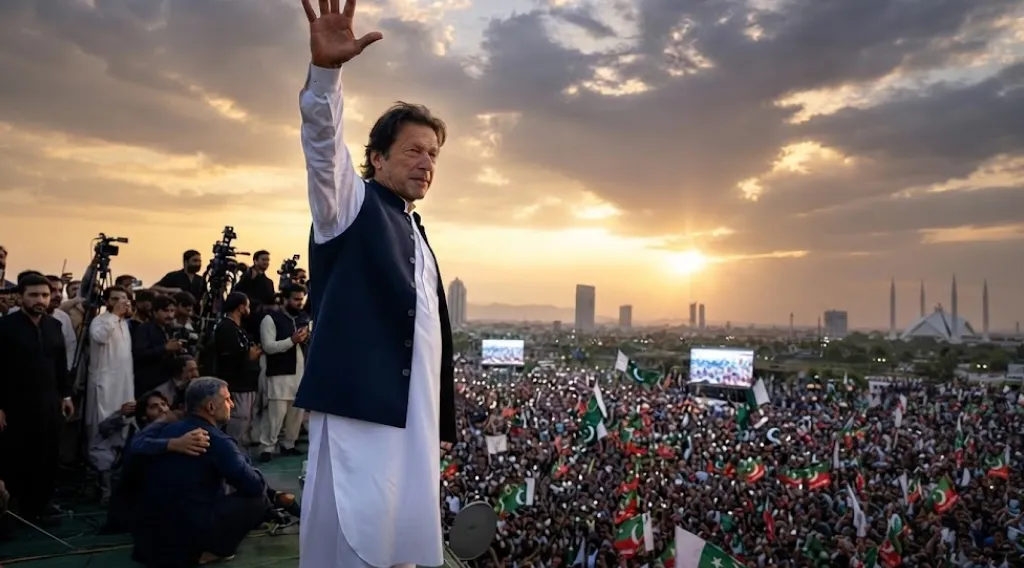
Khan is back does not mean he has walked out of prison. It means the wall separating him from his family, doctors and political movement has begun to open.
For his sons, who have spent years publicly fighting for their father from abroad, regular communication could finally restore a connection that imprisonment has severely disrupted.
For his supporters, the medical ruling provides a new point of momentum. Khan’s legal battles are far from over, and the government is challenging the hospital order.
For nearly three years, Imran Khan has remained imprisoned, separated from his family while continuing to fight a series of legal battles.
For nearly three years, Imran Khan has remained imprisoned, separated from his family while continuing to fight a series of legal battles.
His supporters have repeatedly raised concerns about his health, prison conditions and limited access to relatives. His absence has not removed him from Pakistan’s political landscape.
The 2024 general election demonstrated the strength of his support, with PTI backed candidates securing the largest share of directly elected National Assembly seats.
While Khan has remained behind bars in Pakistan, his sons Sulaiman Khan and Kasim Khan have spent years campaigning from abroad for greater access to their father and raising concerns about his health.
The brothers have repeatedly called for their father to receive proper medical care and have urged international attention toward his imprisonment.
Their struggle has been particularly difficult because they have been unable to maintain the ordinary relationship that most children have with a parent.
Their public appeals have kept Khan’s personal situation in the international spotlight.
The Supreme Court’s decision gives Khan’s family something they have repeatedly sought: regular access to him and greater clarity about his health.
The court ordered weekly meetings with family members and telephone conversations with his sons.
The directions are particularly significant for Sulaiman and Kasim, who have spent years separated from their father while publicly advocating for his wellbeing.
The court has also ordered a medical board at Shifa International Hospital to assess Khan’s condition.
The significance of the order became visible when Noreen Niazi, Khan’s sister, was allowed to meet him at Adiala Jail. The meeting was reported as his first confirmed family visit this year after months of restrictions surrounding access.
Noreen was expected to brief Khan about the Supreme Court’s directions concerning his medical examination and possible treatment at Shifa.
The meeting also allowed the family to hear directly about his condition. Her visit came as other family members and PTI supporters faced restrictions outside the prison.
The Supreme Court decision should not be confused with Khan’s release. He remains imprisoned, and the order does not overturn his convictions or suspend his sentence.
The government has also challenged the hospital decision, arguing that requiring treatment at a private facility raises legal questions. Officials have maintained that Khan should receive necessary medical treatment while disputing aspects of the court’s directions.
But the ruling still carries major significance. It places Khan’s health under a more formal judicially supervised process while expanding his contact with family.
Khan’s political movement has survived his physical absence. PTI backed candidates performed strongly in the 2024 general election, demonstrating that his support base remained active despite his imprisonment and the political challenges faced by his party.
The latest development could give that movement renewed momentum. If Khan receives regular medical care, family contact and communication with his sons, he may be able to remain more closely connected with the people and political developments outside prison.
For PTI, the challenge will be turning renewed attention into a disciplined political strategy.
Khan is back does not mean he has walked out of prison. It means the wall separating him from his family, doctors and political movement has begun to open.
For his sons, who have spent years publicly fighting for their father from abroad, regular communication could finally restore a connection that imprisonment has severely disrupted.
For his supporters, the medical ruling provides a new point of momentum. Khan’s legal battles are far from over, and the government is challenging the hospital order.



