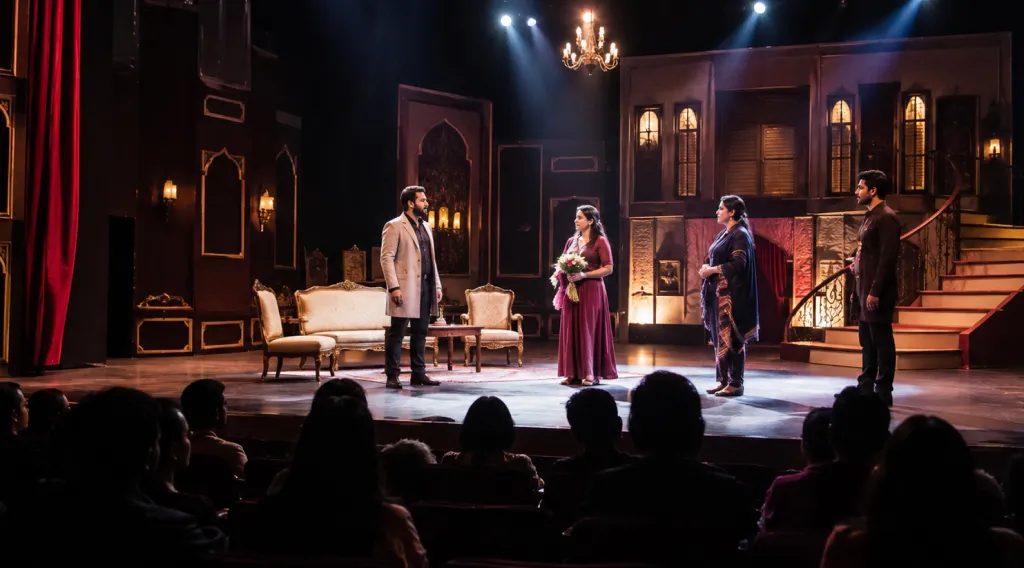
For years, Pakistani theatre struggled to compete with television, cinema and the rapid rise of streaming platforms. But recent productions suggest that audiences are once again showing an appetite for live storytelling and stage performances.
From Karachi and Lahore to Islamabad, established institutions and independent theatre makers are bringing new productions to audiences. Comedy, family entertainment, cultural performances and socially relevant plays are all finding space on the stage.
The renewed activity is being driven by both established names and younger performers.

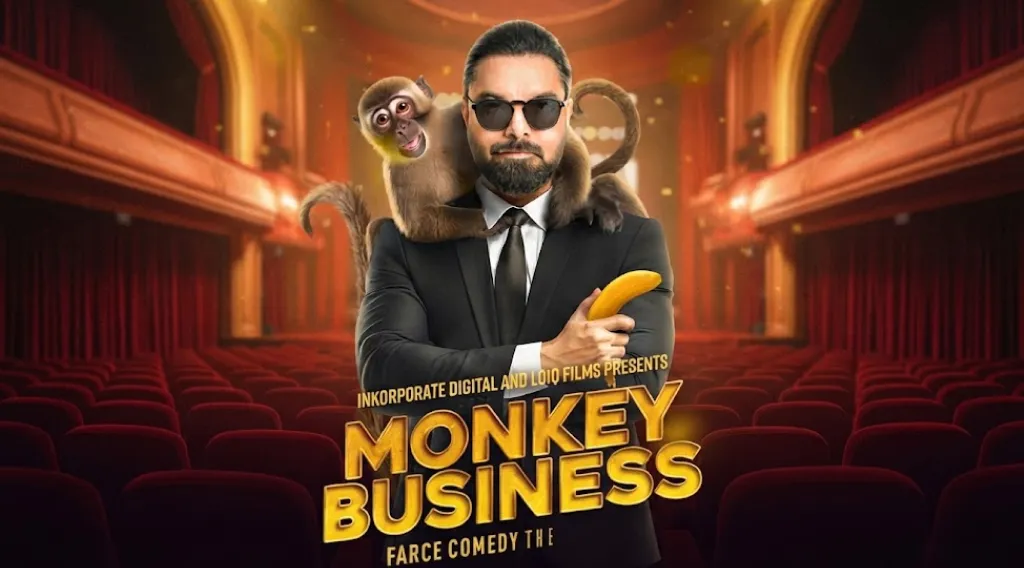
One of the biggest recent theatre successes has been Monkey Business, written, directed and performed by Yasir Hussain. The comedy premiered at the Arts Council of Pakistan Karachi in April 2025 before travelling to other Pakistani cities.
The story follows Wasim, a struggling actor who creates a complicated scheme to receive financial support, setting off a chain of misunderstandings and comic situations.
The production combines farce, satire and the energetic style associated with classic Karachi commercial theatre.
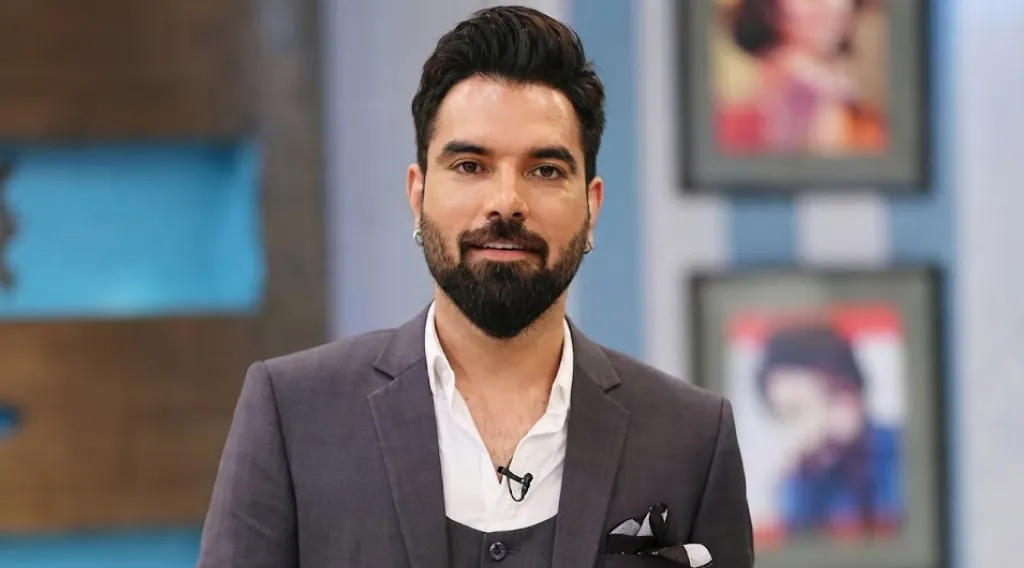
Following the success of Monkey Business, Yasir Hussain is returning to the stage with another comedy titled So Suite.
The new production is being presented in Lahore, with Hussain serving as both its writer and director.
Announced in July 2026, the play is a project of the Punjab Information and Culture Department and is scheduled to premiere at Lahore’s Alhamra Arts Council. Hussain has described it as his most chaotic and spectacular production yet.
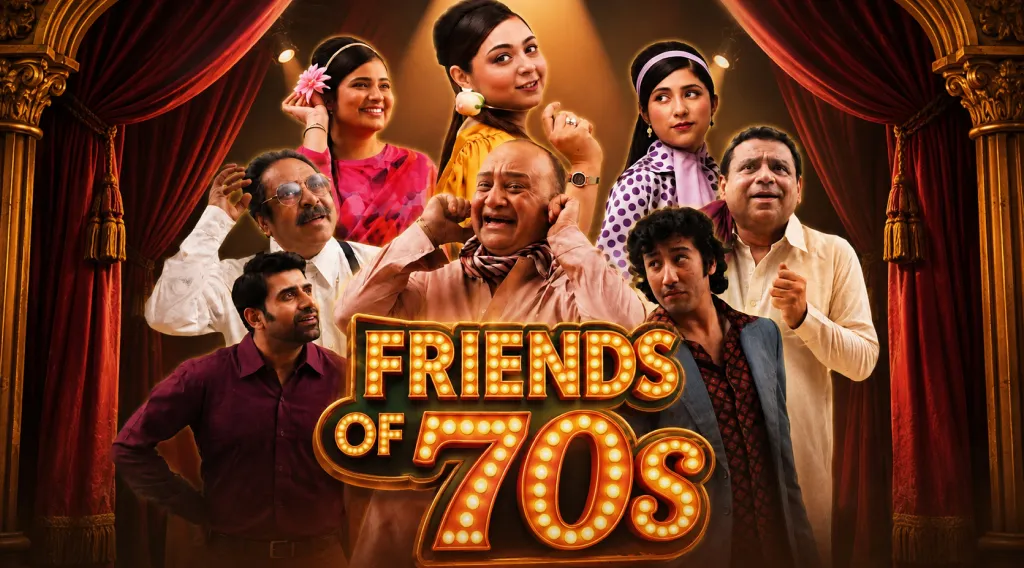
Lahore has also witnessed renewed interest in family friendly theatre, with Friends of the ’70s becoming one of the latest productions to attract audiences at Alhamra.
The production opened in August 2026 to packed performances, sustained laughter and enthusiastic applause.
Its reception demonstrated that audiences continue to value theatre that offers entertainment suitable for families while maintaining a stronger focus on performance and storytelling.
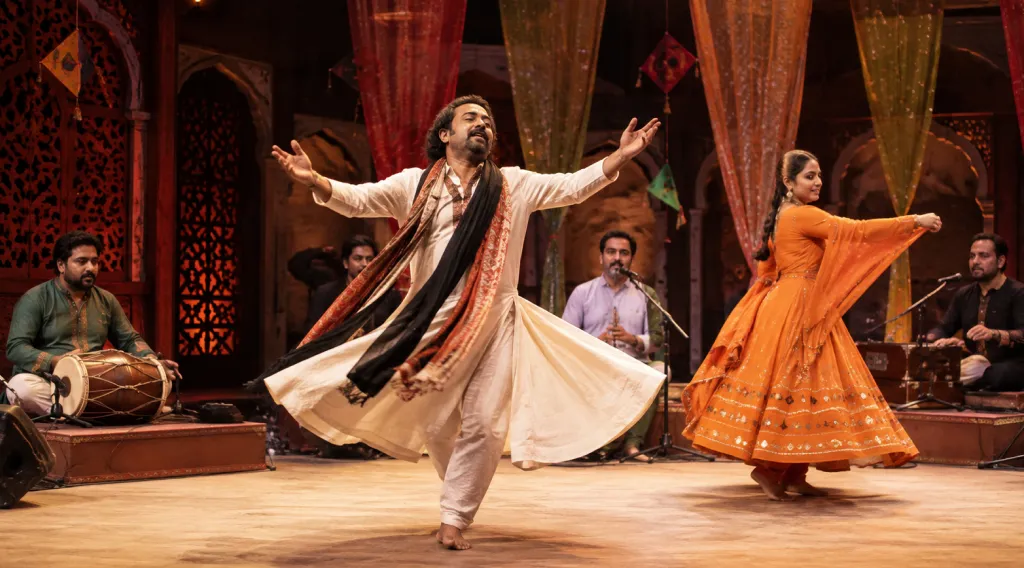
The revival is not limited to comedy. Theatre makers are also returning to Pakistan’s history, literature, music and cultural traditions, creating productions that connect contemporary audiences with the country’s artistic heritage.
Lo Phir Basant Ayee, staged by Ajoka Theatre at Alhamra in February 2026, celebrated the return of Lahore’s Basant tradition.
Meanwhile, Ajoka marked its 42nd anniversary with Bulha, a production centred on the spiritual journey and ideas of Sufi poet Bulleh Shah.
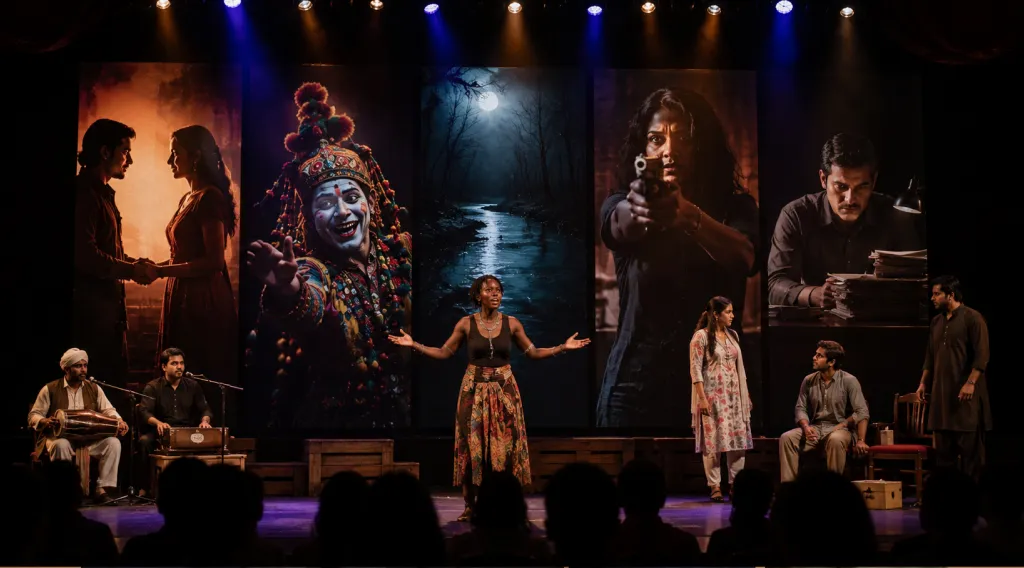
Recent theatre programming also shows a growing variety in the stories being presented.
During the World Culture Festival 2025 at the Arts Council of Pakistan Karachi, audiences watched productions including Mulaqat, Bahrupiya, The Dead River, Don’t Shoot and The Invoice.
The festival also brought international theatre to Pakistani audiences.
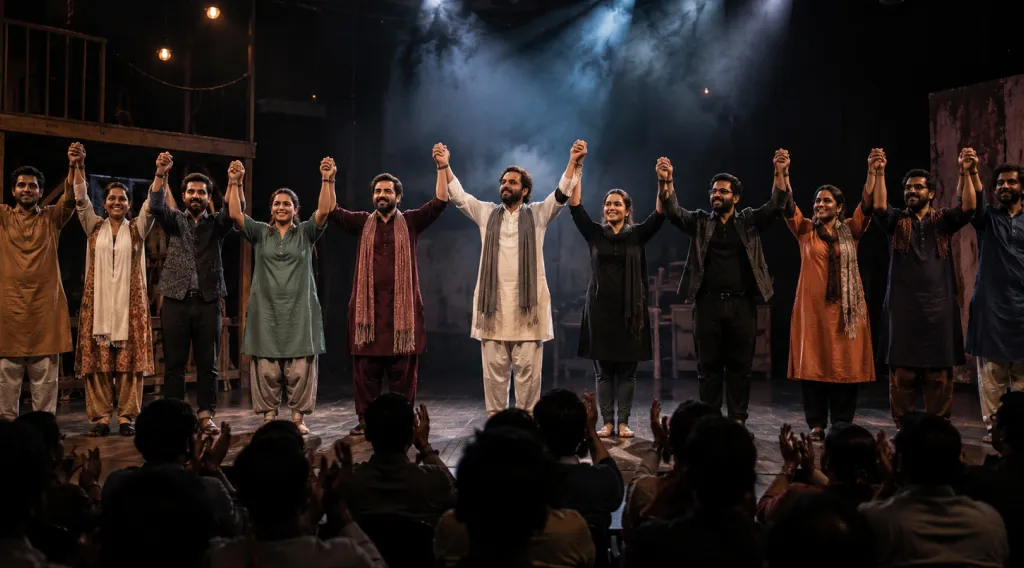
The recent momentum is encouraging, but sustaining a theatre revival will require more than occasional successful productions.
Artists still face challenges including high production costs, limited venues, inconsistent audiences and competition from television and digital entertainment.
Institutions such as Alhamra, NAPA, the Arts Council of Pakistan Karachi and Ajoka Theatre are helping create spaces where performers, writers and directors can continue developing their craft.
For years, Pakistani theatre struggled to compete with television, cinema and the rapid rise of streaming platforms.
For years, Pakistani theatre struggled to compete with television, cinema and the rapid rise of streaming platforms. But recent productions suggest that audiences are once again showing an appetite for live storytelling and stage performances.
From Karachi and Lahore to Islamabad, established institutions and independent theatre makers are bringing new productions to audiences. Comedy, family entertainment, cultural performances and socially relevant plays are all finding space on the stage.
The renewed activity is being driven by both established names and younger performers.
One of the biggest recent theatre successes has been Monkey Business, written, directed and performed by Yasir Hussain. The comedy premiered at the Arts Council of Pakistan Karachi in April 2025 before travelling to other Pakistani cities.
The story follows Wasim, a struggling actor who creates a complicated scheme to receive financial support, setting off a chain of misunderstandings and comic situations.
The production combines farce, satire and the energetic style associated with classic Karachi commercial theatre.
Following the success of Monkey Business, Yasir Hussain is returning to the stage with another comedy titled So Suite.
The new production is being presented in Lahore, with Hussain serving as both its writer and director.
Announced in July 2026, the play is a project of the Punjab Information and Culture Department and is scheduled to premiere at Lahore’s Alhamra Arts Council. Hussain has described it as his most chaotic and spectacular production yet.
Lahore has also witnessed renewed interest in family friendly theatre, with Friends of the ’70s becoming one of the latest productions to attract audiences at Alhamra.
The production opened in August 2026 to packed performances, sustained laughter and enthusiastic applause.
Its reception demonstrated that audiences continue to value theatre that offers entertainment suitable for families while maintaining a stronger focus on performance and storytelling.
The revival is not limited to comedy. Theatre makers are also returning to Pakistan’s history, literature, music and cultural traditions, creating productions that connect contemporary audiences with the country’s artistic heritage.
Lo Phir Basant Ayee, staged by Ajoka Theatre at Alhamra in February 2026, celebrated the return of Lahore’s Basant tradition.
Meanwhile, Ajoka marked its 42nd anniversary with Bulha, a production centred on the spiritual journey and ideas of Sufi poet Bulleh Shah.
Recent theatre programming also shows a growing variety in the stories being presented.
During the World Culture Festival 2025 at the Arts Council of Pakistan Karachi, audiences watched productions including Mulaqat, Bahrupiya, The Dead River, Don’t Shoot and The Invoice.
The festival also brought international theatre to Pakistani audiences.
The recent momentum is encouraging, but sustaining a theatre revival will require more than occasional successful productions.
Artists still face challenges including high production costs, limited venues, inconsistent audiences and competition from television and digital entertainment.
Institutions such as Alhamra, NAPA, the Arts Council of Pakistan Karachi and Ajoka Theatre are helping create spaces where performers, writers and directors can continue developing their craft.