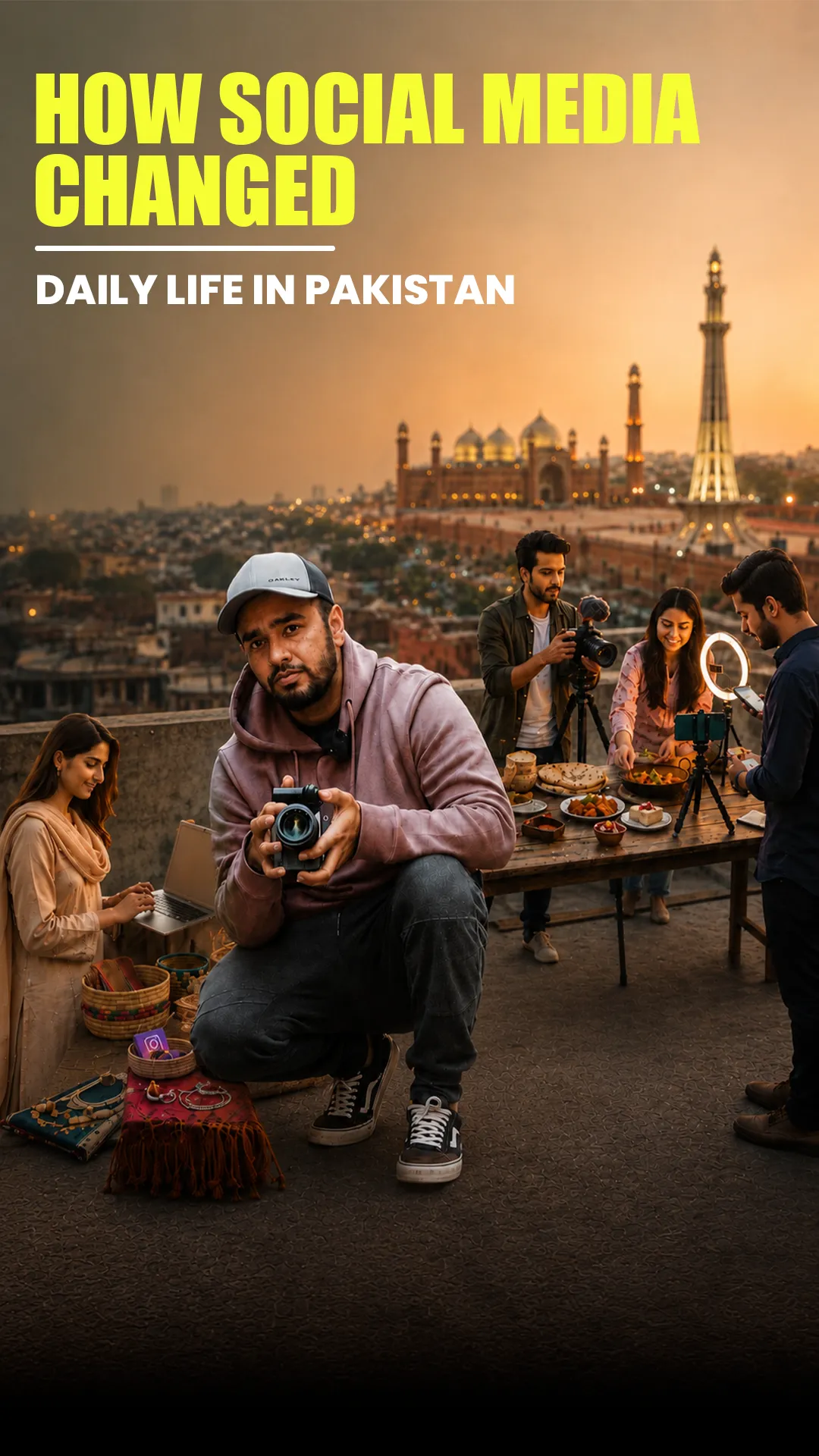
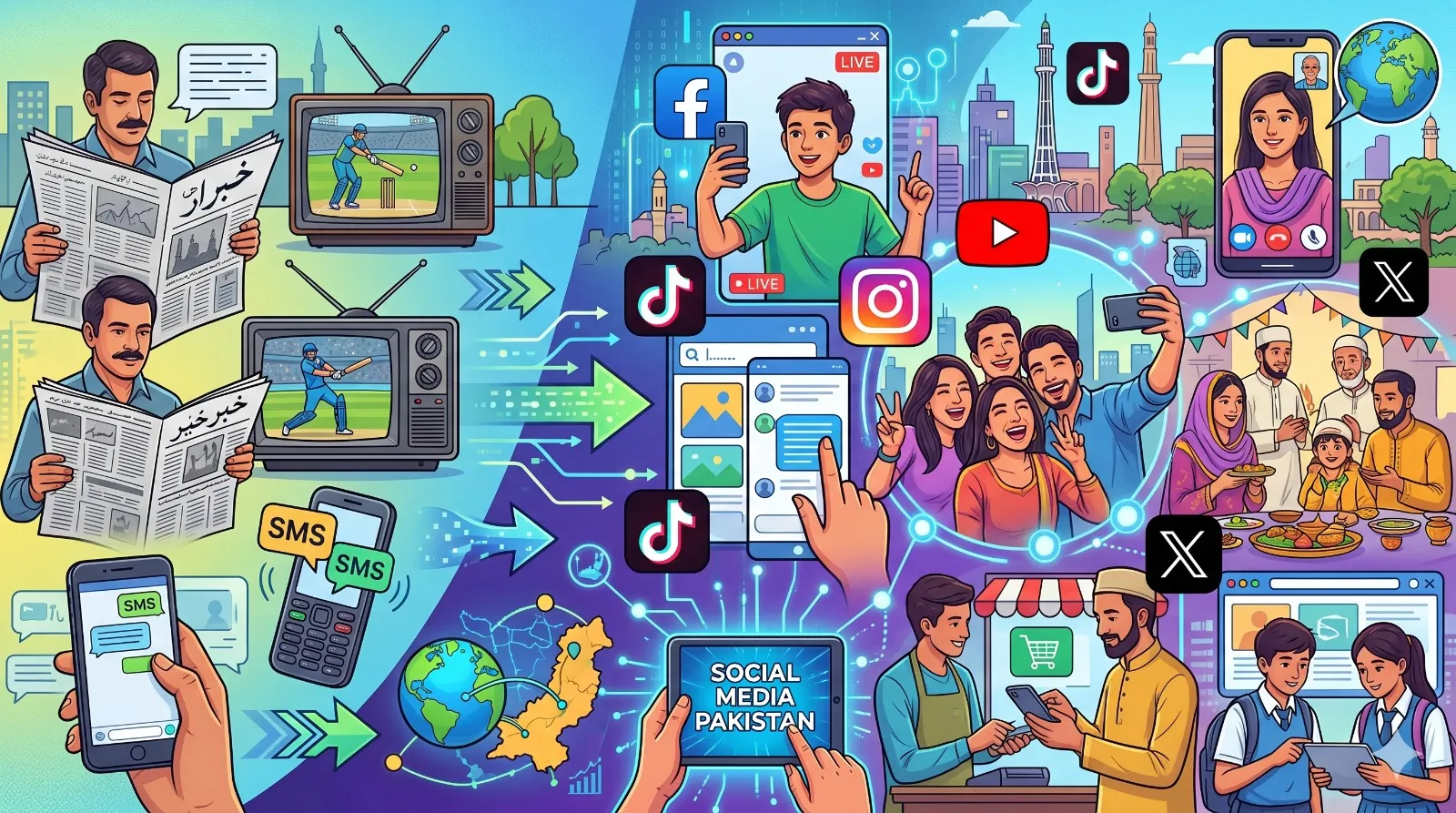
Two decades ago, Pakistanis primarily relied on television, newspapers, and text messages for news and communication. Today, platforms such as Facebook, Instagram, TikTok, YouTube, and X have transformed daily routines, becoming a central part of how people connect and share information.
Whether it is discussing cricket matches, sharing Eid celebrations, or keeping in touch with relatives abroad, social media has made communication instant and accessible. Video calls and messaging apps have brought families and friends closer despite geographical distances.

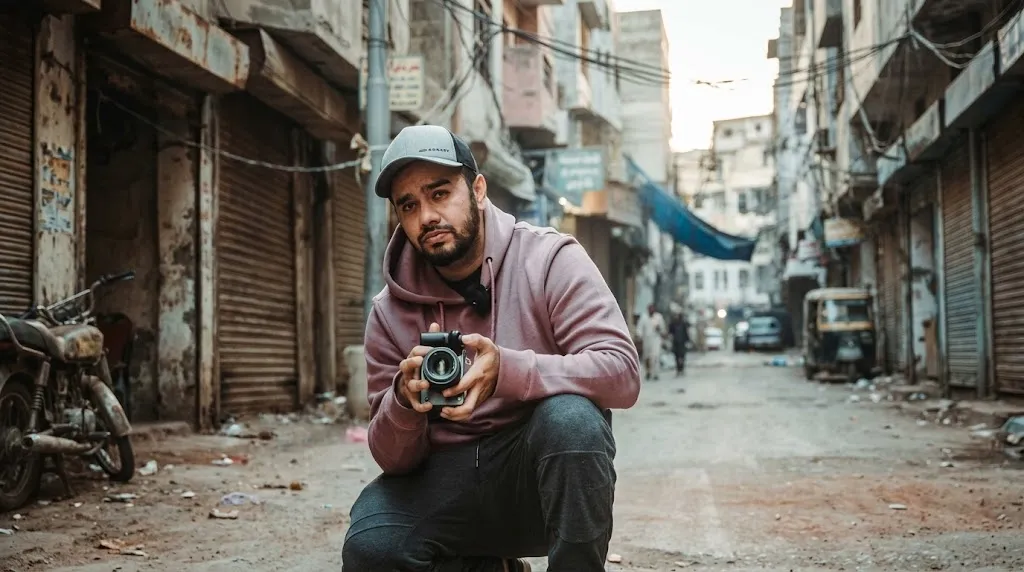
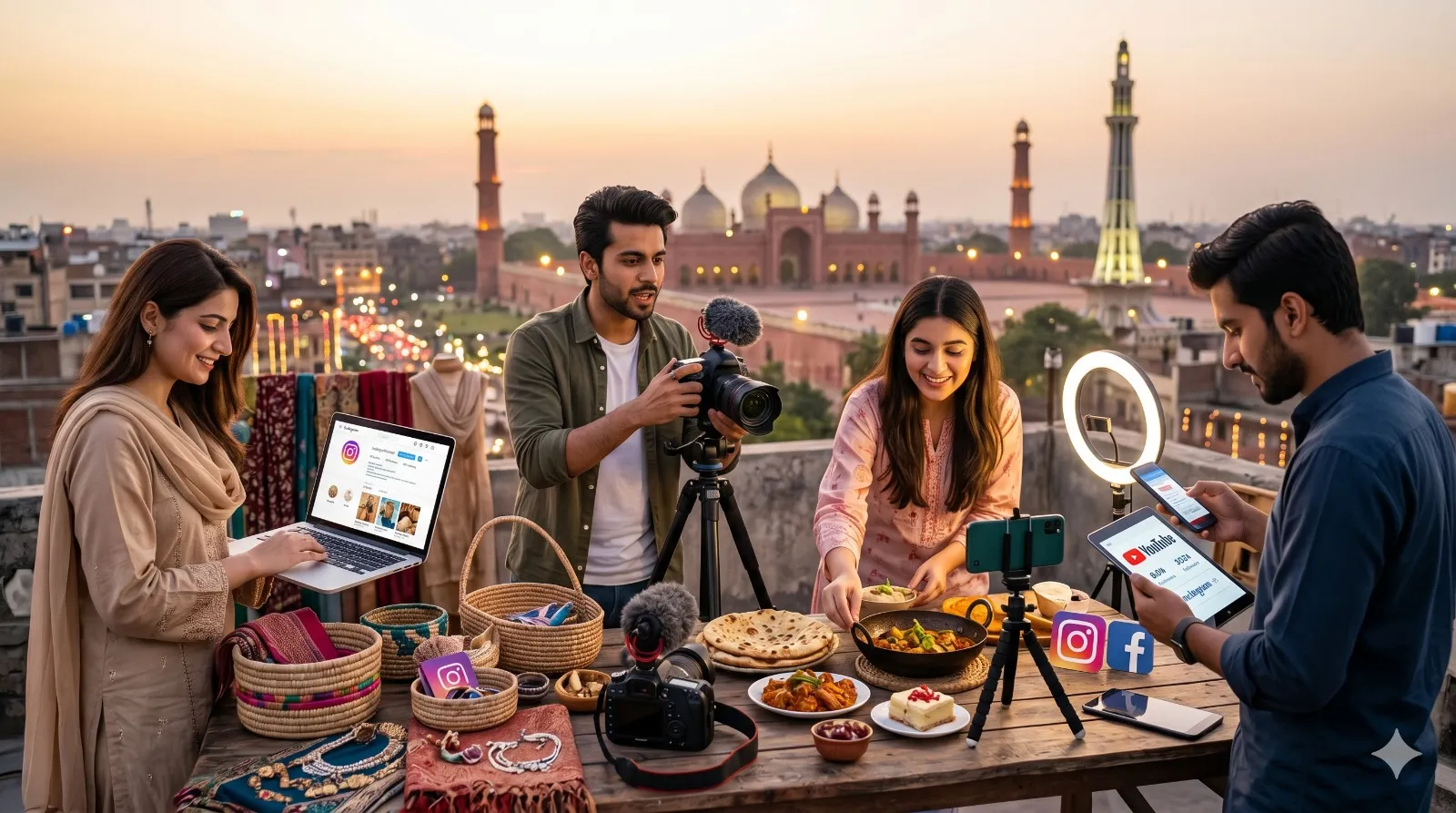
Social media has revolutionized entrepreneurship in Pakistan, enabling thousands of people to launch businesses from their homes. Online stores on Instagram, Facebook, and WhatsApp now offer everything from fashion and cosmetics to food and handicrafts.
The rise of content creation has also produced a new generation of digital celebrities. Personalities such as Irfan Junejo, Jannat Mirza, Ducky Bhai, Shahveer Jafry, and Mooroo have built massive followings through vlogs, comedy, lifestyle content, and social commentary
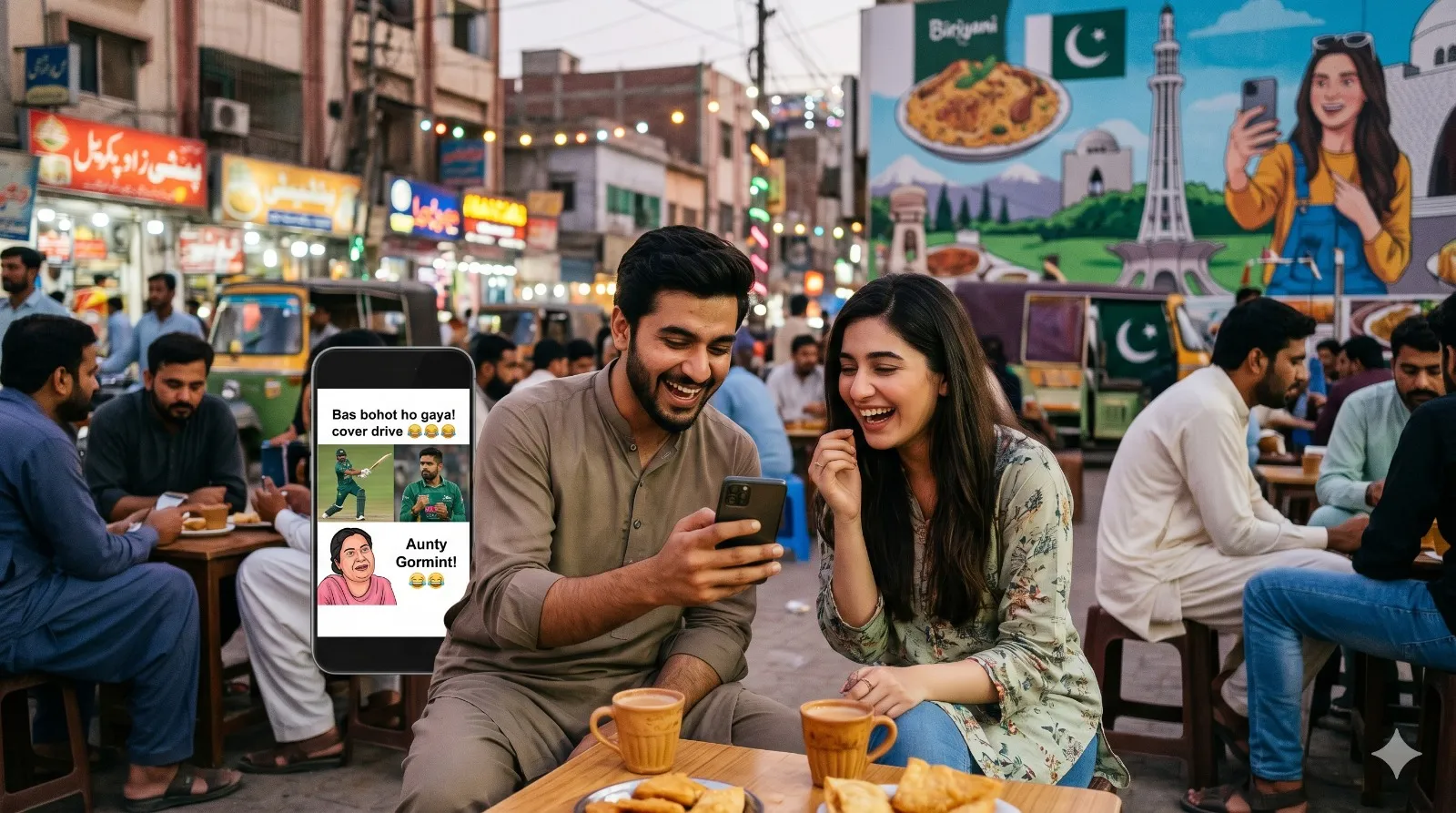
Pakistan's social media culture has developed its own identity, where memes and viral videos often become part of everyday conversations. From cricket celebrations to humorous moments, online trends frequently unite millions of users.
Major events such as Pakistan-India matches, PSL tournaments, and television dramas inspire waves of memes and discussions. Social media users often turn ordinary incidents into nationwide sensations within hours.
Creators and influencers have also played a role in promoting Pakistani food, travel destinations, traditions, and languages.
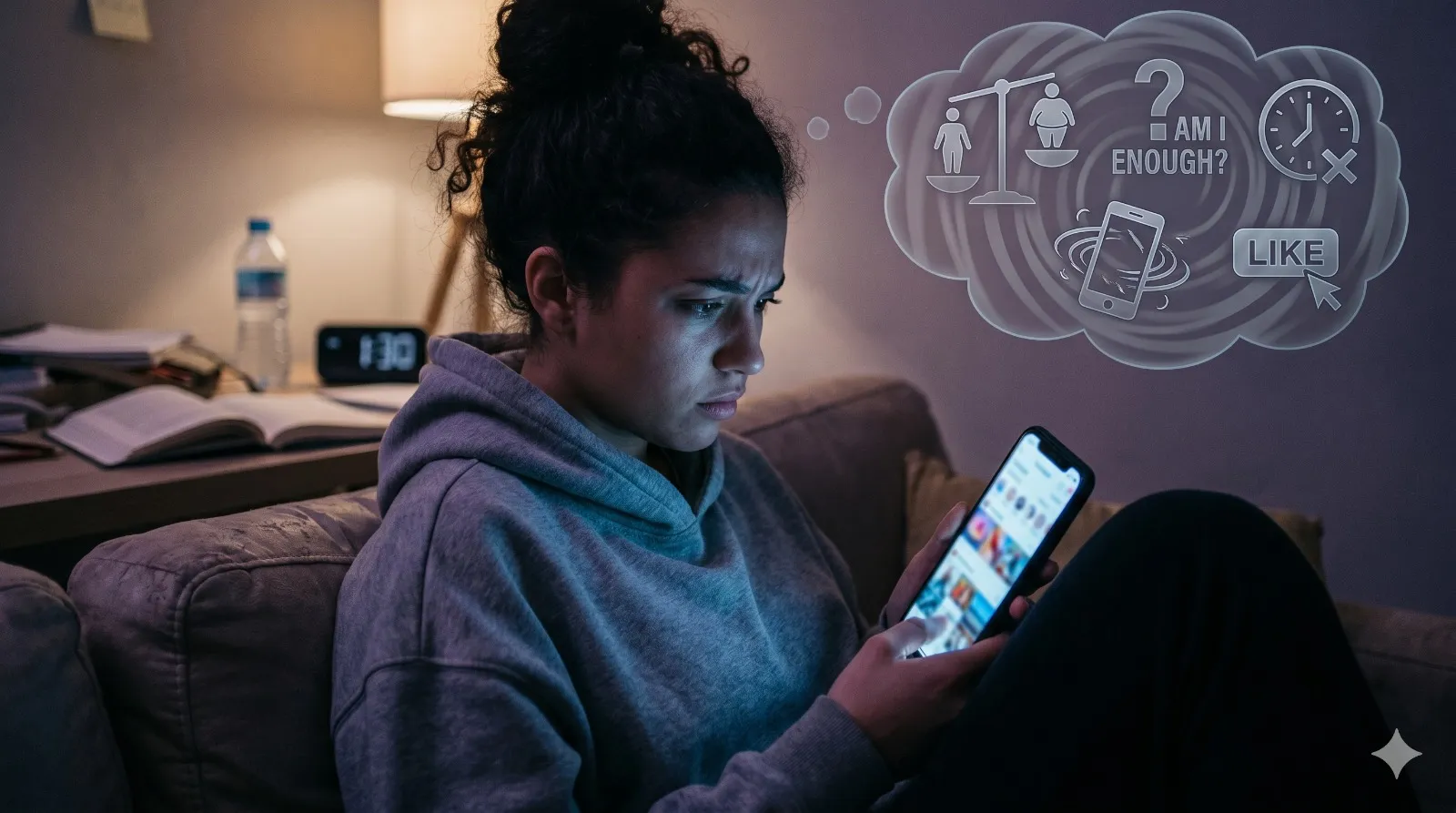
While social media offers many benefits, experts have increasingly highlighted its psychological effects. Excessive screen time, constant comparisons with others, and the pressure to maintain a perfect online image can contribute to stress, anxiety, and low self-esteem.
Young people are particularly vulnerable to cyberbullying, misinformation, and unrealistic beauty and lifestyle standards.
The endless stream of content can also affect attention spans and disrupt healthy sleep patterns. Researchers emphasize that social media itself is not harmful.
Parents, schools, and technology companies all have a role to play in promoting responsible social media use. Digital literacy programs can help users distinguish reliable information from misinformation and encourage safer online behavior.
Mental health experts recommend setting screen-time limits, taking regular breaks from social media, and maintaining strong real-life relationships.
Spending time with family, exercising, and engaging in hobbies can help create a healthier balance between online and offline life.
Two decades ago, Pakistanis primarily relied on television, newspapers, and text messages for news and communication.
Two decades ago, Pakistanis primarily relied on television, newspapers, and text messages for news and communication. Today, platforms such as Facebook, Instagram, TikTok, YouTube, and X have transformed daily routines, becoming a central part of how people connect and share information.
Whether it is discussing cricket matches, sharing Eid celebrations, or keeping in touch with relatives abroad, social media has made communication instant and accessible. Video calls and messaging apps have brought families and friends closer despite geographical distances.
Social media has revolutionized entrepreneurship in Pakistan, enabling thousands of people to launch businesses from their homes. Online stores on Instagram, Facebook, and WhatsApp now offer everything from fashion and cosmetics to food and handicrafts.
The rise of content creation has also produced a new generation of digital celebrities. Personalities such as Irfan Junejo, Jannat Mirza, Ducky Bhai, Shahveer Jafry, and Mooroo have built massive followings through vlogs, comedy, lifestyle content, and social commentary
Pakistan's social media culture has developed its own identity, where memes and viral videos often become part of everyday conversations. From cricket celebrations to humorous moments, online trends frequently unite millions of users.
Major events such as Pakistan-India matches, PSL tournaments, and television dramas inspire waves of memes and discussions. Social media users often turn ordinary incidents into nationwide sensations within hours.
Creators and influencers have also played a role in promoting Pakistani food, travel destinations, traditions, and languages.
While social media offers many benefits, experts have increasingly highlighted its psychological effects. Excessive screen time, constant comparisons with others, and the pressure to maintain a perfect online image can contribute to stress, anxiety, and low self-esteem.
Young people are particularly vulnerable to cyberbullying, misinformation, and unrealistic beauty and lifestyle standards.
The endless stream of content can also affect attention spans and disrupt healthy sleep patterns. Researchers emphasize that social media itself is not harmful.
Parents, schools, and technology companies all have a role to play in promoting responsible social media use. Digital literacy programs can help users distinguish reliable information from misinformation and encourage safer online behavior.
Mental health experts recommend setting screen-time limits, taking regular breaks from social media, and maintaining strong real-life relationships.
Spending time with family, exercising, and engaging in hobbies can help create a healthier balance between online and offline life.



