At just 12 years old, Razish had already experienced how quickly floods could disrupt everyday life. Living in Rajanpur, she knew that rising water could mean closed roads, damaged homes and, most painfully for her, interrupted schooling.
Each time flooding threatened her community, continuing her education became more difficult. Yet Razish did not want the water to decide whether she could remain a student.
For a young girl growing up in a flood prone area, education represented more than attending classes. It was a path towards the future she imagined for herself.

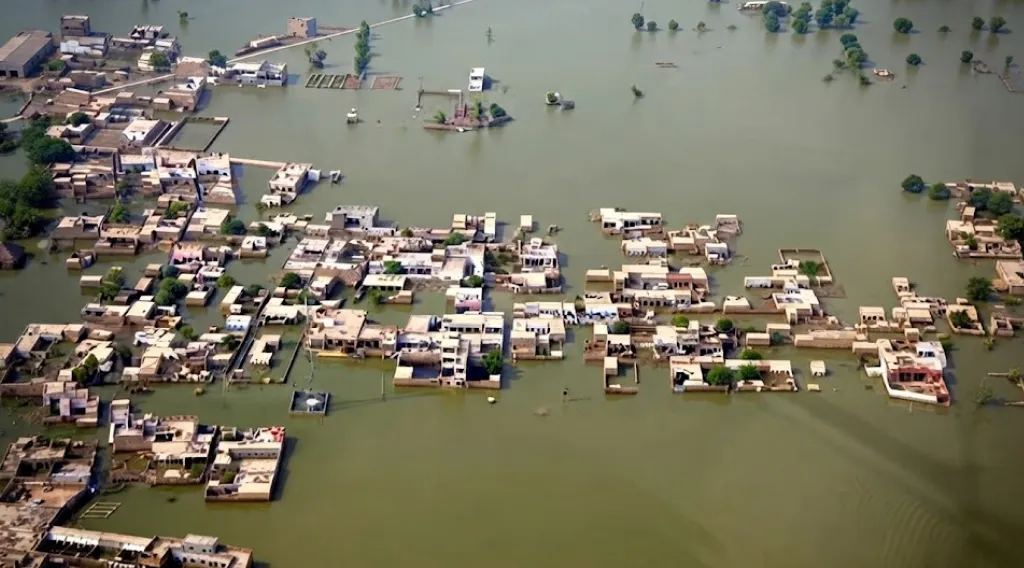
Rajanpur is among the areas of Pakistan that can face severe flooding, leaving communities vulnerable when water levels rise. For children like Razish, the consequences extend beyond damaged homes and disrupted routines.
When floods make roads difficult to cross or schools impossible to reach, children can lose valuable time in their education. Repeated interruptions can make it harder to keep up with lessons and, in some cases, force children to leave school altogether.
Razish faced this uncertainty more than once. But instead of accepting that her education had to stop whenever flooding arrived, she continued looking for ways to stay connected to her studies.
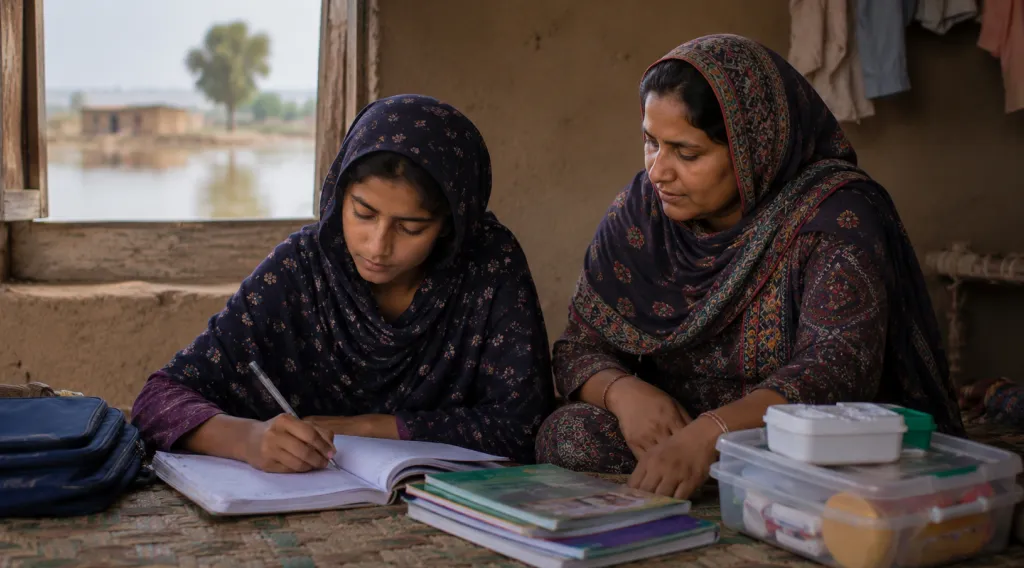
Razish benefited from a programme focused on anticipatory action, an approach designed to provide support before a disaster causes its worst damage.
Instead of waiting for floodwaters to arrive, assistance is provided when forecasts indicate that communities could be at risk.
For families facing repeated flooding, this kind of early support can make a significant difference. It can help communities prepare, protect essential needs and reduce the disruption caused by extreme weather.
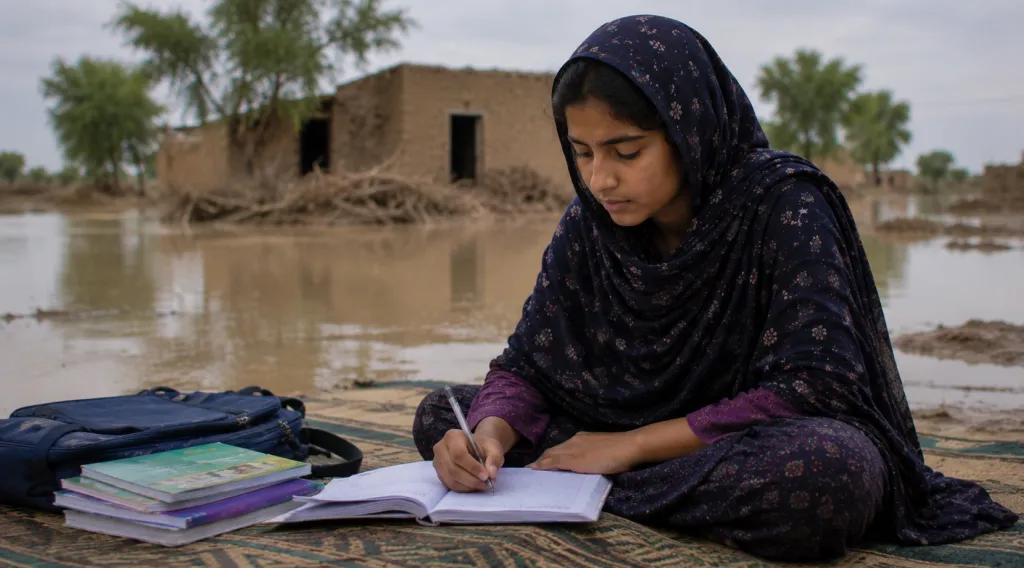
Razish’s story reflects the determination of children who refuse to let circumstances define their future. Floods may have interrupted her routine, but they did not take away her desire to learn and build a better life.
Her experience also highlights an important reality for children living in climate vulnerable communities. When disasters repeatedly disrupt education, keeping children connected to school requires preparation, support and community resilience.
For Razish, every lesson represents another step forward despite the uncertainty around her.
At just 12 years old, Razish had already experienced how quickly floods could disrupt everyday life.
At just 12 years old, Razish had already experienced how quickly floods could disrupt everyday life. Living in Rajanpur, she knew that rising water could mean closed roads, damaged homes and, most painfully for her, interrupted schooling.
Each time flooding threatened her community, continuing her education became more difficult. Yet Razish did not want the water to decide whether she could remain a student.
For a young girl growing up in a flood prone area, education represented more than attending classes. It was a path towards the future she imagined for herself.
Rajanpur is among the areas of Pakistan that can face severe flooding, leaving communities vulnerable when water levels rise. For children like Razish, the consequences extend beyond damaged homes and disrupted routines.
When floods make roads difficult to cross or schools impossible to reach, children can lose valuable time in their education. Repeated interruptions can make it harder to keep up with lessons and, in some cases, force children to leave school altogether.
Razish faced this uncertainty more than once. But instead of accepting that her education had to stop whenever flooding arrived, she continued looking for ways to stay connected to her studies.
Razish benefited from a programme focused on anticipatory action, an approach designed to provide support before a disaster causes its worst damage.
Instead of waiting for floodwaters to arrive, assistance is provided when forecasts indicate that communities could be at risk.
For families facing repeated flooding, this kind of early support can make a significant difference. It can help communities prepare, protect essential needs and reduce the disruption caused by extreme weather.
Razish’s story reflects the determination of children who refuse to let circumstances define their future. Floods may have interrupted her routine, but they did not take away her desire to learn and build a better life.
Her experience also highlights an important reality for children living in climate vulnerable communities. When disasters repeatedly disrupt education, keeping children connected to school requires preparation, support and community resilience.
For Razish, every lesson represents another step forward despite the uncertainty around her.