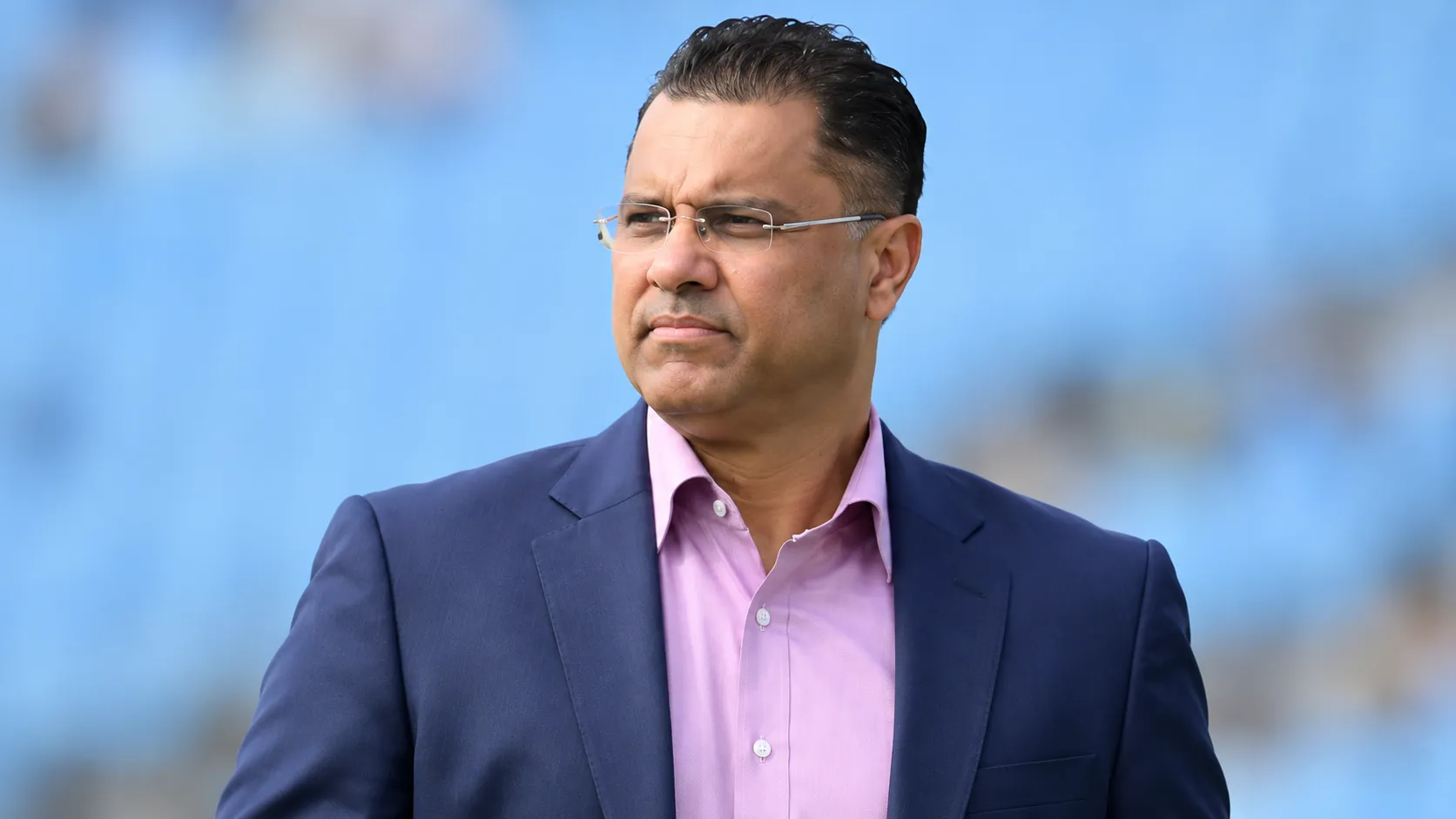
Few fast bowlers have left a mark on cricket quite like Waqar Younis. Born on November 16, 1971, in Vehari, Punjab, he rose from a relatively small town to become one of the most feared names in international cricket. Known as the 'Burewala Express', Waqar built his reputation on extraordinary pace, late swing and yorkers that could dismantle even the strongest batting line-ups.
As he celebrates another birthday, his journey offers a reminder of the talent, determination and competitive spirit that helped shape an important chapter in Pakistan's cricket history. His legacy extends beyond the wickets he collected to the way he transformed fast bowling.


Waqar's journey into international cricket began with an unexpected opportunity. After making his first-class debut in the 1987–88 season, his bowling caught the attention of former Pakistan captain Imran Khan, who spotted his potential during a domestic match and helped bring him into the national setup.
He made his international debut against the West Indies in October 1989 and played his first Test against India in Karachi the following month. Interestingly, his Test debut came in the same match as Sachin Tendulkar's. Still early in his career, Waqar was already showing the qualities that would eventually make him one of the defining fast bowlers of his generation.
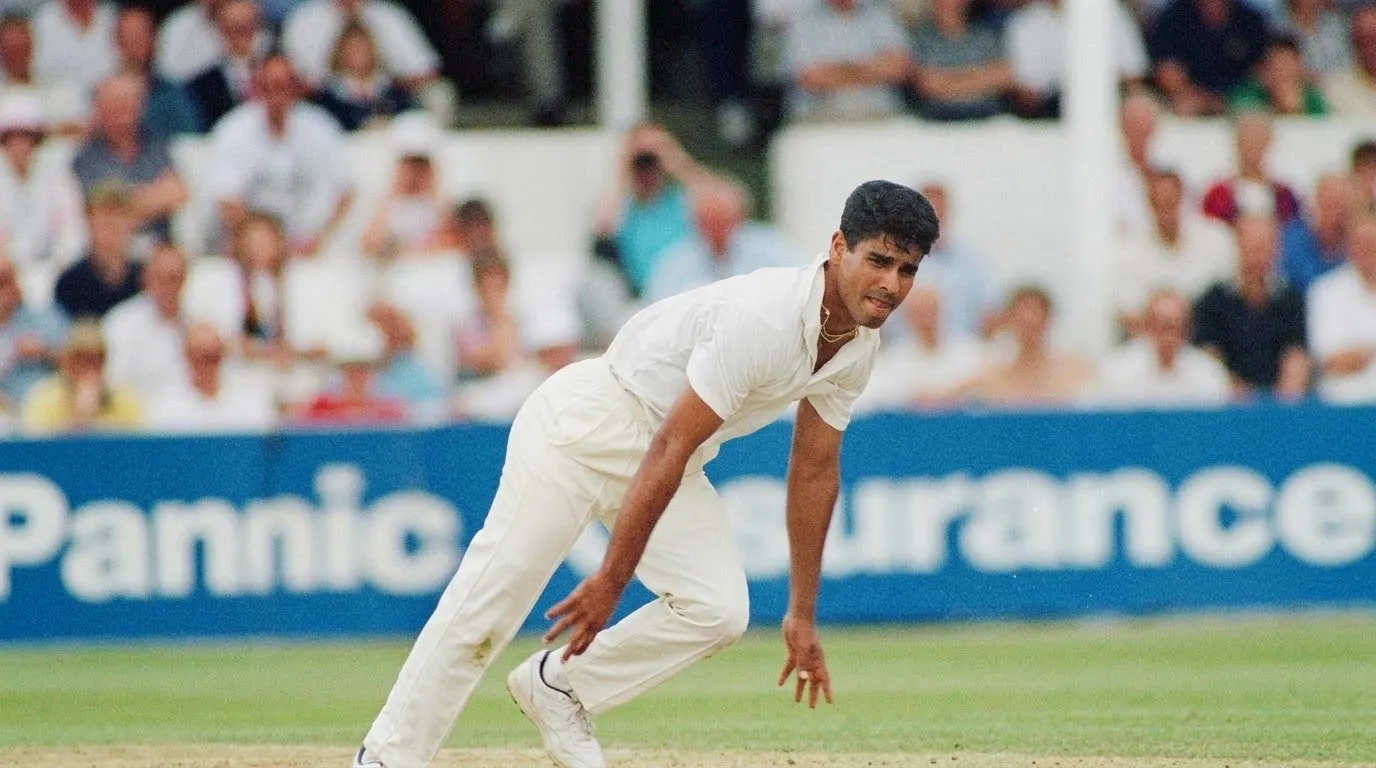
Waqar's greatest weapon was his ability to make the cricket ball move late at high speed. His mastery of reverse swing, combined with exceptionally accurate inswinging yorkers, made him particularly dangerous. Often targeting the base of the stumps and the batsman's toes, he developed a style that earned him the nickname 'Toe Crusher'.
His partnership with Wasim Akram became one of cricket's most celebrated bowling combinations. The two left an unmistakable mark on international cricket, using different angles, movement and pace to put opposition batters under relentless pressure. Together, they helped establish Pakistan as one of the most formidable fast-bowling forces of their era.
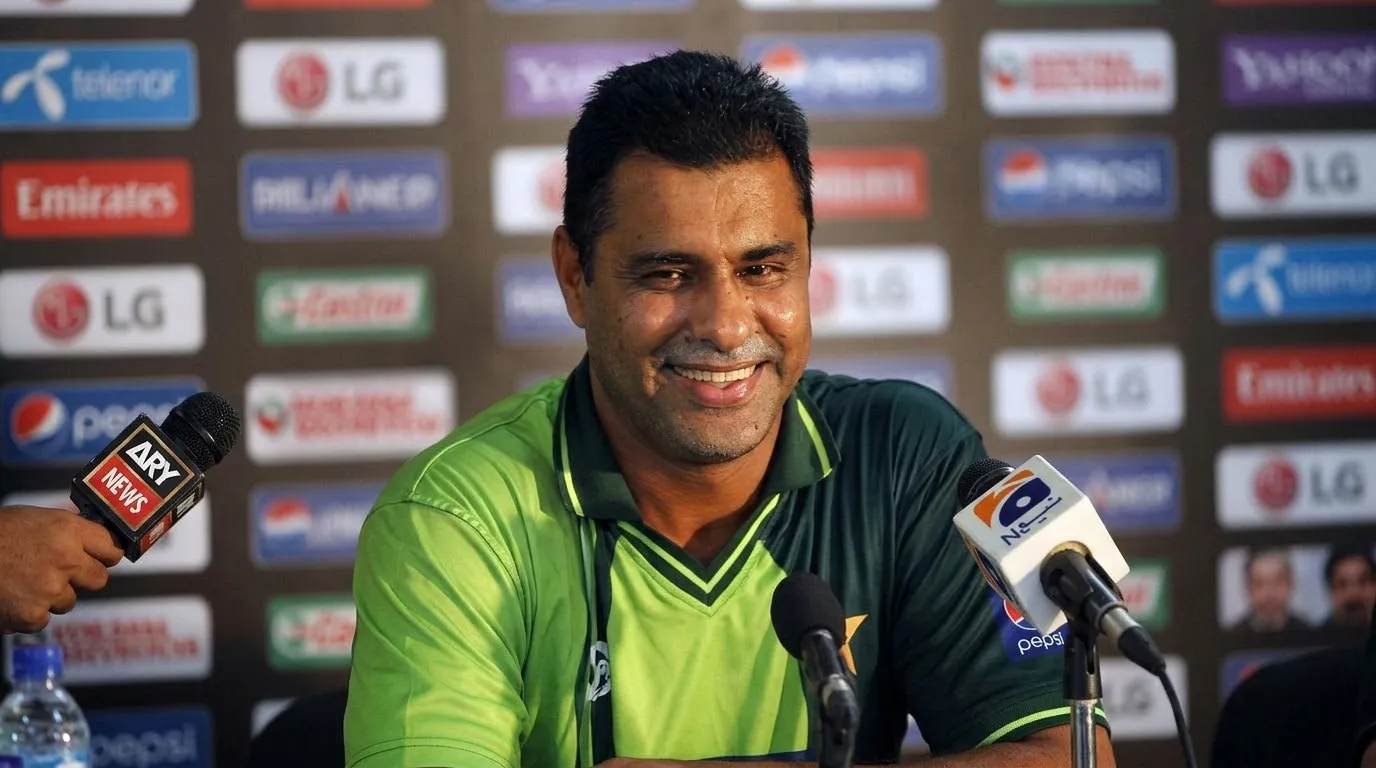
Across 87 Test matches and 262 One Day Internationals, Waqar collected an extraordinary 789 international wickets. His tally includes 373 Test wickets at an average of 23.56 and 416 ODI wickets. He also recorded 22 five-wicket hauls in Tests and 14 in ODIs, demonstrating his ability to change the course of a match in a single spell.
One of his most memorable performances came against England at Headingley in 2001, when he claimed seven wickets for just 36 runs. He was also among the fastest bowlers to reach major international wicket milestones, making consistency and attacking intent defining features of his career.
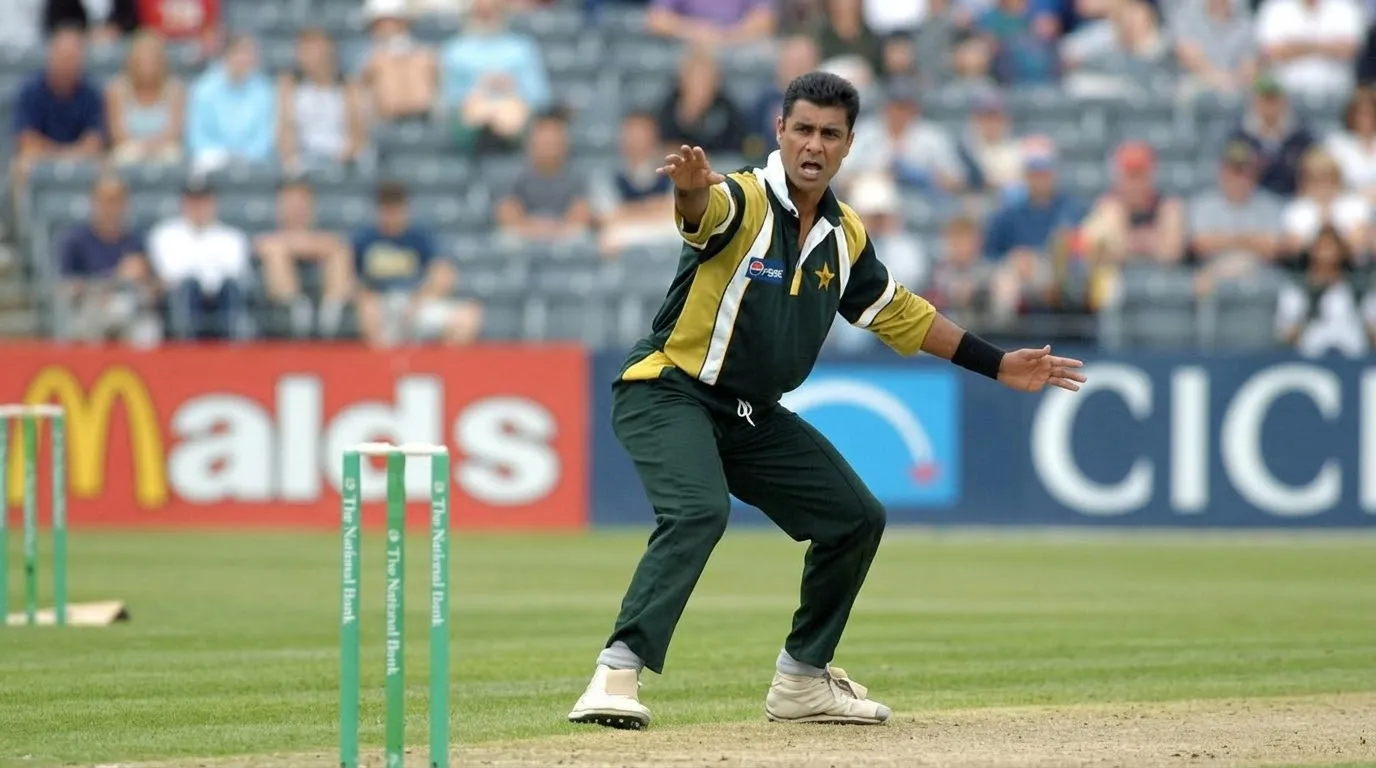
Waqar's impact was not restricted to Pakistan's national team. He also made his presence felt in English county cricket, representing Surrey and Glamorgan. His performances for Surrey in 1991 established him as one of the leading bowlers in the competition, while his time with Glamorgan brought another major achievement.
In 1997, he played an important role in Glamorgan's County Championship-winning campaign. His performances demonstrated that his skill and intensity could translate across different conditions and formats of the game. For a Pakistani fast bowler competing overseas, these achievements further strengthened his international reputation.
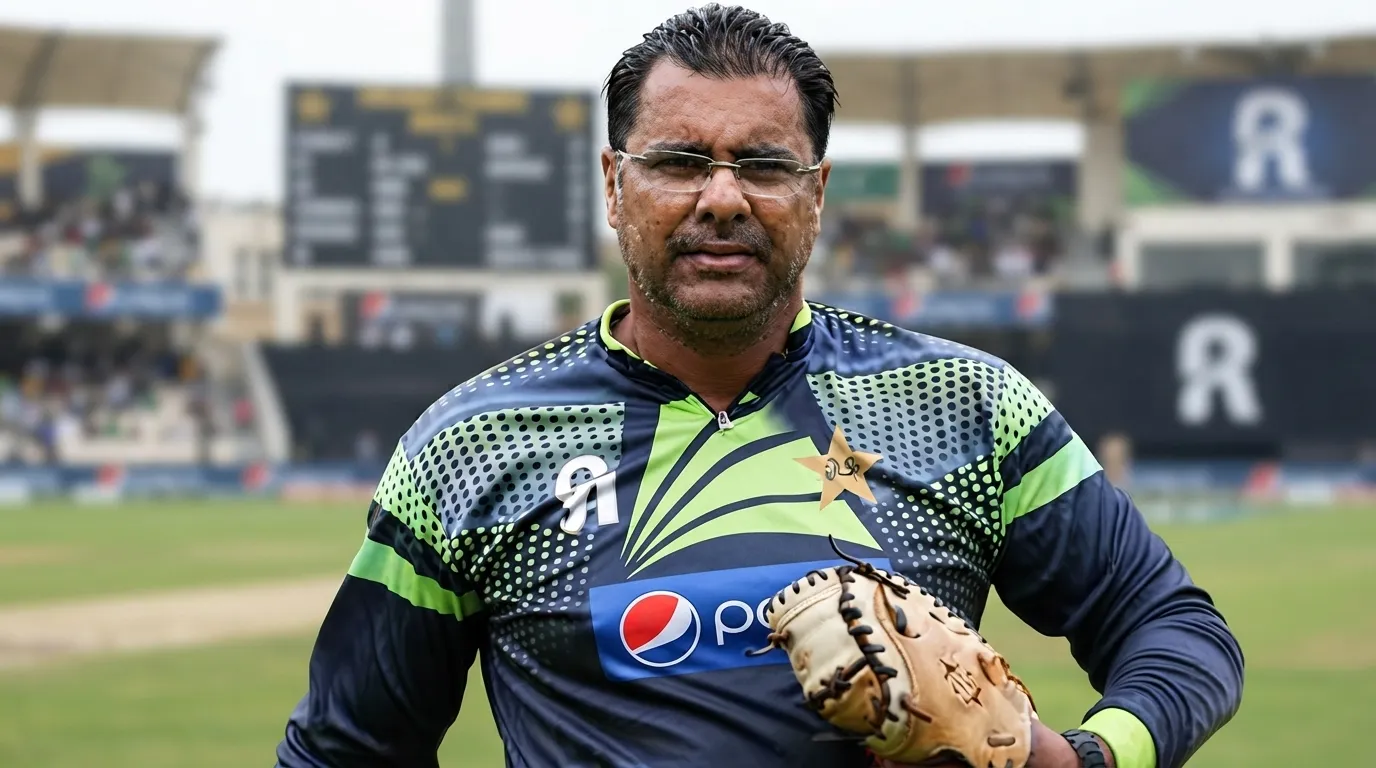
Waqar's relationship with Pakistan cricket continued after his playing career. At just 22 years and 15 days, he became Pakistan's youngest-ever Test captain, later leading the national side in 17 Tests and 62 ODIs.
He subsequently moved into coaching, serving Pakistan as both bowling coach and head coach across multiple tenures. During his first spell as head coach, Pakistan reached the semi-finals of the 2011 Cricket World Cup. He returned to the position in 2014 and continued contributing to the team's development. His transition from leading the bowling attack to mentoring future players gave him another role in Pakistan cricket's story.
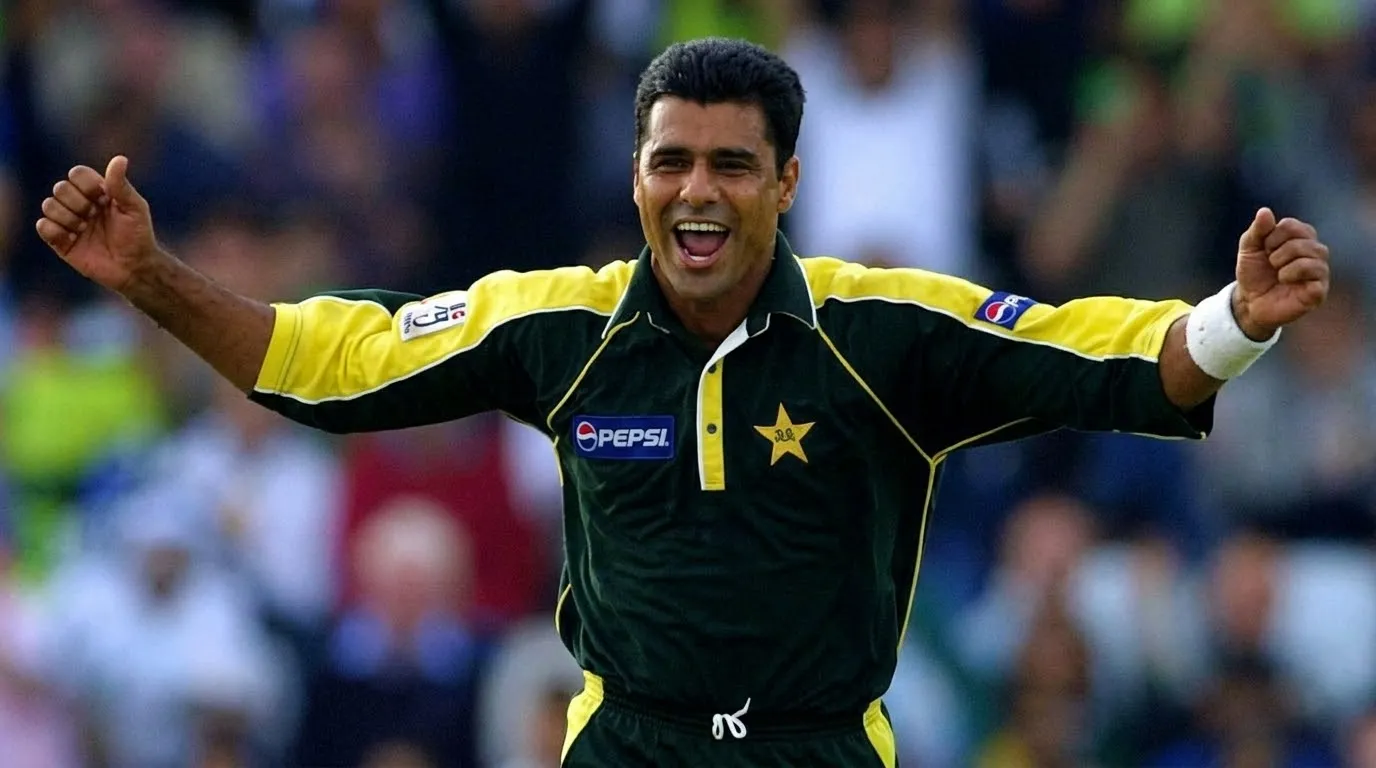
In 2013, Waqar was inducted into the ICC Cricket Hall of Fame, an honour recognising his contribution to international cricket. Nine years later, he was also formally inducted into the Pakistan Cricket Board's Hall of Fame, joining celebrated names including Imran Khan, Wasim Akram, Hanif Mohammad and Javed Miandad.
At the PCB ceremony in 2022, Waqar credited his mother for being a source of inspiration throughout his career. He also reflected on the privilege of representing Pakistan, describing wearing the national colours as a dream come true.
Happy Birthday, Waqar Younis!
Few fast bowlers have left a mark on cricket quite like Waqar Younis.
Few fast bowlers have left a mark on cricket quite like Waqar Younis. Born on November 16, 1971, in Vehari, Punjab, he rose from a relatively small town to become one of the most feared names in international cricket. Known as the 'Burewala Express', Waqar built his reputation on extraordinary pace, late swing and yorkers that could dismantle even the strongest batting line-ups.
As he celebrates another birthday, his journey offers a reminder of the talent, determination and competitive spirit that helped shape an important chapter in Pakistan's cricket history. His legacy extends beyond the wickets he collected to the way he transformed fast bowling.
Waqar's journey into international cricket began with an unexpected opportunity. After making his first-class debut in the 1987–88 season, his bowling caught the attention of former Pakistan captain Imran Khan, who spotted his potential during a domestic match and helped bring him into the national setup.
He made his international debut against the West Indies in October 1989 and played his first Test against India in Karachi the following month. Interestingly, his Test debut came in the same match as Sachin Tendulkar's. Still early in his career, Waqar was already showing the qualities that would eventually make him one of the defining fast bowlers of his generation.
Waqar's greatest weapon was his ability to make the cricket ball move late at high speed. His mastery of reverse swing, combined with exceptionally accurate inswinging yorkers, made him particularly dangerous. Often targeting the base of the stumps and the batsman's toes, he developed a style that earned him the nickname 'Toe Crusher'.
His partnership with Wasim Akram became one of cricket's most celebrated bowling combinations. The two left an unmistakable mark on international cricket, using different angles, movement and pace to put opposition batters under relentless pressure. Together, they helped establish Pakistan as one of the most formidable fast-bowling forces of their era.
Across 87 Test matches and 262 One Day Internationals, Waqar collected an extraordinary 789 international wickets. His tally includes 373 Test wickets at an average of 23.56 and 416 ODI wickets. He also recorded 22 five-wicket hauls in Tests and 14 in ODIs, demonstrating his ability to change the course of a match in a single spell.
One of his most memorable performances came against England at Headingley in 2001, when he claimed seven wickets for just 36 runs. He was also among the fastest bowlers to reach major international wicket milestones, making consistency and attacking intent defining features of his career.
Waqar's impact was not restricted to Pakistan's national team. He also made his presence felt in English county cricket, representing Surrey and Glamorgan. His performances for Surrey in 1991 established him as one of the leading bowlers in the competition, while his time with Glamorgan brought another major achievement.
In 1997, he played an important role in Glamorgan's County Championship-winning campaign. His performances demonstrated that his skill and intensity could translate across different conditions and formats of the game. For a Pakistani fast bowler competing overseas, these achievements further strengthened his international reputation.
Waqar's relationship with Pakistan cricket continued after his playing career. At just 22 years and 15 days, he became Pakistan's youngest-ever Test captain, later leading the national side in 17 Tests and 62 ODIs.
He subsequently moved into coaching, serving Pakistan as both bowling coach and head coach across multiple tenures. During his first spell as head coach, Pakistan reached the semi-finals of the 2011 Cricket World Cup. He returned to the position in 2014 and continued contributing to the team's development. His transition from leading the bowling attack to mentoring future players gave him another role in Pakistan cricket's story.
In 2013, Waqar was inducted into the ICC Cricket Hall of Fame, an honour recognising his contribution to international cricket. Nine years later, he was also formally inducted into the Pakistan Cricket Board's Hall of Fame, joining celebrated names including Imran Khan, Wasim Akram, Hanif Mohammad and Javed Miandad.
At the PCB ceremony in 2022, Waqar credited his mother for being a source of inspiration throughout his career. He also reflected on the privilege of representing Pakistan, describing wearing the national colours as a dream come true.
Happy Birthday, Waqar Younis!