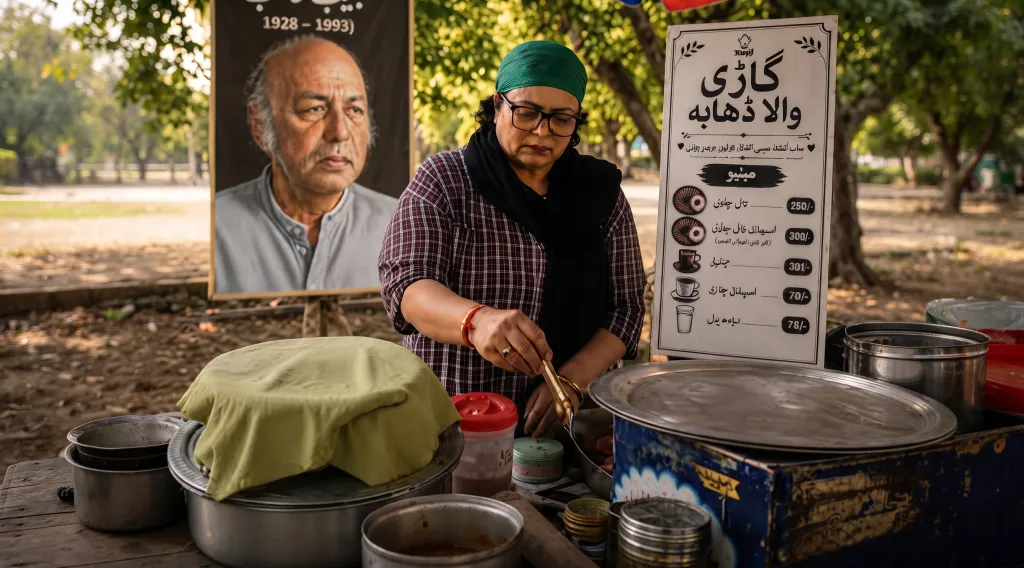
Tahira Habib, daughter of legendary poet Habib Jalib, has spoken openly about her experience running a small food stall in Lahore, turning attention to the struggles faced by countless roadside vendors trying to earn an honest living.
She alleged that enforcement officials repeatedly harassed and pressured her before her stall in Karim Block Market was shut down. She also claimed that officials demanded weekly payments to allow the business to continue.
For Tahira, however, the experience became about more than her own livelihood.

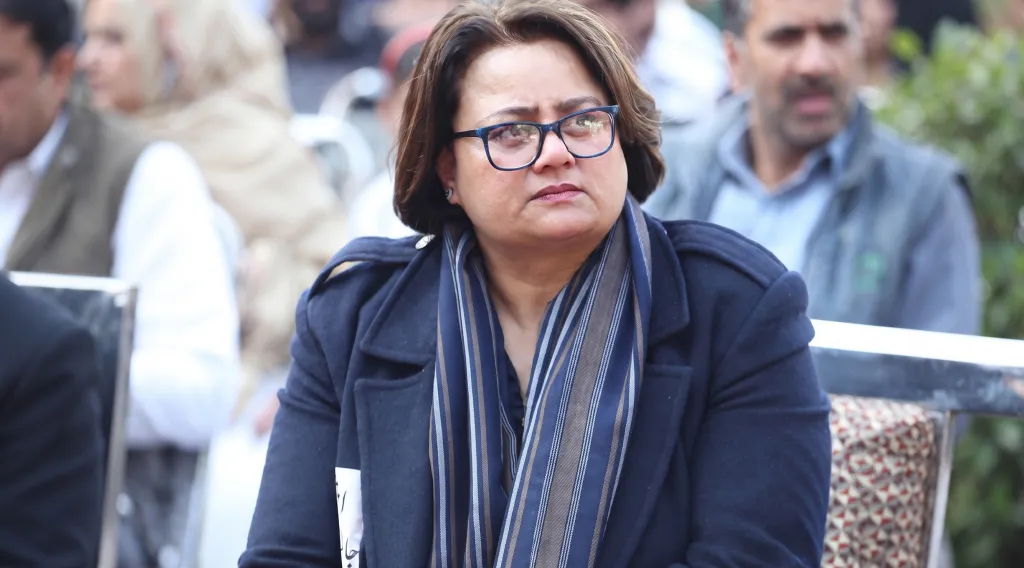
Tahira said the situation took an unexpected turn after her stall was closed. According to her, local administration officials later visited her home, brought breakfast and offered to arrange another stall for her somewhere in Lahore.
She rejected the offer, questioning why she should receive special consideration simply because she is Habib Jalib’s daughter. Her response shifted the focus from personal privilege to the wider struggles of street vendors.
She asked why similar compassion was not shown to vendors whose stalls are demolished, whose goods are damaged or who face harassment and legal action.
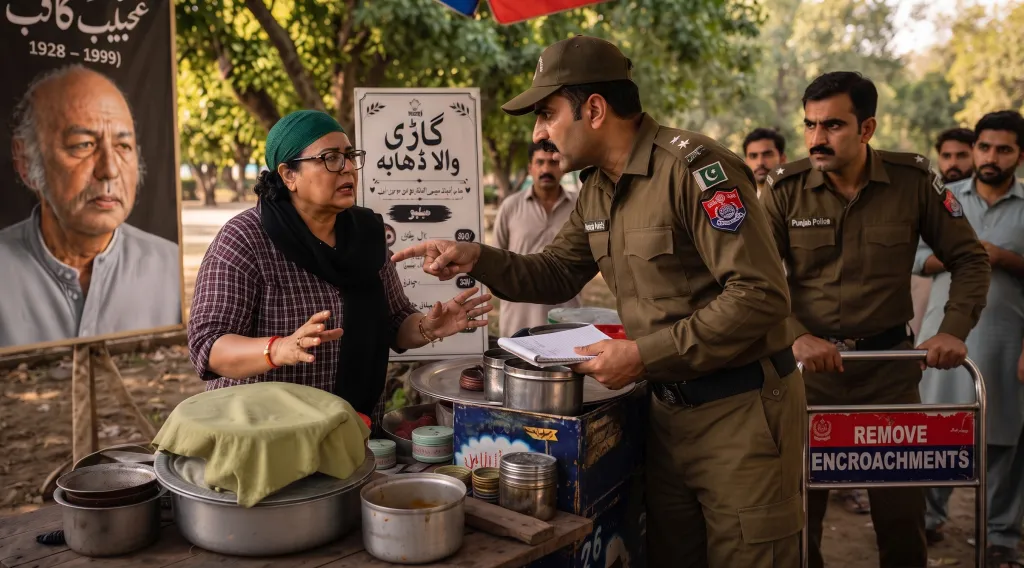
Tahira also questioned whether women who depend on their own work are receiving the protection and opportunities they deserve.
Referring to Punjab’s women’s safety initiatives, she asked why a woman trying to earn a livelihood should face barriers to working.
She said she had already applied for a place at the CM Model Cart Bazaar on June 3 through the Town Hall and Deputy Commissioner’s office, seeking a legitimate alternative for her business.
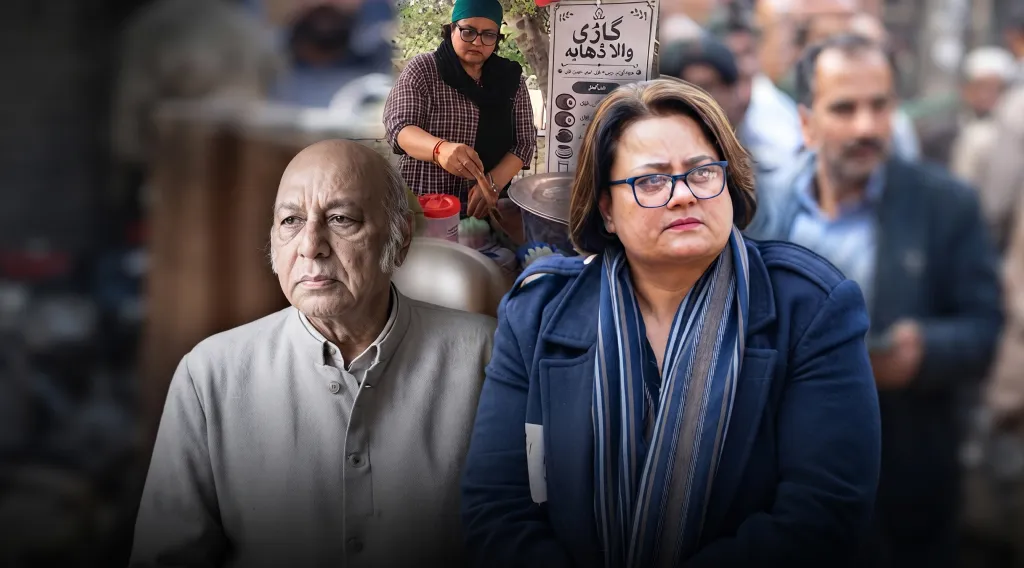
The Lahore administration maintains a zero tolerance policy toward street encroachments, according to DC spokesperson Haris Ali. However, he said Tahira’s application was being reviewed for possible placement in a designated model cart zone.
Tahira’s experience has highlighted an important issue: supporting small vendors does not have to mean choosing between regulation and livelihoods. Properly planned vendor spaces can provide both order and opportunity.
Her decision to speak about her own experience while standing up for other vendors has given greater visibility to people whose daily struggles often go unnoticed.
Tahira Habib, daughter of legendary poet Habib Jalib, has spoken openly about her experience running a small food stall in Lahore, turning attention to the struggles faced by countless roadside vendors trying to earn an honest living.
Tahira Habib, daughter of legendary poet Habib Jalib, has spoken openly about her experience running a small food stall in Lahore, turning attention to the struggles faced by countless roadside vendors trying to earn an honest living.
She alleged that enforcement officials repeatedly harassed and pressured her before her stall in Karim Block Market was shut down. She also claimed that officials demanded weekly payments to allow the business to continue.
For Tahira, however, the experience became about more than her own livelihood.
Tahira said the situation took an unexpected turn after her stall was closed. According to her, local administration officials later visited her home, brought breakfast and offered to arrange another stall for her somewhere in Lahore.
She rejected the offer, questioning why she should receive special consideration simply because she is Habib Jalib’s daughter. Her response shifted the focus from personal privilege to the wider struggles of street vendors.
She asked why similar compassion was not shown to vendors whose stalls are demolished, whose goods are damaged or who face harassment and legal action.
Tahira also questioned whether women who depend on their own work are receiving the protection and opportunities they deserve.
Referring to Punjab’s women’s safety initiatives, she asked why a woman trying to earn a livelihood should face barriers to working.
She said she had already applied for a place at the CM Model Cart Bazaar on June 3 through the Town Hall and Deputy Commissioner’s office, seeking a legitimate alternative for her business.
The Lahore administration maintains a zero tolerance policy toward street encroachments, according to DC spokesperson Haris Ali. However, he said Tahira’s application was being reviewed for possible placement in a designated model cart zone.
Tahira’s experience has highlighted an important issue: supporting small vendors does not have to mean choosing between regulation and livelihoods. Properly planned vendor spaces can provide both order and opportunity.
Her decision to speak about her own experience while standing up for other vendors has given greater visibility to people whose daily struggles often go unnoticed.



