The Khyber Pakhtunkhwa government has approved a programme to provide free electric scooters to eligible female students and working women, with the first phase set to begin in Peshawar.
The initiative aims to address one of the everyday challenges faced by women travelling to universities, colleges and workplaces: access to reliable and affordable transportation.
By supporting independent mobility, the programme could make daily commuting easier while helping more women pursue education and employment opportunities. It also brings a cleaner transport option into the conversation, combining women’s mobility with the province’s environmental goals.

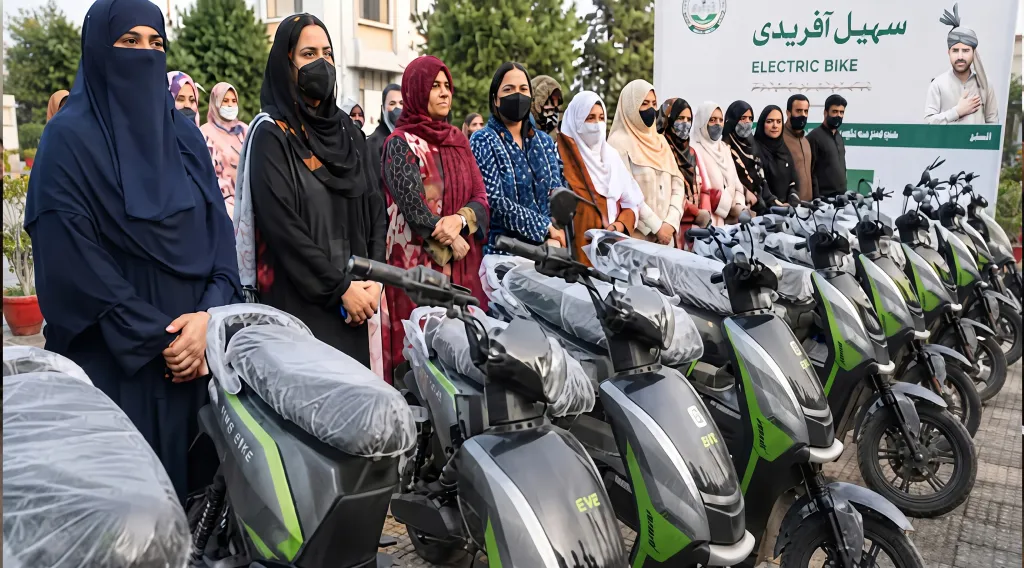
The programme is designed for eligible female students and working women who require transportation for their education or employment. The first phase will focus on beneficiaries in Peshawar.
Recipients will reportedly be selected through a computerised balloting process. This approach is intended to provide eligible applicants with an equal opportunity to be considered for the scheme.
For women who regularly depend on public transport or family members for commuting, access to an electric scooter could offer greater flexibility.
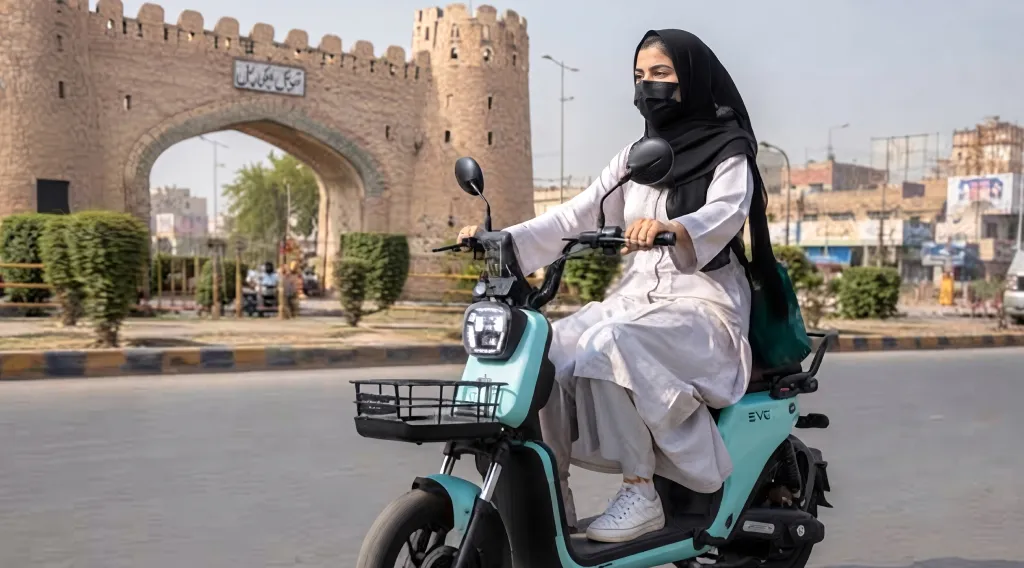
Transportation is closely connected to access. When students can travel more easily, reaching educational institutions becomes more manageable. For working women, dependable mobility can make commuting to offices, businesses and other workplaces less challenging.
Greater independence in daily travel can also give women more control over their time and routines. This can be particularly meaningful for those who face limited transportation options.
By helping women move more freely, initiatives like this can support broader participation in education and employment.

The programme also carries an environmental dimension. Electric scooters offer an alternative to conventional fuel powered motorcycles and can contribute to cleaner urban transportation.
As cities face growing concerns around fuel consumption, air pollution and sustainable mobility, encouraging electric transport can become part of a broader shift towards greener commuting options.
For beneficiaries, the environmental advantage comes alongside a practical one. Electric mobility can provide a modern transportation solution while supporting efforts to reduce dependence on conventional fuels.
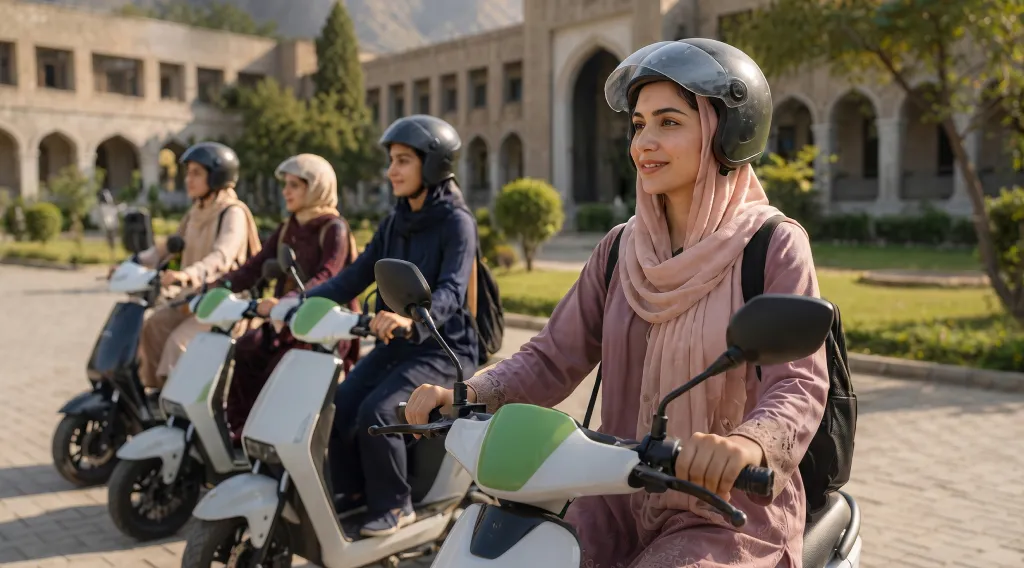
The first phase of the programme is planned for Peshawar, but the government intends to expand the initiative to other districts of Khyber Pakhtunkhwa in its next stage.
An expansion could allow more female students and working women across the province to benefit from improved mobility. For many potential beneficiaries, reliable transportation could make education and employment more accessible.
If implemented effectively, the initiative could become a meaningful step towards greater mobility, opportunity and independence for women in KPK.
The Khyber Pakhtunkhwa government has approved a programme to provide free electric scooters to eligible female students and working women, with the first phase set to begin in Peshawar.
The Khyber Pakhtunkhwa government has approved a programme to provide free electric scooters to eligible female students and working women, with the first phase set to begin in Peshawar.
The initiative aims to address one of the everyday challenges faced by women travelling to universities, colleges and workplaces: access to reliable and affordable transportation.
By supporting independent mobility, the programme could make daily commuting easier while helping more women pursue education and employment opportunities. It also brings a cleaner transport option into the conversation, combining women’s mobility with the province’s environmental goals.
The programme is designed for eligible female students and working women who require transportation for their education or employment. The first phase will focus on beneficiaries in Peshawar.
Recipients will reportedly be selected through a computerised balloting process. This approach is intended to provide eligible applicants with an equal opportunity to be considered for the scheme.
For women who regularly depend on public transport or family members for commuting, access to an electric scooter could offer greater flexibility.
Transportation is closely connected to access. When students can travel more easily, reaching educational institutions becomes more manageable. For working women, dependable mobility can make commuting to offices, businesses and other workplaces less challenging.
Greater independence in daily travel can also give women more control over their time and routines. This can be particularly meaningful for those who face limited transportation options.
By helping women move more freely, initiatives like this can support broader participation in education and employment.
The programme also carries an environmental dimension. Electric scooters offer an alternative to conventional fuel powered motorcycles and can contribute to cleaner urban transportation.
As cities face growing concerns around fuel consumption, air pollution and sustainable mobility, encouraging electric transport can become part of a broader shift towards greener commuting options.
For beneficiaries, the environmental advantage comes alongside a practical one. Electric mobility can provide a modern transportation solution while supporting efforts to reduce dependence on conventional fuels.
The first phase of the programme is planned for Peshawar, but the government intends to expand the initiative to other districts of Khyber Pakhtunkhwa in its next stage.
An expansion could allow more female students and working women across the province to benefit from improved mobility. For many potential beneficiaries, reliable transportation could make education and employment more accessible.
If implemented effectively, the initiative could become a meaningful step towards greater mobility, opportunity and independence for women in KPK.