Faisalabad to Host Pakistan’s First Agriculture Museum
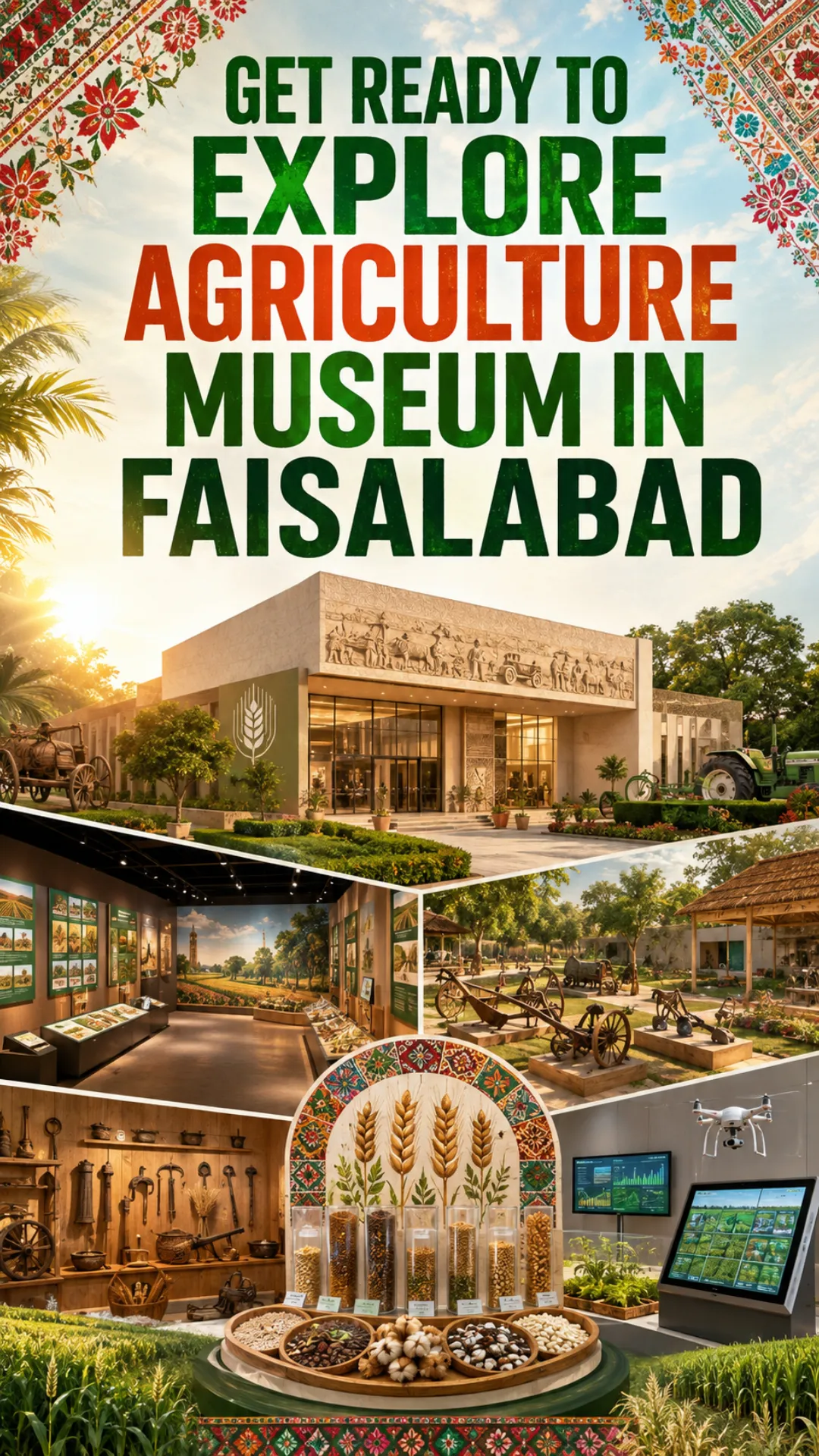
Pakistan is preparing to establish its first Agriculture and Food Museum at the University of Agriculture Faisalabad (UAF), creating a dedicated space to celebrate the country's agricultural journey.
The initiative is designed to preserve decades of farming knowledge while introducing visitors to the innovations shaping modern agriculture.
The museum will offer a unique opportunity to understand how agriculture has evolved alongside Pakistan's economic and social development. It aims to become a valuable educational resource for students, researchers, farmers, and families.

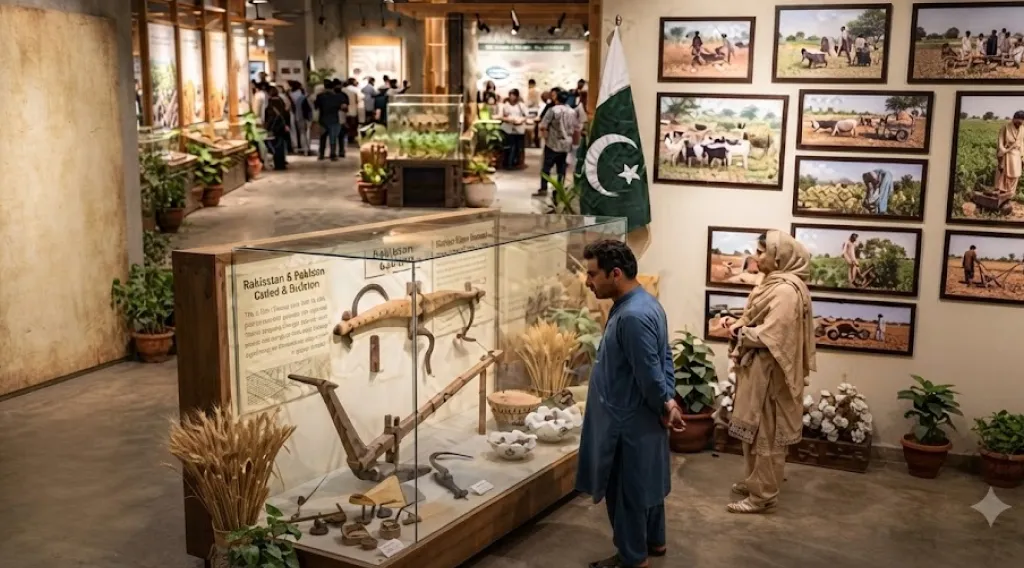
Rather than simply displaying historical objects, the museum will guide visitors through the complete story of Pakistan's agricultural development.
It will demonstrate how farming practices have transformed through scientific research, technological advancement, and changing cultivation methods.
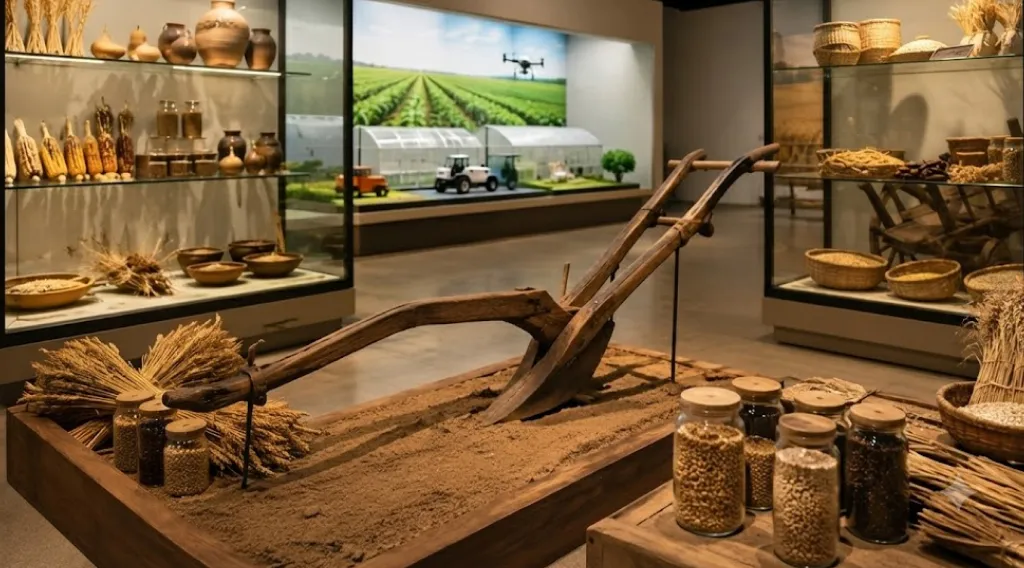
Visitors are expected to explore exhibits featuring traditional farming equipment, indigenous seed collections, crop improvement techniques, greenhouse cultivation, irrigation developments, and modern agricultural technologies.
By combining history with innovation, the museum will help people appreciate both the country's farming heritage and the future of sustainable food production.
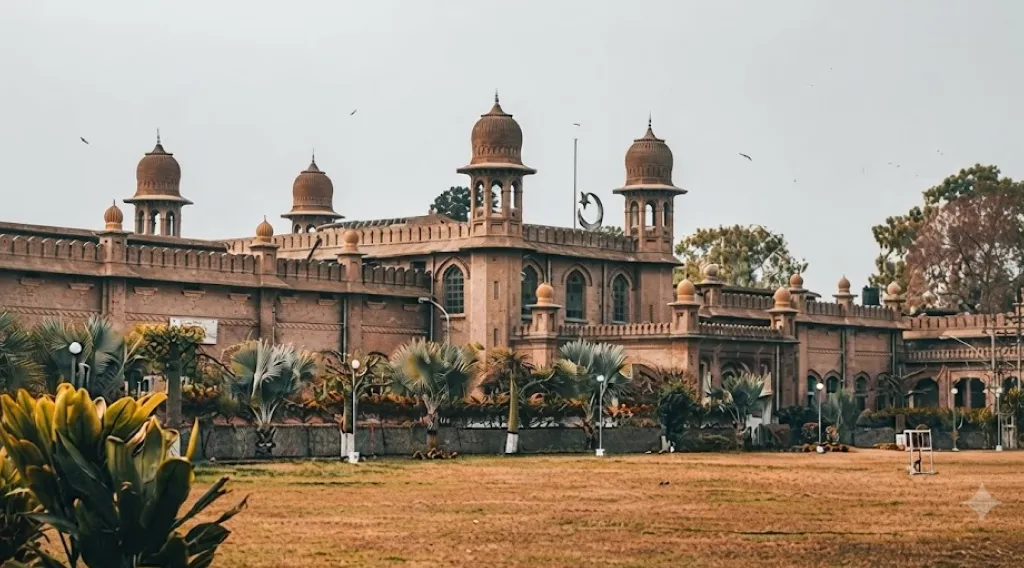
The museum will also celebrate the remarkable history of the University of Agriculture Faisalabad, an institution that has played a central role in Pakistan's agricultural progress.
Established in 1906 as the Punjab Agricultural College and Research Institute, it has educated generations of agricultural scientists and professionals.
Over the decades, UAF has contributed to research in crop production, plant breeding, livestock management, and food sciences, supporting the country's agricultural growth and food security.
Highlighting this legacy will allow visitors to better understand the institution's lasting contribution to Pakistan's development.
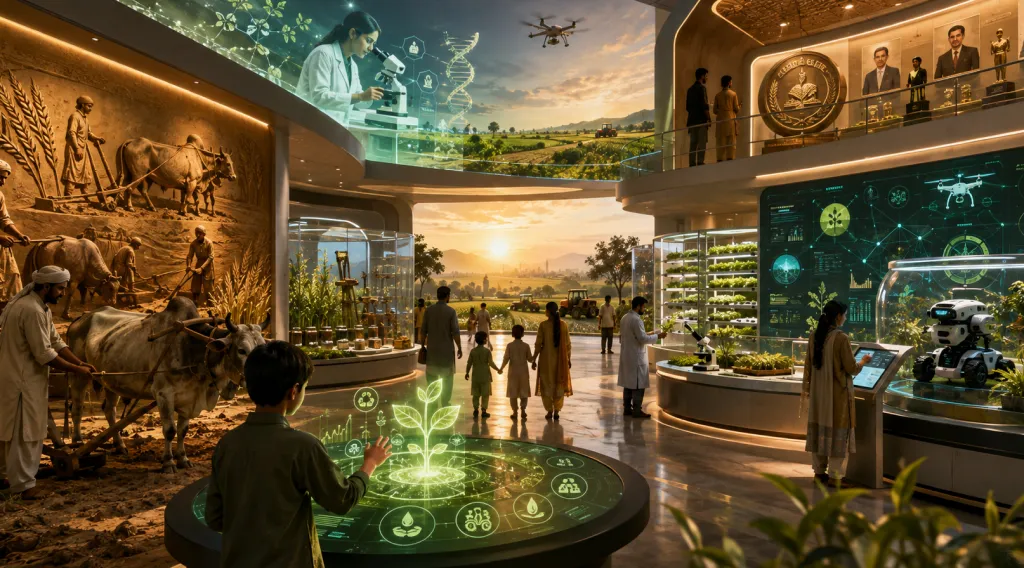
The planned museum will be more than a traditional exhibition space. It is expected to include interactive galleries, educational displays, outdoor exhibits, and digital experiences that encourage visitors to actively engage with agricultural science and history.
Earlier development plans also proposed more than 30 themed indoor galleries along with a Hall of Fame dedicated to individuals and organizations that have made significant contributions to Pakistan's agricultural sector.
The interactive design aims to make learning enjoyable while encouraging curiosity about farming, food systems, and scientific innovation.
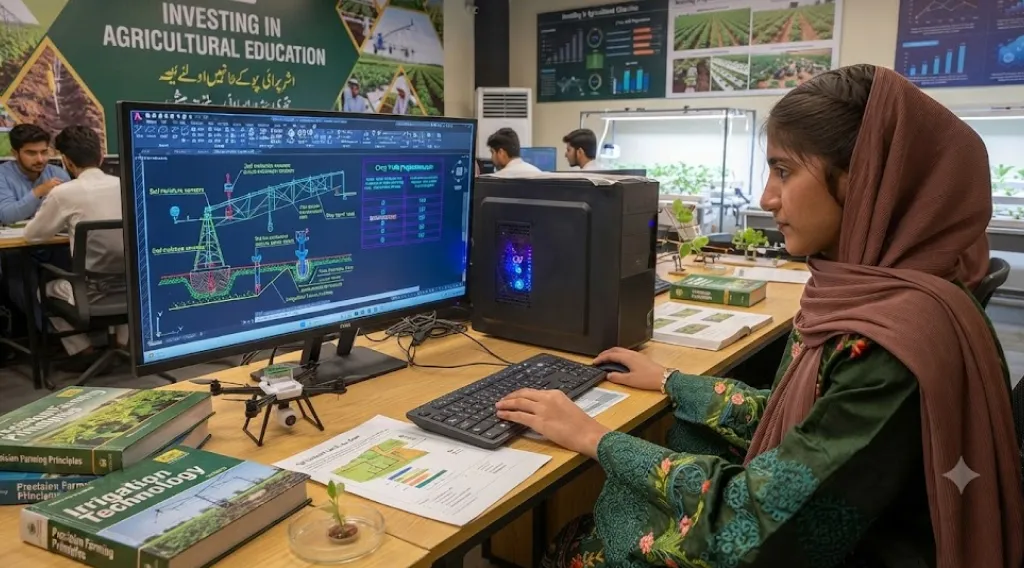
The project is expected to receive Rs. 300 million in phased financial support through the Punjab Higher Education Commission. The investment reflects the growing recognition of agriculture as a vital part of Pakistan's economy, education system, and future sustainability.
Funding will help develop exhibition halls, educational facilities, visitor spaces, and modern display technologies capable of serving both academic and public audiences.
Beyond preserving history, the museum is expected to strengthen agricultural awareness and inspire future generations to pursue careers in farming, research, and innovation.
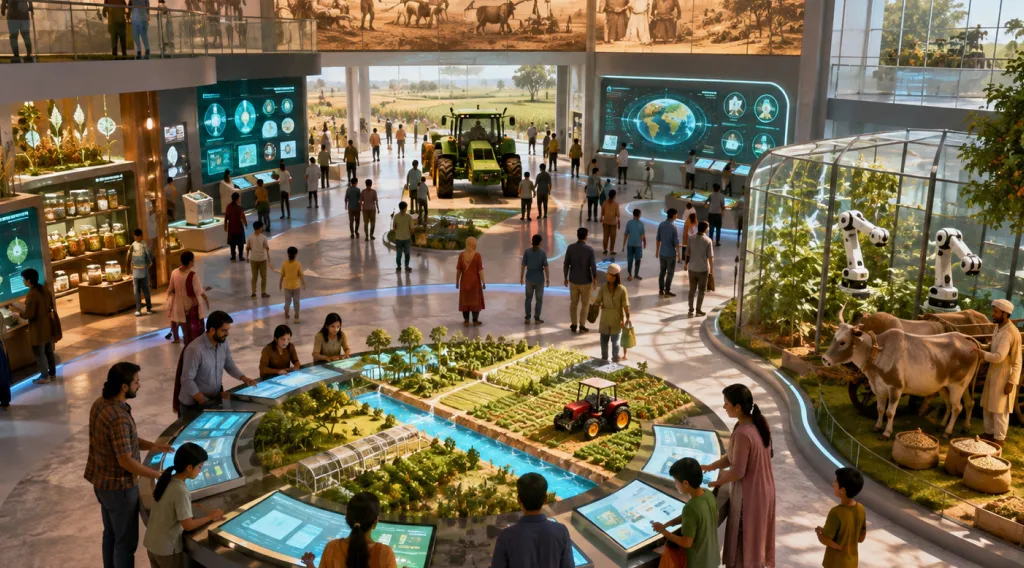
Once completed, Pakistan's first Agriculture and Food Museum is expected to become one of the country's most significant educational attractions. By preserving historical knowledge while showcasing modern scientific progress, it will connect Pakistan's agricultural past with its future.
The museum will also encourage greater appreciation for the farmers, researchers, educators, and innovators who continue to strengthen one of Pakistan's largest economic sectors.
It represents an investment not only in preserving history but also in inspiring tomorrow's agricultural leaders.
Through this initiative, Pakistan is creating a lasting tribute to the industry that continues to feed the nation and drive its development.
Pakistan is preparing to establish its first Agriculture and Food Museum at the University of Agriculture Faisalabad (UAF), creating a dedicated space to celebrate the country’s agricultural journey.
Pakistan is preparing to establish its first Agriculture and Food Museum at the University of Agriculture Faisalabad (UAF), creating a dedicated space to celebrate the country's agricultural journey.
The initiative is designed to preserve decades of farming knowledge while introducing visitors to the innovations shaping modern agriculture.
The museum will offer a unique opportunity to understand how agriculture has evolved alongside Pakistan's economic and social development. It aims to become a valuable educational resource for students, researchers, farmers, and families.
Rather than simply displaying historical objects, the museum will guide visitors through the complete story of Pakistan's agricultural development.
It will demonstrate how farming practices have transformed through scientific research, technological advancement, and changing cultivation methods.
Visitors are expected to explore exhibits featuring traditional farming equipment, indigenous seed collections, crop improvement techniques, greenhouse cultivation, irrigation developments, and modern agricultural technologies.
By combining history with innovation, the museum will help people appreciate both the country's farming heritage and the future of sustainable food production.
The museum will also celebrate the remarkable history of the University of Agriculture Faisalabad, an institution that has played a central role in Pakistan's agricultural progress.
Established in 1906 as the Punjab Agricultural College and Research Institute, it has educated generations of agricultural scientists and professionals.
Over the decades, UAF has contributed to research in crop production, plant breeding, livestock management, and food sciences, supporting the country's agricultural growth and food security.
Highlighting this legacy will allow visitors to better understand the institution's lasting contribution to Pakistan's development.
The planned museum will be more than a traditional exhibition space. It is expected to include interactive galleries, educational displays, outdoor exhibits, and digital experiences that encourage visitors to actively engage with agricultural science and history.
Earlier development plans also proposed more than 30 themed indoor galleries along with a Hall of Fame dedicated to individuals and organizations that have made significant contributions to Pakistan's agricultural sector.
The interactive design aims to make learning enjoyable while encouraging curiosity about farming, food systems, and scientific innovation.
The project is expected to receive Rs. 300 million in phased financial support through the Punjab Higher Education Commission. The investment reflects the growing recognition of agriculture as a vital part of Pakistan's economy, education system, and future sustainability.
Funding will help develop exhibition halls, educational facilities, visitor spaces, and modern display technologies capable of serving both academic and public audiences.
Beyond preserving history, the museum is expected to strengthen agricultural awareness and inspire future generations to pursue careers in farming, research, and innovation.
Once completed, Pakistan's first Agriculture and Food Museum is expected to become one of the country's most significant educational attractions. By preserving historical knowledge while showcasing modern scientific progress, it will connect Pakistan's agricultural past with its future.
The museum will also encourage greater appreciation for the farmers, researchers, educators, and innovators who continue to strengthen one of Pakistan's largest economic sectors.
It represents an investment not only in preserving history but also in inspiring tomorrow's agricultural leaders.
Through this initiative, Pakistan is creating a lasting tribute to the industry that continues to feed the nation and drive its development.



