China and Pakistan Join Forces to Transform Desert Farming
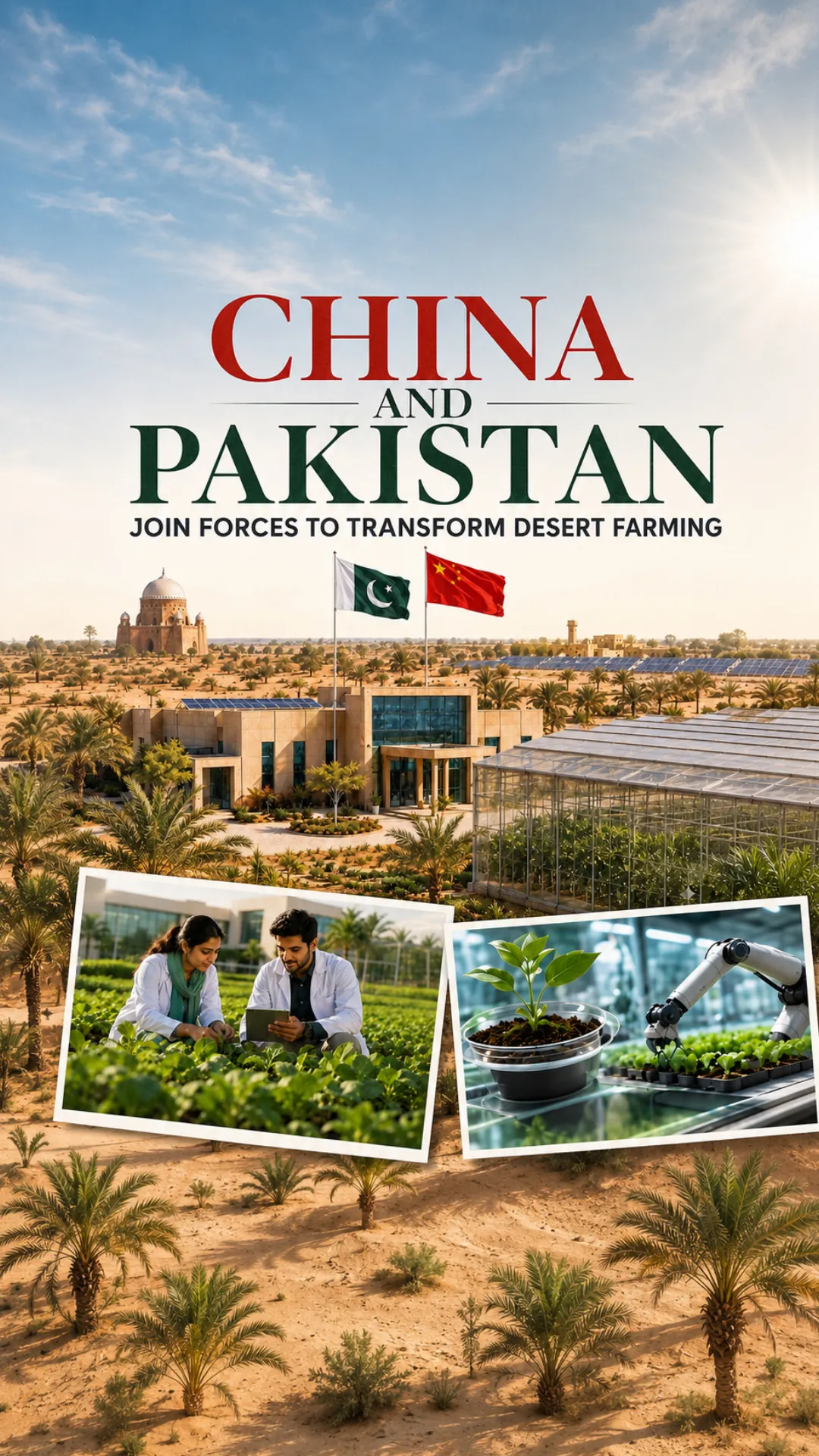
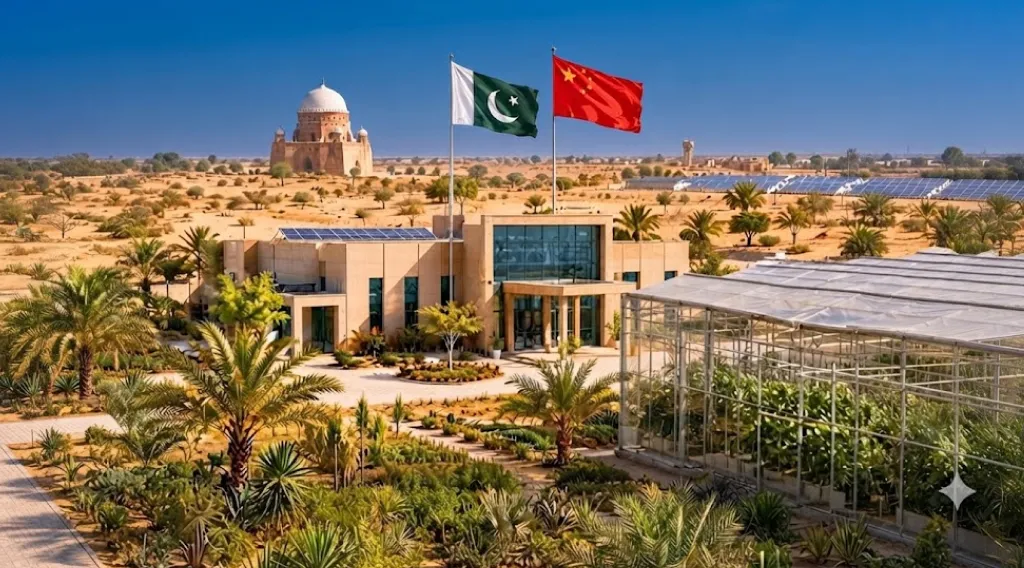
Tarim University has launched the China-Pakistan Science and Technology Backyard on Desert Horticulture in Multan in collaboration with Muhammad Nawaz Sharif University of Agriculture.
The initiative is designed to support agricultural research in Pakistan’s arid and semi-arid regions by combining scientific expertise with practical farming solutions.
The project reflects the growing cooperation between Pakistan and China in agricultural innovation. By focusing on local environmental conditions, the partnership aims to develop sustainable farming practices that can improve productivity while helping farmers adapt to changing climate conditions.

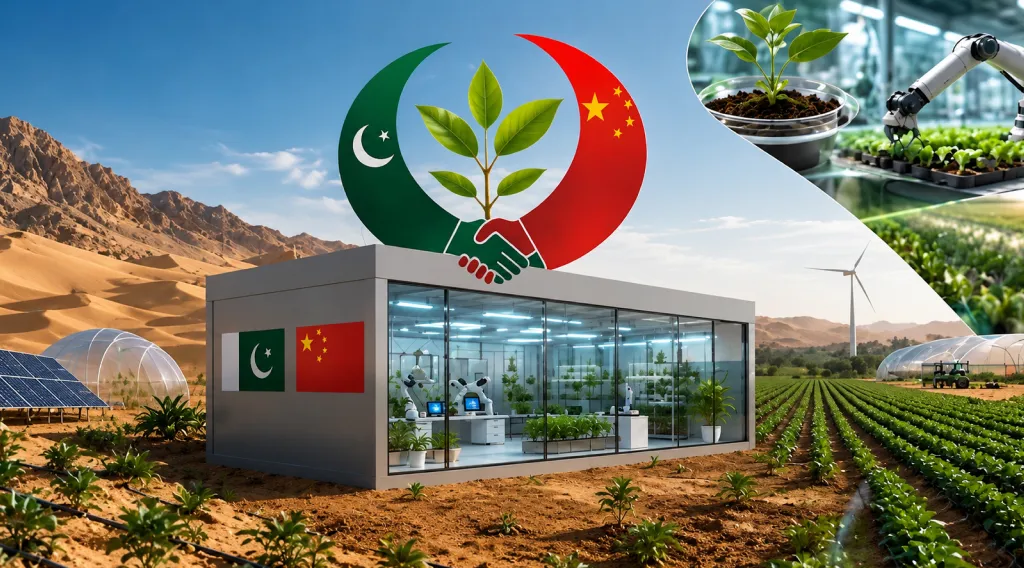
A key objective of the collaboration is to develop drought-resistant horticultural crops capable of thriving in dry climates.
Researchers from both countries will also introduce water-efficient farming techniques to help conserve valuable resources while maintaining healthy crop yields.
The project will establish demonstration farms where modern agricultural methods can be tested under real field conditions. These sites will provide farmers with practical examples of innovative cultivation techniques that can increase resilience, improve efficiency, and strengthen agricultural productivity across water-scarce regions.

The partnership extends beyond research by creating new academic opportunities for students and faculty members from both universities.
A joint postgraduate training program will encourage knowledge exchange through collaborative research, student mobility, and faculty partnerships.
Participants will gain practical experience by working directly on agricultural projects while learning from experts in desert horticulture.
This hands-on approach is expected to equip the next generation of agricultural professionals with the knowledge and technical skills needed to address future farming challenges.

As part of the initiative, both universities will share crop germplasm resources, scientific research, and technological expertise to accelerate innovation in dryland agriculture.
The collaboration aims to produce solutions that can benefit farming communities facing harsh environmental conditions.
The launch of the China-Pakistan Science and Technology Backyard highlights the expanding scientific partnership between the two countries.
By combining research, education, and practical field applications, the project is expected to contribute to sustainable agriculture, food security, and long-term agricultural development in Pakistan.
Tarim University has launched the China-Pakistan Science and Technology Backyard on Desert Horticulture in Multan in collaboration with Muhammad Nawaz Sharif University of Agriculture.
Tarim University has launched the China-Pakistan Science and Technology Backyard on Desert Horticulture in Multan in collaboration with Muhammad Nawaz Sharif University of Agriculture.
The initiative is designed to support agricultural research in Pakistan’s arid and semi-arid regions by combining scientific expertise with practical farming solutions.
The project reflects the growing cooperation between Pakistan and China in agricultural innovation. By focusing on local environmental conditions, the partnership aims to develop sustainable farming practices that can improve productivity while helping farmers adapt to changing climate conditions.
A key objective of the collaboration is to develop drought-resistant horticultural crops capable of thriving in dry climates.
Researchers from both countries will also introduce water-efficient farming techniques to help conserve valuable resources while maintaining healthy crop yields.
The project will establish demonstration farms where modern agricultural methods can be tested under real field conditions. These sites will provide farmers with practical examples of innovative cultivation techniques that can increase resilience, improve efficiency, and strengthen agricultural productivity across water-scarce regions.
The partnership extends beyond research by creating new academic opportunities for students and faculty members from both universities.
A joint postgraduate training program will encourage knowledge exchange through collaborative research, student mobility, and faculty partnerships.
Participants will gain practical experience by working directly on agricultural projects while learning from experts in desert horticulture.
This hands-on approach is expected to equip the next generation of agricultural professionals with the knowledge and technical skills needed to address future farming challenges.
As part of the initiative, both universities will share crop germplasm resources, scientific research, and technological expertise to accelerate innovation in dryland agriculture.
The collaboration aims to produce solutions that can benefit farming communities facing harsh environmental conditions.
The launch of the China-Pakistan Science and Technology Backyard highlights the expanding scientific partnership between the two countries.
By combining research, education, and practical field applications, the project is expected to contribute to sustainable agriculture, food security, and long-term agricultural development in Pakistan.



