Books That Celebrate the Strength, Leadership, and Legacy of the Pakistan Army


Over the years, several authors and analysts have written books that explore the Pakistan Army’s structure, evolution, and role in national security.
These works provide an academic and often balanced perspective on one of the country’s most important institutions.
Rather than focusing on conflict alone, many of these books highlight organizational development, professional training, and the army’s contributions to stability and state-building. They are widely referenced in defense studies and international academic circles

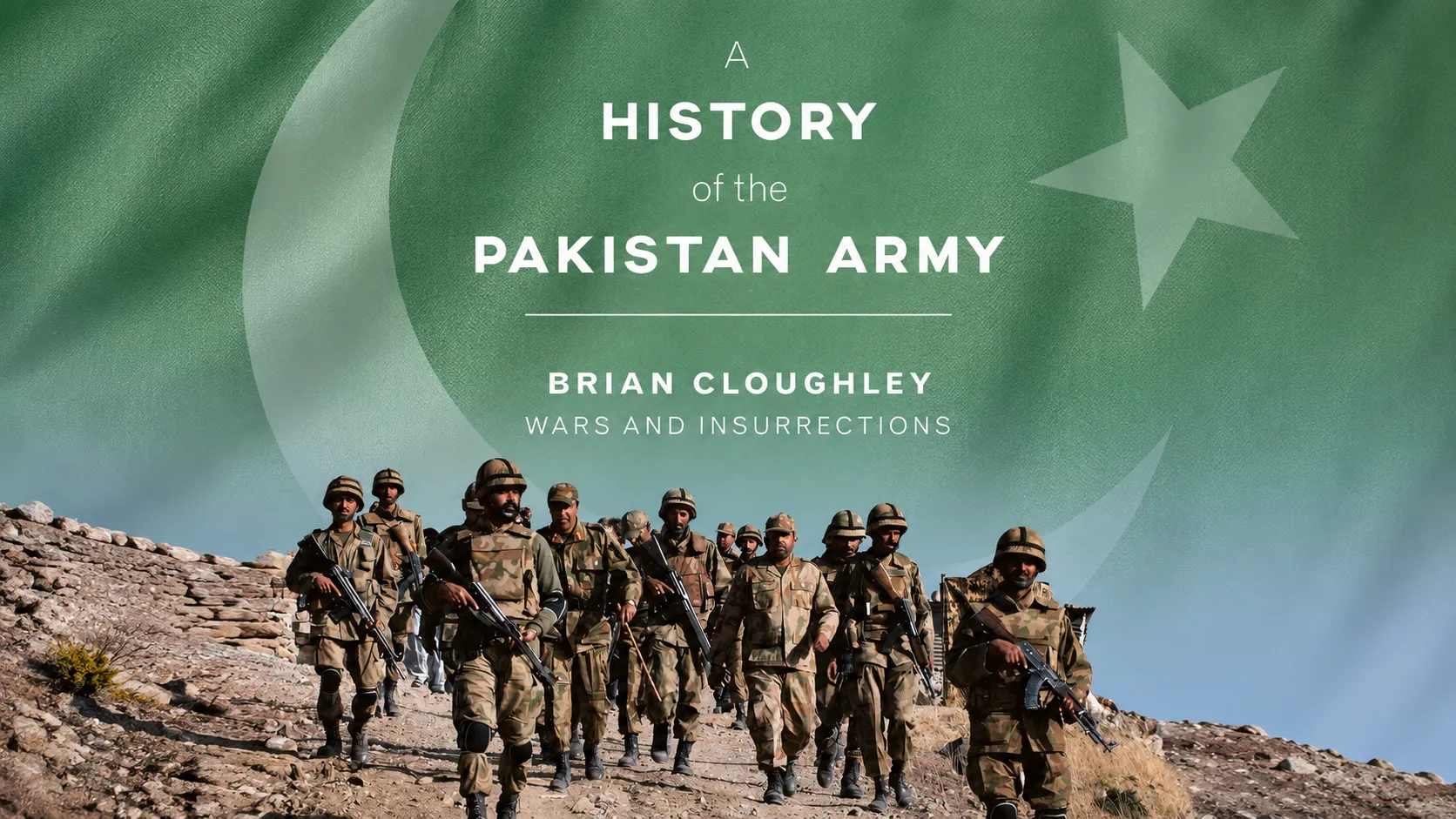
Brian Cloughley’s The Pakistan Army: War and Insurgency is among the most recognized analytical works on the institution. The book examines the army’s operational history, structure, and evolving role in internal and external security challenges.
It provides detailed insights into counter-insurgency efforts, modernization processes, and strategic development over time. The author presents a research-based narrative that highlights both challenges and institutional strengths.
The book is often appreciated for its balanced approach, making it a valuable reference for students.

In the Line of Fire, written by former President and Army Chief General Pervez Musharraf, offers a personal account of leadership during critical phases of Pakistan’s history.
The book provides insights into decision-making at the highest levels of military and political leadership, including security challenges faced by the country. It reflects on the responsibilities and pressures associated with commanding a national institution.
Readers often view it as a first-hand narrative that highlights leadership experiences, strategic choices, and the complexities of governing.
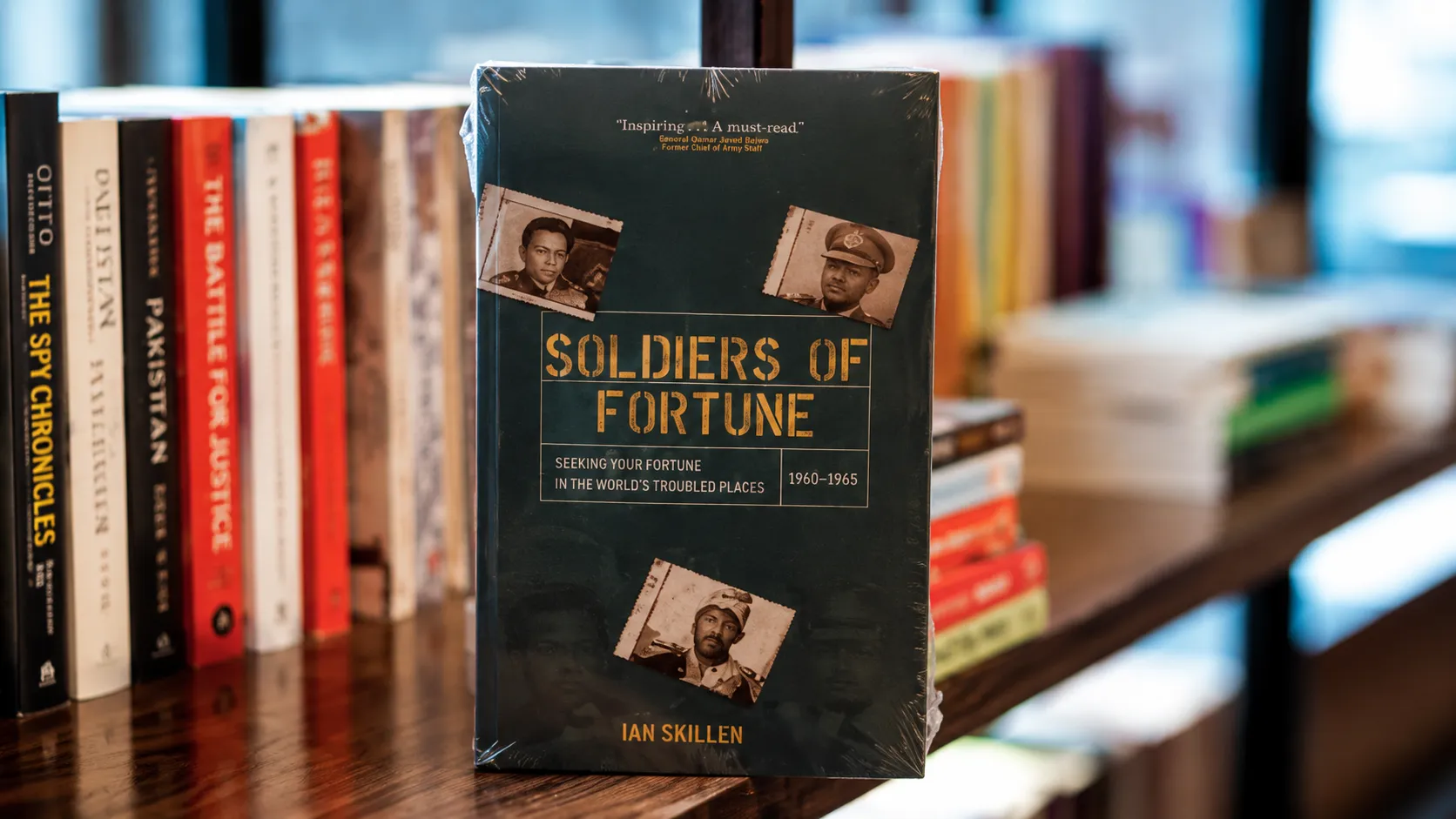
Hassan Abbas’s Soldiers of Fortune: The Pakistan Army and Its Role in the State explores the institution’s contribution to national development and internal stability.
The book focuses on the army’s organizational structure, professional evolution, and role in responding to national crises. It also discusses how the institution has adapted to changing security environments over time.
The author presents the Pakistan Army as a central pillar of the state, emphasizing its institutional resilience and capacity for adaptation.
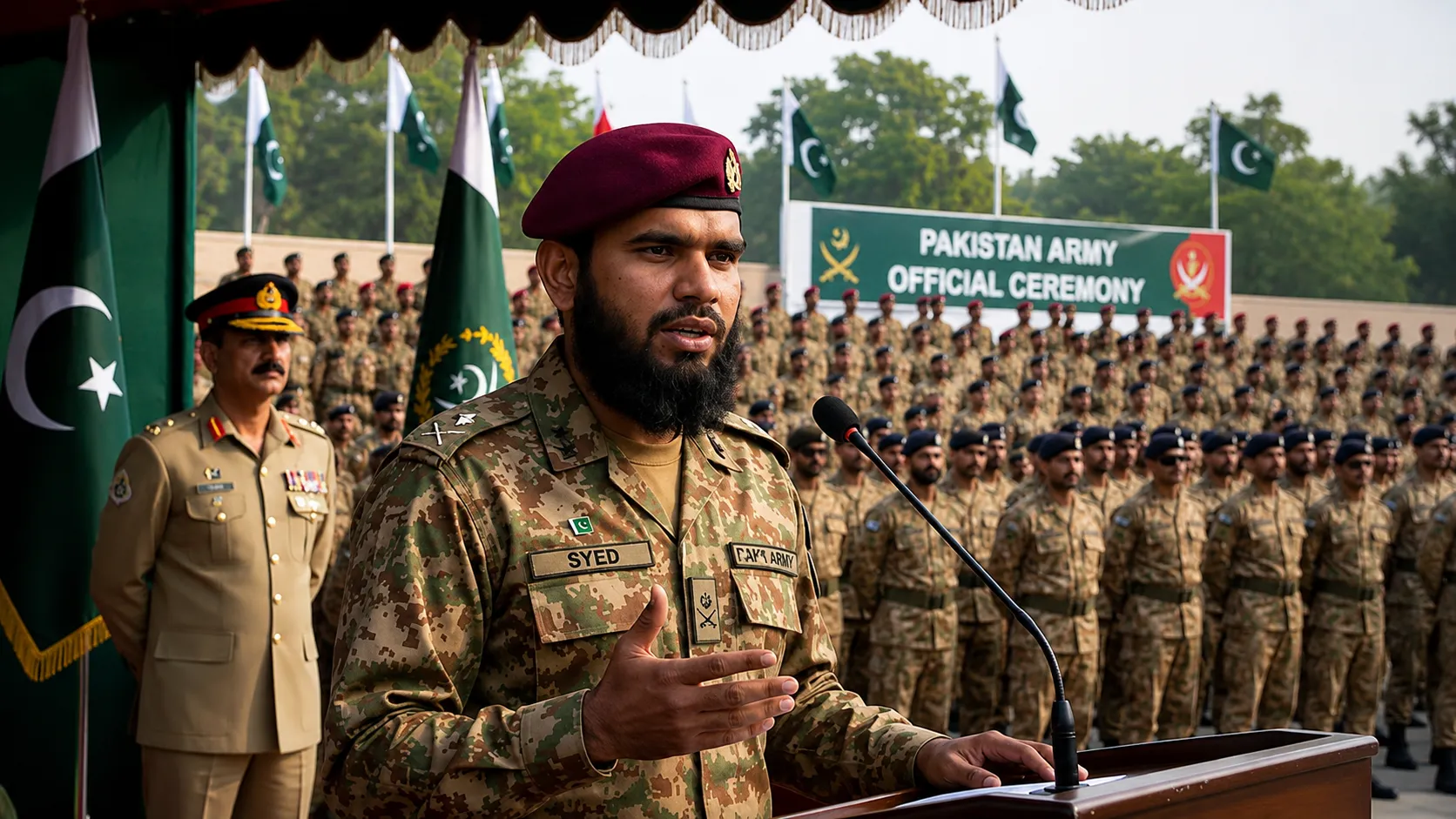
Books written about the Pakistan Army contribute to a broader understanding of its professional identity and strategic importance. Many of these works focus on themes such as leadership, discipline, modernization, and national security.
They help readers view the army not only as a defense force but also as a structured institution with historical depth and evolving responsibilities.
Overall, such literature plays an important role in shaping informed perspectives about the Pakistan Army’s contribution to national stability and its position in regional and global security conte
Over the years, several authors and analysts have written books that explore the Pakistan Army’s structure, evolution, and role in national security.
Over the years, several authors and analysts have written books that explore the Pakistan Army’s structure, evolution, and role in national security.
These works provide an academic and often balanced perspective on one of the country’s most important institutions.
Rather than focusing on conflict alone, many of these books highlight organizational development, professional training, and the army’s contributions to stability and state-building. They are widely referenced in defense studies and international academic circles
Brian Cloughley’s The Pakistan Army: War and Insurgency is among the most recognized analytical works on the institution. The book examines the army’s operational history, structure, and evolving role in internal and external security challenges.
It provides detailed insights into counter-insurgency efforts, modernization processes, and strategic development over time. The author presents a research-based narrative that highlights both challenges and institutional strengths.
The book is often appreciated for its balanced approach, making it a valuable reference for students.
In the Line of Fire, written by former President and Army Chief General Pervez Musharraf, offers a personal account of leadership during critical phases of Pakistan’s history.
The book provides insights into decision-making at the highest levels of military and political leadership, including security challenges faced by the country. It reflects on the responsibilities and pressures associated with commanding a national institution.
Readers often view it as a first-hand narrative that highlights leadership experiences, strategic choices, and the complexities of governing.
Hassan Abbas’s Soldiers of Fortune: The Pakistan Army and Its Role in the State explores the institution’s contribution to national development and internal stability.
The book focuses on the army’s organizational structure, professional evolution, and role in responding to national crises. It also discusses how the institution has adapted to changing security environments over time.
The author presents the Pakistan Army as a central pillar of the state, emphasizing its institutional resilience and capacity for adaptation.
Books written about the Pakistan Army contribute to a broader understanding of its professional identity and strategic importance. Many of these works focus on themes such as leadership, discipline, modernization, and national security.
They help readers view the army not only as a defense force but also as a structured institution with historical depth and evolving responsibilities.
Overall, such literature plays an important role in shaping informed perspectives about the Pakistan Army’s contribution to national stability and its position in regional and global security conte



