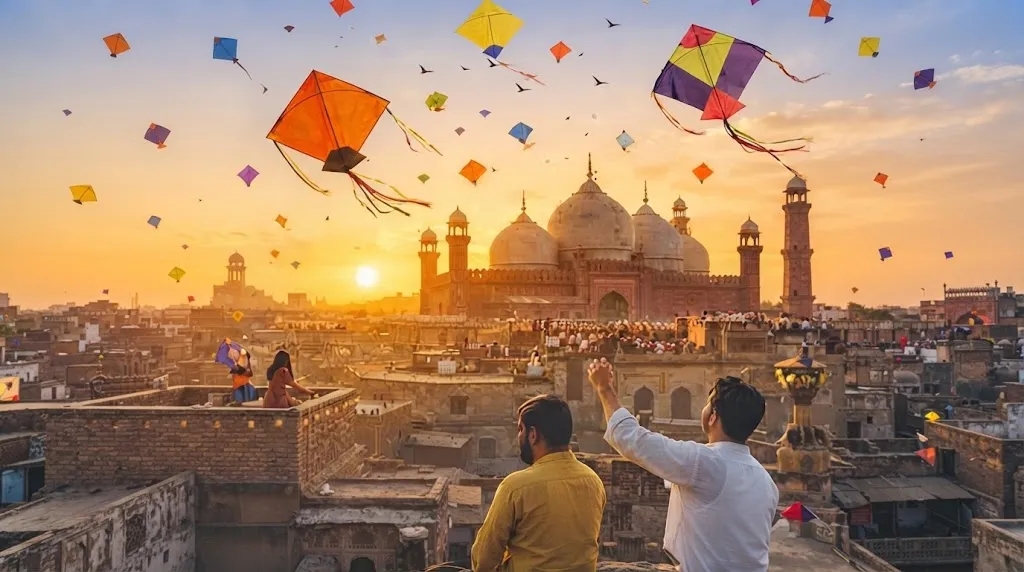
After years away from Lahore’s rooftops, Basant is being brought back under a tightly controlled framework designed to make kite flying safer.
Punjab’s latest preparations focus on regulating where, when and how the traditional festival can take place, rather than allowing unrestricted kite flying across the city.
The government has placed particular emphasis on authorised rooftops and preventing activities that could put residents, motorists or infrastructure at risk. Unsafe or structurally weak buildings will not be permitted to host kite flying, while rooftop walls, grills and access areas must meet specified safety standards.

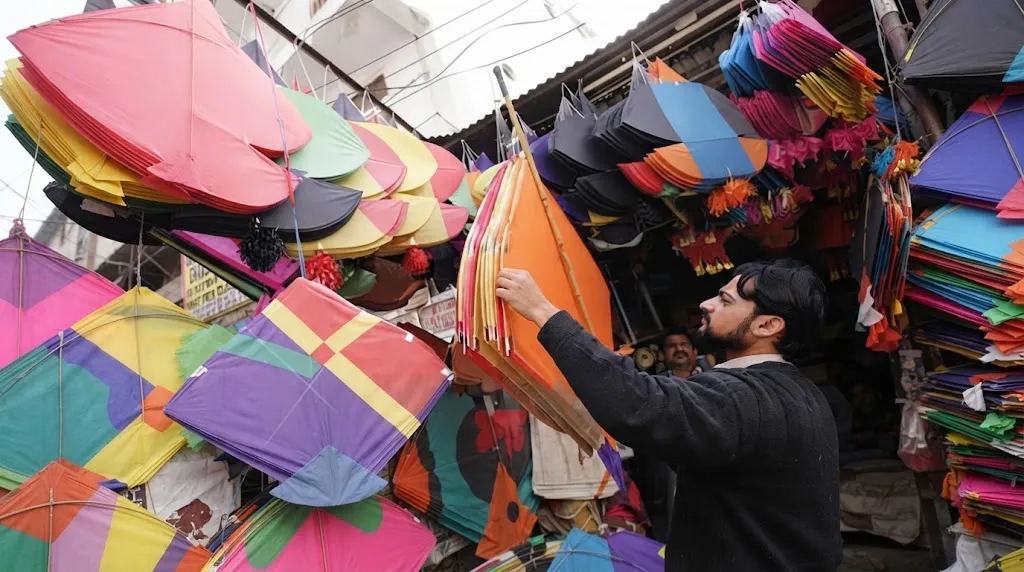
The new framework places responsibility on more than just kite flyers. Manufacturers, sellers and transporters of kites and permitted kite flying materials will require government approval, with the Lahore administration responsible for issuing registrations and permits.
The regulations also draw a firm line against dangerous materials. Metallic wires, nylon cords and strings coated with glass or other sharp substances remain prohibited because of their potential to cause severe injuries. Kite flying itself will also remain illegal outside officially permitted festival days and locations.
For those who ignore the restrictions, the penalties are substantial.
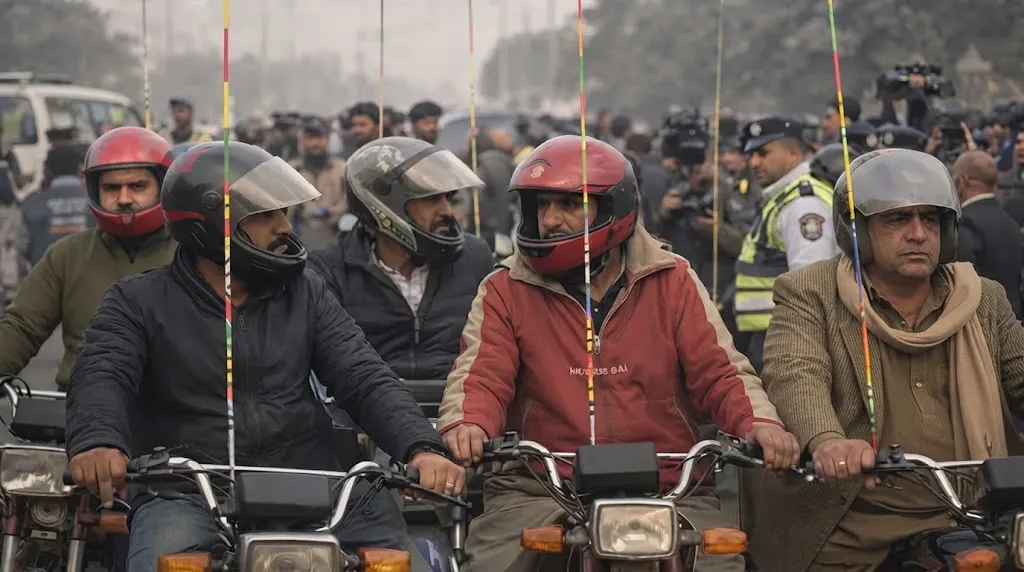
The government is also planning measures aimed at protecting people below the rooftops. Lahore’s traffic authorities have been directed to arrange safety rods for more than two million motorcycles, designed to reduce the risk of kite strings coming into contact with riders.
Electrical infrastructure is another major concern. Lahore Electric Supply Company has been tasked with installing protective netting around vulnerable electrical installations to reduce the dangers associated with falling kite strings.
At the same time, building owners will be responsible for ensuring that authorised rooftops are safe before they are used.
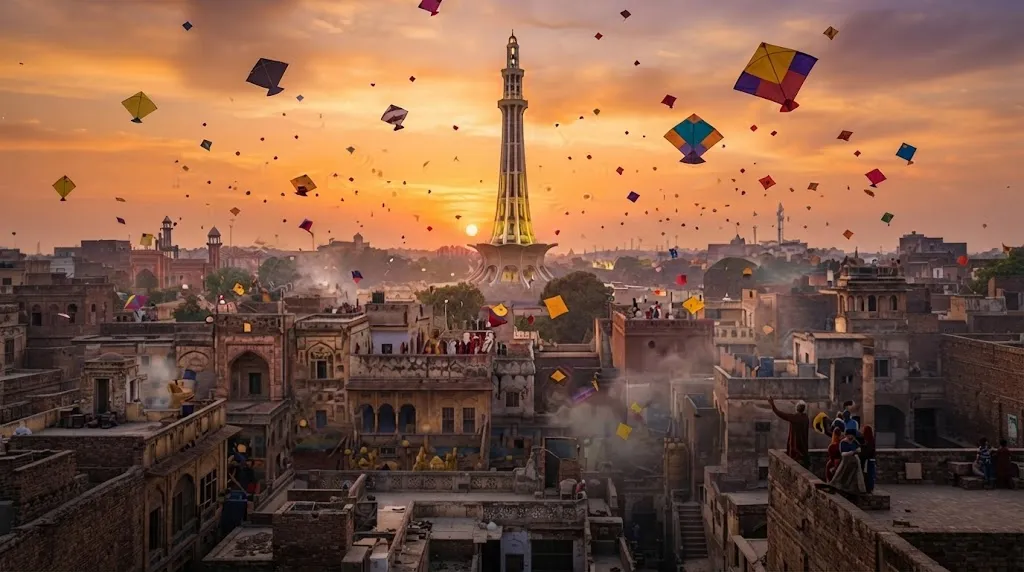
Basant has long been associated with Lahore’s identity, particularly its historic rooftops, springtime celebrations and distinctive kite flying culture.
Its return therefore represents more than the revival of a festival; it is also an effort to reconnect the city with a tradition that disappeared from everyday life for years.
The government’s challenge is to ensure that the revival does not repeat the dangers that contributed to previous restrictions. The 2026 festival was already conducted under strict regulations, including registration requirements, controlled sales and safety measures.
After years away from Lahore’s rooftops, Basant is being brought back under a tightly controlled framework designed to make kite flying safer.
After years away from Lahore’s rooftops, Basant is being brought back under a tightly controlled framework designed to make kite flying safer.
Punjab’s latest preparations focus on regulating where, when and how the traditional festival can take place, rather than allowing unrestricted kite flying across the city.
The government has placed particular emphasis on authorised rooftops and preventing activities that could put residents, motorists or infrastructure at risk. Unsafe or structurally weak buildings will not be permitted to host kite flying, while rooftop walls, grills and access areas must meet specified safety standards.
The new framework places responsibility on more than just kite flyers. Manufacturers, sellers and transporters of kites and permitted kite flying materials will require government approval, with the Lahore administration responsible for issuing registrations and permits.
The regulations also draw a firm line against dangerous materials. Metallic wires, nylon cords and strings coated with glass or other sharp substances remain prohibited because of their potential to cause severe injuries. Kite flying itself will also remain illegal outside officially permitted festival days and locations.
For those who ignore the restrictions, the penalties are substantial.
The government is also planning measures aimed at protecting people below the rooftops. Lahore’s traffic authorities have been directed to arrange safety rods for more than two million motorcycles, designed to reduce the risk of kite strings coming into contact with riders.
Electrical infrastructure is another major concern. Lahore Electric Supply Company has been tasked with installing protective netting around vulnerable electrical installations to reduce the dangers associated with falling kite strings.
At the same time, building owners will be responsible for ensuring that authorised rooftops are safe before they are used.
Basant has long been associated with Lahore’s identity, particularly its historic rooftops, springtime celebrations and distinctive kite flying culture.
Its return therefore represents more than the revival of a festival; it is also an effort to reconnect the city with a tradition that disappeared from everyday life for years.
The government’s challenge is to ensure that the revival does not repeat the dangers that contributed to previous restrictions. The 2026 festival was already conducted under strict regulations, including registration requirements, controlled sales and safety measures.



