
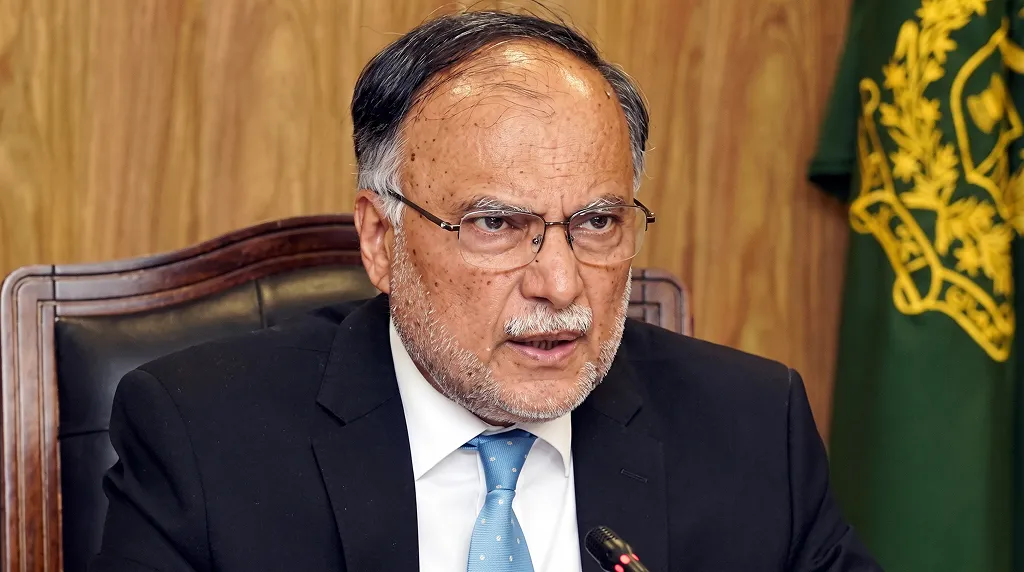
Federal Minister for Planning Ahsan Iqbal has called for a sustained 10-year effort to improve Pakistan’s social and human development indicators, saying education, healthcare, nutrition, clean water and population growth must be treated as national priorities.
Speaking at the first meeting of the Human Capital and Skills Mission under the Uraan Pakistan framework, Iqbal stressed that long-term development cannot depend on short-term measures. He said policy continuity and political stability would be essential for keeping the country on a consistent development path.

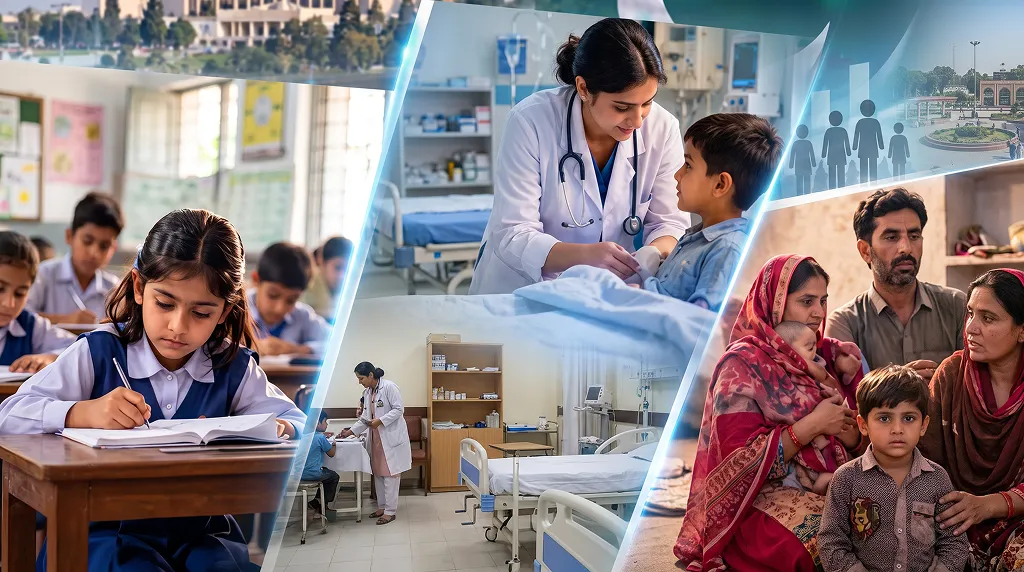
The government’s proposed targets focus heavily on improving Pakistan’s human capital. The briefing noted that around 26 million children are out of school, while only 46 out of every 100 children entering public schools reach Grade 10.
Health and nutrition also remain major areas of concern. Pakistan’s Human Capital Index stands at 0.41, while child stunting affects 40.2% of children. Maternal mortality was reported at 186 deaths per 100,000 live births.
A major part of the proposal is to move decision-making closer to citizens. Iqbal argued that provincial-level administration alone cannot effectively manage the needs of entire provinces and called for greater authority and responsibility at the district level.
Under the proposed structure, the federal government would focus on setting standards, coordinating national policies, managing international commitments and consolidating data, while provinces would take the lead in implementing programmes.
Federal Minister for Planning Ahsan Iqbal has called for a sustained 10-year effort to improve Pakistan’s social and human development indicators, saying education, healthcare, nutrition, clean water and population growth must be treated as national priorities.
Federal Minister for Planning Ahsan Iqbal has called for a sustained 10-year effort to improve Pakistan’s social and human development indicators, saying education, healthcare, nutrition, clean water and population growth must be treated as national priorities.
Speaking at the first meeting of the Human Capital and Skills Mission under the Uraan Pakistan framework, Iqbal stressed that long-term development cannot depend on short-term measures. He said policy continuity and political stability would be essential for keeping the country on a consistent development path.
The government’s proposed targets focus heavily on improving Pakistan’s human capital. The briefing noted that around 26 million children are out of school, while only 46 out of every 100 children entering public schools reach Grade 10.
Health and nutrition also remain major areas of concern. Pakistan’s Human Capital Index stands at 0.41, while child stunting affects 40.2% of children. Maternal mortality was reported at 186 deaths per 100,000 live births.
A major part of the proposal is to move decision-making closer to citizens. Iqbal argued that provincial-level administration alone cannot effectively manage the needs of entire provinces and called for greater authority and responsibility at the district level.
Under the proposed structure, the federal government would focus on setting standards, coordinating national policies, managing international commitments and consolidating data, while provinces would take the lead in implementing programmes.



