Aap Ki Izzat Review: When Drama Confronts a Difficult Reality
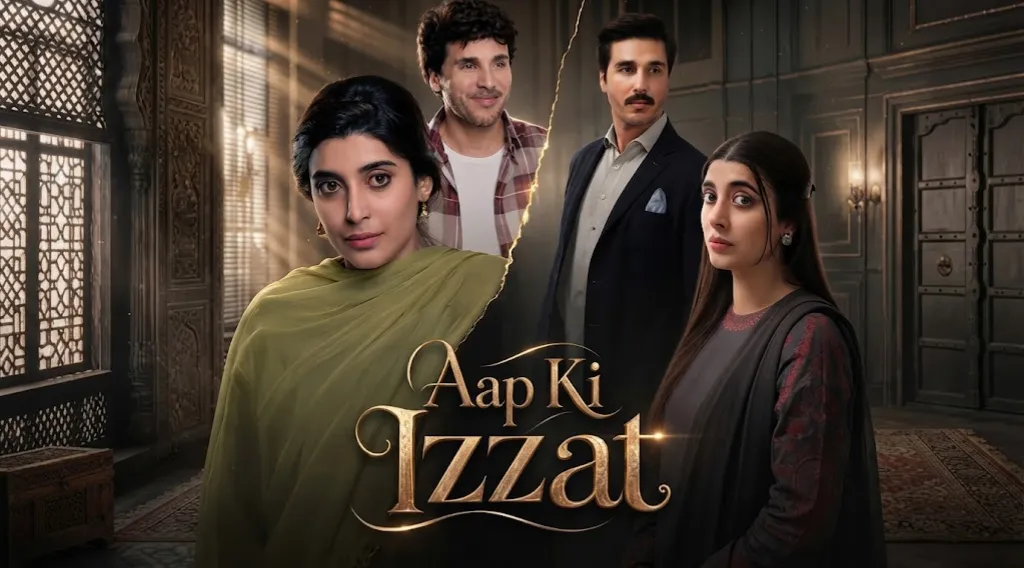
In Pakistani society, izzat is often associated with family dignity, respect, values and social standing. But when the idea of honour becomes a reason to control another person’s choices, it can take a deeply harmful turn.
Honor based violence is not about protecting dignity. It is about control, fear and the belief that one person has the right to decide another person’s life.

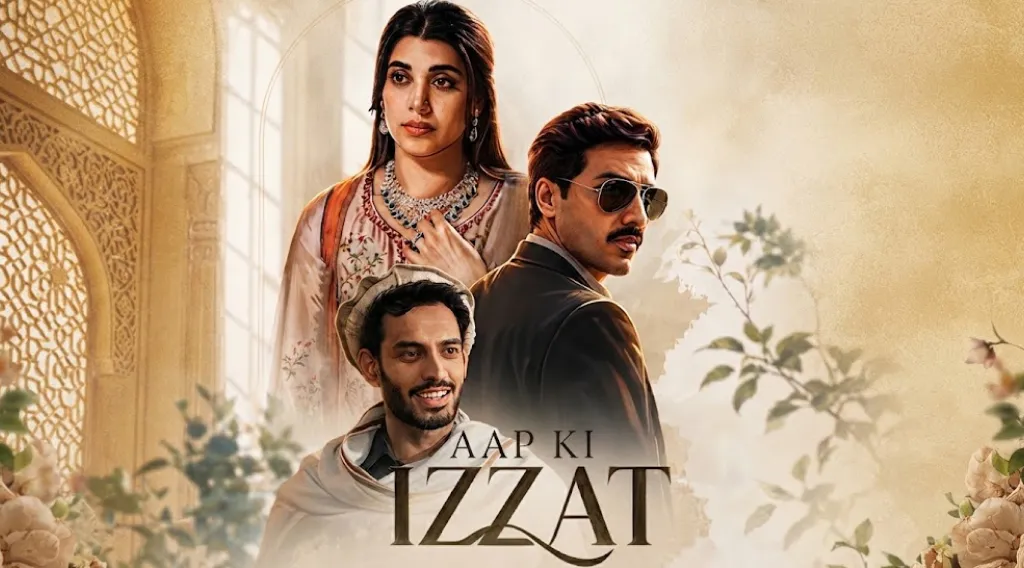
The idea of family honour can become dangerous when personal choices are treated as threats to a family’s reputation. Restrictions, forced decisions, intimidation and violence can all emerge from this mindset.
In the most devastating cases, individuals lose their lives because someone believes their actions have damaged the family’s honour. These tragedies reveal how deeply harmful the belief can be that reputation matters more than a person’s right to live freely and safely.
No disagreement, relationship or personal decision can ever justify taking another person’s life. Real dignity cannot be built through fear.
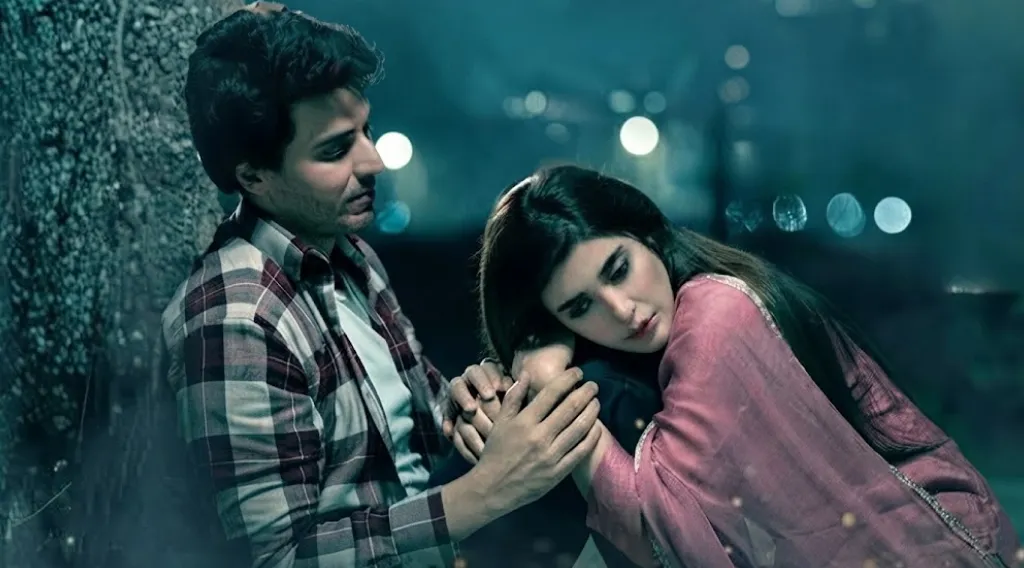
Preventing honor based violence begins with changing how families and communities respond to difficult situations. Conversation, empathy and understanding can replace threats, pressure and punishment.
Parents and elders have an important role in creating spaces where young people can speak openly about their concerns and choices without fear. Communities can also challenge harmful attitudes instead of protecting violence under the language of tradition or reputation. Awareness is an important first step.
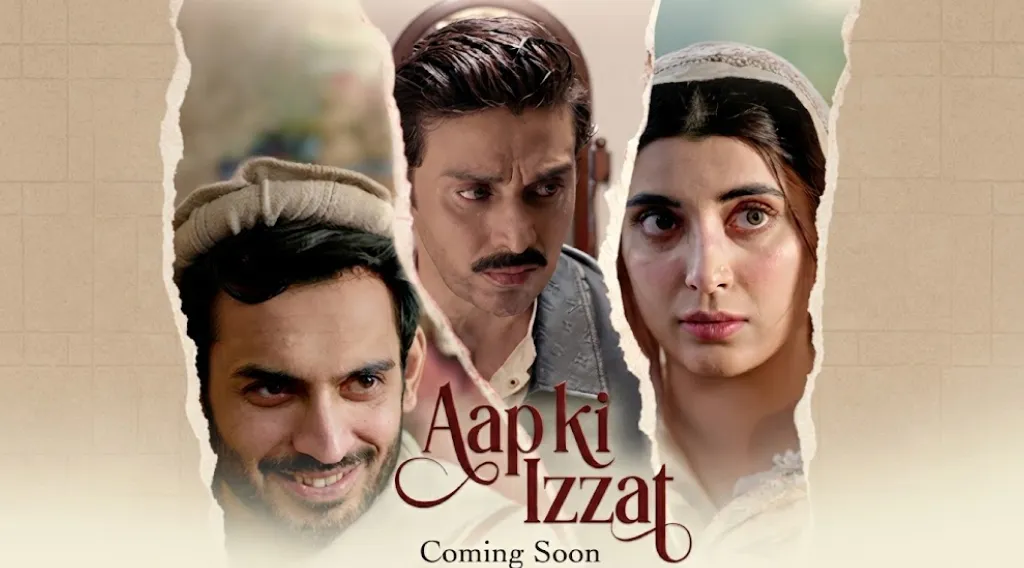
The true meaning of izzat should be rooted in dignity, compassion and respect for human life. It should never depend on controlling another person or deciding that someone deserves punishment for their choices.
Aap Ki Izzat uses a difficult subject to open a conversation that families and communities cannot afford to ignore.
Stories like this can encourage audiences to question harmful beliefs and recognise the consequences of normalising control and violence.
In Pakistani society, izzat is often associated with family dignity, respect, values and social standing.
In Pakistani society, izzat is often associated with family dignity, respect, values and social standing. But when the idea of honour becomes a reason to control another person’s choices, it can take a deeply harmful turn.
Honor based violence is not about protecting dignity. It is about control, fear and the belief that one person has the right to decide another person’s life.
The idea of family honour can become dangerous when personal choices are treated as threats to a family’s reputation. Restrictions, forced decisions, intimidation and violence can all emerge from this mindset.
In the most devastating cases, individuals lose their lives because someone believes their actions have damaged the family’s honour. These tragedies reveal how deeply harmful the belief can be that reputation matters more than a person’s right to live freely and safely.
No disagreement, relationship or personal decision can ever justify taking another person’s life. Real dignity cannot be built through fear.
Preventing honor based violence begins with changing how families and communities respond to difficult situations. Conversation, empathy and understanding can replace threats, pressure and punishment.
Parents and elders have an important role in creating spaces where young people can speak openly about their concerns and choices without fear. Communities can also challenge harmful attitudes instead of protecting violence under the language of tradition or reputation. Awareness is an important first step.
The true meaning of izzat should be rooted in dignity, compassion and respect for human life. It should never depend on controlling another person or deciding that someone deserves punishment for their choices.
Aap Ki Izzat uses a difficult subject to open a conversation that families and communities cannot afford to ignore.
Stories like this can encourage audiences to question harmful beliefs and recognise the consequences of normalising control and violence.



