
For Shirin and Shahab Husain, improving children’s access to education began not with a large organisation or ambitious campaign, but with a commitment to communities around Karachi that often receive little attention.
Through the Sindh Singhar Initiative, the couple began working to create educational opportunities for children living in underserved areas on Karachi’s outskirts.
Their approach has been focused on building something lasting rather than seeking quick results.

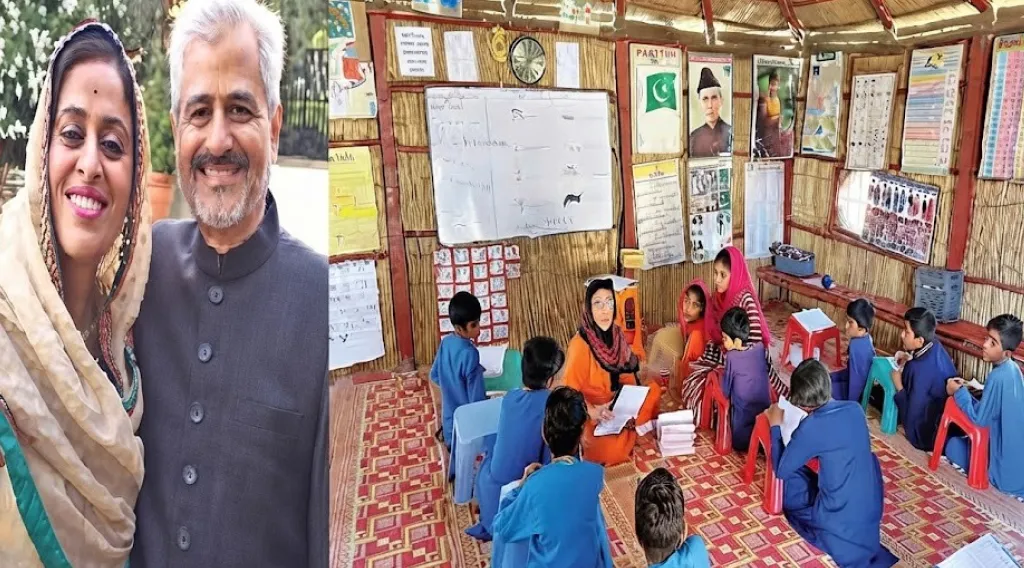
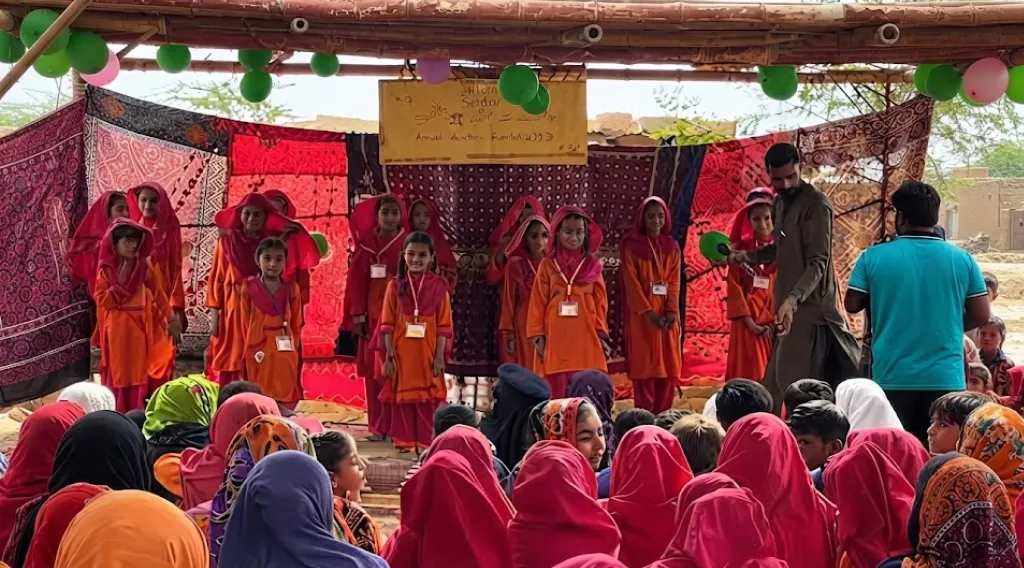
The Sindh Singhar Initiative now reaches children across 19 communities around Karachi, providing access to education through a network of five schools. For families living in underserved areas, having a school within reach can make an enormous difference.
The initiative focuses on communities where educational opportunities can be limited by poverty, distance and a lack of nearby facilities.
Instead of asking families to overcome those barriers alone, the initiative brings schooling closer to where children live.
What makes Shirin and Shahab’s story meaningful is the long term nature of their work.
Their focus has not simply been on putting classrooms in underserved communities, but on creating spaces where children can receive an education and build a stronger foundation for their future.
For children growing up in communities with limited resources, education can open doors that would otherwise remain out of reach.
A school can become a place where children discover their abilities, develop aspirations and gain the confidence to pursue opportunities beyond their immediate surroundings.
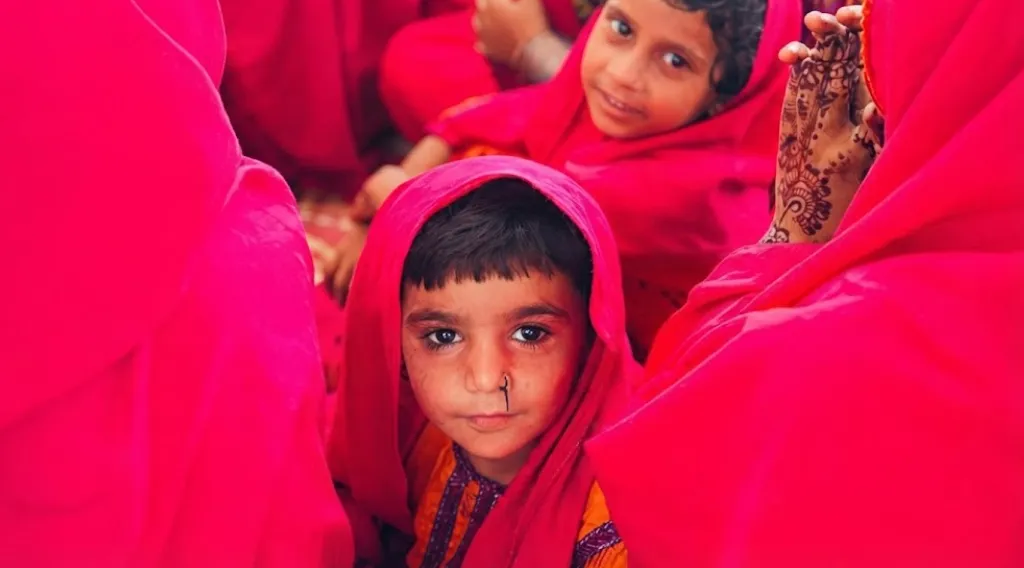
Shirin and Shahab Husain’s journey is a reminder that meaningful change does not always arrive with headlines or grand announcements. Sometimes, it grows quietly through years of consistent effort and a commitment to people who need opportunities the most.
From one initiative to five schools serving 19 communities, their work has created an educational network for children around Karachi’s outskirts.
The numbers tell part of the story, but the real impact lies in the students who now have a place to learn and a reason to dream bigger.
For Shirin and Shahab Husain, improving children’s access to education began not with a large organisation or ambitious campaign, but with a commitment to communities around Karachi that often receive little attention.
For Shirin and Shahab Husain, improving children’s access to education began not with a large organisation or ambitious campaign, but with a commitment to communities around Karachi that often receive little attention.
Through the Sindh Singhar Initiative, the couple began working to create educational opportunities for children living in underserved areas on Karachi’s outskirts.
Their approach has been focused on building something lasting rather than seeking quick results.
The Sindh Singhar Initiative now reaches children across 19 communities around Karachi, providing access to education through a network of five schools. For families living in underserved areas, having a school within reach can make an enormous difference.
The initiative focuses on communities where educational opportunities can be limited by poverty, distance and a lack of nearby facilities.
Instead of asking families to overcome those barriers alone, the initiative brings schooling closer to where children live.
What makes Shirin and Shahab’s story meaningful is the long term nature of their work.
Their focus has not simply been on putting classrooms in underserved communities, but on creating spaces where children can receive an education and build a stronger foundation for their future.
For children growing up in communities with limited resources, education can open doors that would otherwise remain out of reach.
A school can become a place where children discover their abilities, develop aspirations and gain the confidence to pursue opportunities beyond their immediate surroundings.
Shirin and Shahab Husain’s journey is a reminder that meaningful change does not always arrive with headlines or grand announcements. Sometimes, it grows quietly through years of consistent effort and a commitment to people who need opportunities the most.
From one initiative to five schools serving 19 communities, their work has created an educational network for children around Karachi’s outskirts.
The numbers tell part of the story, but the real impact lies in the students who now have a place to learn and a reason to dream bigger.



