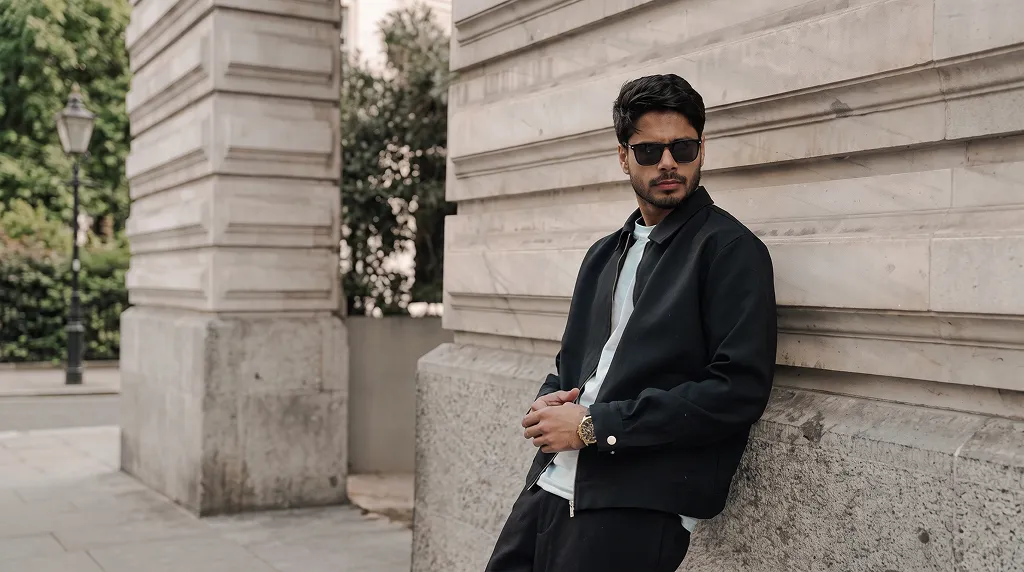
Actor Haris Waheed has spoken about wanting to develop a different kind of television hero, one that reflects his own interpretation rather than simply following the familiar formulas often seen on Pakistani dramas.
Rather than trying to fit himself into an established image of what a leading man should look or behave like, Haris wants to build characters with their own personality, emotional depth and individuality.
His approach reflects a broader interest in bringing more variety to male characters on television, where protagonists can sometimes be shaped around similar traits and storylines.


Haris has built his career by taking on characters across different genres and moving between conventional and more layered roles. His performances have allowed him to explore personalities that are not always defined by the typical leading man template.
His latest comments show that he is interested in continuing that experimentation rather than being restricted by audience expectations or established character types.
For an actor, developing a recognisable screen identity can come from repeatedly choosing roles that offer something different.
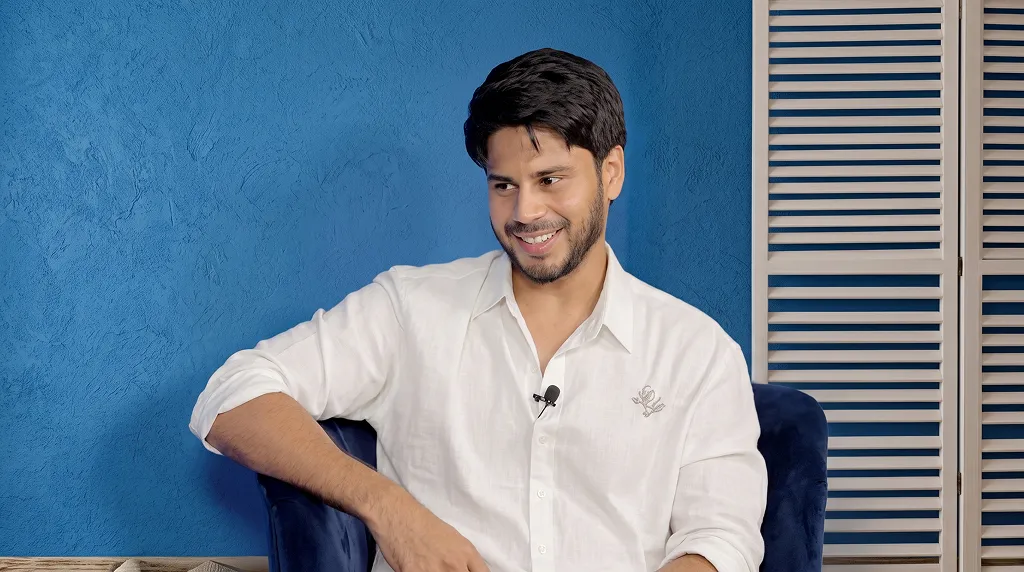
The idea of creating a personal version of the television hero also reflects how audience expectations are changing. Viewers increasingly encounter male protagonists with different personalities, vulnerabilities and motivations rather than one fixed definition of heroism.
Haris Waheed’s comments place that evolution within his own career, as he looks to explore what a leading character can mean through his performances.
Instead of simply reproducing an existing formula, his ambition is to develop a screen identity that feels distinctly his own.
Actor Haris Waheed has spoken about wanting to develop a different kind of television hero, one that reflects his own interpretation rather than simply following the familiar formulas often seen on Pakistani dramas.
Actor Haris Waheed has spoken about wanting to develop a different kind of television hero, one that reflects his own interpretation rather than simply following the familiar formulas often seen on Pakistani dramas.
Rather than trying to fit himself into an established image of what a leading man should look or behave like, Haris wants to build characters with their own personality, emotional depth and individuality.
His approach reflects a broader interest in bringing more variety to male characters on television, where protagonists can sometimes be shaped around similar traits and storylines.
Haris has built his career by taking on characters across different genres and moving between conventional and more layered roles. His performances have allowed him to explore personalities that are not always defined by the typical leading man template.
His latest comments show that he is interested in continuing that experimentation rather than being restricted by audience expectations or established character types.
For an actor, developing a recognisable screen identity can come from repeatedly choosing roles that offer something different.
The idea of creating a personal version of the television hero also reflects how audience expectations are changing. Viewers increasingly encounter male protagonists with different personalities, vulnerabilities and motivations rather than one fixed definition of heroism.
Haris Waheed’s comments place that evolution within his own career, as he looks to explore what a leading character can mean through his performances.
Instead of simply reproducing an existing formula, his ambition is to develop a screen identity that feels distinctly his own.