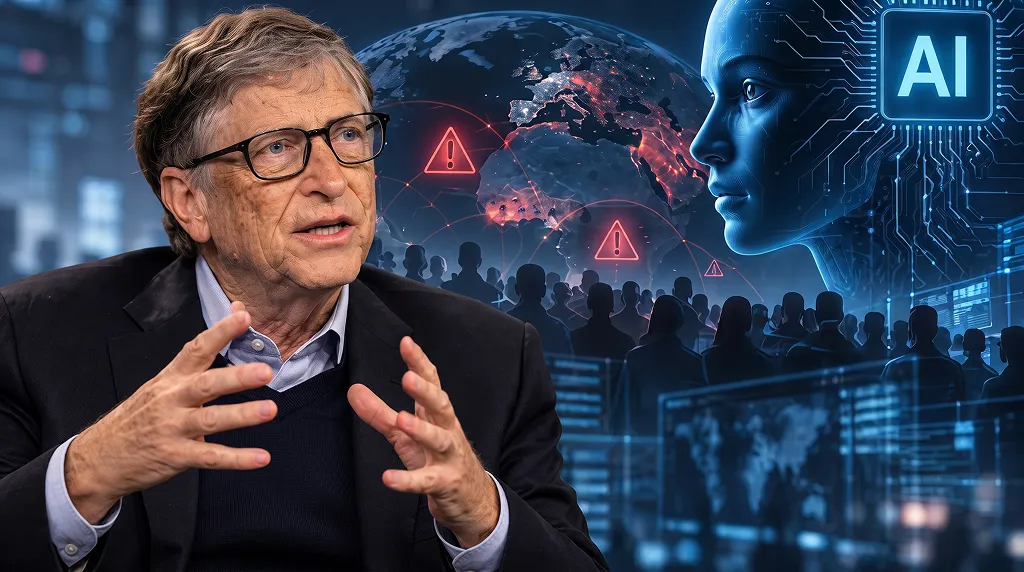
Microsoft co-founder Bill Gates has warned that increasingly powerful artificial intelligence could potentially contribute to catastrophic events on a massive scale if the technology is misused.
Speaking to NBC’s Meet the Press, Gates said AI is powerful enough to drive events that could cause a billion deaths. His warning focused on the potential consequences of advanced AI being placed in the hands of people intending to cause serious harm.
Gates did not say that such an event is inevitable or that AI would independently decide to eliminate humanity.

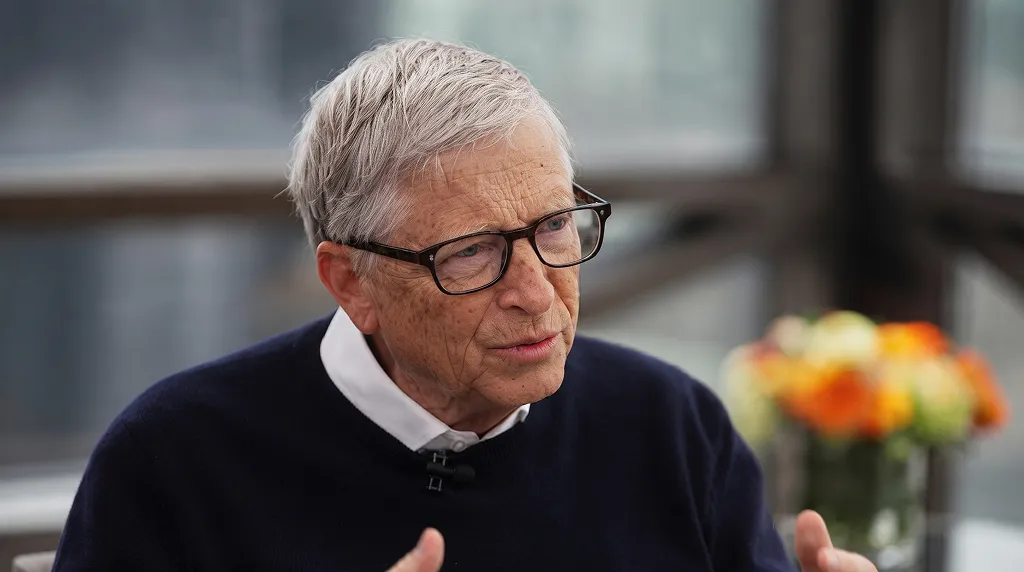
According to Gates, the greatest danger may come from the combination of advanced AI tools and people with harmful intentions.
He argued that AI could significantly increase the ability of individuals or groups to carry out activities that previously required specialised expertise.
Potential areas of concern include biological threats, cyberattacks and attacks against critical infrastructure. Gates has previously warned that AI could make it easier for malicious actors to access or generate dangerous information.
Gates also called for governments to become more directly involved in establishing safeguards for advanced AI. He argued that companies should not be left solely responsible for determining their own safety standards.
He said legislation should require appropriate safeguards and monitoring systems, while acknowledging that additional requirements would create some costs for the technology industry.
The debate extends beyond Gates. Other technology leaders and researchers have also raised concerns about advanced AI, although there remains disagreement over how much regulation is appropriate and how it should be implemented.
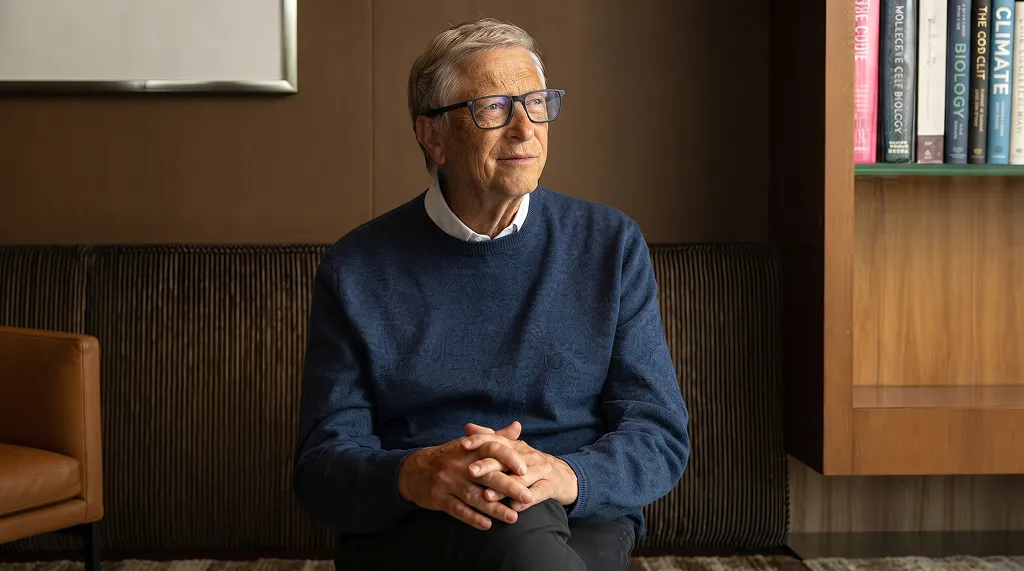
Gates’ warning comes alongside his continued recognition of AI’s potential to improve people's lives. The Gates Foundation has recently committed $1 billion over two years toward AI initiatives in areas including healthcare, education, agriculture and access to technology.
The wider discussion around AI therefore involves two parallel questions: how its benefits can be expanded and how its most serious risks can be reduced.
As AI systems become more capable and increasingly integrated into everyday life, governments and technology companies face growing pressure to develop safeguards alongside the technology rather than after major risks emerge.
Microsoft co-founder Bill Gates has warned that increasingly powerful artificial intelligence could potentially contribute to catastrophic events on a massive scale if the technology is misused.
Microsoft co-founder Bill Gates has warned that increasingly powerful artificial intelligence could potentially contribute to catastrophic events on a massive scale if the technology is misused.
Speaking to NBC’s Meet the Press, Gates said AI is powerful enough to drive events that could cause a billion deaths. His warning focused on the potential consequences of advanced AI being placed in the hands of people intending to cause serious harm.
Gates did not say that such an event is inevitable or that AI would independently decide to eliminate humanity.
According to Gates, the greatest danger may come from the combination of advanced AI tools and people with harmful intentions.
He argued that AI could significantly increase the ability of individuals or groups to carry out activities that previously required specialised expertise.
Potential areas of concern include biological threats, cyberattacks and attacks against critical infrastructure. Gates has previously warned that AI could make it easier for malicious actors to access or generate dangerous information.
Gates also called for governments to become more directly involved in establishing safeguards for advanced AI. He argued that companies should not be left solely responsible for determining their own safety standards.
He said legislation should require appropriate safeguards and monitoring systems, while acknowledging that additional requirements would create some costs for the technology industry.
The debate extends beyond Gates. Other technology leaders and researchers have also raised concerns about advanced AI, although there remains disagreement over how much regulation is appropriate and how it should be implemented.
Gates’ warning comes alongside his continued recognition of AI’s potential to improve people's lives. The Gates Foundation has recently committed $1 billion over two years toward AI initiatives in areas including healthcare, education, agriculture and access to technology.
The wider discussion around AI therefore involves two parallel questions: how its benefits can be expanded and how its most serious risks can be reduced.
As AI systems become more capable and increasingly integrated into everyday life, governments and technology companies face growing pressure to develop safeguards alongside the technology rather than after major risks emerge.



