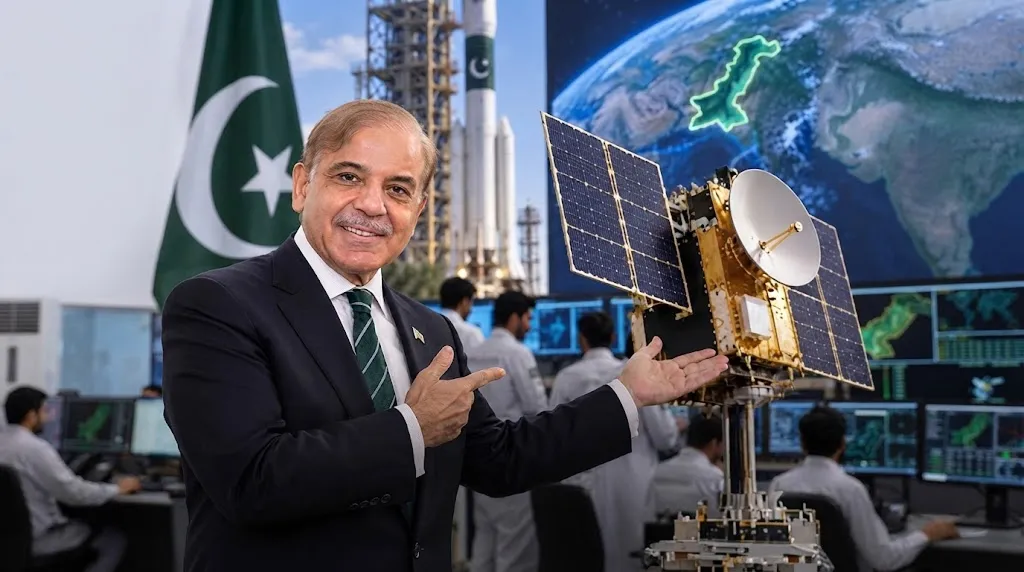
Pakistan is taking another step toward expanding its satellite infrastructure with the proposed PAKSAT-2 project, estimated at Rs37.19 billion.
The project has moved forward after the Central Development Working Party recommended it to the Executive Committee of the National Economic Council for further consideration.
The investment comes as demand for reliable satellite connectivity continues to grow, making space based communication increasingly important for countries seeking stronger digital infrastructure.

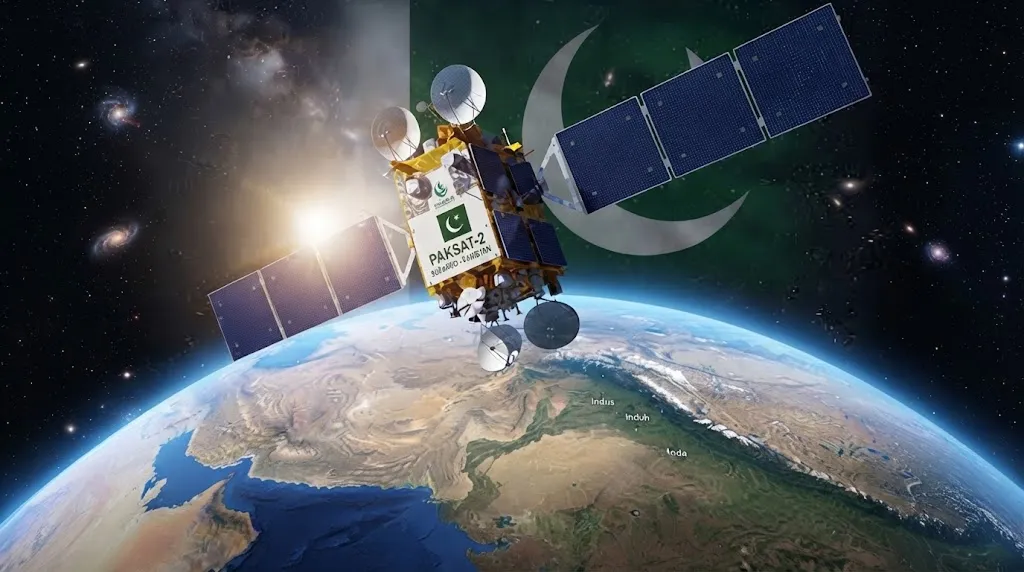
Satellites are not simply about sending signals into space. They support the infrastructure behind broadcasting, telecommunications, internet connectivity and data services, particularly in areas where conventional terrestrial networks can be difficult or expensive to extend.
Pakistan already operates communication satellites, including PAKSAT-1R and PAKSAT-MM1. PAKSAT-MM1, launched in May 2024, is a high power multi mission communication satellite offering C, Ku and Ka band coverage.
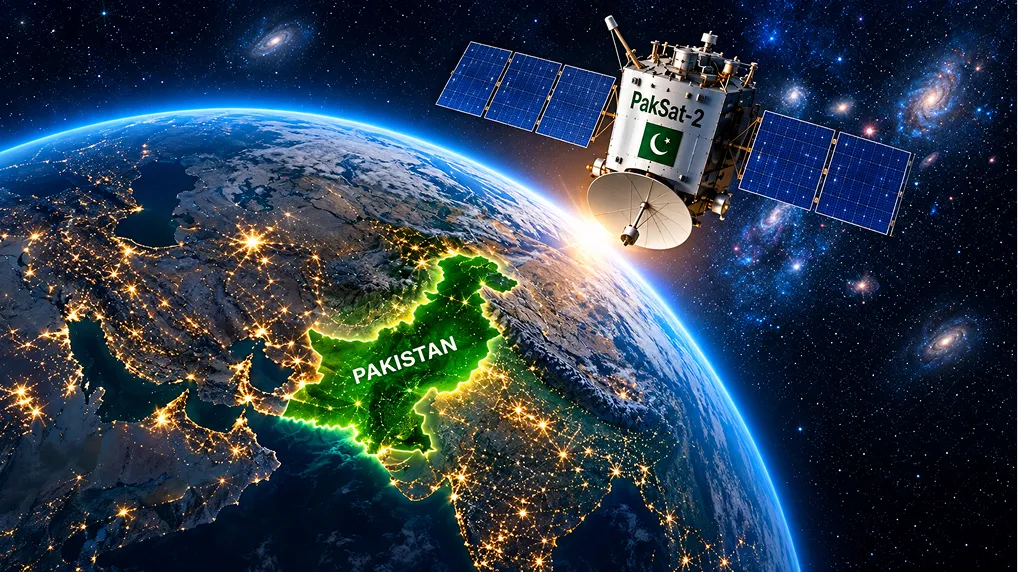
The satellite project fits into a wider expansion of Pakistan’s space programme. SUPARCO, the country’s national space agency, currently works across satellite development, remote sensing, scientific research and space technology applications.
Pakistan has also been developing satellites for different purposes, including Earth observation. SUPARCO says its satellite programmes are intended to support communication, remote sensing and scientific data applications, while space technology is increasingly being used for areas such as agriculture, environmental monitoring, urban planning and disaster management.
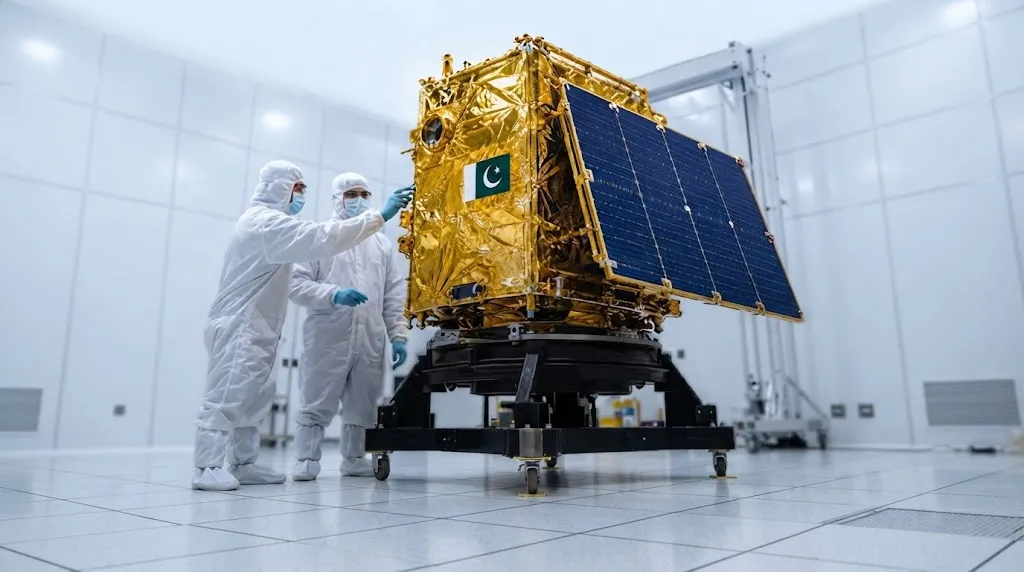
The proposed investment comes at an interesting moment for Pakistan’s space programme. Alongside satellite development, the country is pursuing deeper cooperation with China on human spaceflight.
In 2025, Pakistan and China signed an agreement under which two Pakistani astronauts are to undergo training, with one expected to participate in a future mission to China’s Tiangong space station.
At the same time, Pakistan is expanding the practical use of satellite technology on Earth, from geospatial analysis to climate and disaster monitoring. PAKSAT-2 is therefore more than a single satellite project.
Pakistan is taking another step toward expanding its satellite infrastructure with the proposed PAKSAT-2 project, estimated at Rs37.19 billion.
Pakistan is taking another step toward expanding its satellite infrastructure with the proposed PAKSAT-2 project, estimated at Rs37.19 billion.
The project has moved forward after the Central Development Working Party recommended it to the Executive Committee of the National Economic Council for further consideration.
The investment comes as demand for reliable satellite connectivity continues to grow, making space based communication increasingly important for countries seeking stronger digital infrastructure.
Satellites are not simply about sending signals into space. They support the infrastructure behind broadcasting, telecommunications, internet connectivity and data services, particularly in areas where conventional terrestrial networks can be difficult or expensive to extend.
Pakistan already operates communication satellites, including PAKSAT-1R and PAKSAT-MM1. PAKSAT-MM1, launched in May 2024, is a high power multi mission communication satellite offering C, Ku and Ka band coverage.
The satellite project fits into a wider expansion of Pakistan’s space programme. SUPARCO, the country’s national space agency, currently works across satellite development, remote sensing, scientific research and space technology applications.
Pakistan has also been developing satellites for different purposes, including Earth observation. SUPARCO says its satellite programmes are intended to support communication, remote sensing and scientific data applications, while space technology is increasingly being used for areas such as agriculture, environmental monitoring, urban planning and disaster management.
The proposed investment comes at an interesting moment for Pakistan’s space programme. Alongside satellite development, the country is pursuing deeper cooperation with China on human spaceflight.
In 2025, Pakistan and China signed an agreement under which two Pakistani astronauts are to undergo training, with one expected to participate in a future mission to China’s Tiangong space station.
At the same time, Pakistan is expanding the practical use of satellite technology on Earth, from geospatial analysis to climate and disaster monitoring. PAKSAT-2 is therefore more than a single satellite project.



