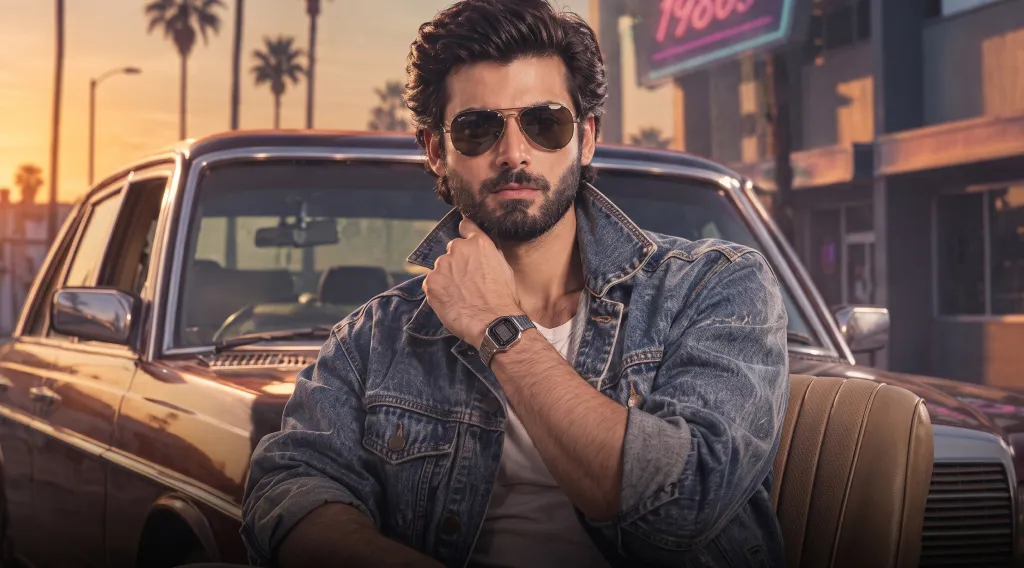
Fawad Khan would fit perfectly into the golden age of PTV, when dramas like Dhoop Kinare and Tanhaiyan turned actors into household names. With thick hair, sharp tailoring and effortless charm, he would be the decade’s quintessential romantic hero.
His world would include The Herald covers, Karachi cinema premieres and a Lux campaign, with fans waiting for his latest photographs to appear in magazines.

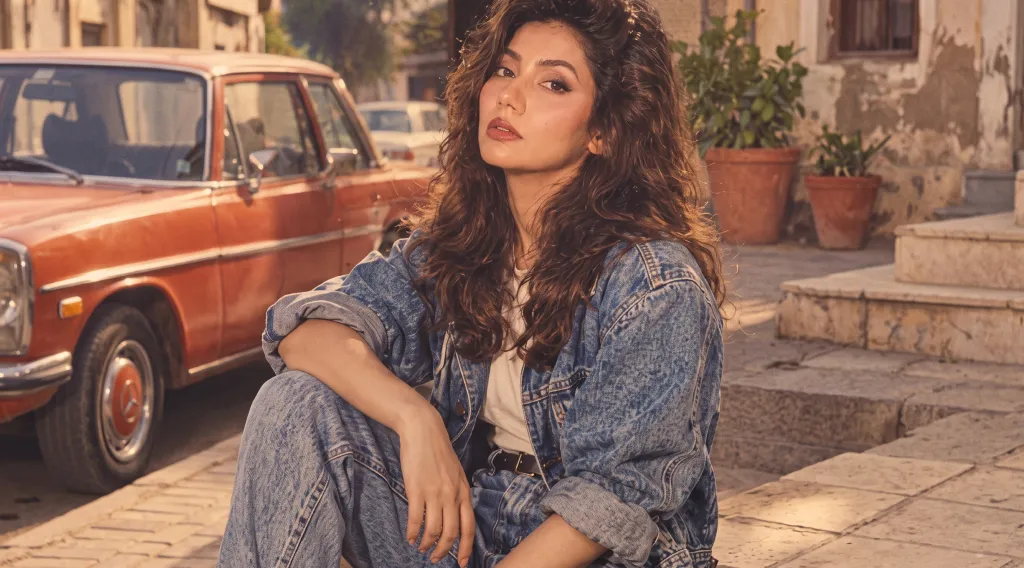
Mahira Khan would belong to the glamorous side of 80s Pakistani celebrity culture. She would be the face of a Lux campaign, photographed in dramatic studio lighting, elegant silhouettes and oversized sunglasses that became instantly recognisable.
Her calendar would be filled with PTV appearances, Lollywood premieres and fashion events in Karachi. Her photographs would appear in magazines such as The Herald and Mag, while television audiences followed her latest romantic drama.
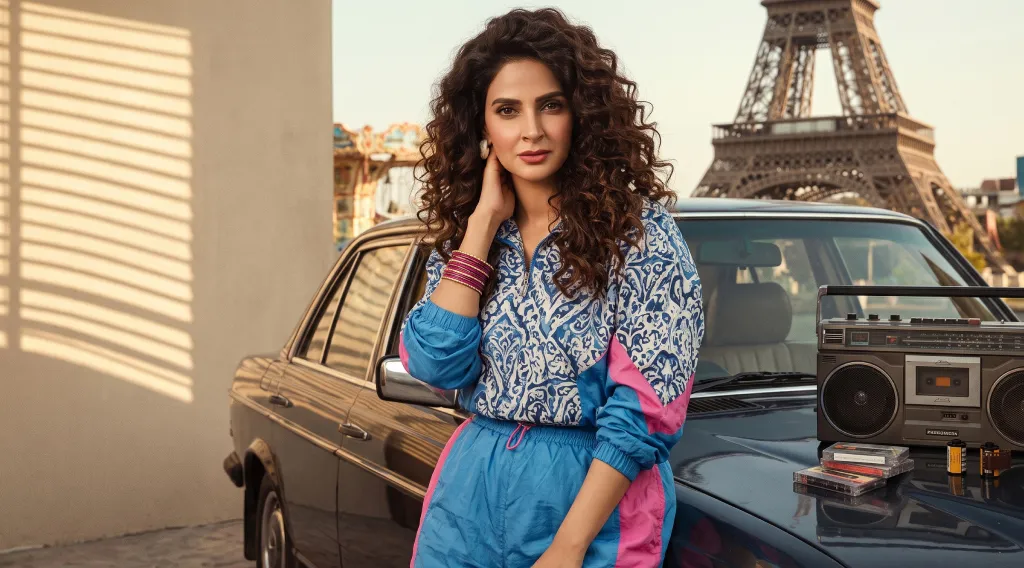
Saba Qamar would be the 80s actress who refused to blend into the polished image of the traditional leading lady. She would arrive at PTV studios in shoulder-padded jackets, oversized earrings and dramatic makeup, immediately commanding attention.
Her fashion-forward image could make her a natural fit for the decade’s advertising world, while her television interviews would become as memorable as her performances. Think magazine profiles, Lollywood premieres and photographers waiting outside Karachi studios.
She would bring a little rebellion to an otherwise carefully controlled celebrity culture.
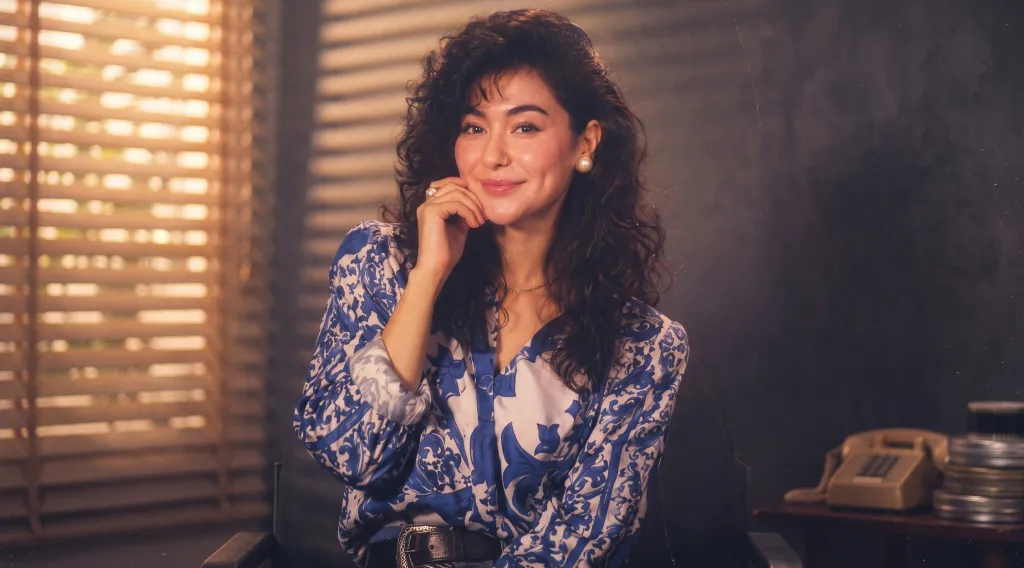
Hania Aamir would be the fresh young face of an increasingly youthful Pakistani pop culture. She would fit naturally into the colourful world of Pepsi advertising, college concerts and the music boom that was beginning to reshape how young Pakistanis experienced entertainment.
Her accessories would include colourful denim, a Sony Walkman and carefully recorded cassette tapes featuring the latest songs. Her photographs would be pinned beside music posters, while television commercials would introduce her face to millions of households.
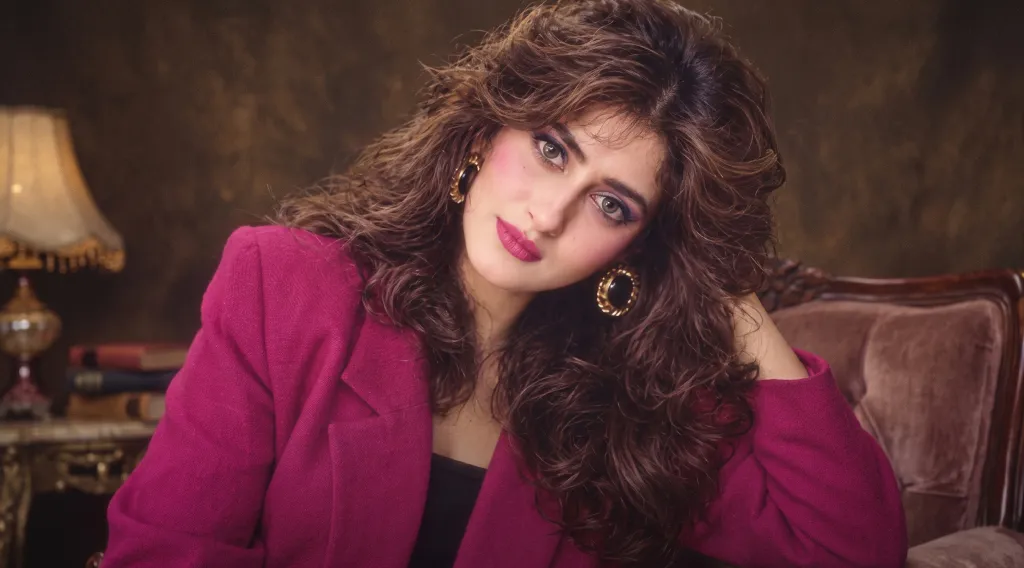
Sajal Aly would belong to the deeply emotional world of 80s PTV, where a family drama could bring entire households together every week. She would be perfectly cast as the expressive young heroine in a story filled with complicated relationships and unforgettable family moments.
Her wardrobe would feature printed shalwar kameez, elegant dupattas and delicate jewellery, while her photographs appeared in television magazines.
Between episodes, audiences would see advertisements for familiar household brands such as Dalda, Surf and Bata. There would be no streaming platforms or instant recaps.
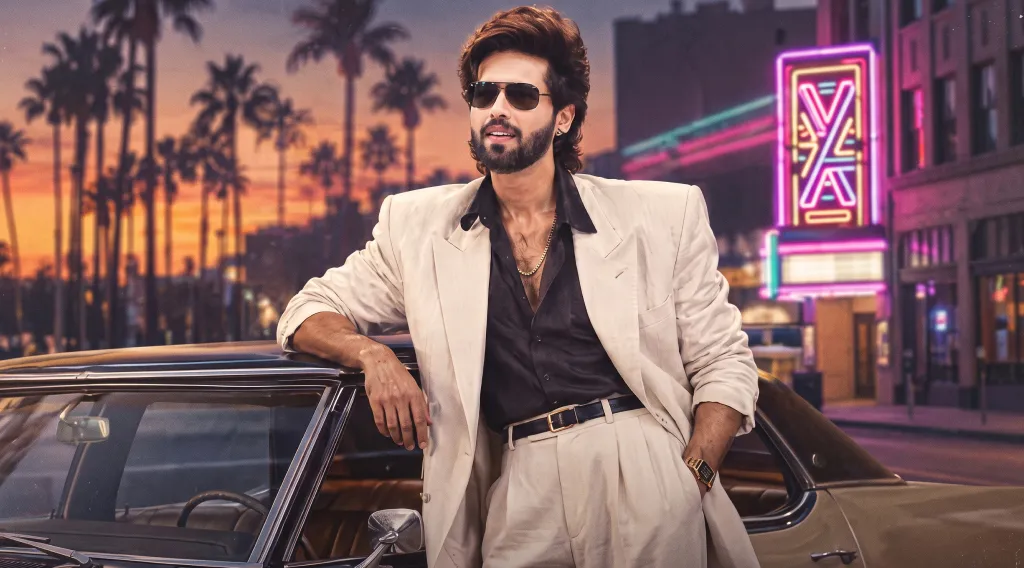
Fahad Mustafa would thrive in the world of Pakistani television, where game shows and variety programmes turned hosts into household names. He would be the charismatic face of Neelam Ghar, commanding the studio with a microphone, sharp suit and effortless ability to work a live audience.
Between celebrity interviews and musical performances, he would appear in colourful television commercials for brands like Pepsi, while his face filled newspaper advertisements and cinema promotions. His energy would make him impossible to miss.
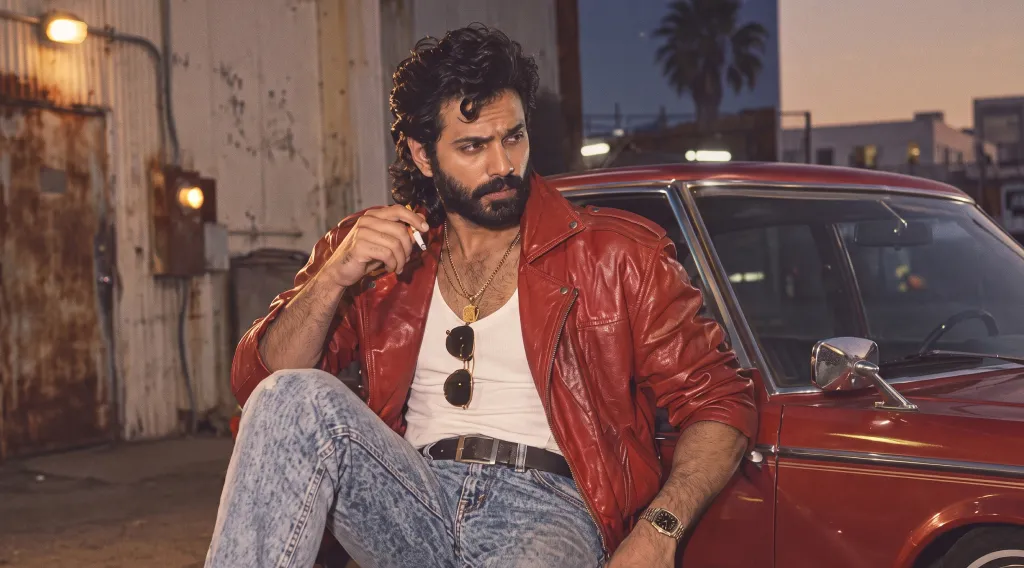
Wahaj Ali would represent the quieter, more mysterious side of 80s celebrity. He would be the handsome young actor who walks into a PTV studio wearing an oversized blazer and somehow becomes the subject of every teenage conversation.
Imagine him appearing in a Brooke Bond tea commercial, leaning against a vintage car before moving into a serious PTV drama. His portraits would appear in fan magazines, while VHS recordings of his most popular episodes would circulate between friends and relatives.
He would not need extravagant publicity or constant appearances.
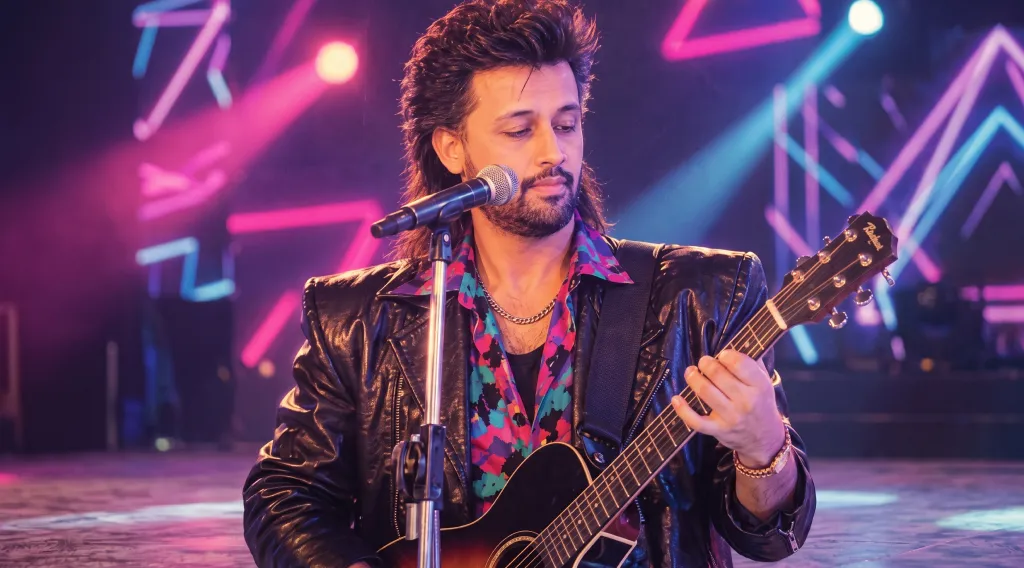
Atif Aslam would arrive decades early and completely disrupt Pakistan’s music scene. His songs would live on cassette tapes, played through Philips stereos, car cassette players and Walkmans until listeners knew every lyric by heart.
His image would combine leather jackets, denim, long hair and a guitar, placing him somewhere between the pop revolution of Nazia Hassan and Zoheb Hassan and the Pakistani band culture that would emerge with groups such as Vital Signs.
Fawad Khan would fit perfectly into the golden age of PTV, when dramas like Dhoop Kinare and Tanhaiyan turned actors into household names.
Fawad Khan would fit perfectly into the golden age of PTV, when dramas like Dhoop Kinare and Tanhaiyan turned actors into household names. With thick hair, sharp tailoring and effortless charm, he would be the decade’s quintessential romantic hero.
His world would include The Herald covers, Karachi cinema premieres and a Lux campaign, with fans waiting for his latest photographs to appear in magazines.
Mahira Khan would belong to the glamorous side of 80s Pakistani celebrity culture. She would be the face of a Lux campaign, photographed in dramatic studio lighting, elegant silhouettes and oversized sunglasses that became instantly recognisable.
Her calendar would be filled with PTV appearances, Lollywood premieres and fashion events in Karachi. Her photographs would appear in magazines such as The Herald and Mag, while television audiences followed her latest romantic drama.
Saba Qamar would be the 80s actress who refused to blend into the polished image of the traditional leading lady. She would arrive at PTV studios in shoulder-padded jackets, oversized earrings and dramatic makeup, immediately commanding attention.
Her fashion-forward image could make her a natural fit for the decade’s advertising world, while her television interviews would become as memorable as her performances. Think magazine profiles, Lollywood premieres and photographers waiting outside Karachi studios.
She would bring a little rebellion to an otherwise carefully controlled celebrity culture.
Hania Aamir would be the fresh young face of an increasingly youthful Pakistani pop culture. She would fit naturally into the colourful world of Pepsi advertising, college concerts and the music boom that was beginning to reshape how young Pakistanis experienced entertainment.
Her accessories would include colourful denim, a Sony Walkman and carefully recorded cassette tapes featuring the latest songs. Her photographs would be pinned beside music posters, while television commercials would introduce her face to millions of households.
Sajal Aly would belong to the deeply emotional world of 80s PTV, where a family drama could bring entire households together every week. She would be perfectly cast as the expressive young heroine in a story filled with complicated relationships and unforgettable family moments.
Her wardrobe would feature printed shalwar kameez, elegant dupattas and delicate jewellery, while her photographs appeared in television magazines.
Between episodes, audiences would see advertisements for familiar household brands such as Dalda, Surf and Bata. There would be no streaming platforms or instant recaps.
Fahad Mustafa would thrive in the world of Pakistani television, where game shows and variety programmes turned hosts into household names. He would be the charismatic face of Neelam Ghar, commanding the studio with a microphone, sharp suit and effortless ability to work a live audience.
Between celebrity interviews and musical performances, he would appear in colourful television commercials for brands like Pepsi, while his face filled newspaper advertisements and cinema promotions. His energy would make him impossible to miss.
Wahaj Ali would represent the quieter, more mysterious side of 80s celebrity. He would be the handsome young actor who walks into a PTV studio wearing an oversized blazer and somehow becomes the subject of every teenage conversation.
Imagine him appearing in a Brooke Bond tea commercial, leaning against a vintage car before moving into a serious PTV drama. His portraits would appear in fan magazines, while VHS recordings of his most popular episodes would circulate between friends and relatives.
He would not need extravagant publicity or constant appearances.
Atif Aslam would arrive decades early and completely disrupt Pakistan’s music scene. His songs would live on cassette tapes, played through Philips stereos, car cassette players and Walkmans until listeners knew every lyric by heart.
His image would combine leather jackets, denim, long hair and a guitar, placing him somewhere between the pop revolution of Nazia Hassan and Zoheb Hassan and the Pakistani band culture that would emerge with groups such as Vital Signs.



