Pakistan And Saudi Arabia Face A New Test
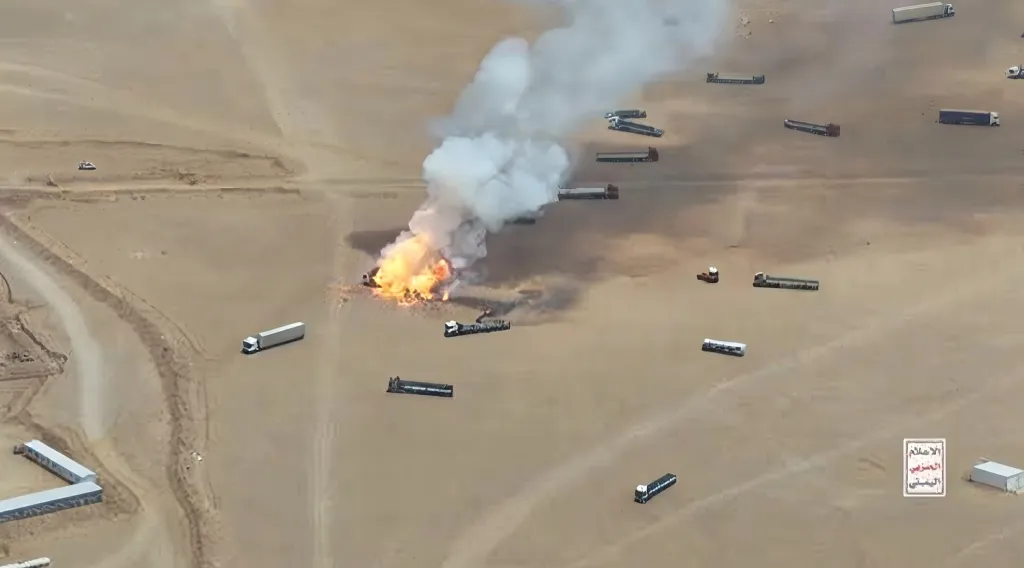
Pakistan’s defence relationship with Saudi Arabia is facing a new test as Houthi attacks on Saudi territory intensify. The situation has put renewed attention on the Makkah Joint Defence Agreement, signed by Pakistan, Saudi Arabia and Türkiye in August 2026.
The agreement establishes a framework for collective defence, with an armed attack against one member treated as an attack against all. The three countries have also begun steps to strengthen military and strategic coordination under the pact.
However, Pakistan has clarified that no military response under the agreement is currently being considered.

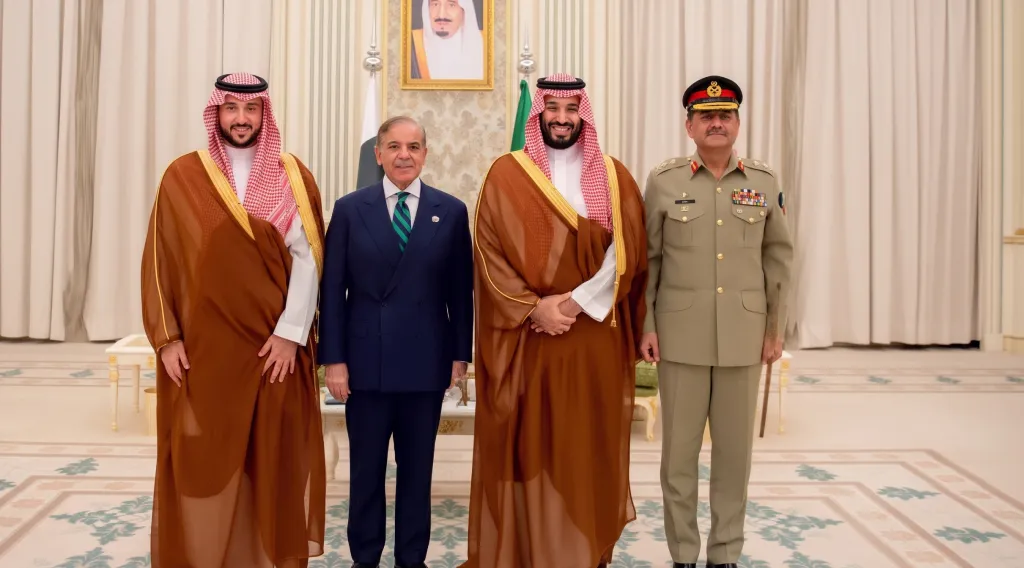
Prime Minister Shehbaz Sharif and Saudi Crown Prince Mohammed bin Salman have remained in close contact as the security situation develops. Their discussions come as Riyadh faces growing pressure from attacks linked to the Yemen conflict.
Pakistan has strongly condemned attacks on Saudi territory and reaffirmed its commitment to the kingdom’s security. At the same time, Islamabad has sought to use its diplomatic relationships to encourage restraint and prevent a wider regional confrontation.
The latest developments therefore place Pakistan in a delicate position.
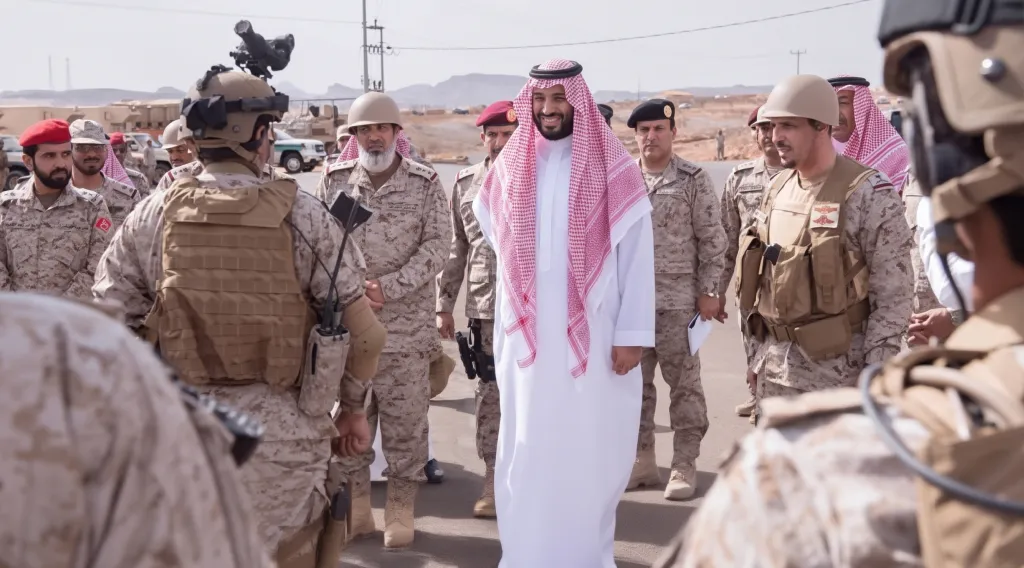
The key question now is whether continued attacks could eventually lead to the defence agreement being activated. Pakistan’s Defence Minister Khawaja Asif previously warned that the pact could come into play if the Yemen conflict spilled further into Saudi territory.
For now, however, Pakistan has drawn a distinction between its commitment to the agreement and immediate military involvement. The Foreign Office has said that no military response has been discussed following the recent attacks.
Pakistan’s defence relationship with Saudi Arabia is facing a new test as Houthi attacks on Saudi territory intensify.
Pakistan’s defence relationship with Saudi Arabia is facing a new test as Houthi attacks on Saudi territory intensify. The situation has put renewed attention on the Makkah Joint Defence Agreement, signed by Pakistan, Saudi Arabia and Türkiye in August 2026.
The agreement establishes a framework for collective defence, with an armed attack against one member treated as an attack against all. The three countries have also begun steps to strengthen military and strategic coordination under the pact.
However, Pakistan has clarified that no military response under the agreement is currently being considered.
Prime Minister Shehbaz Sharif and Saudi Crown Prince Mohammed bin Salman have remained in close contact as the security situation develops. Their discussions come as Riyadh faces growing pressure from attacks linked to the Yemen conflict.
Pakistan has strongly condemned attacks on Saudi territory and reaffirmed its commitment to the kingdom’s security. At the same time, Islamabad has sought to use its diplomatic relationships to encourage restraint and prevent a wider regional confrontation.
The latest developments therefore place Pakistan in a delicate position.
The key question now is whether continued attacks could eventually lead to the defence agreement being activated. Pakistan’s Defence Minister Khawaja Asif previously warned that the pact could come into play if the Yemen conflict spilled further into Saudi territory.
For now, however, Pakistan has drawn a distinction between its commitment to the agreement and immediate military involvement. The Foreign Office has said that no military response has been discussed following the recent attacks.