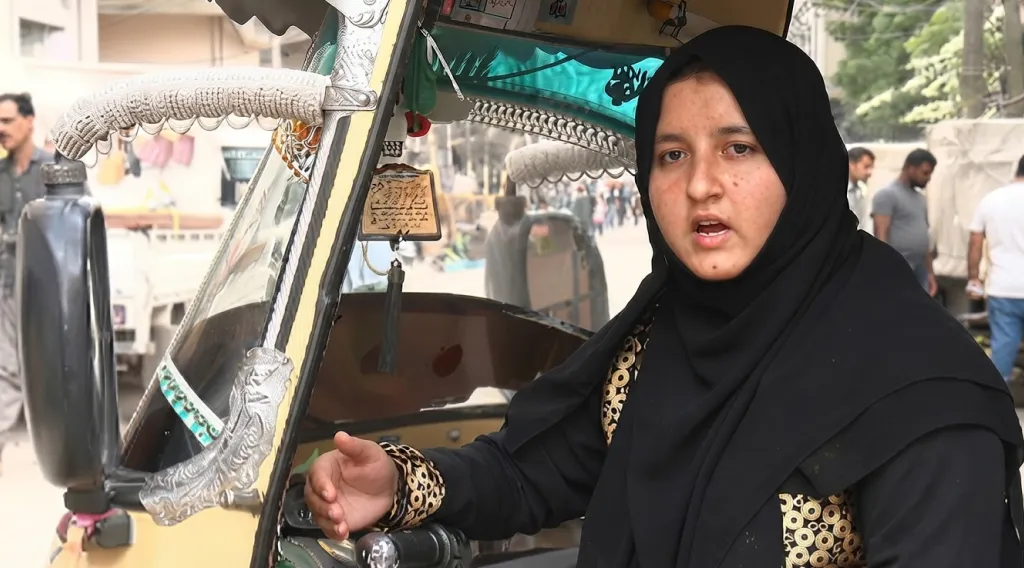
In Karachi’s Drigh Road area, Alisha Abdul Jameel grew up as the youngest of six sisters. Her father, Abdul Jameel, was a rickshaw driver, and when illness made it difficult for him to work, he taught his daughter how to drive.
For Alisha, those lessons would eventually become far more than a practical skill. Her father had wanted her to become a source of strength for the family, and she remembered that wish when their circumstances changed.
After Abdul Jameel died, Alisha found herself responsible for supporting her mother and an unmarried sister. The rickshaw her father had taught her to drive became her livelihood.

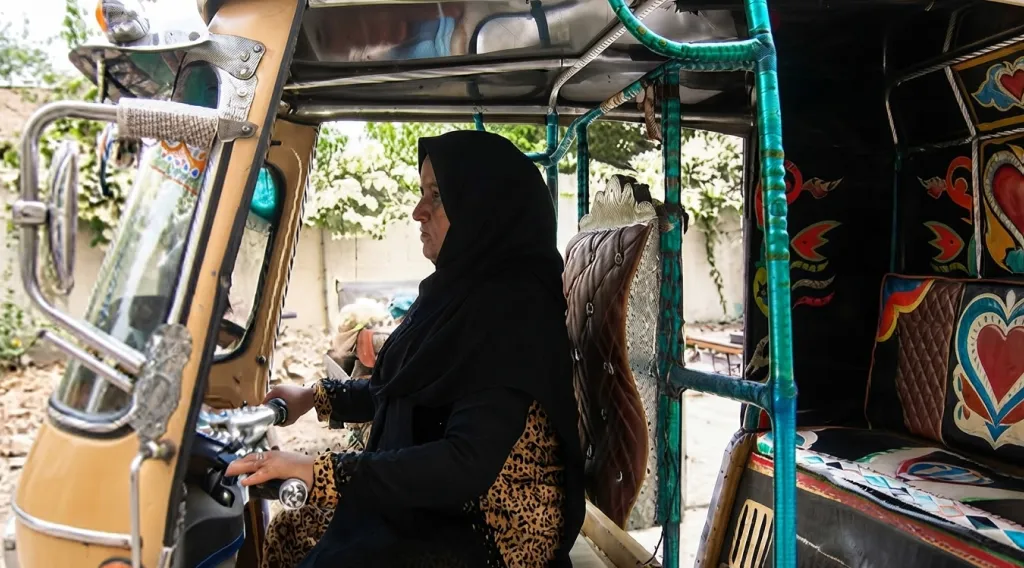
Alisha had studied until Grade 8 and had previously worked in factories where the wages were too small to provide the stability her family needed. After her father’s death, she chose to drive the rickshaw instead of depending on relatives.
The decision came with a personal cost. She had to leave her studies behind while taking on the responsibility of earning for her mother and sister. She also faced criticism from relatives who questioned her choice to enter a profession dominated by men.
Yet her mother stood behind her. Alisha recalled th
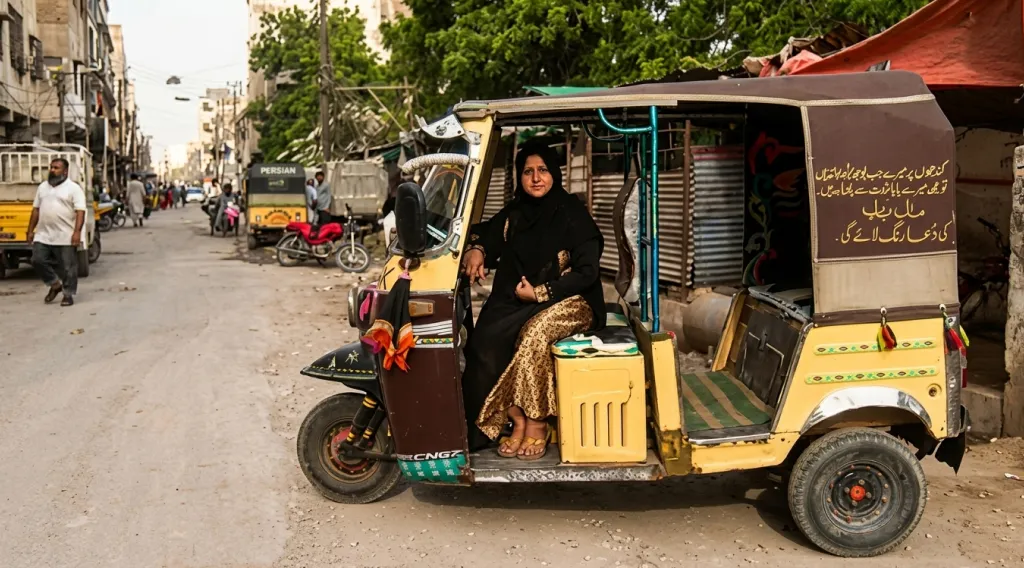
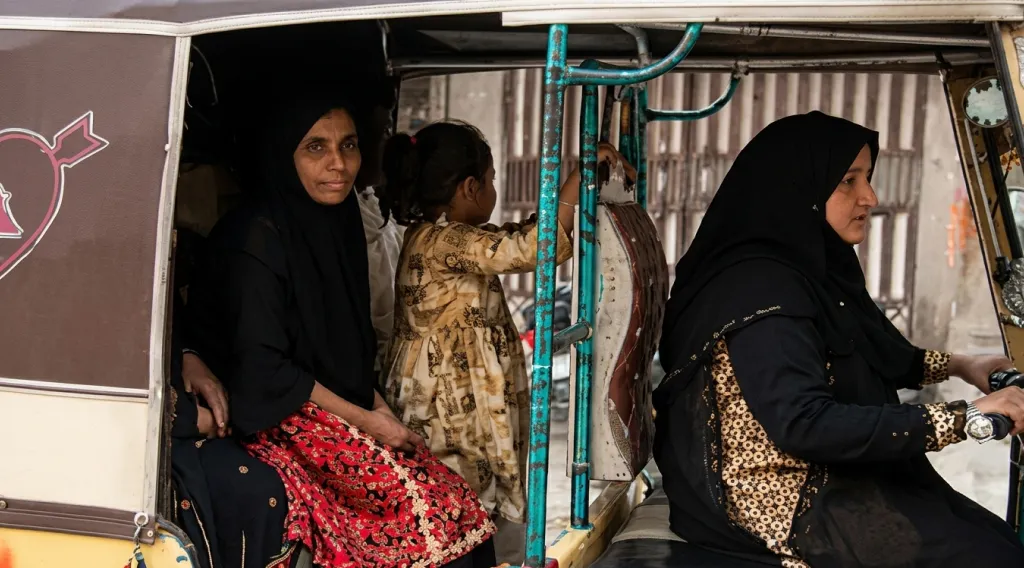
Driving through Karachi was not easy. Alisha said she mainly offered rides to families and women for her own safety, while also dealing with the everyday difficulties faced by rickshaw drivers. Even when the vehicle broke down, she would push it to a mechanic herself.
But the most personal reminder of her father travelled with her. A verse written on her rickshaw expressed how deeply she missed him whenever the weight of responsibility became difficult to carry.
Before she left home, her mother would send her off with prayers. Alisha said those prayers gave her courage. Behind the wheel was a daughter carrying not only passengers, but her family’s future.
Alisha’s story reached wider audiences after The Express Tribune and Express News reported on her struggle. In June 2022, the Sindh government announced that it would provide her family with a home after learning about their circumstances.
The promise was fulfilled several months later. In January 2023, the Sindh government handed Alisha ownership documents for a two-room, 80-square-yard house in Shah Faisal Colony and also announced a government job for her.
For a young woman who had once worried about paying rent while keeping her family fed, the development marked a remarkable change.
In Karachi’s Drigh Road area, Alisha Abdul Jameel grew up as the youngest of six sisters.
In Karachi’s Drigh Road area, Alisha Abdul Jameel grew up as the youngest of six sisters. Her father, Abdul Jameel, was a rickshaw driver, and when illness made it difficult for him to work, he taught his daughter how to drive.
For Alisha, those lessons would eventually become far more than a practical skill. Her father had wanted her to become a source of strength for the family, and she remembered that wish when their circumstances changed.
After Abdul Jameel died, Alisha found herself responsible for supporting her mother and an unmarried sister. The rickshaw her father had taught her to drive became her livelihood.
Alisha had studied until Grade 8 and had previously worked in factories where the wages were too small to provide the stability her family needed. After her father’s death, she chose to drive the rickshaw instead of depending on relatives.
The decision came with a personal cost. She had to leave her studies behind while taking on the responsibility of earning for her mother and sister. She also faced criticism from relatives who questioned her choice to enter a profession dominated by men.
Yet her mother stood behind her. Alisha recalled th
Driving through Karachi was not easy. Alisha said she mainly offered rides to families and women for her own safety, while also dealing with the everyday difficulties faced by rickshaw drivers. Even when the vehicle broke down, she would push it to a mechanic herself.
But the most personal reminder of her father travelled with her. A verse written on her rickshaw expressed how deeply she missed him whenever the weight of responsibility became difficult to carry.
Before she left home, her mother would send her off with prayers. Alisha said those prayers gave her courage. Behind the wheel was a daughter carrying not only passengers, but her family’s future.
Alisha’s story reached wider audiences after The Express Tribune and Express News reported on her struggle. In June 2022, the Sindh government announced that it would provide her family with a home after learning about their circumstances.
The promise was fulfilled several months later. In January 2023, the Sindh government handed Alisha ownership documents for a two-room, 80-square-yard house in Shah Faisal Colony and also announced a government job for her.
For a young woman who had once worried about paying rent while keeping her family fed, the development marked a remarkable change.



