Mudassar Nazar, Muhammad Yousuf Raise Concerns Over Pakistan Cricket
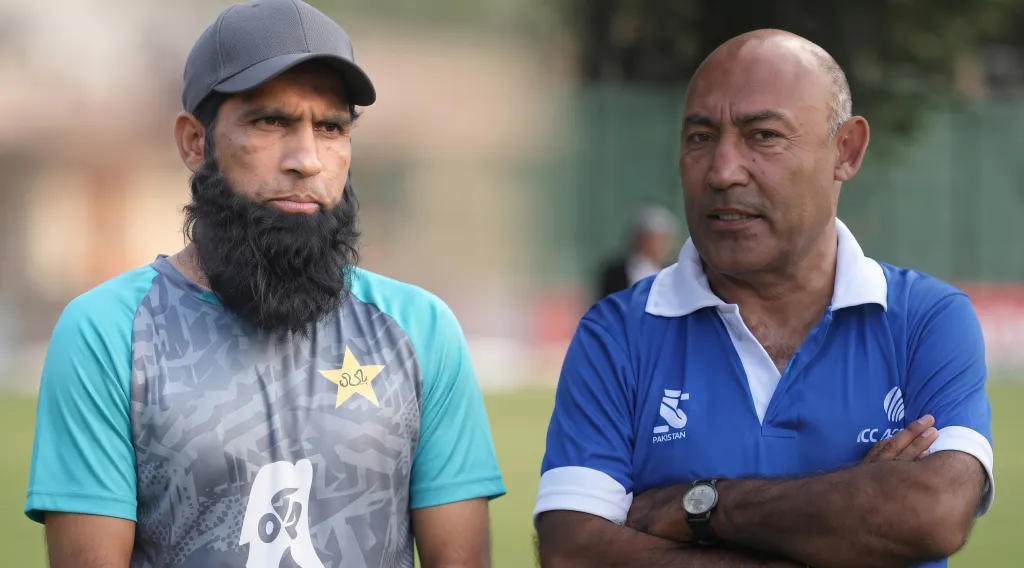
Former Pakistan cricketers Mudassar Nazar and Mohammad Yousuf have raised concerns about the frequent changes being made to the national team and coaching setup during the England tour.
Their criticism can also be viewed as a call for greater consistency in Pakistan cricket. Following two Test defeats, the PCB made significant changes, including releasing seven players and changing the Test coaching setup.
While difficult results may require tough decisions, maintaining stability can give players and coaches the opportunity to understand their roles, build confidence and develop a consistent approach.

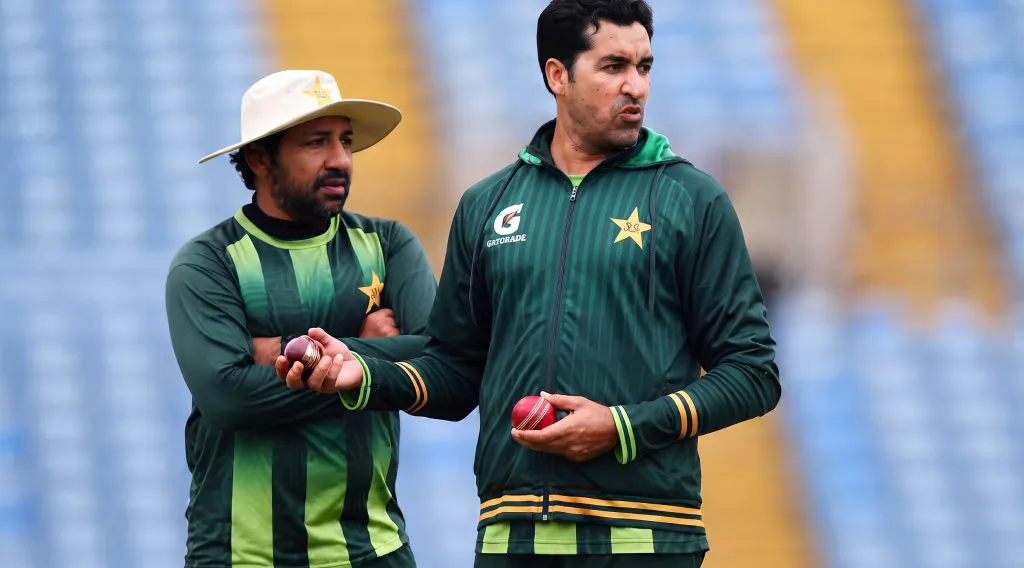
One major concern raised by Nazar and Yousuf was the removal of bowling coach Umar Gul, particularly when Pakistan’s bowling had shown some encouraging signs during the tour.
Their comments highlight the importance of making changes based on clear performance data and long term objectives. Coaching adjustments can be valuable when they address specific weaknesses, but continuity can be equally important when a department is showing progress.
For Pakistan, establishing transparent performance benchmarks for coaches and players could make future decisions more consistent.

The debate surrounding the England tour presents an opportunity for Pakistan cricket to examine how selection, coaching and team management decisions are made.
A stronger system could focus on defined roles, better communication, consistent selection policies and greater coordination between the PCB, coaches, selectors and players.
The introduction of fresh players can also become a positive step if young talent is given sufficient time and support to develop. Ultimately, criticism from former players can serve a constructive purpose.
Former Pakistan cricketers Mudassar Nazar and Mohammad Yousuf have raised concerns about the frequent changes being made to the national team and coaching setup during the England tour.
Their criticism can also be viewed as a call for greater consistency in Pakistan cricket. Following two Test defeats, the PCB made significant changes, including releasing seven players and changing the Test coaching setup.
While difficult results may require tough decisions, maintaining stability can give players and coaches the opportunity to understand their roles, build confidence and develop a consistent approach.
One major concern raised by Nazar and Yousuf was the removal of bowling coach Umar Gul, particularly when Pakistan’s bowling had shown some encouraging signs during the tour.
Their comments highlight the importance of making changes based on clear performance data and long term objectives. Coaching adjustments can be valuable when they address specific weaknesses, but continuity can be equally important when a department is showing progress.
For Pakistan, establishing transparent performance benchmarks for coaches and players could make future decisions more consistent.
The debate surrounding the England tour presents an opportunity for Pakistan cricket to examine how selection, coaching and team management decisions are made.
A stronger system could focus on defined roles, better communication, consistent selection policies and greater coordination between the PCB, coaches, selectors and players.
The introduction of fresh players can also become a positive step if young talent is given sufficient time and support to develop. Ultimately, criticism from former players can serve a constructive purpose.



