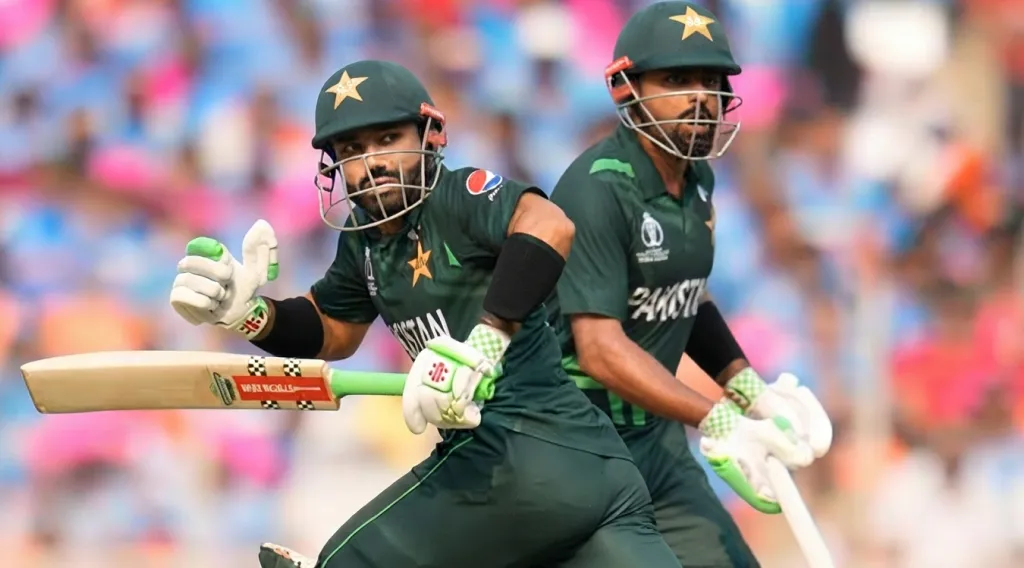
Pakistan’s Test squad has several experienced players, but age and workload can become important factors in a demanding five day format.
Shan Masood is 37, Mohammad Abbas 37, Mohammad Ali 34, Babar Azam 32, and Imam ul Haq 30. The issue is not that experienced players cannot perform. England’s Joe Root, for example, is also 36.
The concern is managing an ageing core alongside the physical demands of Test cricket. Imam’s calf strain at Lord’s further highlighted the importance of fitness and recovery.


Pakistan’s biggest problem in the Lord’s Test was their batting. After England made 290, Pakistan were bowled out for only 110, with Azan Awais’ 46 providing the main resistance. They later managed 194 while chasing 389.
The numbers show how difficult it was for Pakistan’s top order to handle England’s pace attack and sustained pressure. Across the series, several experienced batters also struggled to convert starts into substantial scores.
Solution: Give emerging batters more opportunities, improve preparation against high pace and movement, and create specialised overseas batting camps before demanding Test tours.

Constant changes in leadership, coaching and selection can make it difficult for a Test side to develop consistency. Pakistan entered the England series with Babar Azam returning as captain, while Salman Ali Agha had already led the team in the first Test because Babar was unavailable.
After two defeats, the PCB released seven players and changed the coaching staff before the third Test. While fresh talent can bring energy, major changes during a series can also disrupt team continuity.
Solution: Establish a long term Test plan, give coaches and players stability, and make selection decisions based on clearly defined performance and fitness criteria.

Playing Test cricket in England demands specialised preparation. Seam movement, bounce and sustained pace can challenge even experienced batters, making preparation in similar conditions particularly important.
At Lord’s, England’s bowling attack exploited those conditions effectively. Pakistan’s 110 all out showed how quickly pressure could turn into a collapse, while England’s bowlers repeatedly forced Pakistan’s batters into difficult situations.
Solution: Increase overseas preparation camps, use specialist simulations for English conditions and organise more high quality first class matches before major Test tours.

Pakistan already has promising young players who can bring energy and competition into the Test setup. Azan Awais, 22, was Pakistan’s leading scorer at Lord’s with 46, while the PCB has now added several younger and uncapped players ahead of the third Test.
The answer is not simply to remove experienced players. Pakistan needs a balanced transition where senior cricketers provide leadership while younger players are given meaningful opportunities to develop at international level.
Solution: Create a clear pathway from domestic cricket to Tests, reward consistent first class performances and gradually build a younger core around proven experience.
Pakistan’s Test squad has several experienced players, but age and workload can become important factors in a demanding five day format.
Pakistan’s Test squad has several experienced players, but age and workload can become important factors in a demanding five day format.
Shan Masood is 37, Mohammad Abbas 37, Mohammad Ali 34, Babar Azam 32, and Imam ul Haq 30. The issue is not that experienced players cannot perform. England’s Joe Root, for example, is also 36.
The concern is managing an ageing core alongside the physical demands of Test cricket. Imam’s calf strain at Lord’s further highlighted the importance of fitness and recovery.
Pakistan’s biggest problem in the Lord’s Test was their batting. After England made 290, Pakistan were bowled out for only 110, with Azan Awais’ 46 providing the main resistance. They later managed 194 while chasing 389.
The numbers show how difficult it was for Pakistan’s top order to handle England’s pace attack and sustained pressure. Across the series, several experienced batters also struggled to convert starts into substantial scores.
Solution: Give emerging batters more opportunities, improve preparation against high pace and movement, and create specialised overseas batting camps before demanding Test tours.
Constant changes in leadership, coaching and selection can make it difficult for a Test side to develop consistency. Pakistan entered the England series with Babar Azam returning as captain, while Salman Ali Agha had already led the team in the first Test because Babar was unavailable.
After two defeats, the PCB released seven players and changed the coaching staff before the third Test. While fresh talent can bring energy, major changes during a series can also disrupt team continuity.
Solution: Establish a long term Test plan, give coaches and players stability, and make selection decisions based on clearly defined performance and fitness criteria.
Playing Test cricket in England demands specialised preparation. Seam movement, bounce and sustained pace can challenge even experienced batters, making preparation in similar conditions particularly important.
At Lord’s, England’s bowling attack exploited those conditions effectively. Pakistan’s 110 all out showed how quickly pressure could turn into a collapse, while England’s bowlers repeatedly forced Pakistan’s batters into difficult situations.
Solution: Increase overseas preparation camps, use specialist simulations for English conditions and organise more high quality first class matches before major Test tours.
Pakistan already has promising young players who can bring energy and competition into the Test setup. Azan Awais, 22, was Pakistan’s leading scorer at Lord’s with 46, while the PCB has now added several younger and uncapped players ahead of the third Test.
The answer is not simply to remove experienced players. Pakistan needs a balanced transition where senior cricketers provide leadership while younger players are given meaningful opportunities to develop at international level.
Solution: Create a clear pathway from domestic cricket to Tests, reward consistent first class performances and gradually build a younger core around proven experience.



