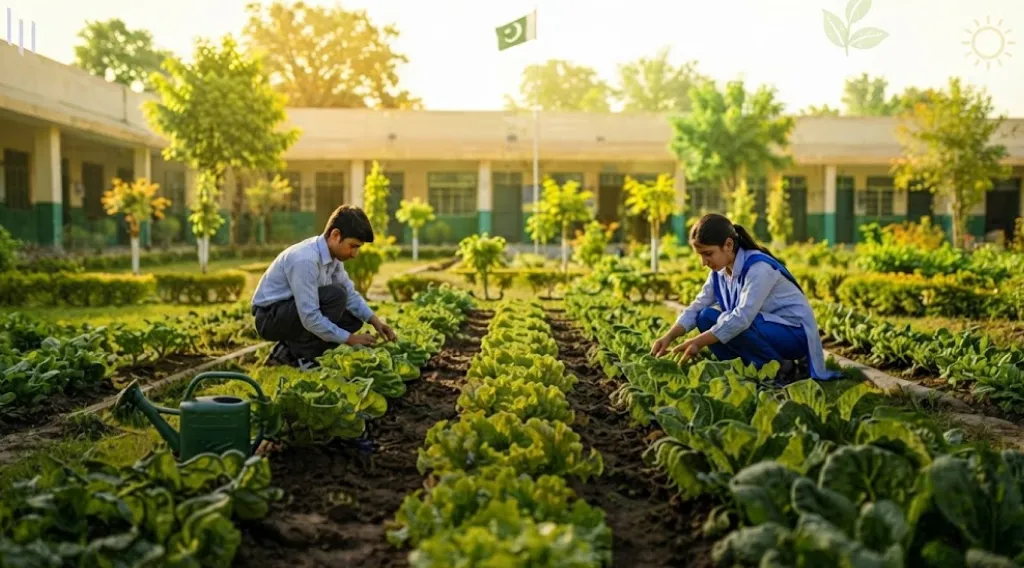
Government schools in Muzaffargarh have been directed to grow seasonal vegetables on their premises alongside their regular academic activities.
The district education department has instructed school administrations to arrange vegetable planting and ensure that crops receive proper care throughout their growth cycle. Each school must also designate a staff member to supervise the gardening activities.
The initiative introduces students to practical aspects of growing food while making use of available school spaces. It also creates an opportunity to connect classroom learning with agriculture, sustainability and everyday life.

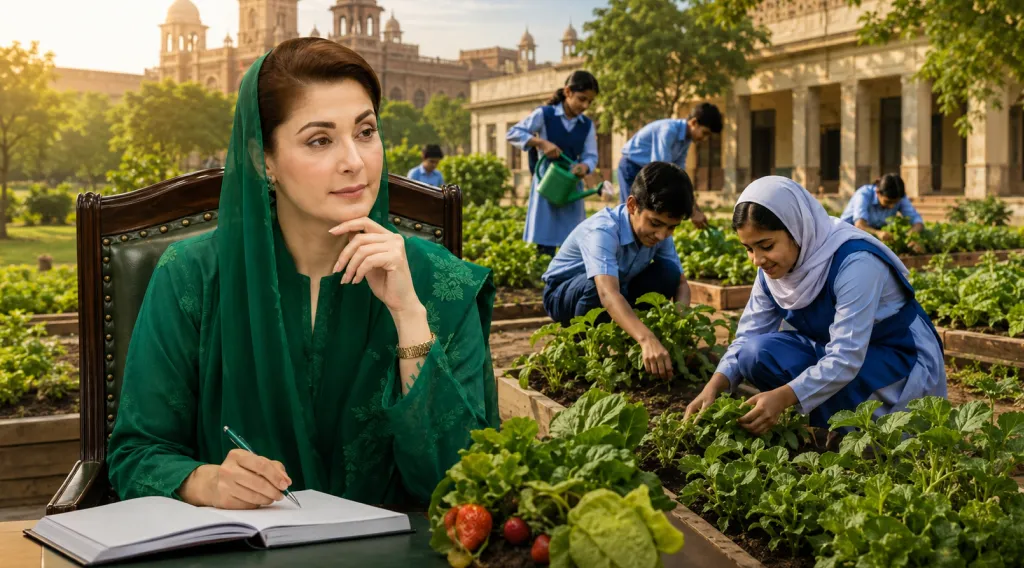
School administrations have been told to ensure that vegetable crops are regularly watered and properly maintained. Schools where earlier production was considered unsatisfactory have also been instructed to plant fresh crops.
Education officials are placing emphasis on consistent care rather than simply planting vegetables. School heads are responsible for ensuring that the gardens remain healthy and that the assigned staff member monitors their progress.
To track implementation, schools have also been asked to share daily photographs showing the condition and maintenance of their vegetable gardens with the relevant authorities.
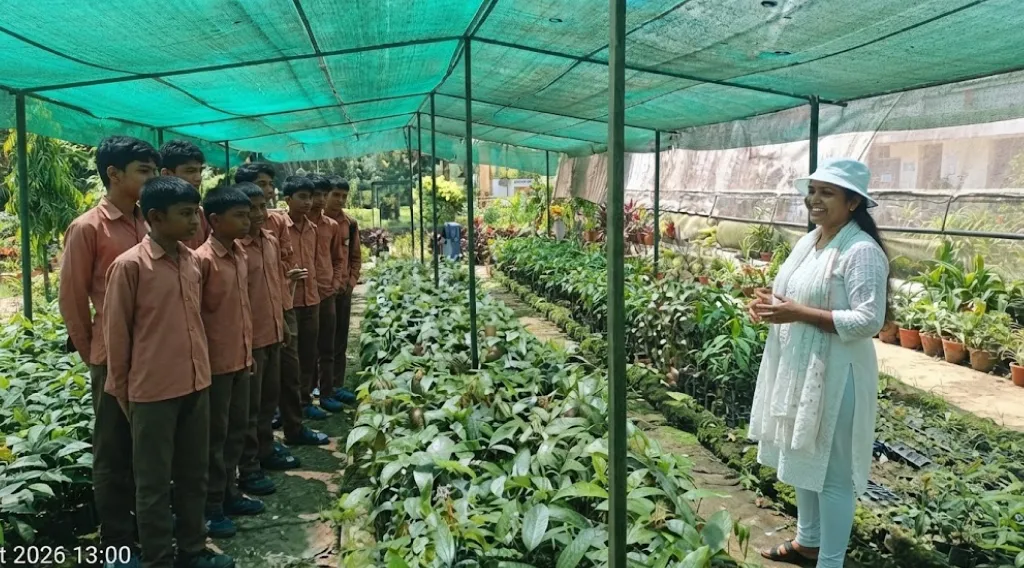
The latest instructions build on an earlier vegetable growing initiative in government schools across Muzaffargarh, where students and school communities participated in cultivating seasonal produce.
Crops including spinach, okra and pumpkin were grown through the programme and later distributed among students, teachers and residents living nearby.
Beyond producing vegetables, the initiative can encourage practical learning and greater awareness of food cultivation among young people. By turning school spaces into small gardens, the programme brings agriculture closer to students while promoting care, responsibility and sustainable use of resources.
Government schools in Muzaffargarh have been directed to grow seasonal vegetables on their premises alongside their regular academic activities.
Government schools in Muzaffargarh have been directed to grow seasonal vegetables on their premises alongside their regular academic activities.
The district education department has instructed school administrations to arrange vegetable planting and ensure that crops receive proper care throughout their growth cycle. Each school must also designate a staff member to supervise the gardening activities.
The initiative introduces students to practical aspects of growing food while making use of available school spaces. It also creates an opportunity to connect classroom learning with agriculture, sustainability and everyday life.
School administrations have been told to ensure that vegetable crops are regularly watered and properly maintained. Schools where earlier production was considered unsatisfactory have also been instructed to plant fresh crops.
Education officials are placing emphasis on consistent care rather than simply planting vegetables. School heads are responsible for ensuring that the gardens remain healthy and that the assigned staff member monitors their progress.
To track implementation, schools have also been asked to share daily photographs showing the condition and maintenance of their vegetable gardens with the relevant authorities.
The latest instructions build on an earlier vegetable growing initiative in government schools across Muzaffargarh, where students and school communities participated in cultivating seasonal produce.
Crops including spinach, okra and pumpkin were grown through the programme and later distributed among students, teachers and residents living nearby.
Beyond producing vegetables, the initiative can encourage practical learning and greater awareness of food cultivation among young people. By turning school spaces into small gardens, the programme brings agriculture closer to students while promoting care, responsibility and sustainable use of resources.



