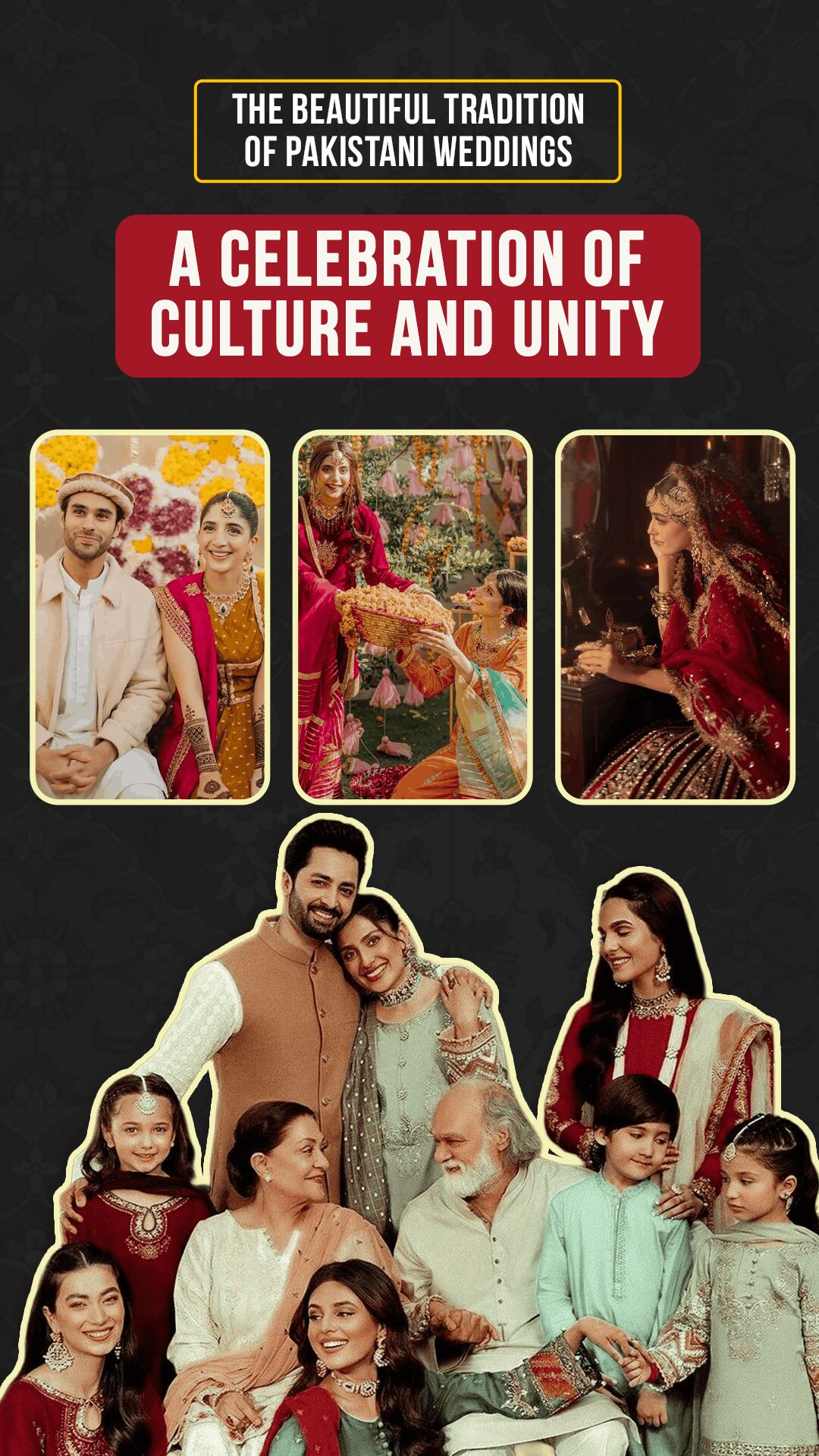
A wedding in Pakistan is much more than the coming together of two individuals it is the joining of two families, two histories, and often two communities.
Rooted in faith and guided by tradition, Pakistani weddings celebrate shared values such as respect, commitment, hospitality, and family honor.
These occasions strengthen relationships and create lifelong bonds that extend far beyond the bride and groom.
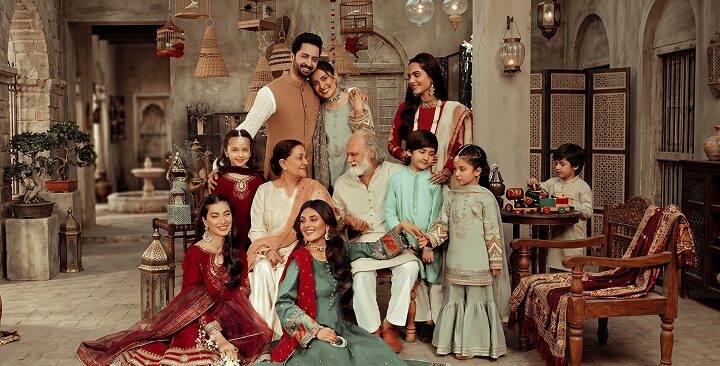
The Mehndi ceremony marks the joyful beginning of wedding celebrations. Filled with vibrant colors, traditional music, energetic dances, and heartfelt laughter.

The application of henna is not only a symbol of beauty and elegance, but also represents blessings, love, and good fortune for the bride and groom as they prepare to begin a new chapter in life.
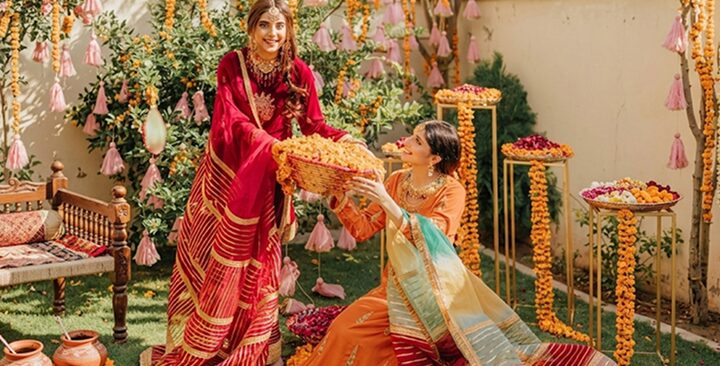
At the center of every Muslim wedding is the Nikah, the sacred marriage contract that unites the bride and groom in a bond of faith and commitment. This solemn ceremony emphasizes mutual respect, trust, compassion, and shared responsibility.
In Islam, marriage is viewed as a partnership built on love, understanding, and spiritual connection.
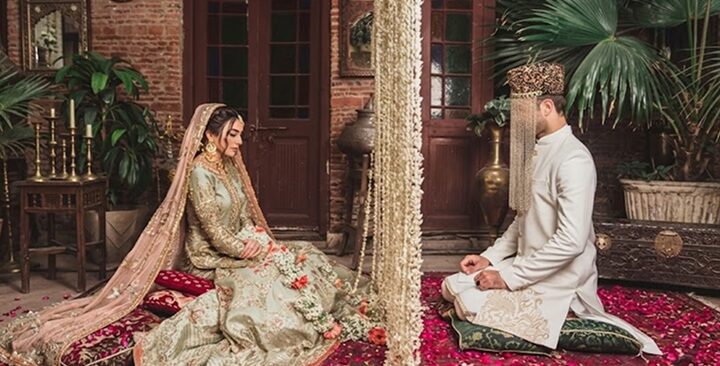
The Walima is a joyful reception traditionally hosted by the groom’s family to celebrate the marriage and express gratitude for this blessed union.
It is a gathering that reflects hospitality, generosity, and community spirit important values in Pakistani culture.
Family, friends, and loved ones come together to congratulate the couple, offer prayers for their future, and celebrate the beginning of their life together with warmth and blessings.
Pakistani weddings hold deep cultural significance because they reflect the values, traditions, and social bonds that shape our soc
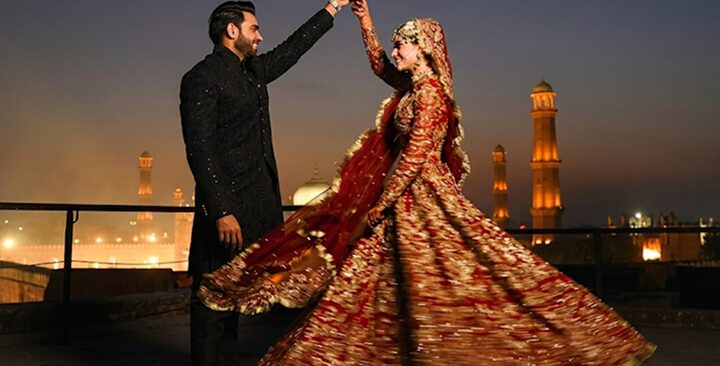
They bring extended families together, reconnect relatives, and strengthen community relationships.
Through customs, celebrations, and shared experiences, weddings become a living expression of cultural identity while preserving traditions that have been passed down for generations.
Pakistani weddings play an important role in teaching younger generations about their cultural roots and identity.
Through rituals, traditional clothing, music, food, and family gatherings, young people experience the richness of their heritage firsthand.
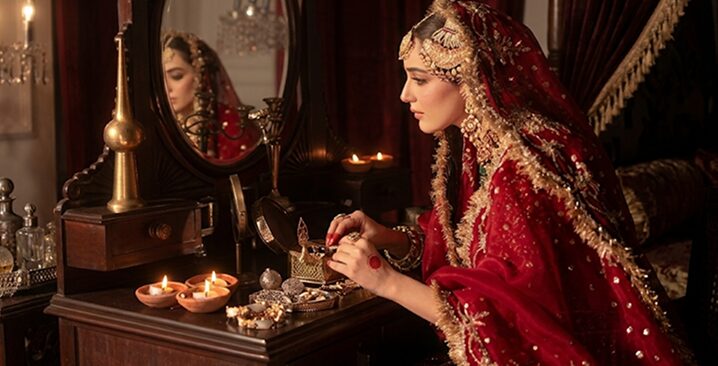
Elders share stories, customs, and values that keep these traditions alive, ensuring that cultural pride and identity continue to flourish in future generations.
Beyond the celebrations, elegant clothing, music, and beautiful traditions, the true meaning of marriage lies in love, trust, patience, understanding, and mutual respect.
Weddings may mark the beginning of a journey. But it is the values shared between two people that make a marriage truly meaningful and lasting, nurturing a bond that grows stronger through every passing year.
From Mehndi to Barat and Walima, each event reflects Pakistan’s deep cultural heritage and festive spirit
A wedding in Pakistan is much more than the coming together of two individuals it is the joining of two families, two histories, and often two communities.
Rooted in faith and guided by tradition, Pakistani weddings celebrate shared values such as respect, commitment, hospitality, and family honor.
These occasions strengthen relationships and create lifelong bonds that extend far beyond the bride and groom.
The Mehndi ceremony marks the joyful beginning of wedding celebrations. Filled with vibrant colors, traditional music, energetic dances, and heartfelt laughter.
The application of henna is not only a symbol of beauty and elegance, but also represents blessings, love, and good fortune for the bride and groom as they prepare to begin a new chapter in life.
At the center of every Muslim wedding is the Nikah, the sacred marriage contract that unites the bride and groom in a bond of faith and commitment. This solemn ceremony emphasizes mutual respect, trust, compassion, and shared responsibility.
In Islam, marriage is viewed as a partnership built on love, understanding, and spiritual connection.
The Walima is a joyful reception traditionally hosted by the groom’s family to celebrate the marriage and express gratitude for this blessed union.
It is a gathering that reflects hospitality, generosity, and community spirit important values in Pakistani culture.
Family, friends, and loved ones come together to congratulate the couple, offer prayers for their future, and celebrate the beginning of their life together with warmth and blessings.
Pakistani weddings hold deep cultural significance because they reflect the values, traditions, and social bonds that shape our soc
They bring extended families together, reconnect relatives, and strengthen community relationships.
Through customs, celebrations, and shared experiences, weddings become a living expression of cultural identity while preserving traditions that have been passed down for generations.
Pakistani weddings play an important role in teaching younger generations about their cultural roots and identity.
Through rituals, traditional clothing, music, food, and family gatherings, young people experience the richness of their heritage firsthand.
Elders share stories, customs, and values that keep these traditions alive, ensuring that cultural pride and identity continue to flourish in future generations.
Beyond the celebrations, elegant clothing, music, and beautiful traditions, the true meaning of marriage lies in love, trust, patience, understanding, and mutual respect.
Weddings may mark the beginning of a journey. But it is the values shared between two people that make a marriage truly meaningful and lasting, nurturing a bond that grows stronger through every passing year.