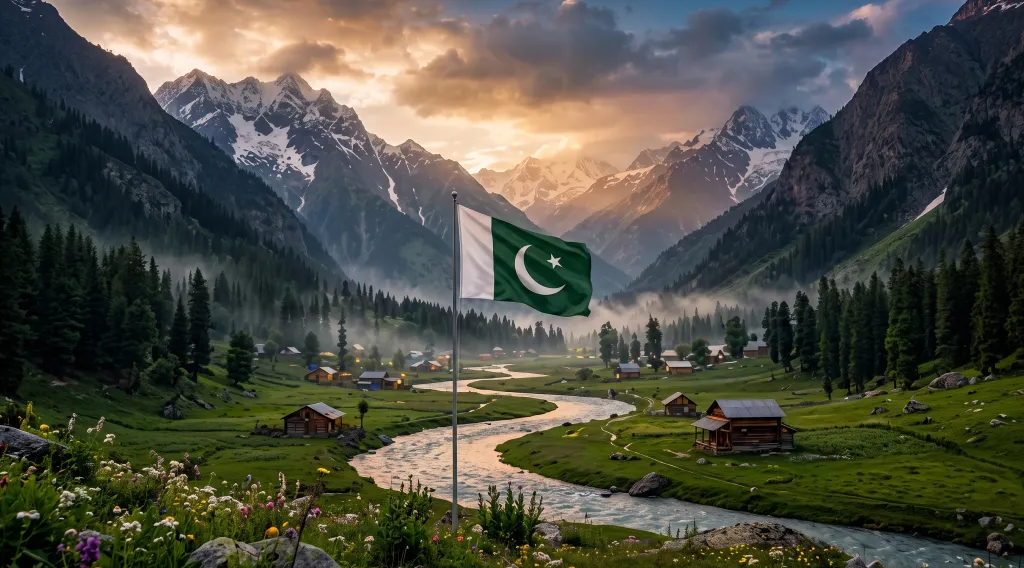
Pakistan has earned a place among the world’s most distinctive travel destinations for 2026, highlighting the country’s growing appeal among international travellers.
From dramatic mountain ranges and ancient valleys to historic cities and vibrant cultural traditions, Pakistan offers an unusually diverse travel experience within one country.
Its inclusion reflects increasing international interest in destinations that combine natural beauty with authentic cultural experiences.

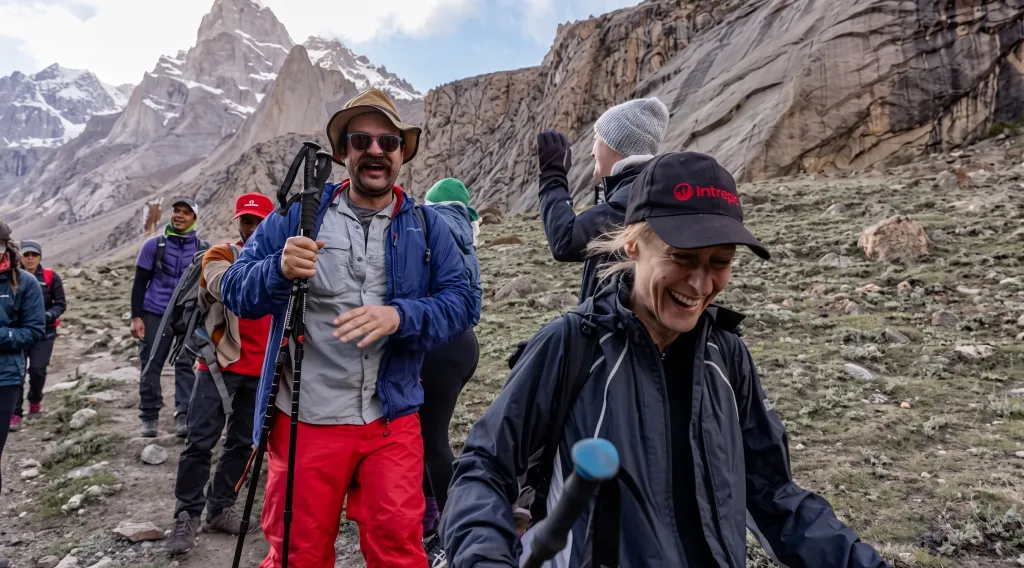
Pakistan’s northern regions are among its biggest attractions, offering some of the world’s most spectacular mountain scenery. The country is home to five of the world’s fourteen peaks above 8,000 metres, including K2, the second highest mountain on Earth.
Destinations across Gilgit Baltistan, Hunza, Skardu and Chitral offer opportunities for trekking, mountaineering, camping and scenic exploration.
Beyond the high peaks, travellers can discover turquoise lakes, glaciers, lush valleys and dramatic roads winding through the mountains. Together, these landscapes make Pakistan particularly appealing to adventure seekers and nature lovers.

Pakistan’s appeal extends far beyond its landscapes. Its cities and historic sites reflect thousands of years of civilisation, with influences spanning the Indus Valley Civilisation, Buddhist heritage, Islamic architecture and centuries of regional traditions.
Travellers can explore ancient archaeological sites, historic forts, colourful bazaars, mosques and traditional neighbourhoods while experiencing the distinctive cultures of different provinces.
From the streets of Lahore to the heritage of Multan and the ancient ruins of Mohenjo Daro, every region offers its own character.
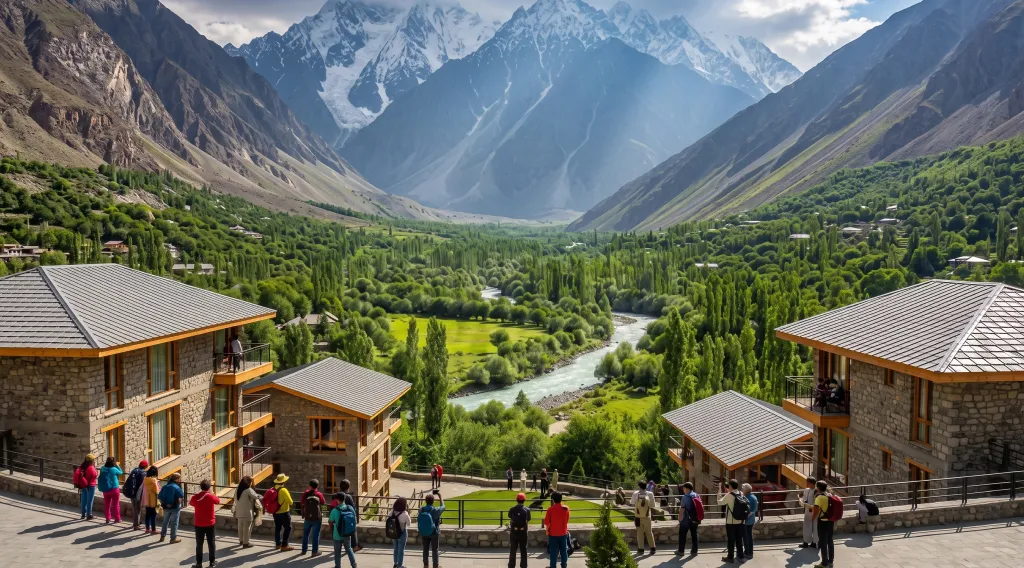
Being highlighted among distinctive destinations for 2026 adds to Pakistan’s growing visibility on the international tourism map. The country offers experiences ranging from mountain adventures and coastal escapes to cultural exploration and heritage tourism.
For international visitors, Pakistan provides the opportunity to experience landscapes and traditions that remain relatively undiscovered compared with more established tourist destinations.
As global travellers increasingly seek authentic and less conventional experiences, Pakistan has the potential to stand out.
Pakistan has earned a place among the world’s most distinctive travel destinations for 2026, highlighting the country’s growing appeal among international travellers.
Pakistan has earned a place among the world’s most distinctive travel destinations for 2026, highlighting the country’s growing appeal among international travellers.
From dramatic mountain ranges and ancient valleys to historic cities and vibrant cultural traditions, Pakistan offers an unusually diverse travel experience within one country.
Its inclusion reflects increasing international interest in destinations that combine natural beauty with authentic cultural experiences.
Pakistan’s northern regions are among its biggest attractions, offering some of the world’s most spectacular mountain scenery. The country is home to five of the world’s fourteen peaks above 8,000 metres, including K2, the second highest mountain on Earth.
Destinations across Gilgit Baltistan, Hunza, Skardu and Chitral offer opportunities for trekking, mountaineering, camping and scenic exploration.
Beyond the high peaks, travellers can discover turquoise lakes, glaciers, lush valleys and dramatic roads winding through the mountains. Together, these landscapes make Pakistan particularly appealing to adventure seekers and nature lovers.
Pakistan’s appeal extends far beyond its landscapes. Its cities and historic sites reflect thousands of years of civilisation, with influences spanning the Indus Valley Civilisation, Buddhist heritage, Islamic architecture and centuries of regional traditions.
Travellers can explore ancient archaeological sites, historic forts, colourful bazaars, mosques and traditional neighbourhoods while experiencing the distinctive cultures of different provinces.
From the streets of Lahore to the heritage of Multan and the ancient ruins of Mohenjo Daro, every region offers its own character.
Being highlighted among distinctive destinations for 2026 adds to Pakistan’s growing visibility on the international tourism map. The country offers experiences ranging from mountain adventures and coastal escapes to cultural exploration and heritage tourism.
For international visitors, Pakistan provides the opportunity to experience landscapes and traditions that remain relatively undiscovered compared with more established tourist destinations.
As global travellers increasingly seek authentic and less conventional experiences, Pakistan has the potential to stand out.



