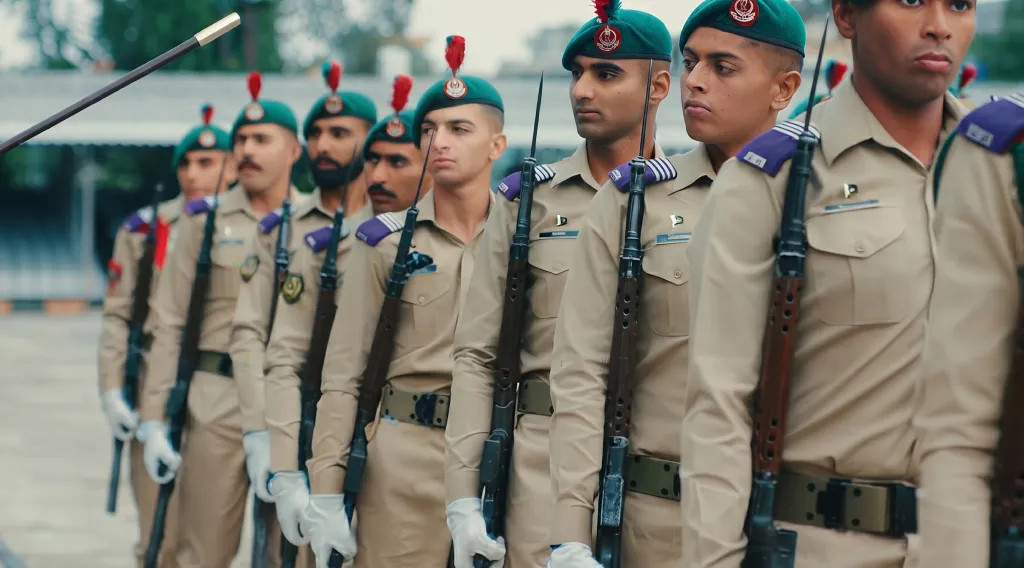
Military discipline begins long before a soldier wears the uniform in service. Training develops precision, punctuality, physical fitness, resilience and teamwork, turning demanding routines into habits that shape everyday conduct.
From early morning drills to demanding exercises, personnel are trained to remain focused, follow procedures and perform consistently under pressure.
The purpose is not simply physical preparation but the development of self control and mental strength.

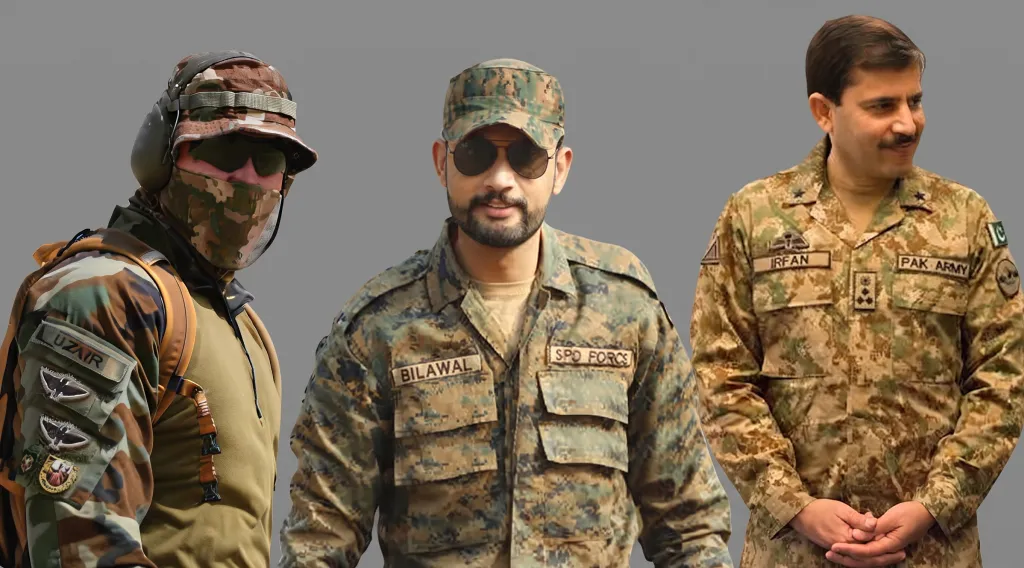
A military uniform is carefully designed, with each element carrying a practical or symbolic purpose. Rank insignia identifies an officer’s position and responsibility, while regimental badges and unit insignia reflect the formation or corps they belong to.
Medals and ribbons represent achievements, recognition and distinguished service, while name tags identify the individual wearing the uniform. Headgear can reflect rank, branch or ceremonial tradition, while polished boots represent the emphasis placed on discipline and presentation.
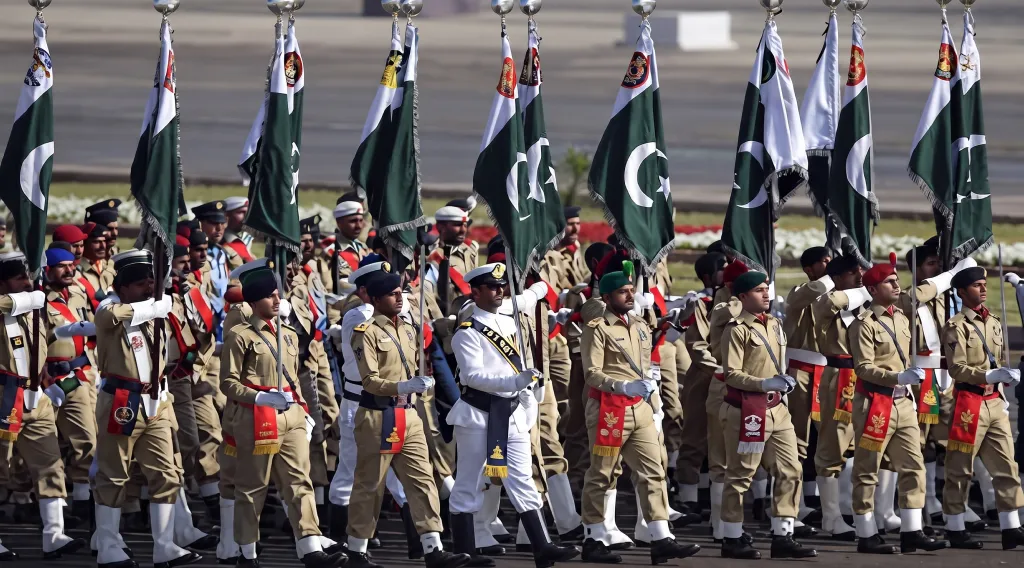
For Pakistan Army personnel, the uniform represents more than military service. It is also a visible symbol of Pakistan, carrying the national identity into official ceremonies, international engagements and moments of public service.
Whether participating in national events, representing Pakistan at international military gatherings or serving alongside peacekeeping missions, Pakistani personnel carry the country’s image with them.
The uniform creates an immediate connection between the individual and the nation they serve.
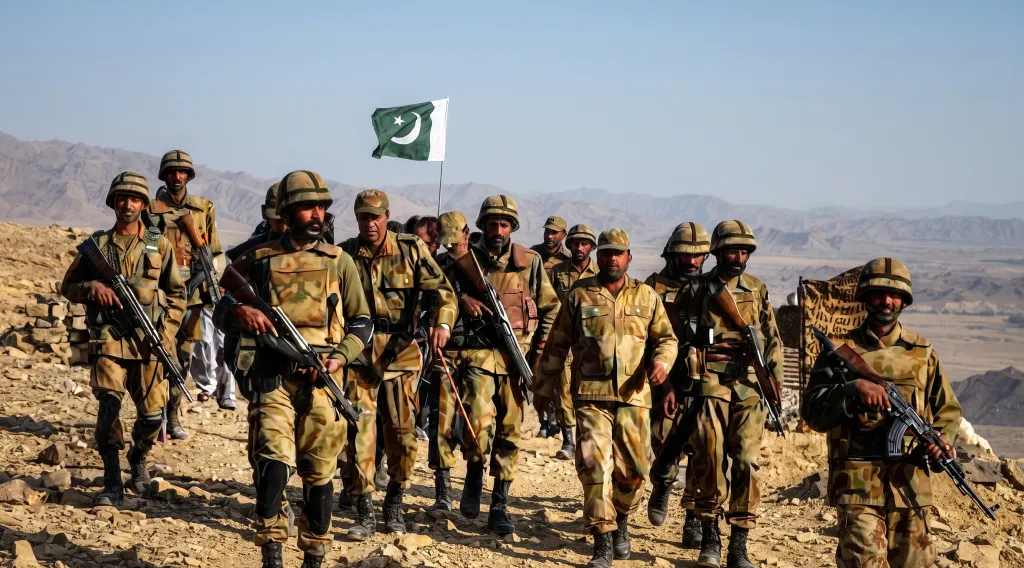
The appeal of a military uniform ultimately comes from what it represents. Discipline gives it structure, training gives it purpose and national service gives it meaning. Together, these elements create an identity that extends beyond appearance.
For the person wearing it, the uniform carries expectations of responsibility, professionalism and conduct. For those watching, it can represent the values associated with service and commitment.
From the training ground to ceremonial occasions and international platforms, Pakistani military personnel carry these principles with them.
Military discipline begins long before a soldier wears the uniform in service.
Military discipline begins long before a soldier wears the uniform in service. Training develops precision, punctuality, physical fitness, resilience and teamwork, turning demanding routines into habits that shape everyday conduct.
From early morning drills to demanding exercises, personnel are trained to remain focused, follow procedures and perform consistently under pressure.
The purpose is not simply physical preparation but the development of self control and mental strength.
A military uniform is carefully designed, with each element carrying a practical or symbolic purpose. Rank insignia identifies an officer’s position and responsibility, while regimental badges and unit insignia reflect the formation or corps they belong to.
Medals and ribbons represent achievements, recognition and distinguished service, while name tags identify the individual wearing the uniform. Headgear can reflect rank, branch or ceremonial tradition, while polished boots represent the emphasis placed on discipline and presentation.
For Pakistan Army personnel, the uniform represents more than military service. It is also a visible symbol of Pakistan, carrying the national identity into official ceremonies, international engagements and moments of public service.
Whether participating in national events, representing Pakistan at international military gatherings or serving alongside peacekeeping missions, Pakistani personnel carry the country’s image with them.
The uniform creates an immediate connection between the individual and the nation they serve.
The appeal of a military uniform ultimately comes from what it represents. Discipline gives it structure, training gives it purpose and national service gives it meaning. Together, these elements create an identity that extends beyond appearance.
For the person wearing it, the uniform carries expectations of responsibility, professionalism and conduct. For those watching, it can represent the values associated with service and commitment.
From the training ground to ceremonial occasions and international platforms, Pakistani military personnel carry these principles with them.



