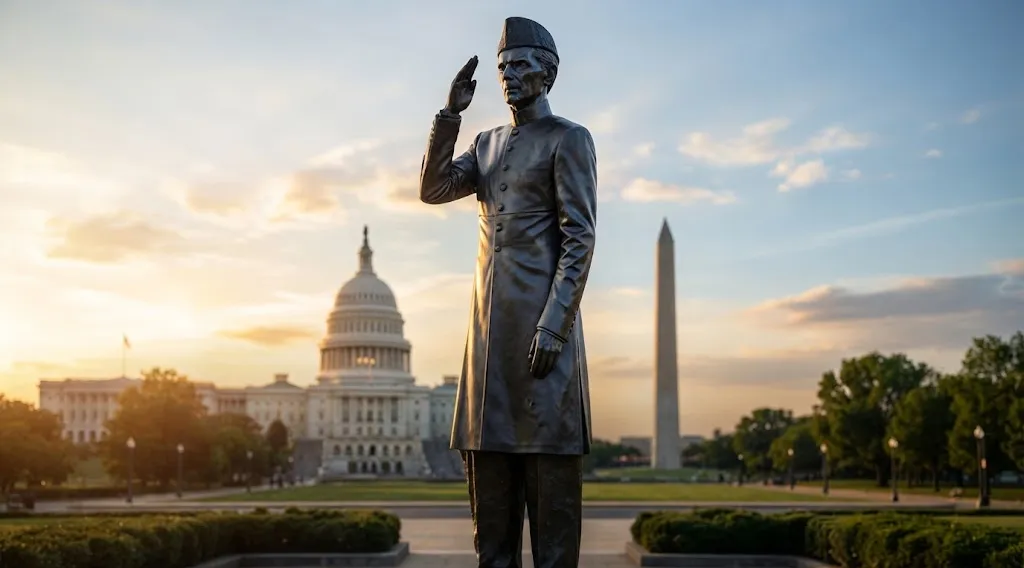
On Pakistan’s 79th Independence Day, a statue of Quaid-e-Azam Muhammad Ali Jinnah was unveiled in Washington, D.C., creating a memorable tribute to the founder of Pakistan thousands of miles from his homeland.
The unveiling brought Jinnah’s legacy into the heart of the United States capital, offering a powerful reminder of the history behind Pakistan’s creation.
For Pakistanis living abroad, moments like these carry a special emotional significance.

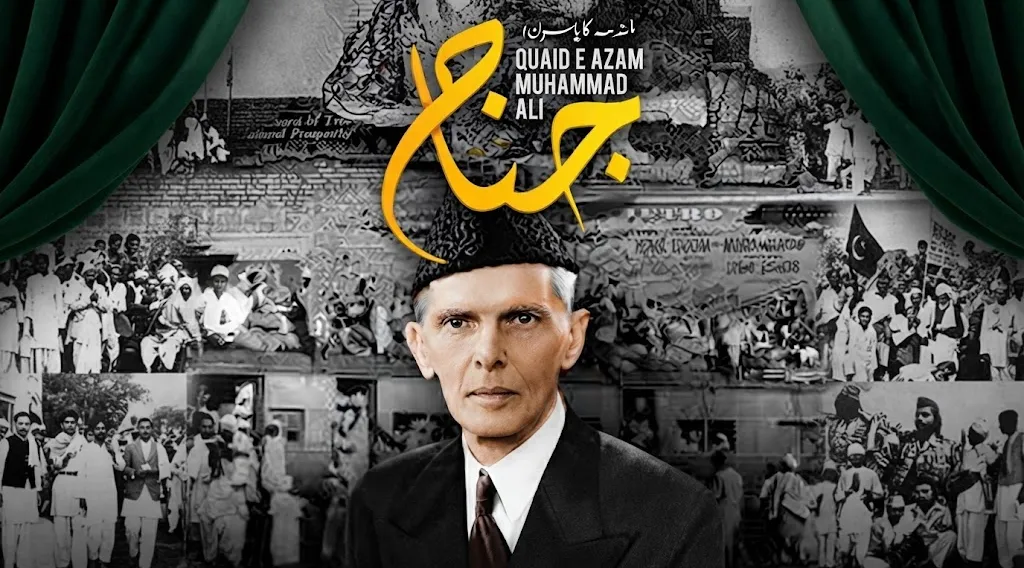
Muhammad Ali Jinnah remains closely associated with the principles that shaped Pakistan’s founding, including unity, determination, constitutionalism and commitment to the nation.
The statue serves as a physical reminder of those ideals and of the leadership that guided the movement for an independent Pakistan.
Its unveiling on Independence Day made the occasion particularly meaningful. While Pakistanis celebrated the country’s freedom at home, the tribute in Washington offered another way for the national story to be remembered abroad.
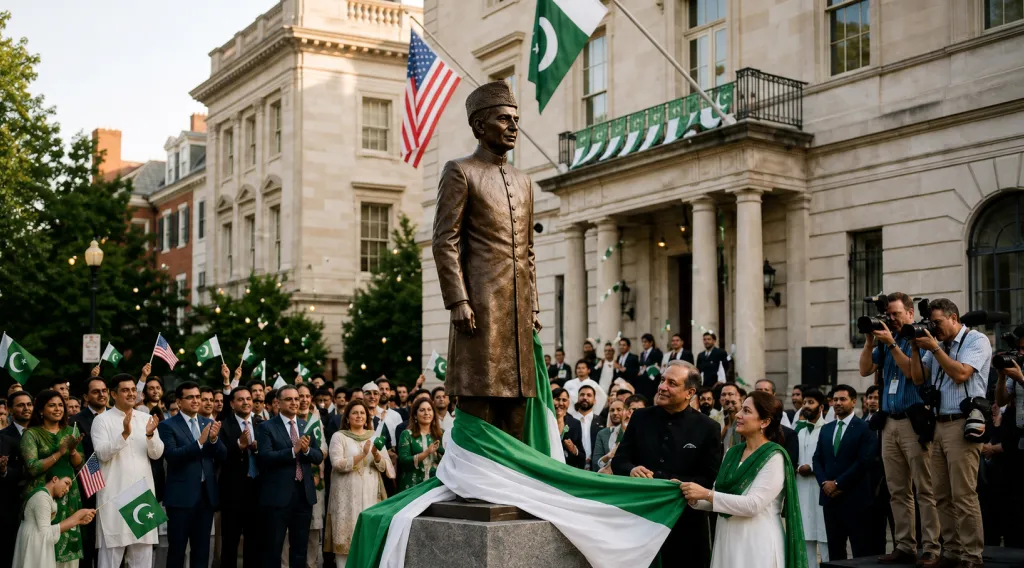
Washington is home to a significant Pakistani American community, making the unveiling especially meaningful for Pakistanis who have built their lives in the United States while maintaining strong connections with their heritage.
The statue offers the community a permanent symbol around which Pakistan’s history and national identity can be remembered and celebrated.
It also reflects how the story of Pakistan extends beyond its borders. From families and students to professionals and community leaders, millions of Pakistanis around the world continue to carry their connection to the country with them.
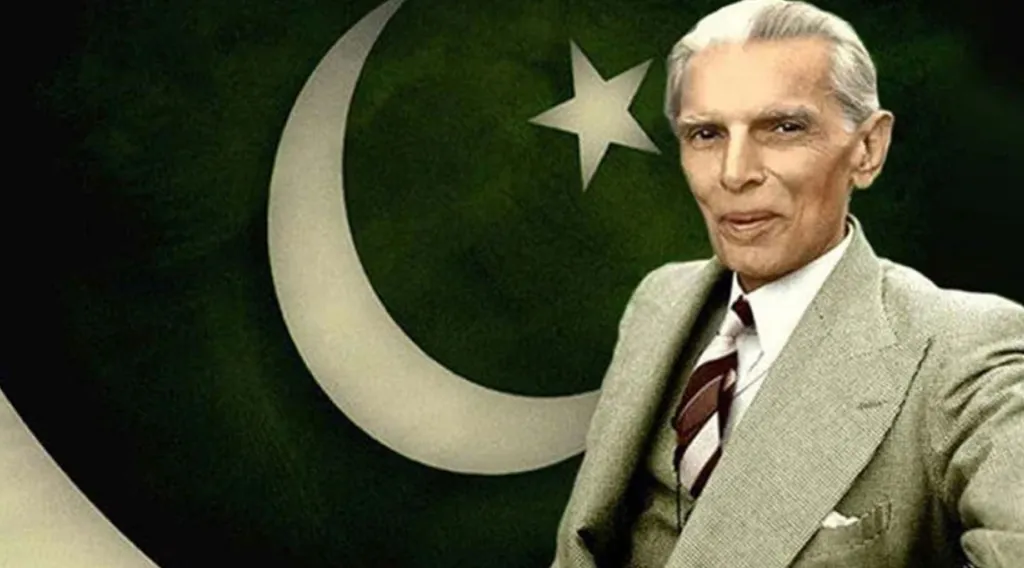
The unveiling carries significance beyond the statue itself. It places the memory of Pakistan’s founder in an international setting and creates a lasting reminder of the country’s journey to independence.
Coming on August 14, the occasion connected Pakistan’s past with its present, allowing the national community abroad to celebrate independence while remembering the leader who played the central role in its creation.
For generations to come, the statue can serve as a reminder of where Pakistan’s story began and the principles associated with its founding.
On Pakistan’s 79th Independence Day, a statue of Quaid-e-Azam Muhammad Ali Jinnah was unveiled in Washington, D.C., creating a memorable tribute to the founder of Pakistan thousands of miles from his homeland.
On Pakistan’s 79th Independence Day, a statue of Quaid-e-Azam Muhammad Ali Jinnah was unveiled in Washington, D.C., creating a memorable tribute to the founder of Pakistan thousands of miles from his homeland.
The unveiling brought Jinnah’s legacy into the heart of the United States capital, offering a powerful reminder of the history behind Pakistan’s creation.
For Pakistanis living abroad, moments like these carry a special emotional significance.
Muhammad Ali Jinnah remains closely associated with the principles that shaped Pakistan’s founding, including unity, determination, constitutionalism and commitment to the nation.
The statue serves as a physical reminder of those ideals and of the leadership that guided the movement for an independent Pakistan.
Its unveiling on Independence Day made the occasion particularly meaningful. While Pakistanis celebrated the country’s freedom at home, the tribute in Washington offered another way for the national story to be remembered abroad.
Washington is home to a significant Pakistani American community, making the unveiling especially meaningful for Pakistanis who have built their lives in the United States while maintaining strong connections with their heritage.
The statue offers the community a permanent symbol around which Pakistan’s history and national identity can be remembered and celebrated.
It also reflects how the story of Pakistan extends beyond its borders. From families and students to professionals and community leaders, millions of Pakistanis around the world continue to carry their connection to the country with them.
The unveiling carries significance beyond the statue itself. It places the memory of Pakistan’s founder in an international setting and creates a lasting reminder of the country’s journey to independence.
Coming on August 14, the occasion connected Pakistan’s past with its present, allowing the national community abroad to celebrate independence while remembering the leader who played the central role in its creation.
For generations to come, the statue can serve as a reminder of where Pakistan’s story began and the principles associated with its founding.



