From 1947 to Today: The Pakistan Army’s Journey of Service
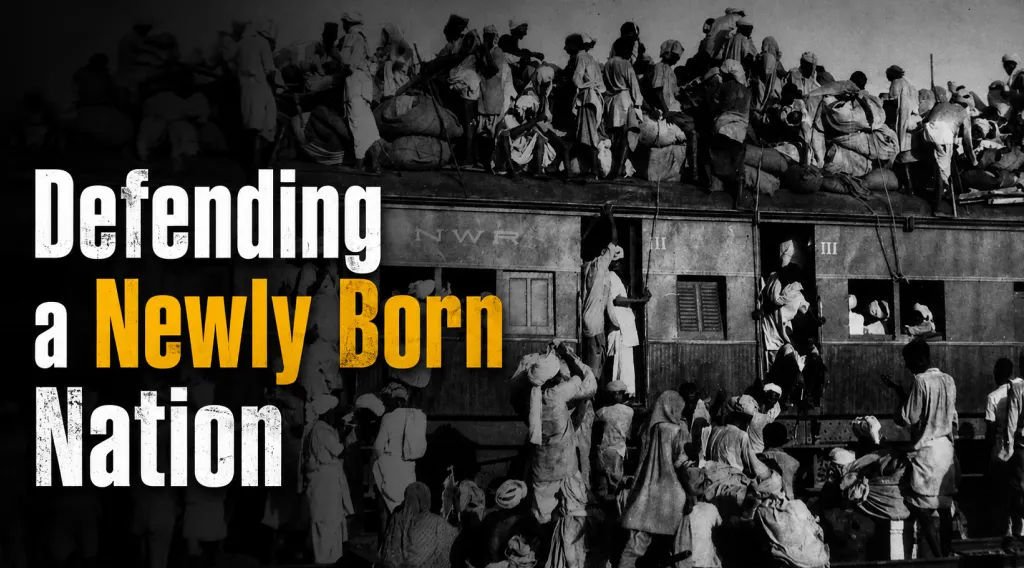
When Pakistan emerged as an independent country in 1947, the newly formed state faced immediate security challenges alongside the enormous task of building its institutions.
The Pakistan Army became one of the key institutions responsible for defending the country and protecting its territorial integrity.
Within months of independence, Pakistani troops became involved in the 1947 to 48 Kashmir conflict, making it one of the first major military challenges faced by the new country.

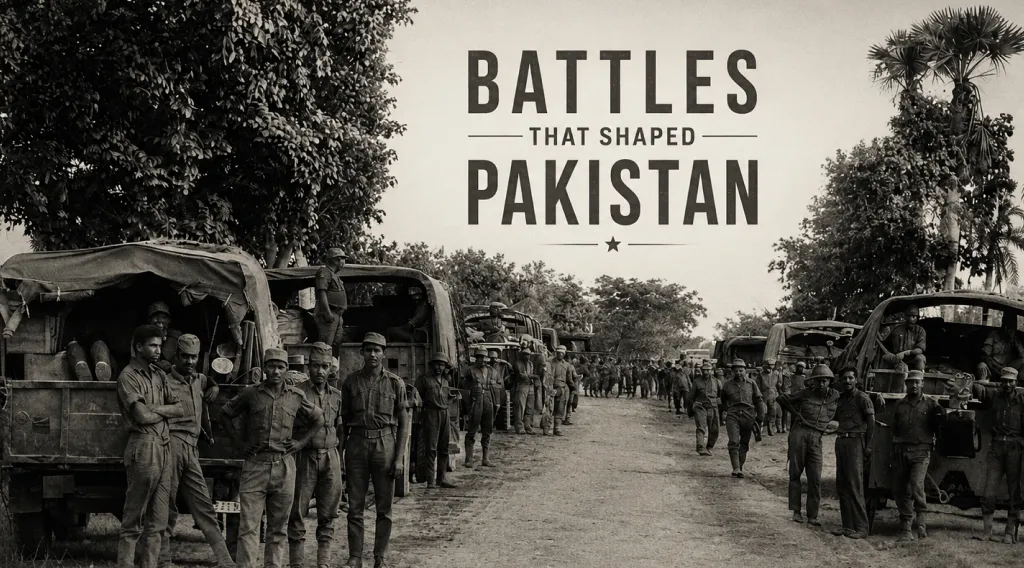
The 1965 war became one of the defining military chapters of Pakistan’s early history.
Major battles took place around Lahore, Sialkot and Kashmir, including the Battle of Chawinda, where Pakistani and Indian forces engaged in one of the largest tank battles of the conflict.
The war also produced some of Pakistan’s most remembered military heroes. Major Raja Aziz Bhatti Shaheed continued directing his troops under intense fire in the Lahore sector and was awarded the Nishan e Haider after being killed in action.
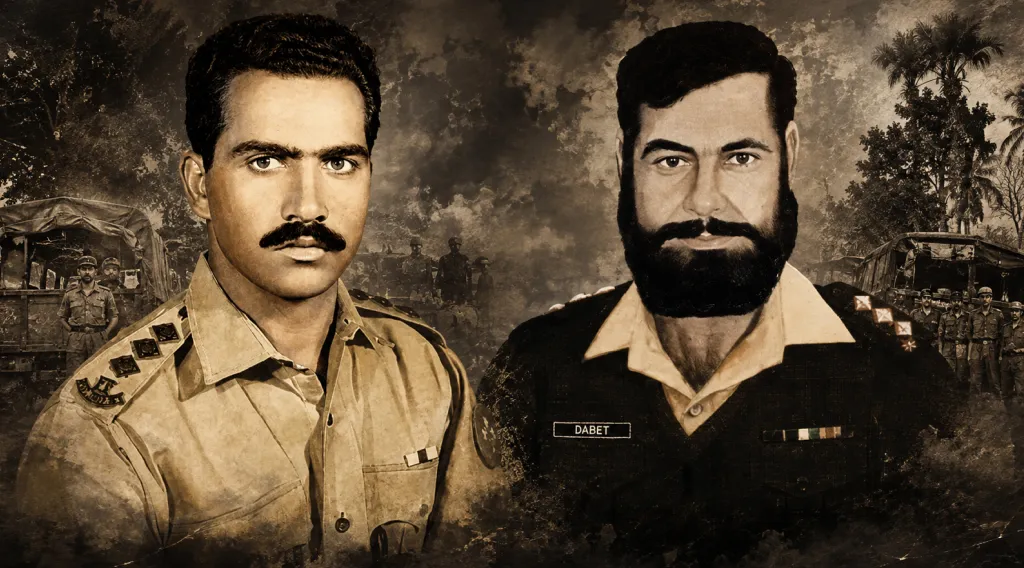
Pakistan’s military history is inseparable from the sacrifices of soldiers who lost their lives while serving the country.
Among the most recognised is Major Shabbir Sharif Shaheed, who received the Nishan e Haider for his extraordinary courage during the 1971 war. He continued leading his men despite intense opposition before being killed in action.
Another celebrated figure is Captain Karnal Sher Khan Shaheed, who was awarded the Nishan e Haider for his actions during the 1999 Kargil conflict.
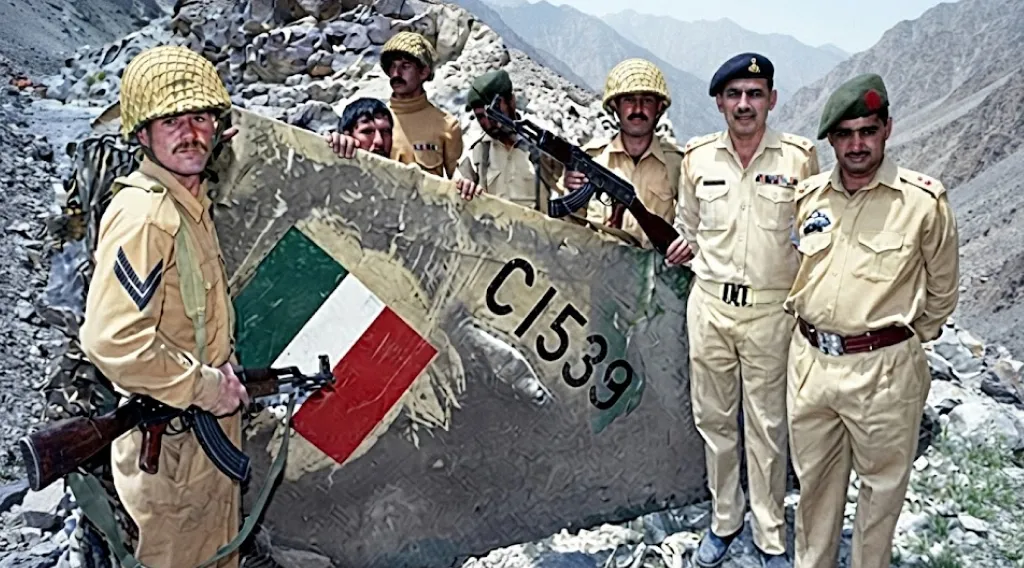
The 1999 Kargil conflict placed Pakistani soldiers in one of the world’s most challenging combat environments, with troops operating at extreme elevations and in severe weather.
Captain Karnal Sher Khan Shaheed became one of the conflict’s most recognised figures for his leadership and courage.
The following decades brought another major challenge as Pakistan confronted militant violence. Military operations including Rah e Rast, Rah e Nijat and Zarb e Azb targeted militant networks in different parts of the country.
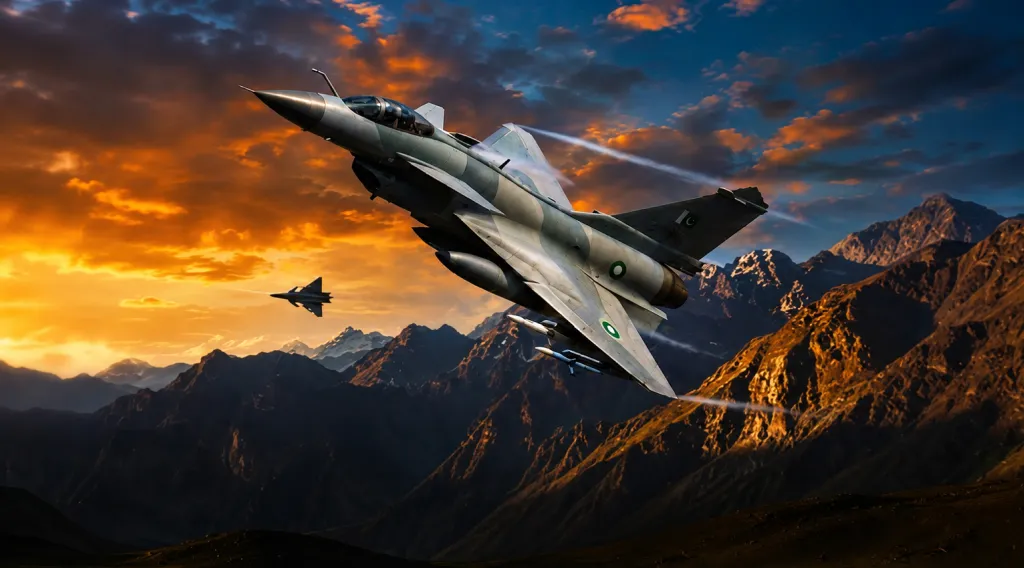
In May 2025, Pakistan and India entered a serious military confrontation that became another significant chapter in Pakistan’s recent defence history.
Pakistan officially referred to its response as Operation Bunyan um Marsoos, launched after a period of escalating tensions between the two countries.
The confrontation involved air operations, missile exchanges and military engagements before a ceasefire was reached.
Pakistan’s armed forces were placed on heightened alert throughout the crisis, while the country faced one of its most serious security situations in years.
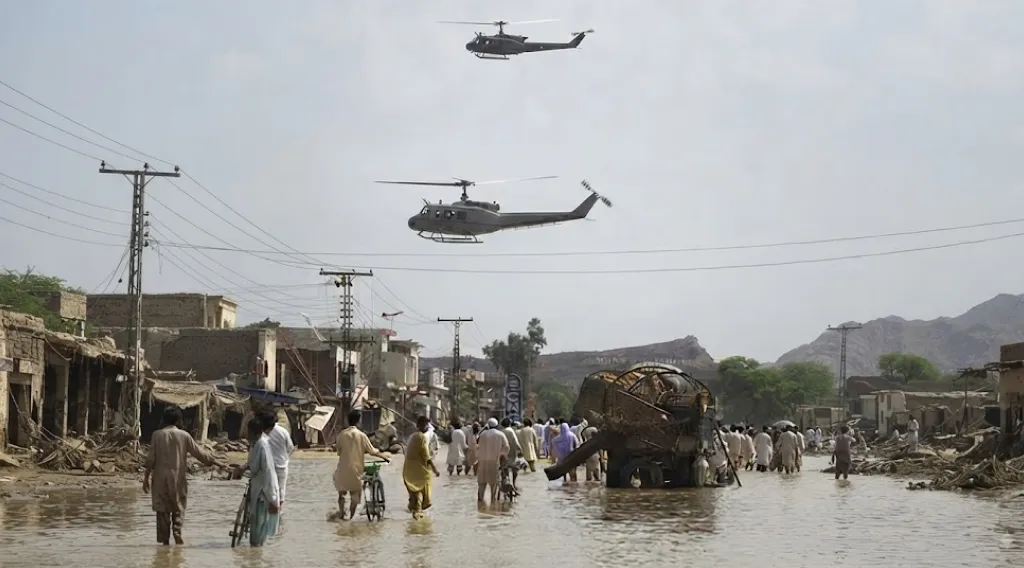
The Pakistan Army’s role has repeatedly extended beyond conventional combat.
During the 2005 earthquake, military personnel were deployed across devastated areas of Azad Jammu and Kashmir and northern Pakistan, carrying out rescue operations and transporting relief to communities cut off by destroyed roads.
The Army was again heavily involved during the 2010 floods, helping evacuate stranded communities and deliver relief supplies.
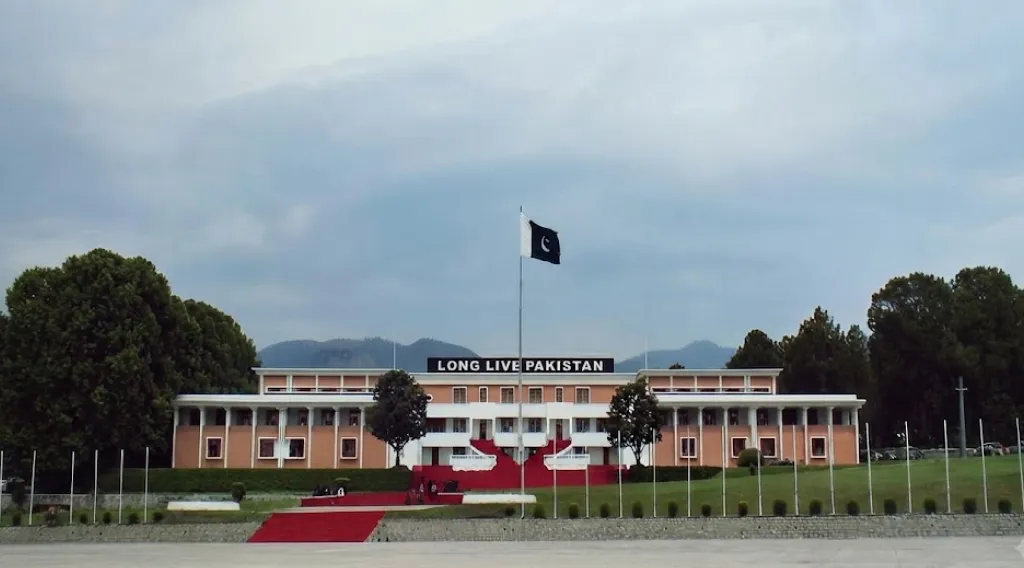
In 2026, the Pakistan Army continues to operate in a security environment shaped by terrorism, border challenges and rapidly changing military technology.
Counterterrorism operations remain active, particularly in Khyber Pakhtunkhwa and Balochistan, where security forces continue conducting intelligence based operations against militant groups.
At the same time, military preparedness increasingly depends on technology, intelligence, surveillance, communications and specialised training alongside conventional capabilities.
When Pakistan emerged as an independent country in 1947, the newly formed state faced immediate security challenges alongside the enormous task of building its institutions.
When Pakistan emerged as an independent country in 1947, the newly formed state faced immediate security challenges alongside the enormous task of building its institutions.
The Pakistan Army became one of the key institutions responsible for defending the country and protecting its territorial integrity.
Within months of independence, Pakistani troops became involved in the 1947 to 48 Kashmir conflict, making it one of the first major military challenges faced by the new country.
The 1965 war became one of the defining military chapters of Pakistan’s early history.
Major battles took place around Lahore, Sialkot and Kashmir, including the Battle of Chawinda, where Pakistani and Indian forces engaged in one of the largest tank battles of the conflict.
The war also produced some of Pakistan’s most remembered military heroes. Major Raja Aziz Bhatti Shaheed continued directing his troops under intense fire in the Lahore sector and was awarded the Nishan e Haider after being killed in action.
Pakistan’s military history is inseparable from the sacrifices of soldiers who lost their lives while serving the country.
Among the most recognised is Major Shabbir Sharif Shaheed, who received the Nishan e Haider for his extraordinary courage during the 1971 war. He continued leading his men despite intense opposition before being killed in action.
Another celebrated figure is Captain Karnal Sher Khan Shaheed, who was awarded the Nishan e Haider for his actions during the 1999 Kargil conflict.
The 1999 Kargil conflict placed Pakistani soldiers in one of the world’s most challenging combat environments, with troops operating at extreme elevations and in severe weather.
Captain Karnal Sher Khan Shaheed became one of the conflict’s most recognised figures for his leadership and courage.
The following decades brought another major challenge as Pakistan confronted militant violence. Military operations including Rah e Rast, Rah e Nijat and Zarb e Azb targeted militant networks in different parts of the country.
In May 2025, Pakistan and India entered a serious military confrontation that became another significant chapter in Pakistan’s recent defence history.
Pakistan officially referred to its response as Operation Bunyan um Marsoos, launched after a period of escalating tensions between the two countries.
The confrontation involved air operations, missile exchanges and military engagements before a ceasefire was reached.
Pakistan’s armed forces were placed on heightened alert throughout the crisis, while the country faced one of its most serious security situations in years.
The Pakistan Army’s role has repeatedly extended beyond conventional combat.
During the 2005 earthquake, military personnel were deployed across devastated areas of Azad Jammu and Kashmir and northern Pakistan, carrying out rescue operations and transporting relief to communities cut off by destroyed roads.
The Army was again heavily involved during the 2010 floods, helping evacuate stranded communities and deliver relief supplies.
In 2026, the Pakistan Army continues to operate in a security environment shaped by terrorism, border challenges and rapidly changing military technology.
Counterterrorism operations remain active, particularly in Khyber Pakhtunkhwa and Balochistan, where security forces continue conducting intelligence based operations against militant groups.
At the same time, military preparedness increasingly depends on technology, intelligence, surveillance, communications and specialised training alongside conventional capabilities.