ISPR’s Balochi Song “Pak Ae Watan” Celebrates Pakistan
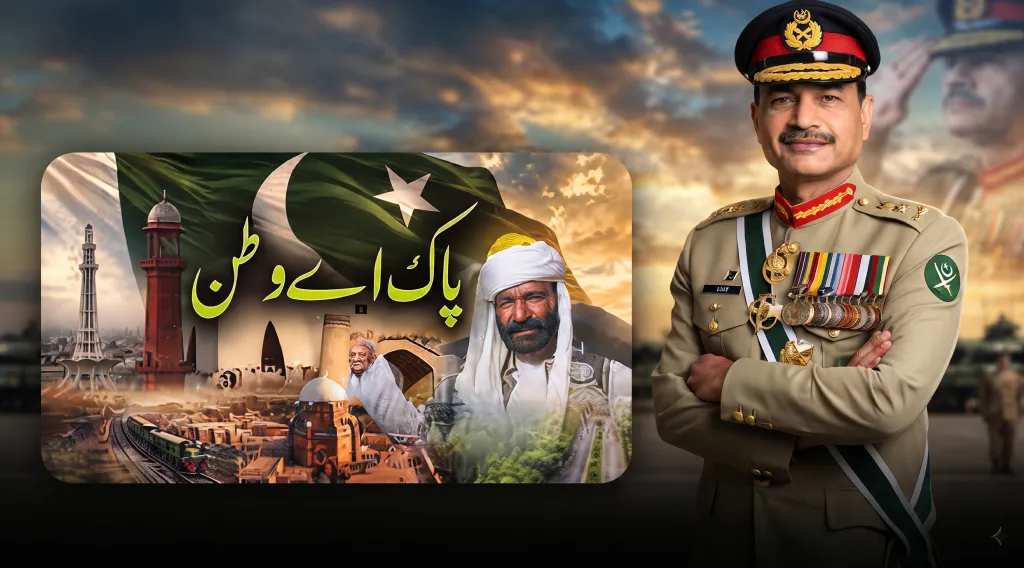
Ahead of Pakistan’s Independence Day on 14 August, Inter Services Public Relations has released a new patriotic song titled Pak Ae Watan in the Balochi language.
The release brings a regional cultural identity into this year’s national celebrations while highlighting themes of love for the homeland and unity.
The song has been performed by renowned Baloch singer Akhtar Chanal, whose traditional vocal style gives the track a distinct Balochi character.
Through its language and musical expression, the song connects national pride with the rich cultural heritage of Balochistan.

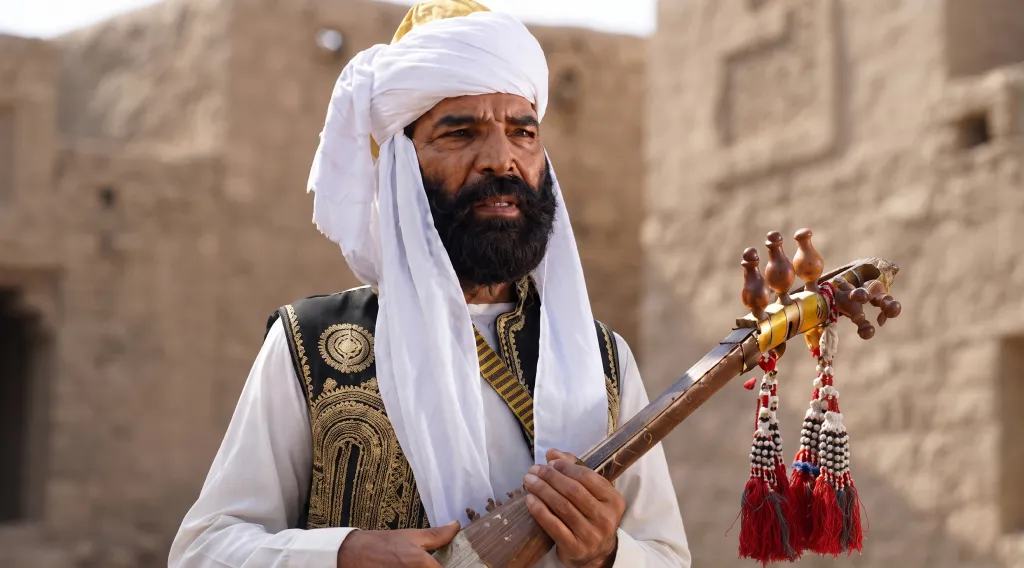
The patriotic track features celebrated Baloch singer Akhtar Chanal, whose distinctive style and connection to Balochi music shape the song’s cultural identity.
His performance gives Pak Ae Watan an authentic regional character while carrying its message of devotion to Pakistan.
The lyrics present the homeland as an important part of national identity rather than simply a geographical territory. They express deep affection for Pakistan and emphasize the willingness to make sacrifices for the country.
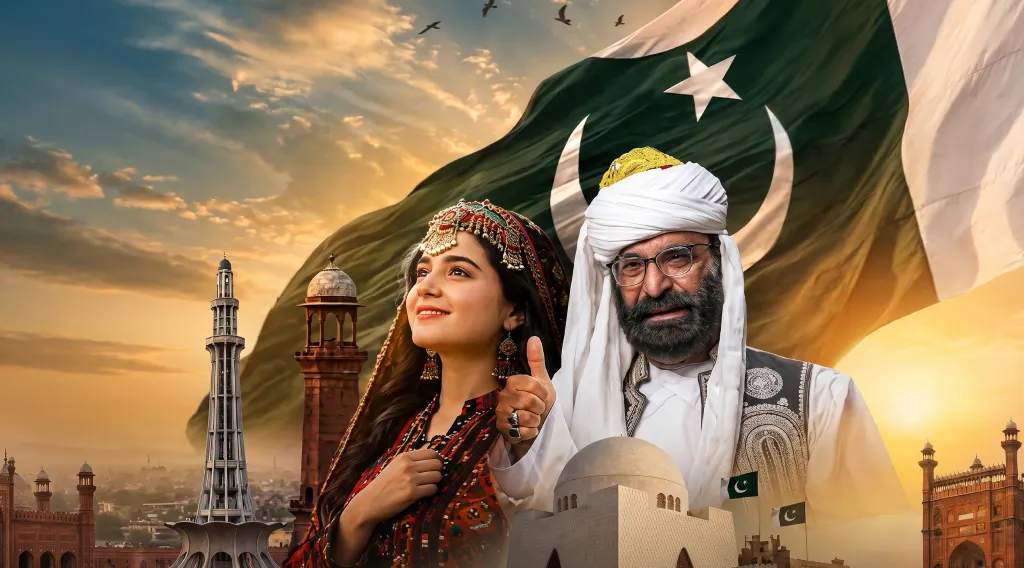
Pak Ae Watan highlights the cultural diversity that forms an important part of Pakistan’s national identity.
By presenting a patriotic message in Balochi, the song brings the language, musical traditions, and artistic expression of Balochistan into the Independence Day spotlight.
The release also provides a platform for regional culture to become part of a nationwide celebration. For Balochi speaking audiences, hearing a patriotic song in their own language can create a stronger cultural connection with the occasion.
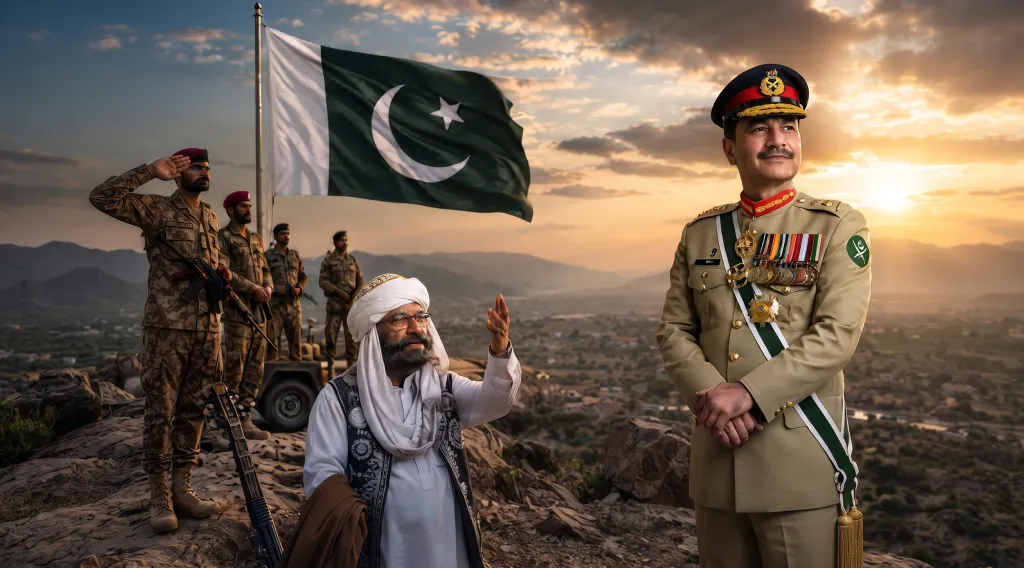
As Pakistan prepares to celebrate its Independence Day, Pak Ae Watan carries a message centered on unity, solidarity, brotherhood, and love for the homeland.
Its release brings together patriotic sentiment and Balochi cultural expression in a single musical tribute.
The song also reflects the role of regional languages in celebrating Pakistan’s shared identity. Rather than separating cultural traditions, music can provide a common space where different communities express their connection to the country.
Ahead of Pakistan’s Independence Day on 14 August, Inter Services Public Relations has released a new patriotic song titled “Pak Ae Watan” in the Balochi language.
Ahead of Pakistan’s Independence Day on 14 August, Inter Services Public Relations has released a new patriotic song titled Pak Ae Watan in the Balochi language.
The release brings a regional cultural identity into this year’s national celebrations while highlighting themes of love for the homeland and unity.
The song has been performed by renowned Baloch singer Akhtar Chanal, whose traditional vocal style gives the track a distinct Balochi character.
Through its language and musical expression, the song connects national pride with the rich cultural heritage of Balochistan.
The patriotic track features celebrated Baloch singer Akhtar Chanal, whose distinctive style and connection to Balochi music shape the song’s cultural identity.
His performance gives Pak Ae Watan an authentic regional character while carrying its message of devotion to Pakistan.
The lyrics present the homeland as an important part of national identity rather than simply a geographical territory. They express deep affection for Pakistan and emphasize the willingness to make sacrifices for the country.
Pak Ae Watan highlights the cultural diversity that forms an important part of Pakistan’s national identity.
By presenting a patriotic message in Balochi, the song brings the language, musical traditions, and artistic expression of Balochistan into the Independence Day spotlight.
The release also provides a platform for regional culture to become part of a nationwide celebration. For Balochi speaking audiences, hearing a patriotic song in their own language can create a stronger cultural connection with the occasion.
As Pakistan prepares to celebrate its Independence Day, Pak Ae Watan carries a message centered on unity, solidarity, brotherhood, and love for the homeland.
Its release brings together patriotic sentiment and Balochi cultural expression in a single musical tribute.
The song also reflects the role of regional languages in celebrating Pakistan’s shared identity. Rather than separating cultural traditions, music can provide a common space where different communities express their connection to the country.



