Pakistan’s Makkah Defence Pact: A New Era of Strategic Cooperation
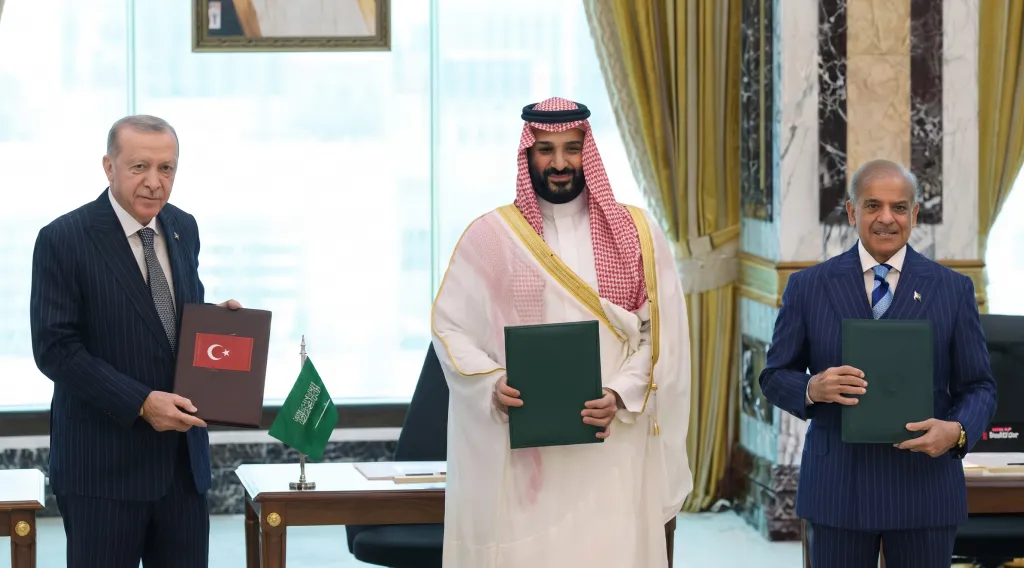
Pakistan, Saudi Arabia, and Türkiye have taken an important step toward deeper strategic cooperation through the Makkah Joint Defence Agreement.
The new framework is aimed at strengthening defence coordination and enhancing cooperation on matters related to mutual security.
The agreement reflects the growing strategic relationship among the three countries. By establishing a stronger defence partnership, Pakistan, Saudi Arabia, and Türkiye seek to improve coordination and reinforce their shared commitment to regional stability and security.


Pakistan’s Foreign Minister Ishaq Dar has described the Makkah Joint Defence Agreement as a purely defensive arrangement.
According to Pakistan, the agreement is intended to strengthen mutual security rather than serve as a platform for confrontation.
The emphasis on defence highlights the three countries’ stated intention to work together in protecting their shared security interests.
The pact provides a framework for closer communication, coordination, and strategic cooperation among the participating states.
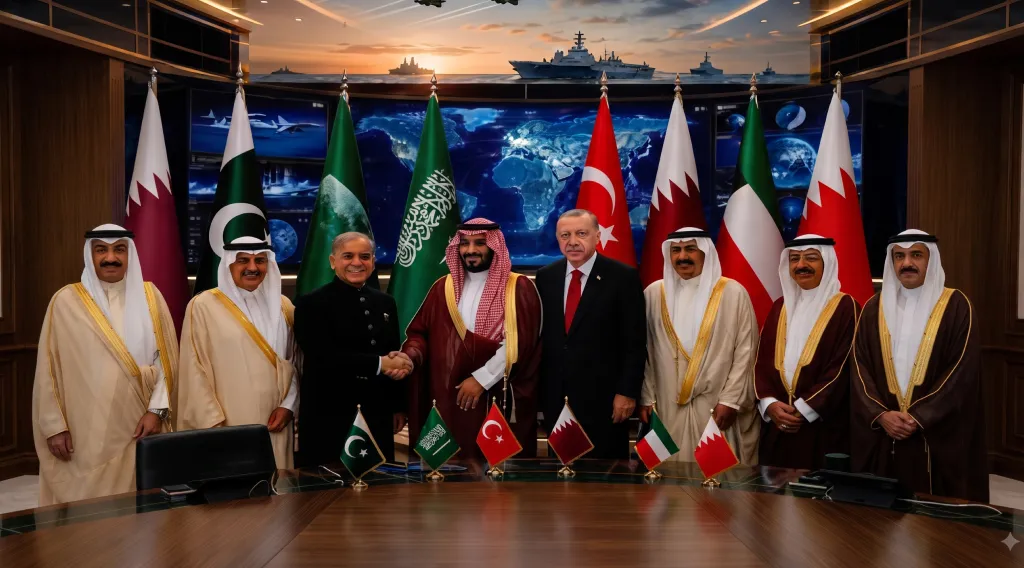
One of the notable aspects of the Makkah Joint Defence Agreement is the possibility of broader participation.
Foreign Minister Ishaq Dar indicated that other countries could potentially join the framework if they support and are prepared to follow its principles.
This possibility could allow the defence partnership to develop beyond its original three members. Countries sharing similar views on security cooperation and the principles outlined in the agreement may have an opportunity to become part of the arrangement.
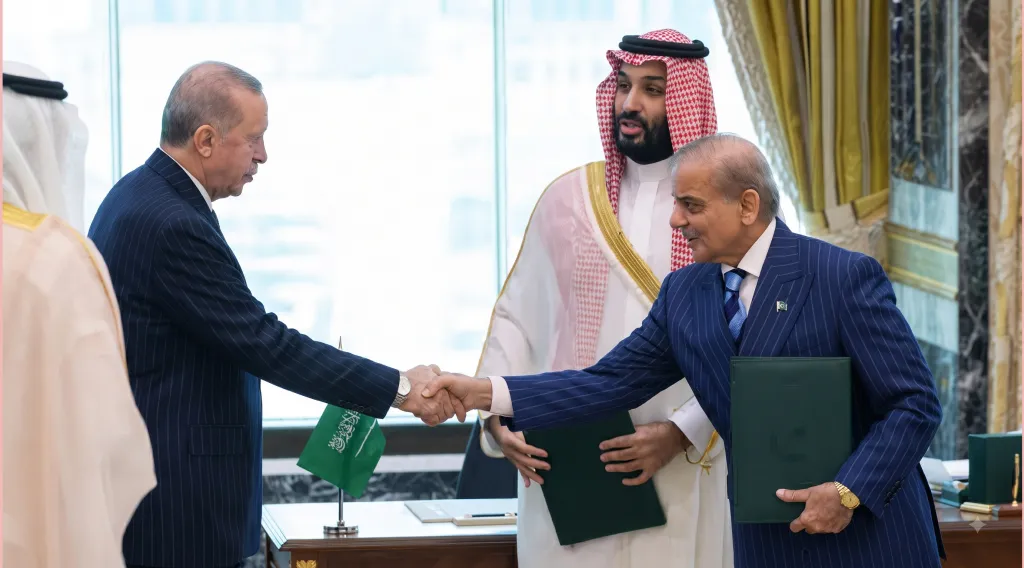
The Makkah Joint Defence Agreement marks a new chapter in the relationship between Pakistan, Saudi Arabia, and Türkiye.
While Pakistan has emphasized that the arrangement is defensive in nature, it also demonstrates a stronger level of strategic coordination among the three countries.
For Pakistan, the agreement strengthens defence ties with two important regional partners and creates additional opportunities for cooperation on shared security concerns. It also reflects the growing importance of strategic partnerships in addressing regional challenges.
Pakistan, Saudi Arabia, and Türkiye have taken an important step toward deeper strategic cooperation through the Makkah Joint Defence Agreement.
Pakistan, Saudi Arabia, and Türkiye have taken an important step toward deeper strategic cooperation through the Makkah Joint Defence Agreement.
The new framework is aimed at strengthening defence coordination and enhancing cooperation on matters related to mutual security.
The agreement reflects the growing strategic relationship among the three countries. By establishing a stronger defence partnership, Pakistan, Saudi Arabia, and Türkiye seek to improve coordination and reinforce their shared commitment to regional stability and security.
Pakistan’s Foreign Minister Ishaq Dar has described the Makkah Joint Defence Agreement as a purely defensive arrangement.
According to Pakistan, the agreement is intended to strengthen mutual security rather than serve as a platform for confrontation.
The emphasis on defence highlights the three countries’ stated intention to work together in protecting their shared security interests.
The pact provides a framework for closer communication, coordination, and strategic cooperation among the participating states.
One of the notable aspects of the Makkah Joint Defence Agreement is the possibility of broader participation.
Foreign Minister Ishaq Dar indicated that other countries could potentially join the framework if they support and are prepared to follow its principles.
This possibility could allow the defence partnership to develop beyond its original three members. Countries sharing similar views on security cooperation and the principles outlined in the agreement may have an opportunity to become part of the arrangement.
The Makkah Joint Defence Agreement marks a new chapter in the relationship between Pakistan, Saudi Arabia, and Türkiye.
While Pakistan has emphasized that the arrangement is defensive in nature, it also demonstrates a stronger level of strategic coordination among the three countries.
For Pakistan, the agreement strengthens defence ties with two important regional partners and creates additional opportunities for cooperation on shared security concerns. It also reflects the growing importance of strategic partnerships in addressing regional challenges.