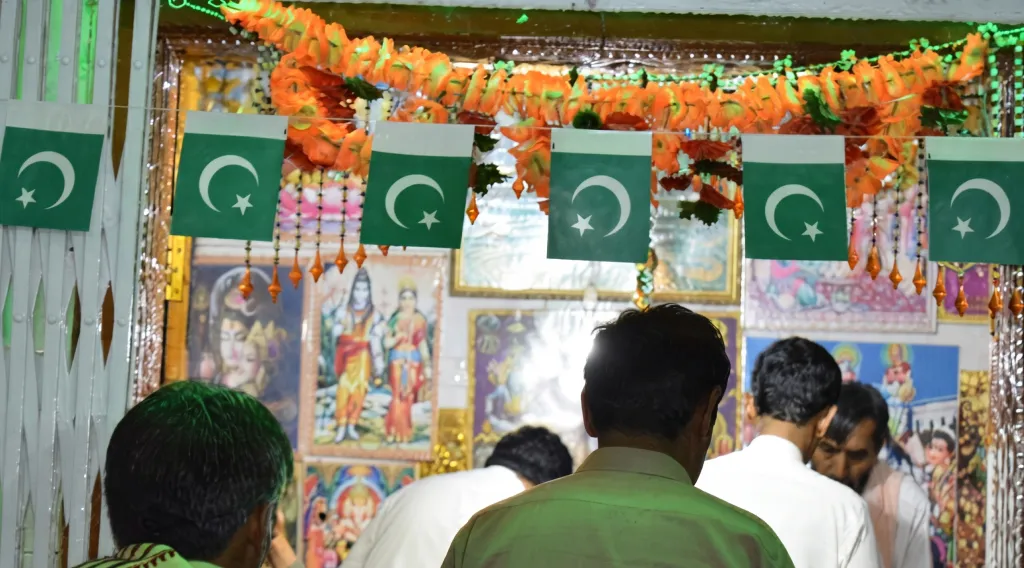
Nestled in the southeastern corner of Sindh, Tharparkar is home to one of Pakistan's largest Hindu populations, where Hindu and Muslim communities have lived side by side for generations.
Despite cultural and religious differences, many villages are known for their traditions of mutual respect, shared celebrations, and strong community bonds that have been passed down over decades.
Neighbors often come together during festivals, weddings, and times of need, reflecting a culture of coexistence that remains an important part of everyday life. This shared heritage has helped strengthen relationships built on trust and understanding.

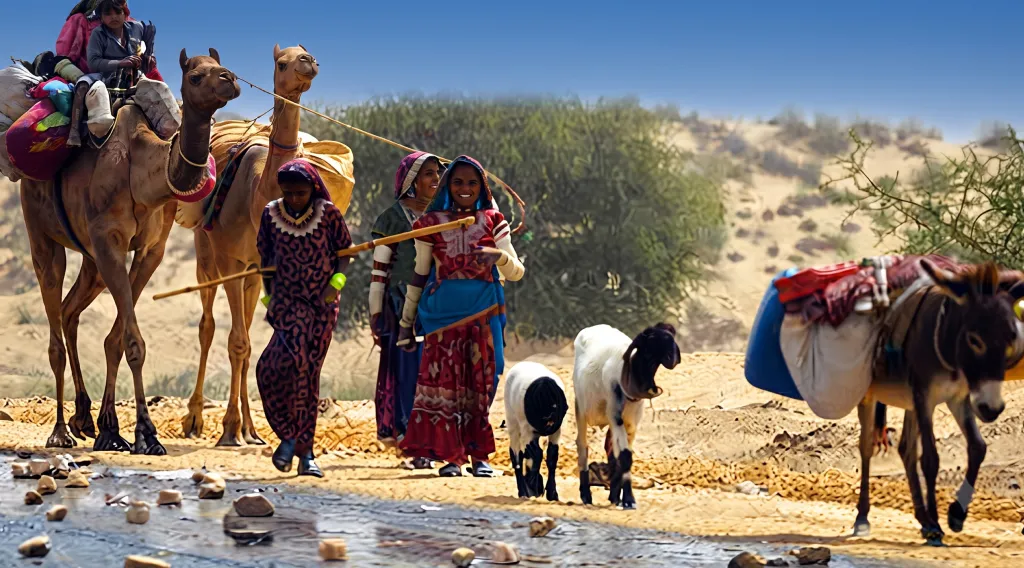
For many families across Tharparkar, access to clean water remains one of the greatest daily challenges.
In several villages, women and young girls walk long distances, sometimes close to a kilometer or more, to collect water from wells or community water points before carefully carrying it home in traditional earthen pots balanced on their heads.
This demanding routine is repeated every day, often under intense desert temperatures, requiring remarkable physical strength and determination. Despite these hardships, women continue to support their families with resilience and dignity while preserving customs that have existed for generations.
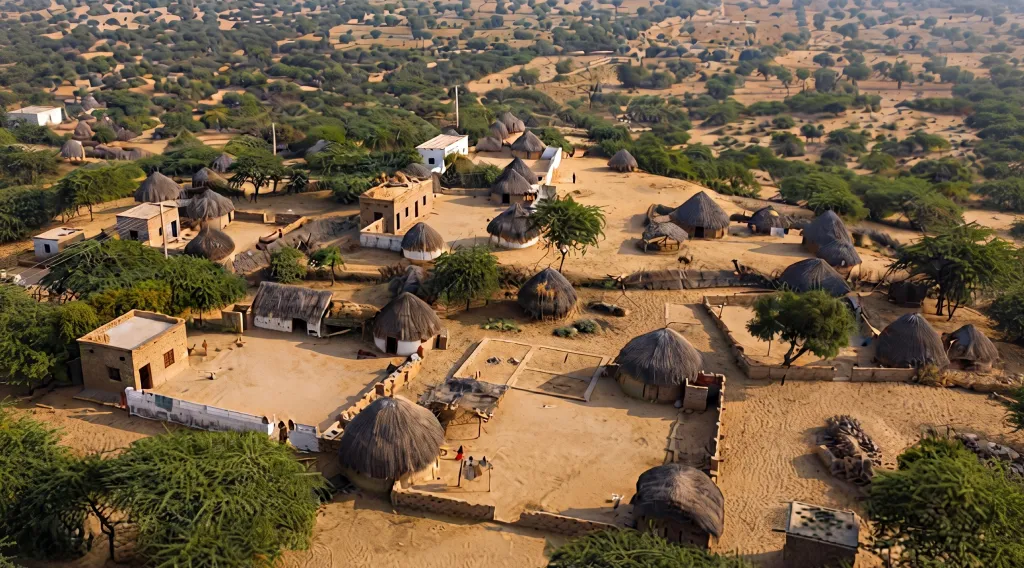
Although Tharparkar experiences recurring droughts, limited resources, and economic challenges, many families remain deeply connected to the land where their ancestors lived for generations.
Elders often describe the desert not simply as a place to live but as a part of their identity, history, and cultural heritage.
For many residents, leaving Tharparkar is never an easy decision because every village, temple, shrine, and sand dune carries memories that connect families to their roots. Their attachment to the region reflects generations of tradition, community, and belonging.
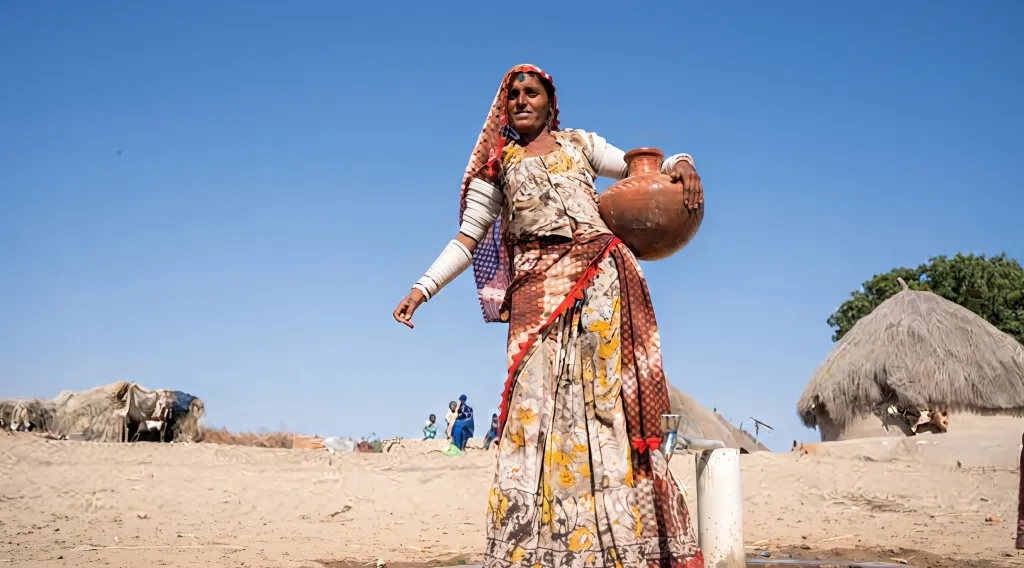
Beyond its sweeping sand dunes and vibrant cultural traditions, Tharparkar is a region defined by resilience, simplicity, and hope.
Its people continue to preserve their customs, support one another, and face everyday challenges with remarkable determination despite the realities of desert life.
Traditional music, colorful handicrafts, local festivals, and strong family values remain at the heart of the region's identity, creating a rich cultural landscape admired across Pakistan.
While development efforts continue to improve access to water, healthcare, and education, the strength of Tharparkar has always come from its people.
Nestled in the southeastern corner of Sindh, Tharparkar is home to one of Pakistan’s largest Hindu populations, where Hindu and Muslim communities have lived side by side for generations.
Nestled in the southeastern corner of Sindh, Tharparkar is home to one of Pakistan's largest Hindu populations, where Hindu and Muslim communities have lived side by side for generations.
Despite cultural and religious differences, many villages are known for their traditions of mutual respect, shared celebrations, and strong community bonds that have been passed down over decades.
Neighbors often come together during festivals, weddings, and times of need, reflecting a culture of coexistence that remains an important part of everyday life. This shared heritage has helped strengthen relationships built on trust and understanding.
For many families across Tharparkar, access to clean water remains one of the greatest daily challenges.
In several villages, women and young girls walk long distances, sometimes close to a kilometer or more, to collect water from wells or community water points before carefully carrying it home in traditional earthen pots balanced on their heads.
This demanding routine is repeated every day, often under intense desert temperatures, requiring remarkable physical strength and determination. Despite these hardships, women continue to support their families with resilience and dignity while preserving customs that have existed for generations.
Although Tharparkar experiences recurring droughts, limited resources, and economic challenges, many families remain deeply connected to the land where their ancestors lived for generations.
Elders often describe the desert not simply as a place to live but as a part of their identity, history, and cultural heritage.
For many residents, leaving Tharparkar is never an easy decision because every village, temple, shrine, and sand dune carries memories that connect families to their roots. Their attachment to the region reflects generations of tradition, community, and belonging.
Beyond its sweeping sand dunes and vibrant cultural traditions, Tharparkar is a region defined by resilience, simplicity, and hope.
Its people continue to preserve their customs, support one another, and face everyday challenges with remarkable determination despite the realities of desert life.
Traditional music, colorful handicrafts, local festivals, and strong family values remain at the heart of the region's identity, creating a rich cultural landscape admired across Pakistan.
While development efforts continue to improve access to water, healthcare, and education, the strength of Tharparkar has always come from its people.



