
Pakistan's military training system is built around institutions that prepare officers for leadership, discipline, and professional excellence.
The Pakistan Military Academy (PMA) Kakul, the Pakistan Air Force Academy Asghar Khan, the Pakistan Naval Academy, and the National Defence University (NDU) are among the country's most respected centers of military education.
Together, they provide rigorous academic instruction, physical training, tactical education, and leadership development. Cadets and officers undergo years of structured training designed to strengthen decision making, teamwork, integrity, and operational readiness

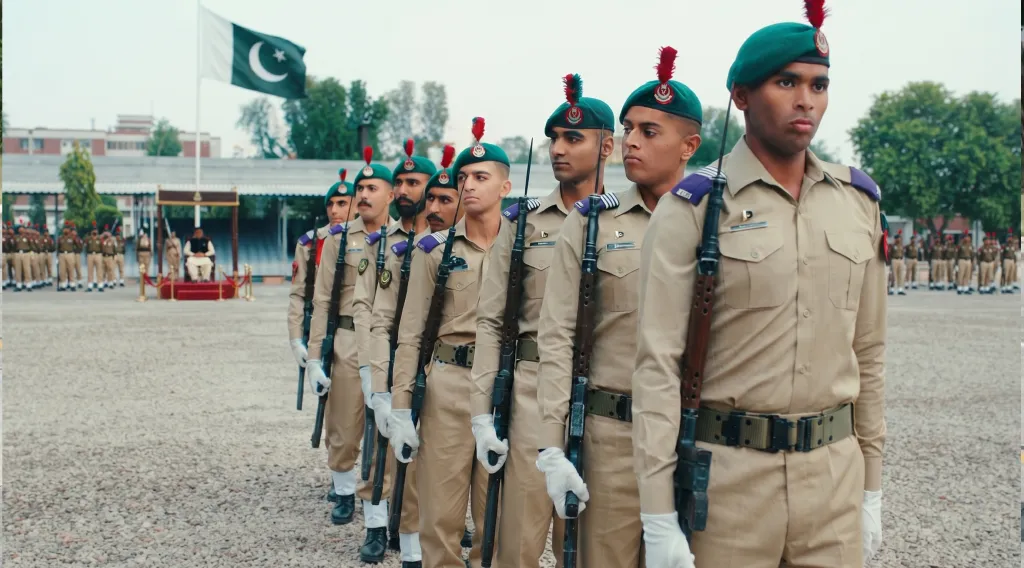
For decades, Pakistan's military academies have welcomed cadets and officers from friendly countries for professional education and training.
Participants from nations across Asia, the Middle East, Africa, and other regions have attended courses at institutions such as PMA Kakul, the Command and Staff College Quetta, and the National Defence University.
Training alongside Pakistani officers allows international participants to exchange ideas, strengthen professional relationships, and learn from diverse operational experiences. These programs promote mutual understanding while encouraging cooperation among future military leaders.
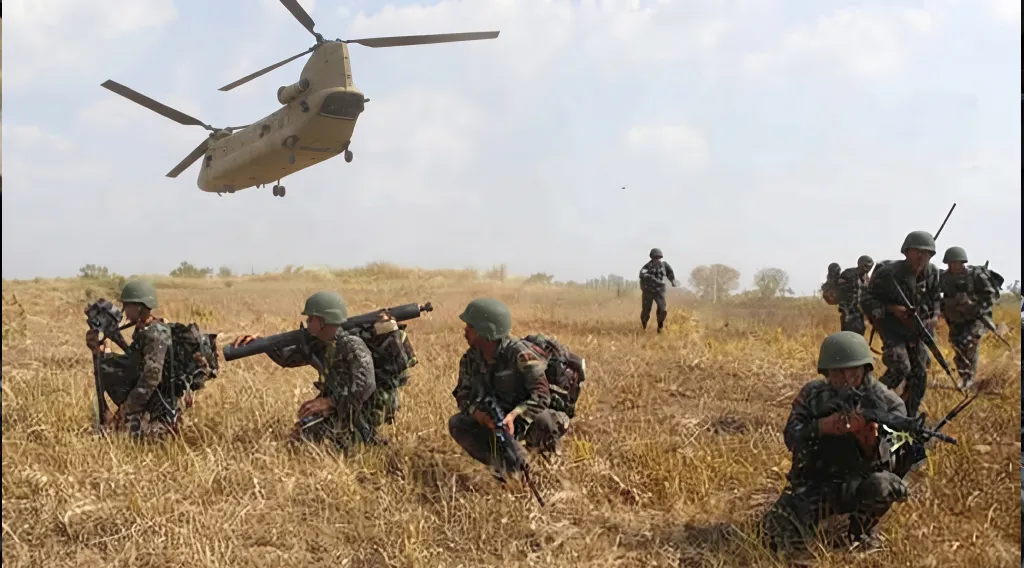
International cooperation extends well beyond military classrooms. Pakistan regularly participates in bilateral and multinational military exercises, staff exchanges, seminars, and professional dialogue with partner countries.
These engagements help officers develop new skills, share best practices, and improve coordination for peacekeeping, humanitarian assistance, disaster response, and regional security.
Military education institutions also host conferences and strategic discussions where officers and scholars examine evolving security challenges, emerging technologies, and leadership principles.
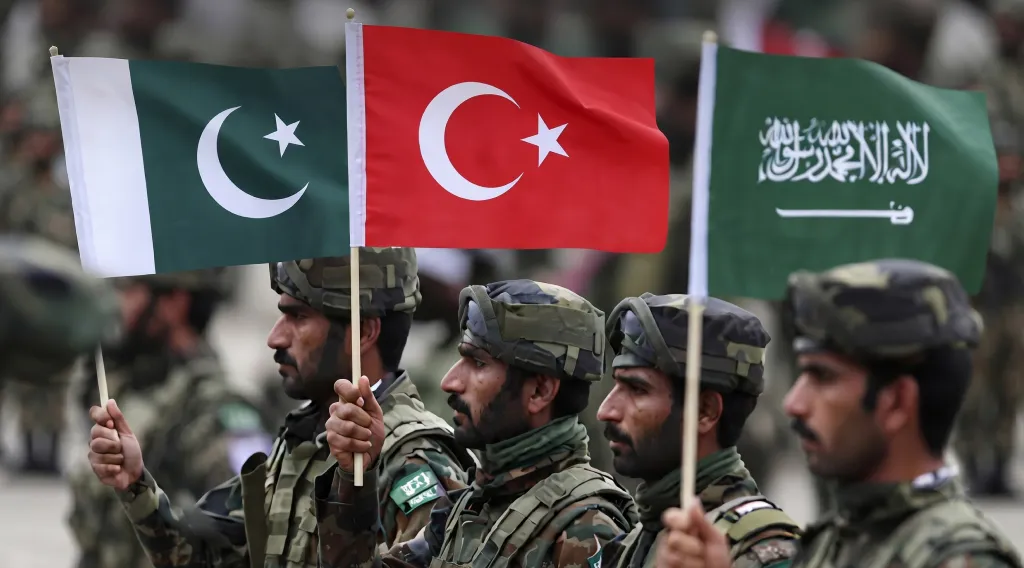
Military education plays an important role in strengthening Pakistan's international partnerships. Officers who train together often develop lifelong professional connections that support dialogue, cooperation, and mutual understanding throughout their careers.
These relationships contribute to stronger defence ties while promoting regional stability and collaboration.
Pakistan's training institutions continue to evolve by incorporating modern technology, updated academic programs, and leadership focused education that meets contemporary challenges. Their commitment to excellence has helped maintain a positive reputation among many friendly nations seeking high quality professional military education.
Pakistan’s military training system is built around institutions that prepare officers for leadership, discipline, and professional excellence.
Pakistan's military training system is built around institutions that prepare officers for leadership, discipline, and professional excellence.
The Pakistan Military Academy (PMA) Kakul, the Pakistan Air Force Academy Asghar Khan, the Pakistan Naval Academy, and the National Defence University (NDU) are among the country's most respected centers of military education.
Together, they provide rigorous academic instruction, physical training, tactical education, and leadership development. Cadets and officers undergo years of structured training designed to strengthen decision making, teamwork, integrity, and operational readiness
For decades, Pakistan's military academies have welcomed cadets and officers from friendly countries for professional education and training.
Participants from nations across Asia, the Middle East, Africa, and other regions have attended courses at institutions such as PMA Kakul, the Command and Staff College Quetta, and the National Defence University.
Training alongside Pakistani officers allows international participants to exchange ideas, strengthen professional relationships, and learn from diverse operational experiences. These programs promote mutual understanding while encouraging cooperation among future military leaders.
International cooperation extends well beyond military classrooms. Pakistan regularly participates in bilateral and multinational military exercises, staff exchanges, seminars, and professional dialogue with partner countries.
These engagements help officers develop new skills, share best practices, and improve coordination for peacekeeping, humanitarian assistance, disaster response, and regional security.
Military education institutions also host conferences and strategic discussions where officers and scholars examine evolving security challenges, emerging technologies, and leadership principles.
Military education plays an important role in strengthening Pakistan's international partnerships. Officers who train together often develop lifelong professional connections that support dialogue, cooperation, and mutual understanding throughout their careers.
These relationships contribute to stronger defence ties while promoting regional stability and collaboration.
Pakistan's training institutions continue to evolve by incorporating modern technology, updated academic programs, and leadership focused education that meets contemporary challenges. Their commitment to excellence has helped maintain a positive reputation among many friendly nations seeking high quality professional military education.



