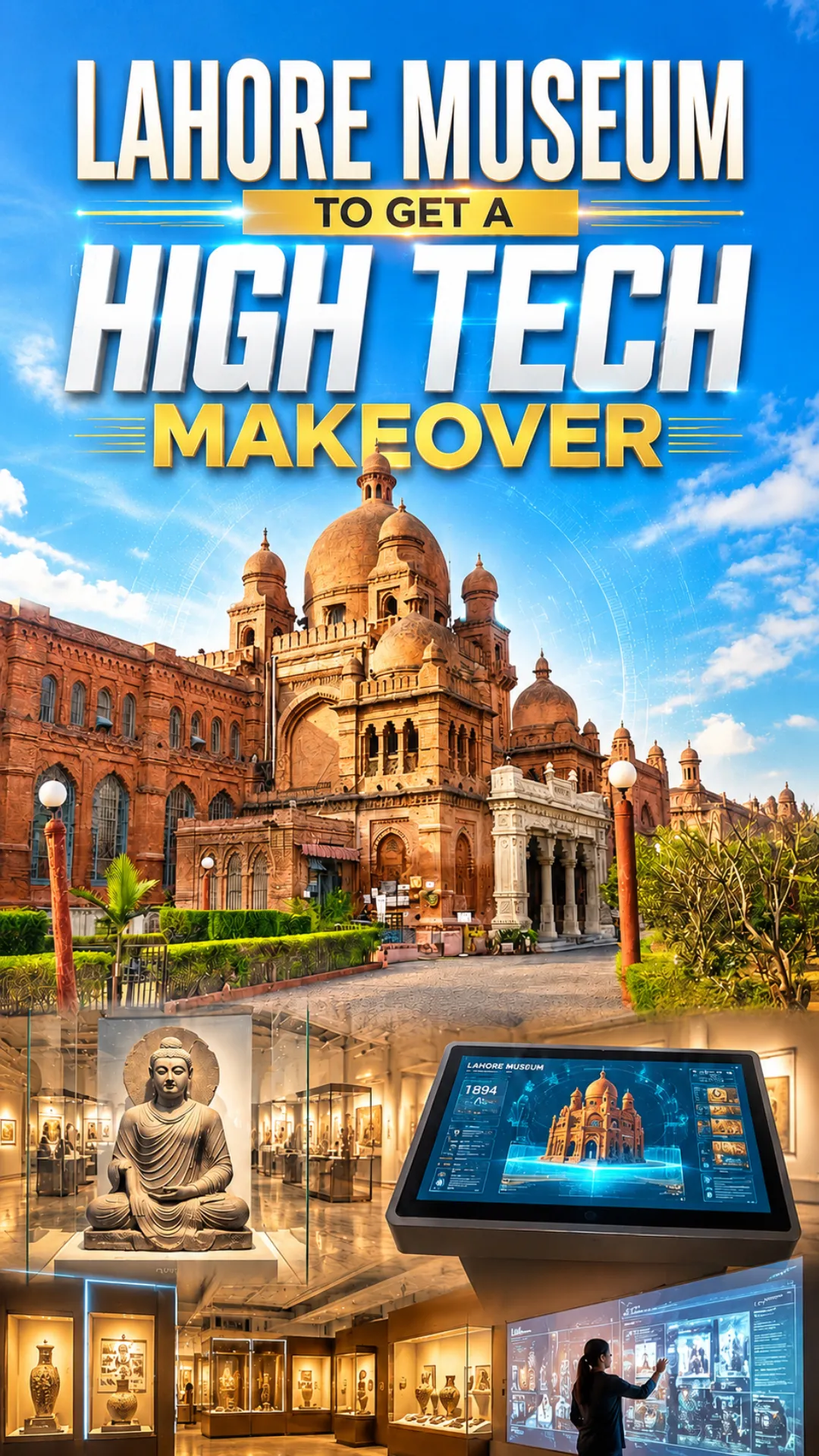
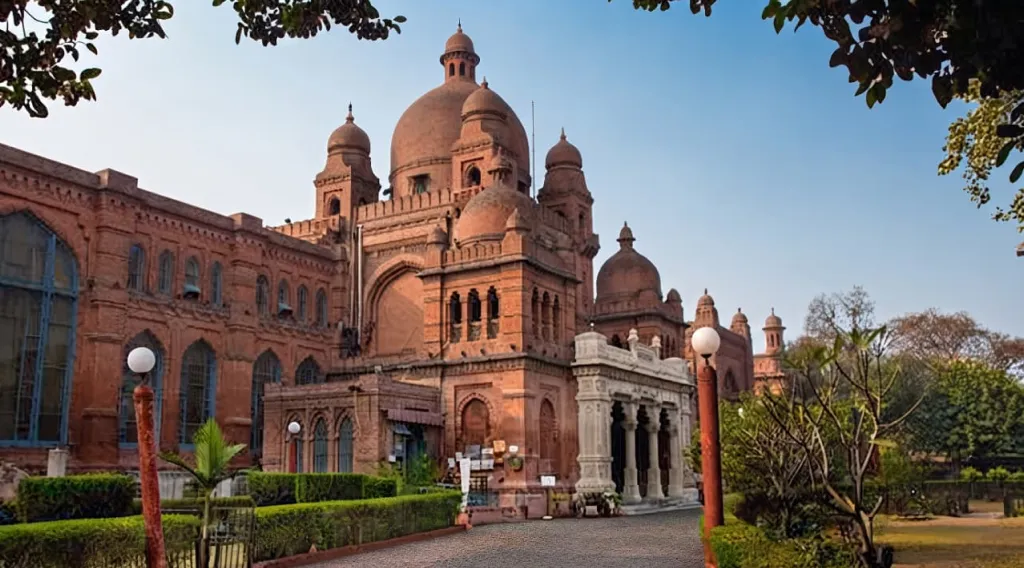
One of Pakistan's oldest and most celebrated cultural institutions, the Lahore Museum, is set to undergo a major modernization through a multi million dollar restoration project supported by UNESCO and the Punjab government.
Established in 1894, the museum has preserved generations of South Asia's artistic, archaeological, and historical treasures.
The initiative aims to protect the museum's historic legacy while introducing modern technologies that make its collections more accessible and engaging for visitors. Rather than changing its identity, the project seeks to strengthen its role as a leading cultural destination.

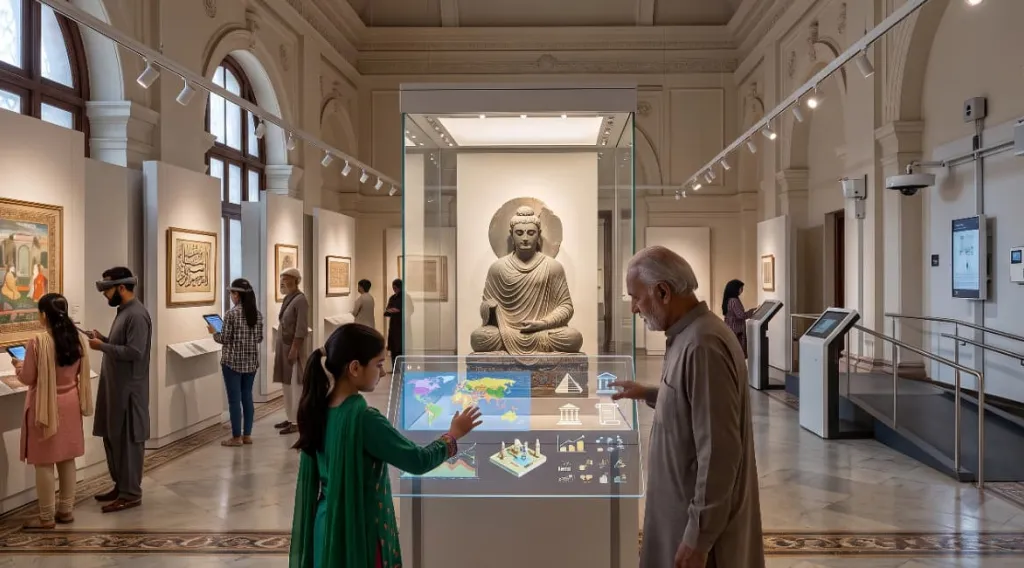
The modernization project will introduce several digital features designed to create a more interactive and informative visitor experience.
Among the planned upgrades are QR code based audio guides, interactive touch screens, and the digitization of thousands of historical artifacts housed within the museum.
These technologies will allow visitors to explore exhibits at their own pace while accessing detailed historical information, multimedia presentations, and educational resources through digital platforms. The experience will become more immersive for students, researchers, tourists, and families alike.
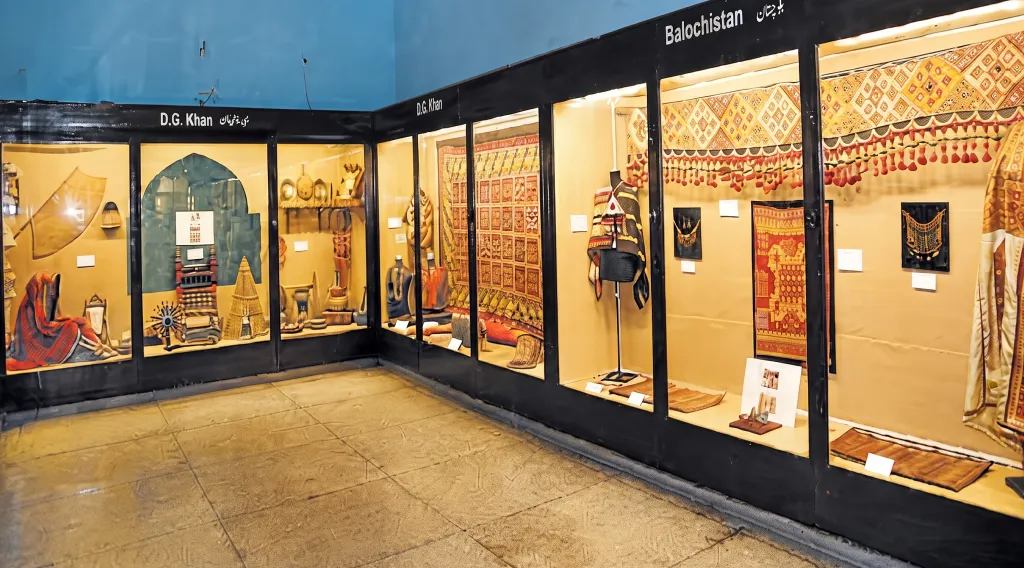
Alongside digital improvements, the restoration project places strong emphasis on the long term preservation of the museum's invaluable collections.
Conservation efforts will include roof waterproofing, improved drainage systems, and the installation of advanced climate control technology.
These upgrades are designed to protect rare manuscripts, paintings, sculptures, archaeological discoveries, and historical artifacts from moisture, temperature fluctuations, and other environmental risks that can cause irreversible damage over time.
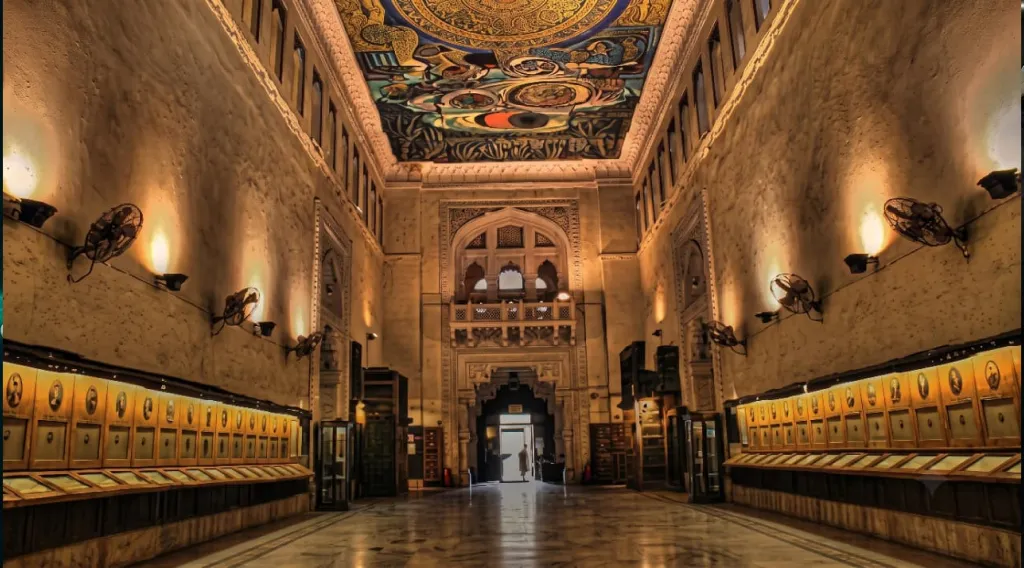
The modernization reflects a broader commitment to protecting Pakistan's cultural heritage while embracing innovation in museum management and public engagement.
As visitor expectations evolve, institutions around the world are increasingly adopting digital technologies to improve learning experiences without compromising historical authenticity.
For the Lahore Museum, these upgrades represent an opportunity to remain both historically significant and internationally relevant. Enhanced accessibility, improved preservation standards, and interactive learning tools can attract more visitors while strengthening appreciation for Pakistan's diverse history.
One of Pakistan’s oldest and most celebrated cultural institutions, the Lahore Museum, is set to undergo a major modernization through a multi million dollar restoration project supported by UNESCO and the Punjab government.
One of Pakistan's oldest and most celebrated cultural institutions, the Lahore Museum, is set to undergo a major modernization through a multi million dollar restoration project supported by UNESCO and the Punjab government.
Established in 1894, the museum has preserved generations of South Asia's artistic, archaeological, and historical treasures.
The initiative aims to protect the museum's historic legacy while introducing modern technologies that make its collections more accessible and engaging for visitors. Rather than changing its identity, the project seeks to strengthen its role as a leading cultural destination.
The modernization project will introduce several digital features designed to create a more interactive and informative visitor experience.
Among the planned upgrades are QR code based audio guides, interactive touch screens, and the digitization of thousands of historical artifacts housed within the museum.
These technologies will allow visitors to explore exhibits at their own pace while accessing detailed historical information, multimedia presentations, and educational resources through digital platforms. The experience will become more immersive for students, researchers, tourists, and families alike.
Alongside digital improvements, the restoration project places strong emphasis on the long term preservation of the museum's invaluable collections.
Conservation efforts will include roof waterproofing, improved drainage systems, and the installation of advanced climate control technology.
These upgrades are designed to protect rare manuscripts, paintings, sculptures, archaeological discoveries, and historical artifacts from moisture, temperature fluctuations, and other environmental risks that can cause irreversible damage over time.
The modernization reflects a broader commitment to protecting Pakistan's cultural heritage while embracing innovation in museum management and public engagement.
As visitor expectations evolve, institutions around the world are increasingly adopting digital technologies to improve learning experiences without compromising historical authenticity.
For the Lahore Museum, these upgrades represent an opportunity to remain both historically significant and internationally relevant. Enhanced accessibility, improved preservation standards, and interactive learning tools can attract more visitors while strengthening appreciation for Pakistan's diverse history.



