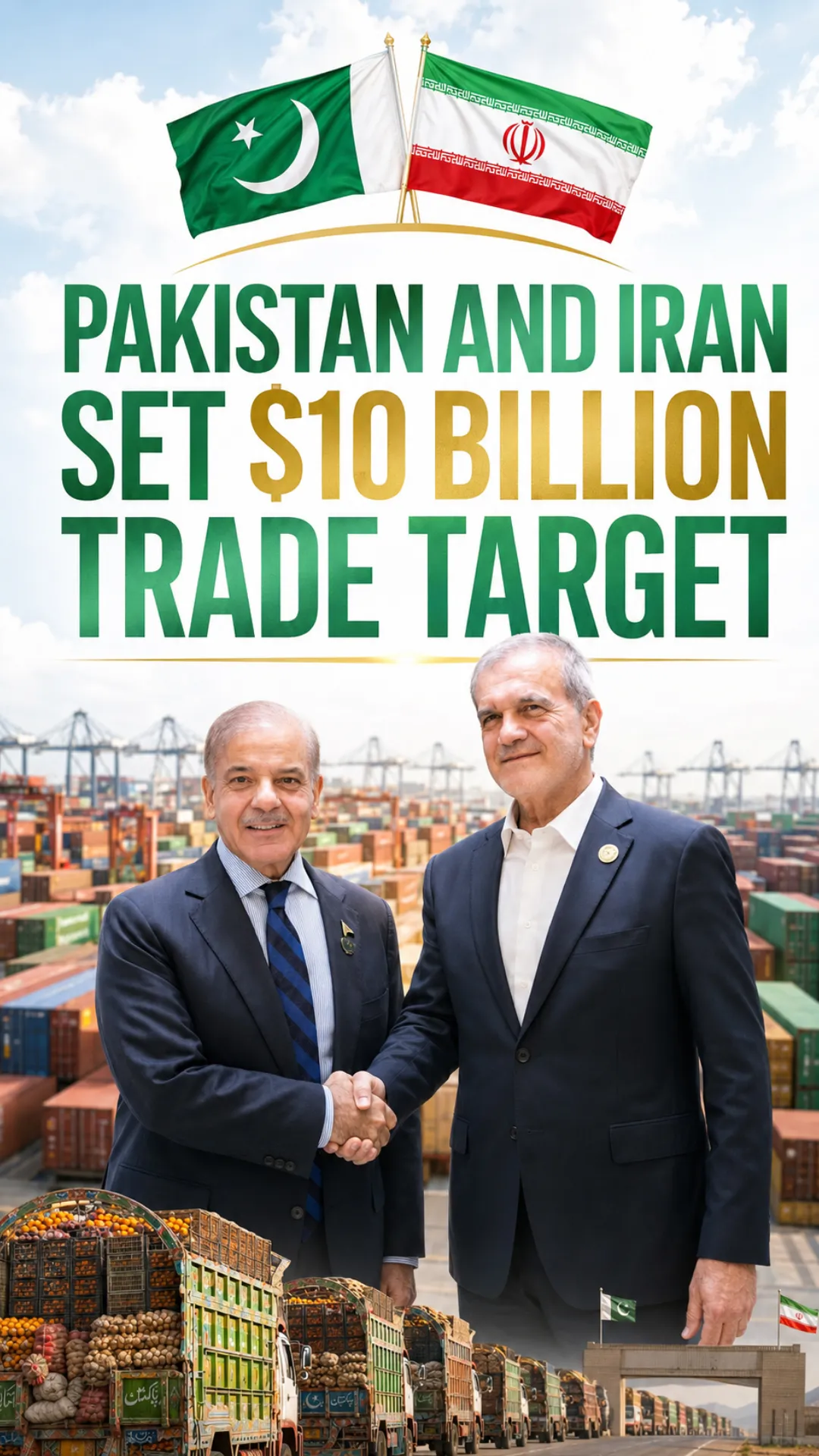
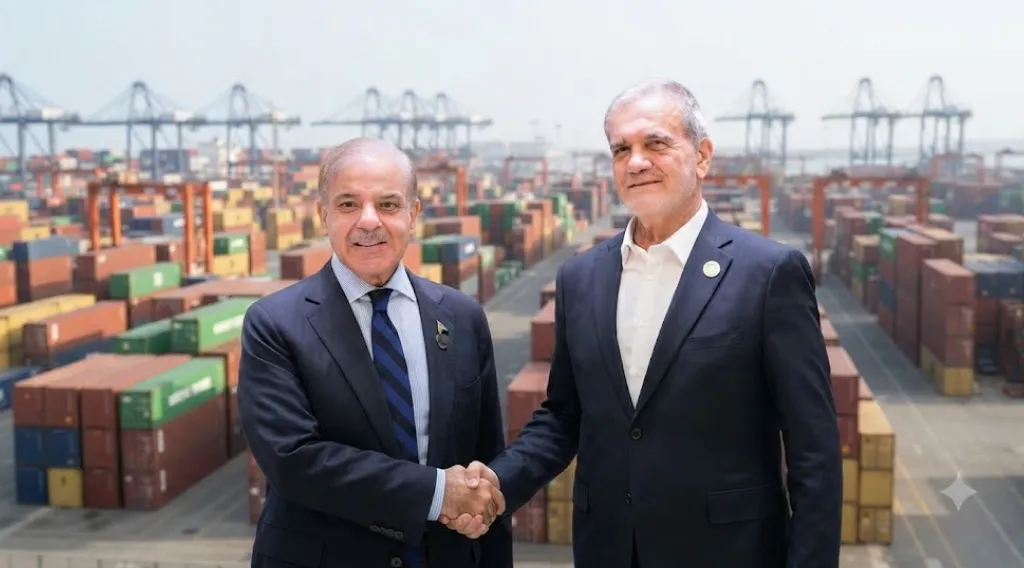
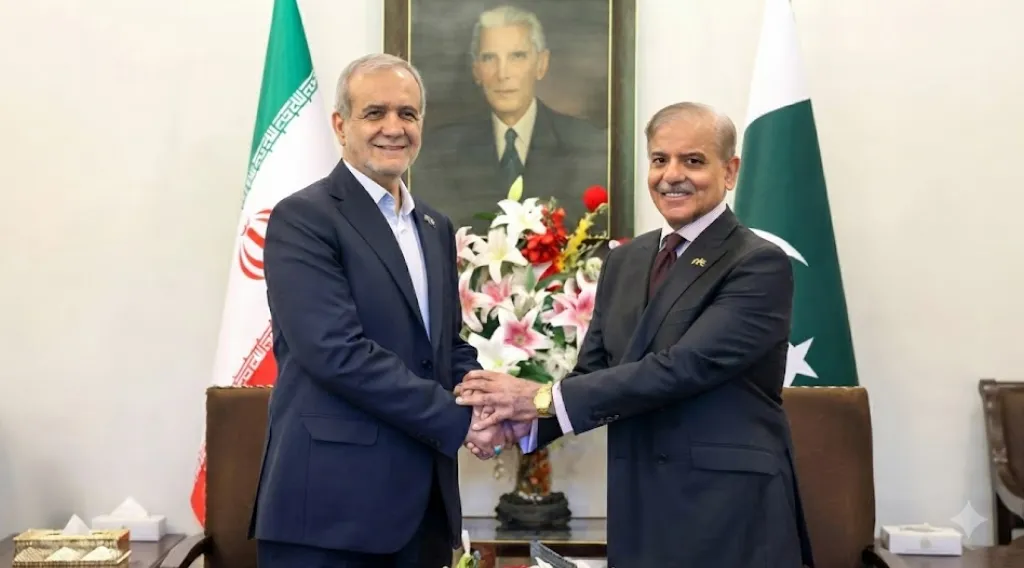
Pakistan and Iran have agreed to significantly strengthen their economic partnership by setting a new bilateral trade target of $10 billion.
The understanding was reached during the 10th Pakistan-Iran Joint Trade Committee (JTC) meeting, where senior officials from both countries discussed ways to expand trade, investment, and commercial cooperation.
The decision reflects a shared recognition that the current level of trade does not fully represent the economic potential of the two neighboring countries. With geographic proximity, cultural ties, and complementary markets, both sides see substantial room for growth.

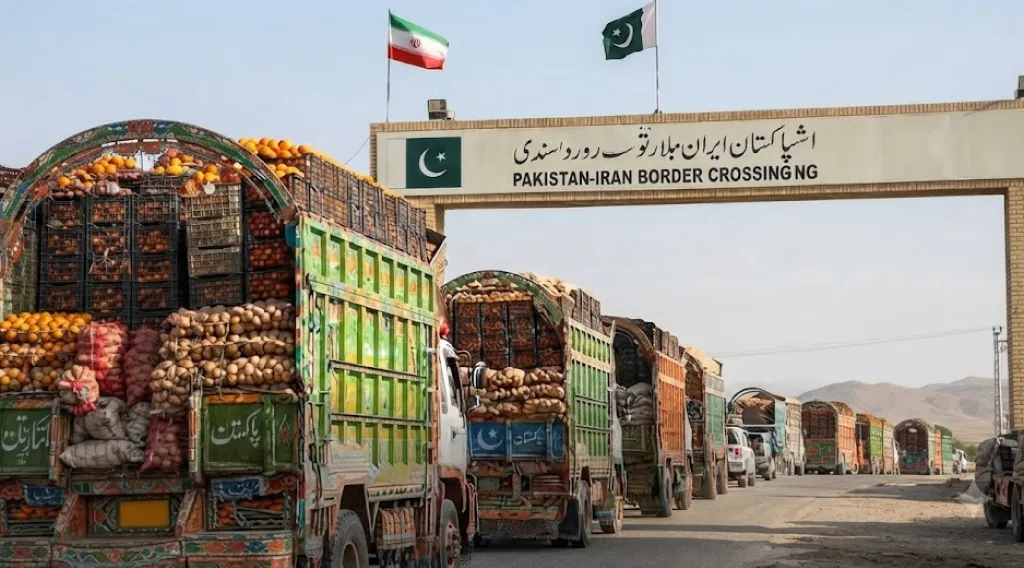
A key focus of the discussions was the need to improve border infrastructure and connectivity to support smoother movement of goods and services.
Efficient border facilities are essential for reducing delays, lowering transportation costs, and making cross-border trade more attractive for businesses.
Both countries emphasized upgrading trade routes, customs facilities, and logistical coordination to facilitate faster commercial activity. Better connectivity is expected to benefit traders operating in border regions and strengthen economic links between local communities.
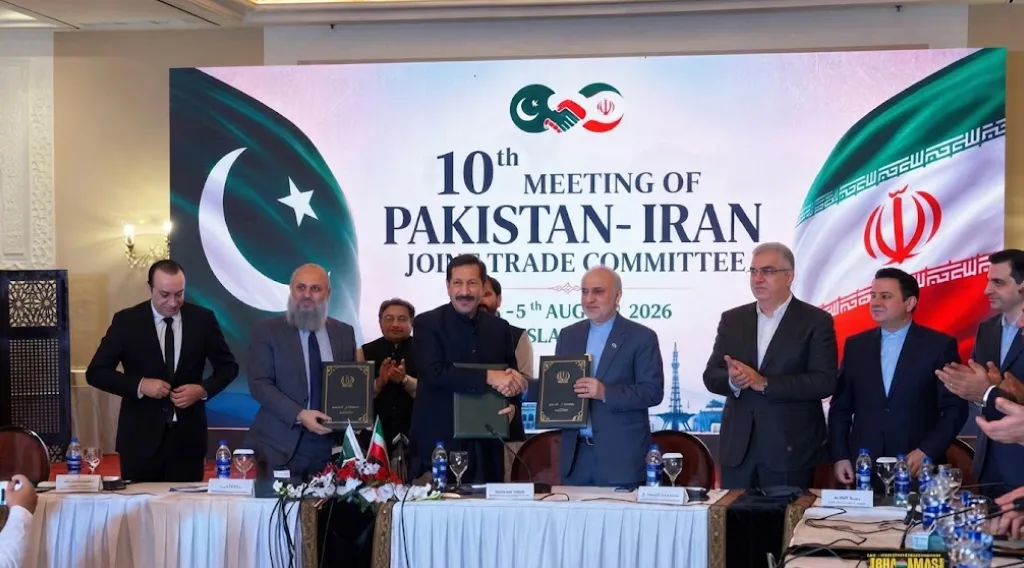
Pakistan and Iran also agreed to work on simplifying customs procedures, reducing unnecessary trade barriers, and accelerating negotiations on a Free Trade Agreement (FTA). These measures are aimed at making it easier for businesses to export, import, and invest across both markets.
Simplified customs processes can reduce administrative costs and improve the overall ease of doing business, particularly for small and medium-sized enterprises that often face greater procedural challenges in cross-border trade.
Officials from both countries highlighted that stronger economic cooperation would encourage greater private-sector participation and attract long-term investment.
Expanding market access can help businesses diversify their customer base, develop new partnerships, and explore opportunities in neighboring markets.
The discussions also emphasized collaboration between public institutions and private enterprises, recognizing that sustainable trade growth requires active involvement from chambers of commerce, industry groups, logistics companies, and investors.
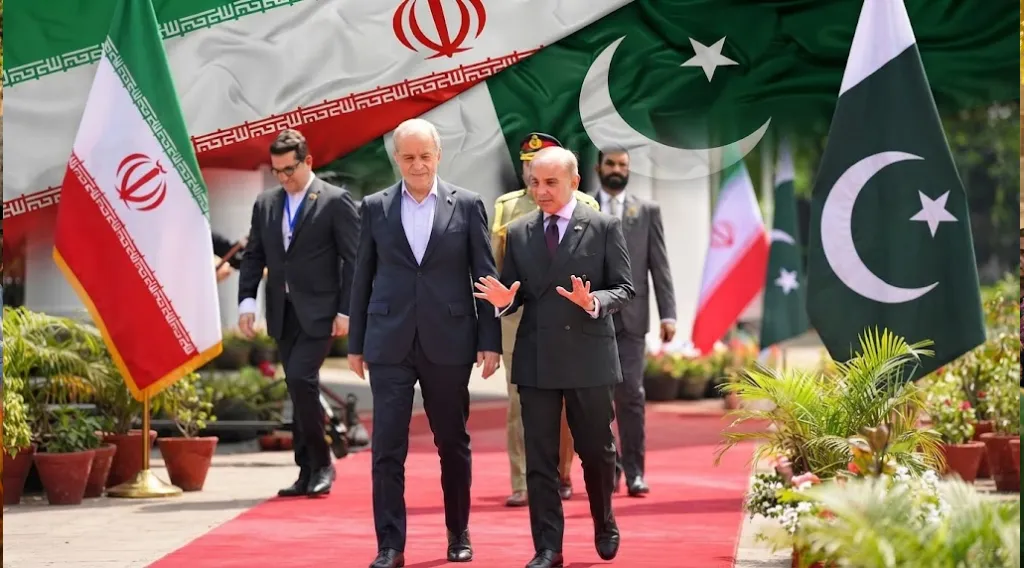
The renewed commitment to increasing bilateral trade to $10 billion reflects a broader vision of stronger economic integration between Pakistan and Iran.
Both countries expressed confidence that enhanced cooperation in trade, investment, infrastructure, and customs facilitation can unlock significant untapped potential.
Beyond commercial benefits, stronger economic ties can contribute to regional stability, sustainable growth, and greater economic resilience by creating mutually beneficial opportunities for businesses and communities on both sides of the border.
Pakistan and Iran have agreed to significantly strengthen their economic partnership by setting a new bilateral trade target of $10 billion.
Pakistan and Iran have agreed to significantly strengthen their economic partnership by setting a new bilateral trade target of $10 billion.
The understanding was reached during the 10th Pakistan-Iran Joint Trade Committee (JTC) meeting, where senior officials from both countries discussed ways to expand trade, investment, and commercial cooperation.
The decision reflects a shared recognition that the current level of trade does not fully represent the economic potential of the two neighboring countries. With geographic proximity, cultural ties, and complementary markets, both sides see substantial room for growth.
A key focus of the discussions was the need to improve border infrastructure and connectivity to support smoother movement of goods and services.
Efficient border facilities are essential for reducing delays, lowering transportation costs, and making cross-border trade more attractive for businesses.
Both countries emphasized upgrading trade routes, customs facilities, and logistical coordination to facilitate faster commercial activity. Better connectivity is expected to benefit traders operating in border regions and strengthen economic links between local communities.
Pakistan and Iran also agreed to work on simplifying customs procedures, reducing unnecessary trade barriers, and accelerating negotiations on a Free Trade Agreement (FTA). These measures are aimed at making it easier for businesses to export, import, and invest across both markets.
Simplified customs processes can reduce administrative costs and improve the overall ease of doing business, particularly for small and medium-sized enterprises that often face greater procedural challenges in cross-border trade.
Officials from both countries highlighted that stronger economic cooperation would encourage greater private-sector participation and attract long-term investment.
Expanding market access can help businesses diversify their customer base, develop new partnerships, and explore opportunities in neighboring markets.
The discussions also emphasized collaboration between public institutions and private enterprises, recognizing that sustainable trade growth requires active involvement from chambers of commerce, industry groups, logistics companies, and investors.
The renewed commitment to increasing bilateral trade to $10 billion reflects a broader vision of stronger economic integration between Pakistan and Iran.
Both countries expressed confidence that enhanced cooperation in trade, investment, infrastructure, and customs facilitation can unlock significant untapped potential.
Beyond commercial benefits, stronger economic ties can contribute to regional stability, sustainable growth, and greater economic resilience by creating mutually beneficial opportunities for businesses and communities on both sides of the border.



