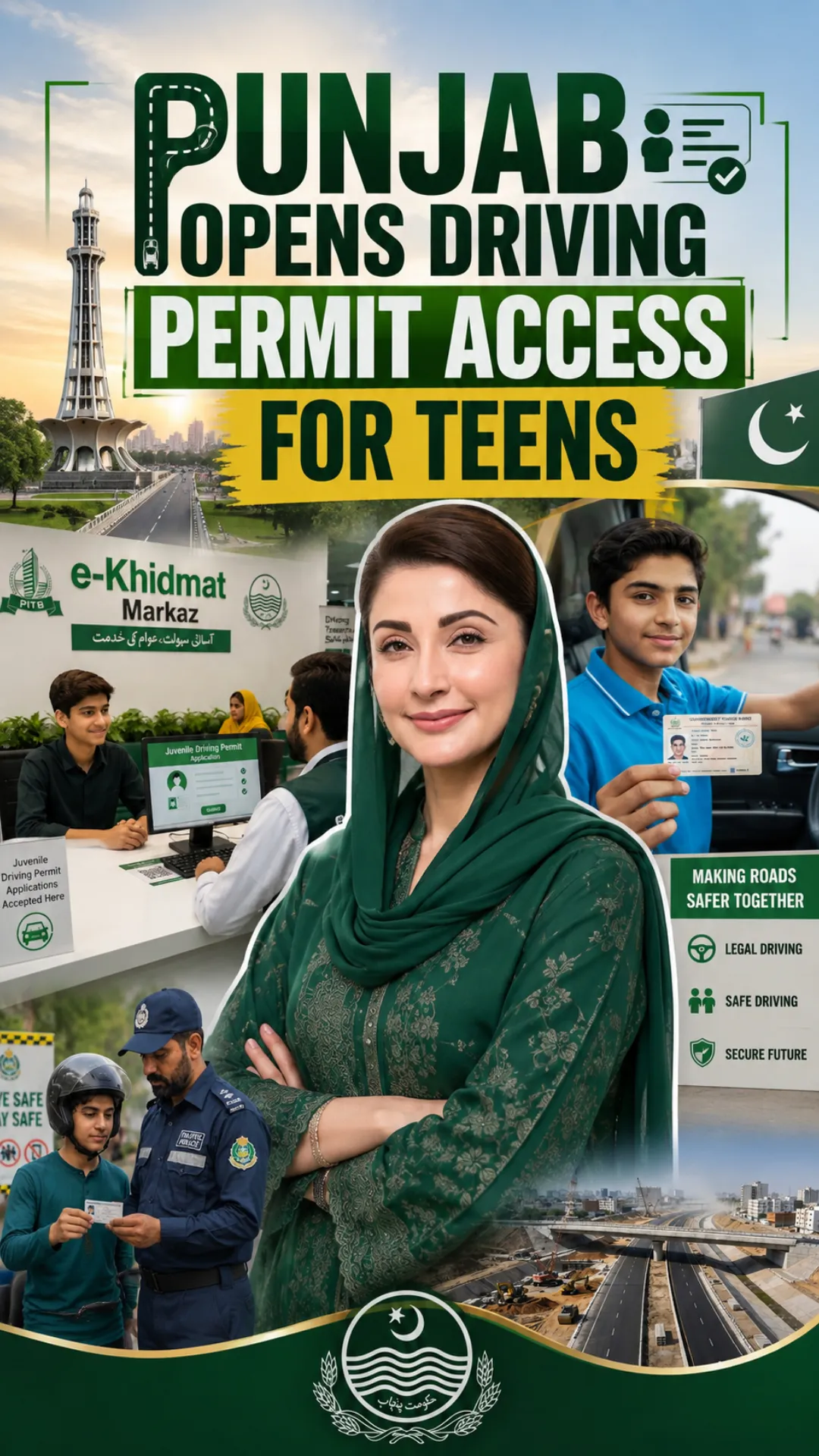
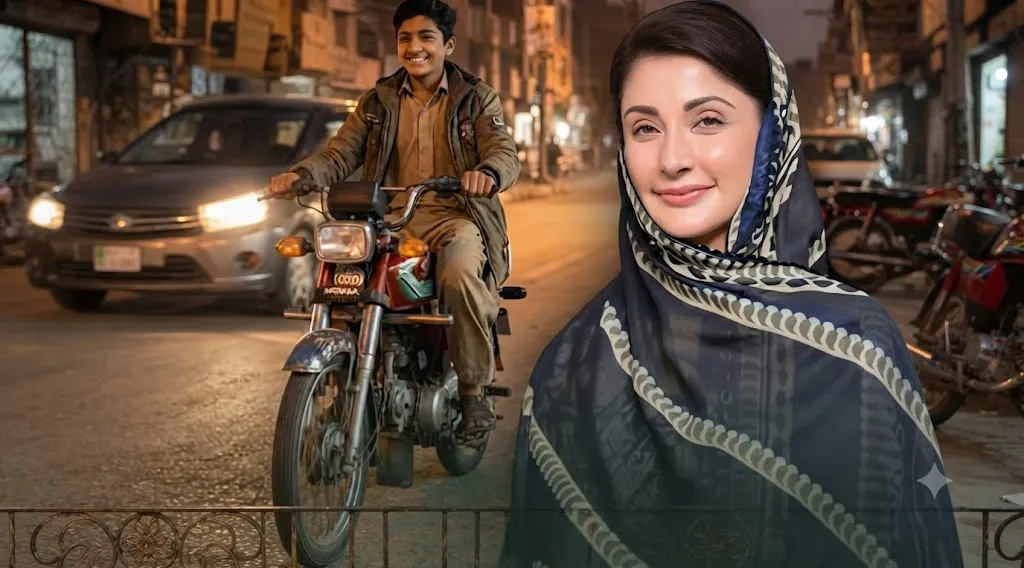
Punjab has introduced Juvenile Driving Permit services through e-Khidmat Markaz, allowing eligible individuals aged 16 to 18 years to begin the legal driving permit process more easily.
The initiative aims to encourage young drivers to follow proper licensing procedures from the start of their driving journey while promoting awareness of traffic rules and road safety.
By bringing these services closer to citizens through established public service centers, the government hopes to make the process more convenient, transparent, and accessible for teenagers and their families across the province.

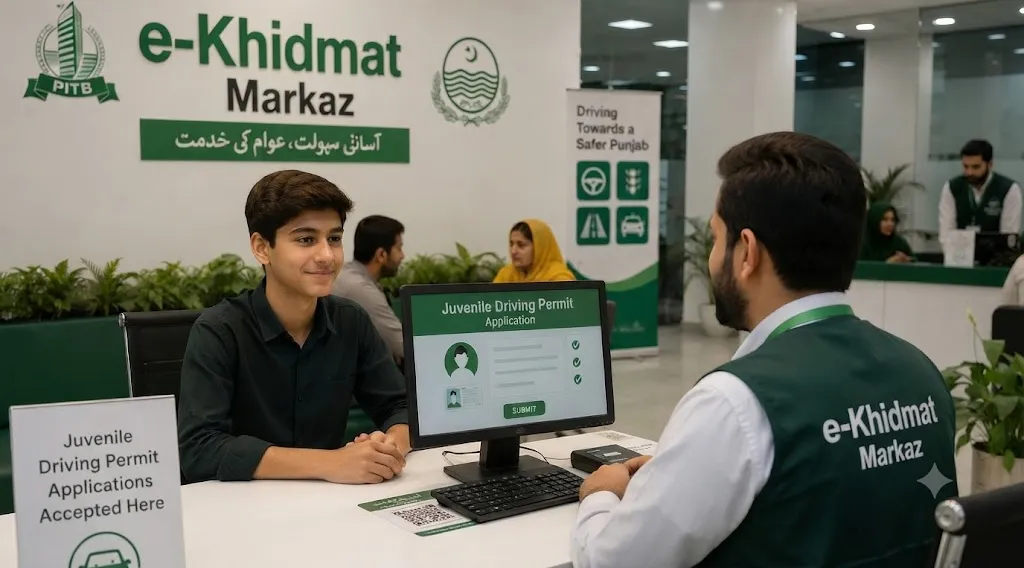
Under the new system, eligible applicants can visit designated e-Khidmat Markaz locations to apply for their Juvenile Driving Permit. The service is designed to reduce unnecessary delays and simplify the application experience.
The expansion of licensing facilities allows young applicants to complete required procedures through a more organized system instead of facing complicated administrative steps.
This move is part of Punjab's wider efforts to improve public service delivery by using digital platforms and citizen-focused solutions that make government services easier to access.
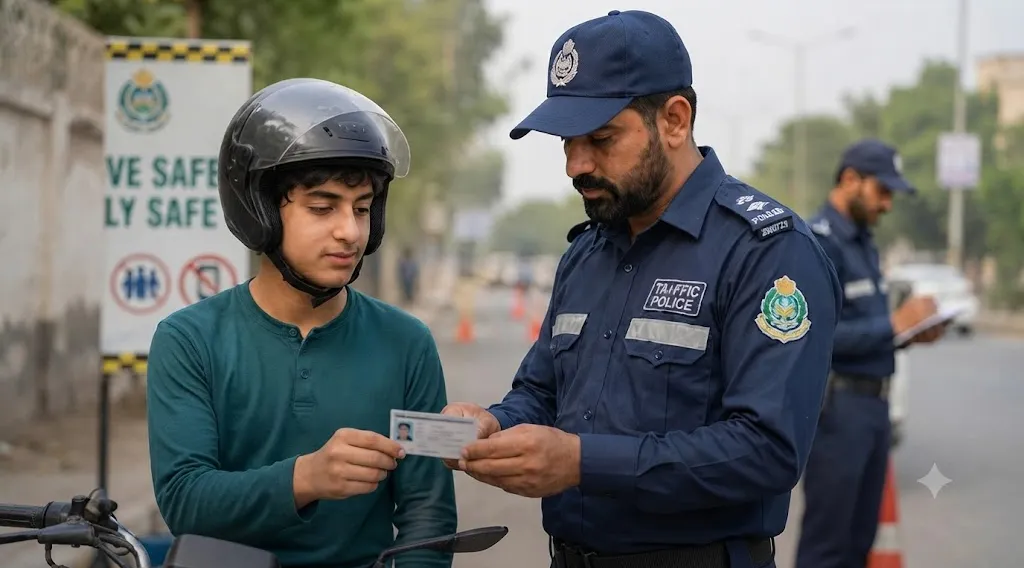
While providing easier access to permits, the initiative also focuses on building responsible driving habits among teenagers. Officials have emphasized that obtaining a permit comes with the responsibility of understanding traffic laws and prioritizing road safety.
Young applicants are encouraged to learn proper driving practices, follow regulations, and develop safe habits before becoming regular road users.
By introducing legal pathways for young drivers, the initiative aims to create a more disciplined generation of motorists and contribute to safer roads throughout Punjab.
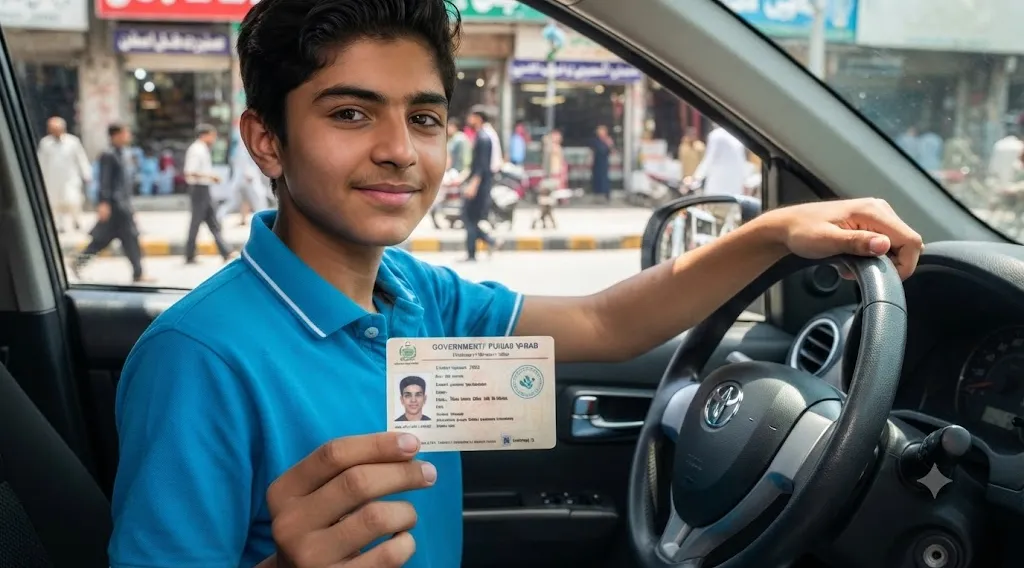
The introduction of Juvenile Driving Permit services reflects Punjab's ongoing efforts to modernize government facilities and make essential services more efficient.
Through e-Khidmat Centers, citizens can access multiple public services in a more convenient and structured environment. The addition of youth driving permits expands the role of these centers in supporting everyday needs.
The initiative demonstrates how technology a nd improved service systems can help bridge the gap between government facilities and citizens while creating a smoother experience for younger generations.
The new permit system represents more than just easier access to driving services. It aims to promote a culture where young motorists understand the importance of legal compliance, safety, and responsibility.
By introducing teenagers to the licensing process at an early stage, Punjab hopes to encourage better driving practices and reduce risks associated with untrained motorists.
As public services continue to evolve, initiatives like this highlight the importance of combining accessibility with awareness to create safer and more organized communities.
Punjab has introduced Juvenile Driving Permit services through e-Khidmat Markaz, allowing eligible individuals aged 16 to 18 years to begin the legal driving permit process more easily.
Punjab has introduced Juvenile Driving Permit services through e-Khidmat Markaz, allowing eligible individuals aged 16 to 18 years to begin the legal driving permit process more easily.
The initiative aims to encourage young drivers to follow proper licensing procedures from the start of their driving journey while promoting awareness of traffic rules and road safety.
By bringing these services closer to citizens through established public service centers, the government hopes to make the process more convenient, transparent, and accessible for teenagers and their families across the province.
Under the new system, eligible applicants can visit designated e-Khidmat Markaz locations to apply for their Juvenile Driving Permit. The service is designed to reduce unnecessary delays and simplify the application experience.
The expansion of licensing facilities allows young applicants to complete required procedures through a more organized system instead of facing complicated administrative steps.
This move is part of Punjab's wider efforts to improve public service delivery by using digital platforms and citizen-focused solutions that make government services easier to access.
While providing easier access to permits, the initiative also focuses on building responsible driving habits among teenagers. Officials have emphasized that obtaining a permit comes with the responsibility of understanding traffic laws and prioritizing road safety.
Young applicants are encouraged to learn proper driving practices, follow regulations, and develop safe habits before becoming regular road users.
By introducing legal pathways for young drivers, the initiative aims to create a more disciplined generation of motorists and contribute to safer roads throughout Punjab.
The introduction of Juvenile Driving Permit services reflects Punjab's ongoing efforts to modernize government facilities and make essential services more efficient.
Through e-Khidmat Centers, citizens can access multiple public services in a more convenient and structured environment. The addition of youth driving permits expands the role of these centers in supporting everyday needs.
The initiative demonstrates how technology a nd improved service systems can help bridge the gap between government facilities and citizens while creating a smoother experience for younger generations.
The new permit system represents more than just easier access to driving services. It aims to promote a culture where young motorists understand the importance of legal compliance, safety, and responsibility.
By introducing teenagers to the licensing process at an early stage, Punjab hopes to encourage better driving practices and reduce risks associated with untrained motorists.
As public services continue to evolve, initiatives like this highlight the importance of combining accessibility with awareness to create safer and more organized communities.



