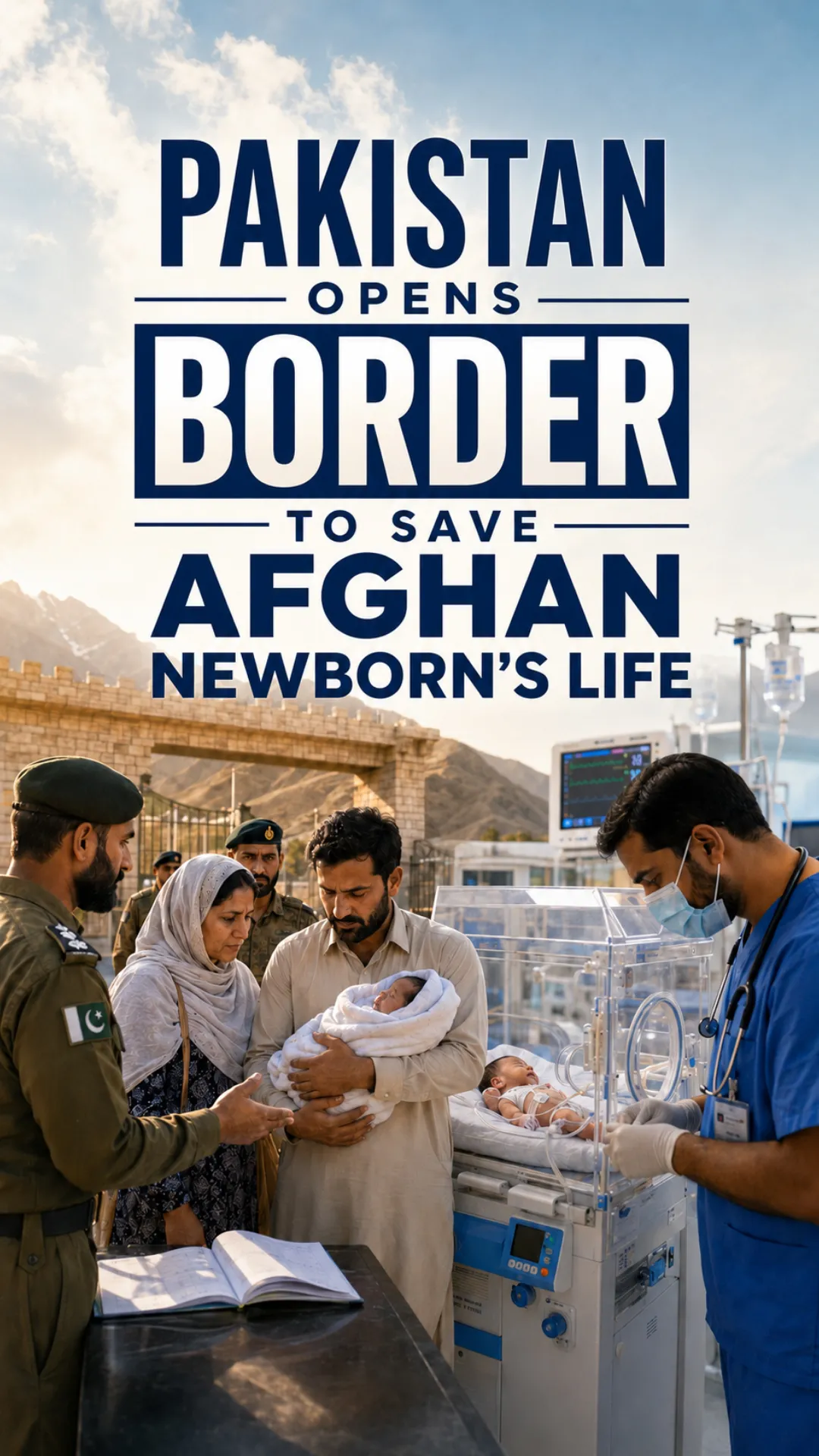
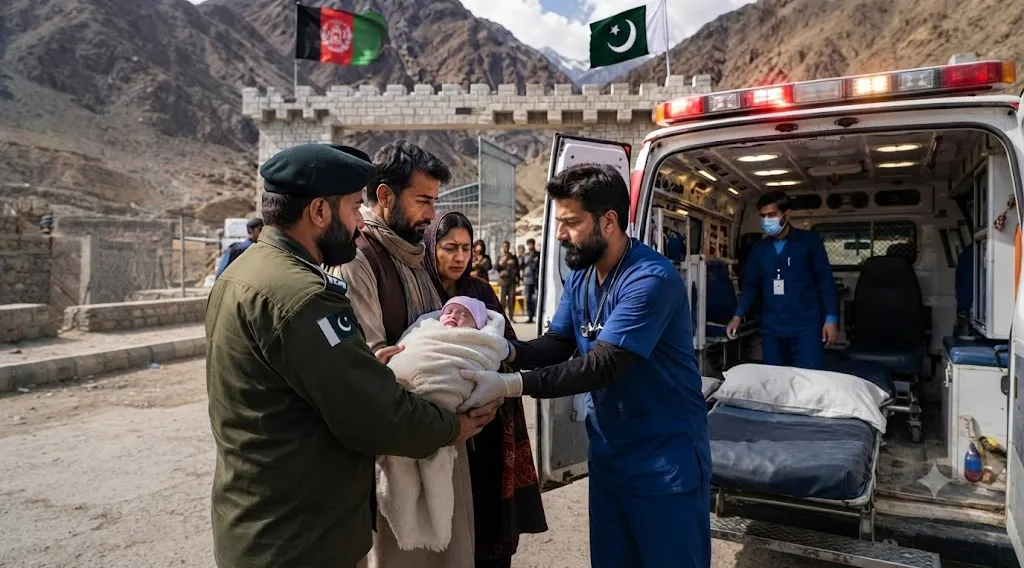
Pakistan extended a humanitarian gesture by allowing a 10 day old Afghan newborn and the baby's parents to enter the country through the Torkham border crossing for urgent medical treatment. The family had travelled from Jalalabad seeking immediate healthcare for their critically ill child.
Recognizing the seriousness of the situation, authorities granted special permission for the family to cross the border without unnecessary delays.
The decision prioritized the newborn's health during a critical stage of life. The move reflects the importance of compassion and timely action during medical emergencies.

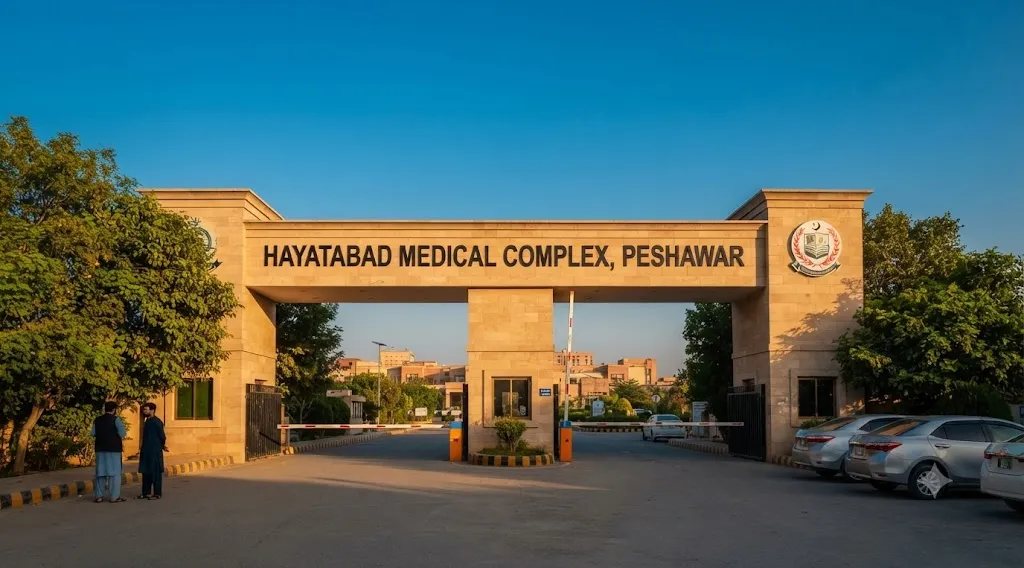
After entering Pakistan, the newborn was immediately transported to Hayatabad Medical Complex in Peshawar, where doctors began providing specialized medical treatment. Healthcare professionals quickly assessed the baby's condition and initiated the necessary care.
Medical teams continue to closely monitor the infant while ensuring access to the treatment and support required during this critical period. The hospital remains one of the region's leading public healthcare institutions for specialized medical services.
Swift medical intervention offered the family renewed hope during an extremely challenging time.
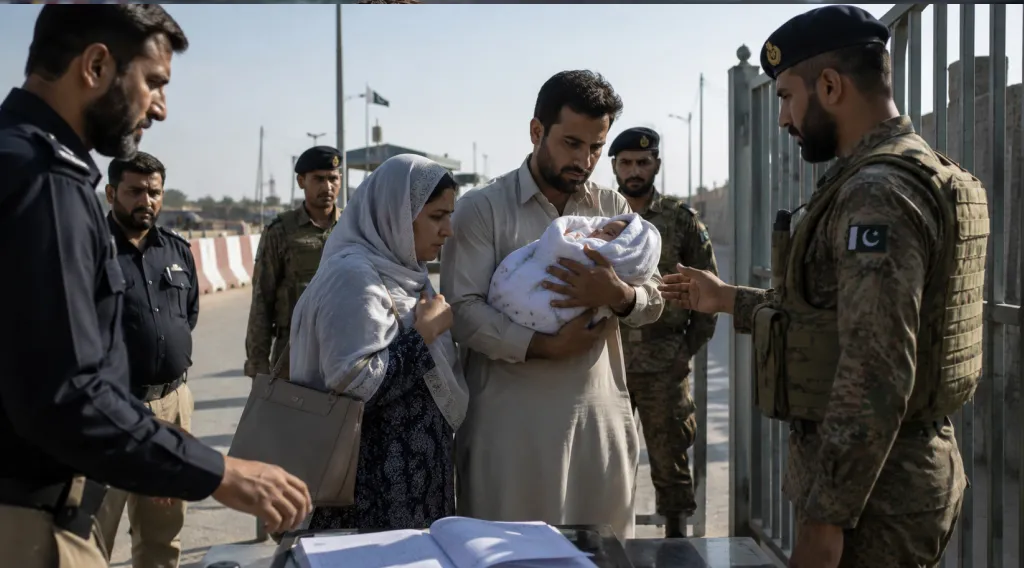
Officials stated that the family's entry into Pakistan was approved purely on humanitarian grounds, with the newborn's urgent medical needs taking priority. The decision demonstrated how compassion can guide action during life threatening situations.
Facilitating cross border medical assistance helps ensure that patients receive timely treatment when every moment matters.
In emergencies, cooperation between neighboring countries can play a vital role in protecting lives.
The case highlights the value of responding to humanitarian needs with empathy and responsibility.
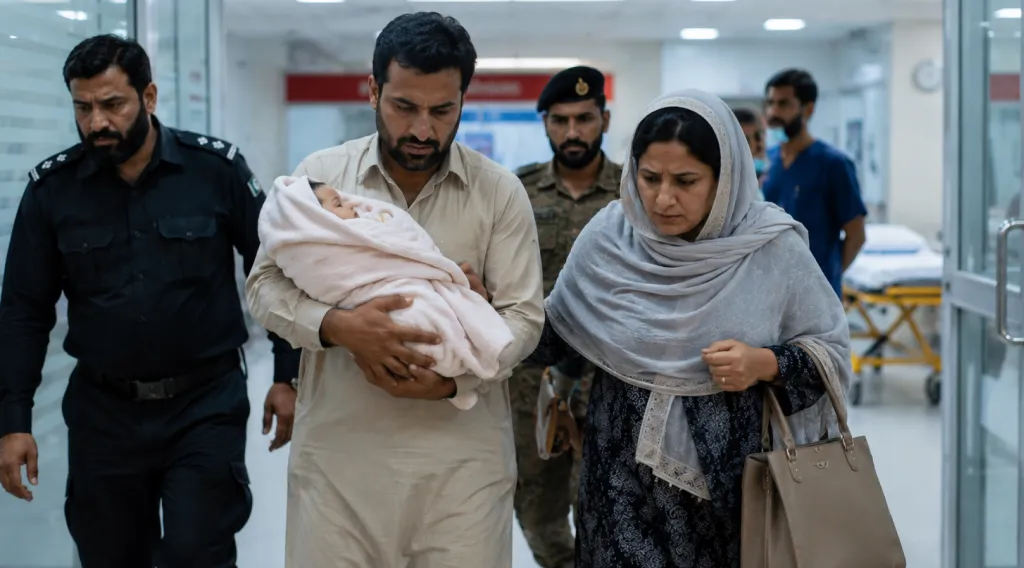
Medical emergencies often require immediate access to specialized healthcare that may not always be available nearby. Humanitarian decisions like this can provide vulnerable patients with life saving treatment while offering reassurance to families facing extraordinary circumstances.
By allowing the newborn to receive urgent medical care, Pakistan demonstrated the importance of placing human welfare at the center of emergency decision making.
Such actions reinforce the role healthcare can play in building trust and cooperation. The gesture has been widely viewed as an example of compassion during a time of need.
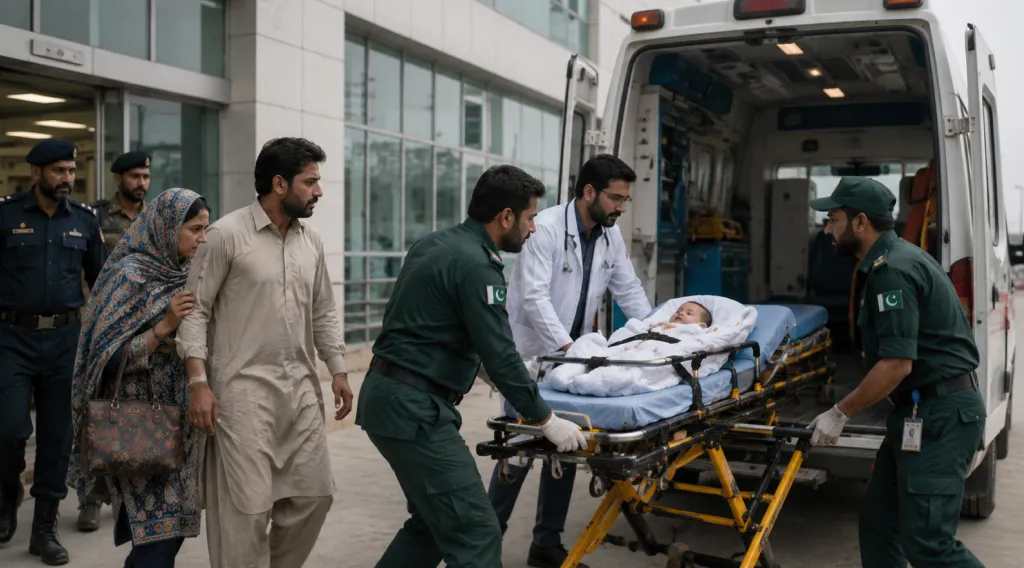
The incident also underscores the importance of coordination between border authorities and healthcare institutions during emergencies. Efficient arrangements enabled the family to travel safely
so the infant could receive specialized medical attention without prolonged delays.
Hospitals, medical professionals, and public authorities each played an important role in ensuring the child's treatment could begin as quickly as possible.
Their coordinated efforts demonstrated the impact of effective humanitarian collaboration. Timely cooperation can often make the difference between hope and tragedy during critical medical situations.
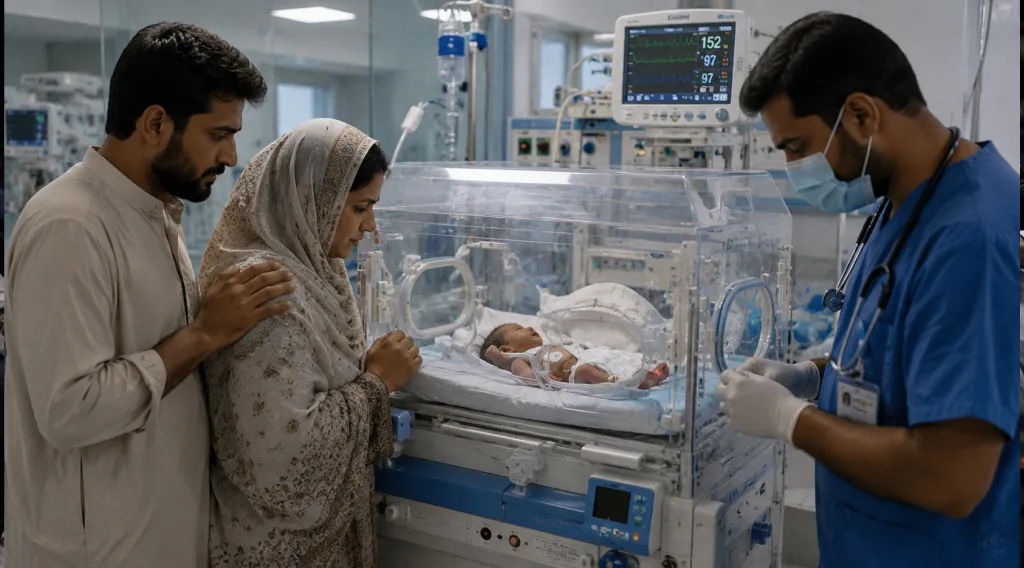
The case of the Afghan newborn serves as a reminder that humanitarian values extend beyond borders, especially when the wellbeing of a child is at stake. Prompt action, medical expertise, and compassion came together to give the infant an opportunity to receive life saving care.
As doctors continue treating the baby at Hayatabad Medical Complex, many remain hopeful for a positive recovery. The incident highlights the importance of empathy, cooperation, and accessible healthcare during emergencies.
It stands as a meaningful example of how timely humanitarian action can help protect lives and support families when they need it most.
Pakistan extended a humanitarian gesture by allowing a 10 day old Afghan newborn and the baby’s parents to enter the country through the Torkham border crossing for urgent medical treatment.
Pakistan extended a humanitarian gesture by allowing a 10 day old Afghan newborn and the baby's parents to enter the country through the Torkham border crossing for urgent medical treatment. The family had travelled from Jalalabad seeking immediate healthcare for their critically ill child.
Recognizing the seriousness of the situation, authorities granted special permission for the family to cross the border without unnecessary delays.
The decision prioritized the newborn's health during a critical stage of life. The move reflects the importance of compassion and timely action during medical emergencies.
After entering Pakistan, the newborn was immediately transported to Hayatabad Medical Complex in Peshawar, where doctors began providing specialized medical treatment. Healthcare professionals quickly assessed the baby's condition and initiated the necessary care.
Medical teams continue to closely monitor the infant while ensuring access to the treatment and support required during this critical period. The hospital remains one of the region's leading public healthcare institutions for specialized medical services.
Swift medical intervention offered the family renewed hope during an extremely challenging time.
Officials stated that the family's entry into Pakistan was approved purely on humanitarian grounds, with the newborn's urgent medical needs taking priority. The decision demonstrated how compassion can guide action during life threatening situations.
Facilitating cross border medical assistance helps ensure that patients receive timely treatment when every moment matters.
In emergencies, cooperation between neighboring countries can play a vital role in protecting lives.
The case highlights the value of responding to humanitarian needs with empathy and responsibility.
Medical emergencies often require immediate access to specialized healthcare that may not always be available nearby. Humanitarian decisions like this can provide vulnerable patients with life saving treatment while offering reassurance to families facing extraordinary circumstances.
By allowing the newborn to receive urgent medical care, Pakistan demonstrated the importance of placing human welfare at the center of emergency decision making.
Such actions reinforce the role healthcare can play in building trust and cooperation. The gesture has been widely viewed as an example of compassion during a time of need.
The incident also underscores the importance of coordination between border authorities and healthcare institutions during emergencies. Efficient arrangements enabled the family to travel safely
so the infant could receive specialized medical attention without prolonged delays.
Hospitals, medical professionals, and public authorities each played an important role in ensuring the child's treatment could begin as quickly as possible.
Their coordinated efforts demonstrated the impact of effective humanitarian collaboration. Timely cooperation can often make the difference between hope and tragedy during critical medical situations.
The case of the Afghan newborn serves as a reminder that humanitarian values extend beyond borders, especially when the wellbeing of a child is at stake. Prompt action, medical expertise, and compassion came together to give the infant an opportunity to receive life saving care.
As doctors continue treating the baby at Hayatabad Medical Complex, many remain hopeful for a positive recovery. The incident highlights the importance of empathy, cooperation, and accessible healthcare during emergencies.
It stands as a meaningful example of how timely humanitarian action can help protect lives and support families when they need it most.



