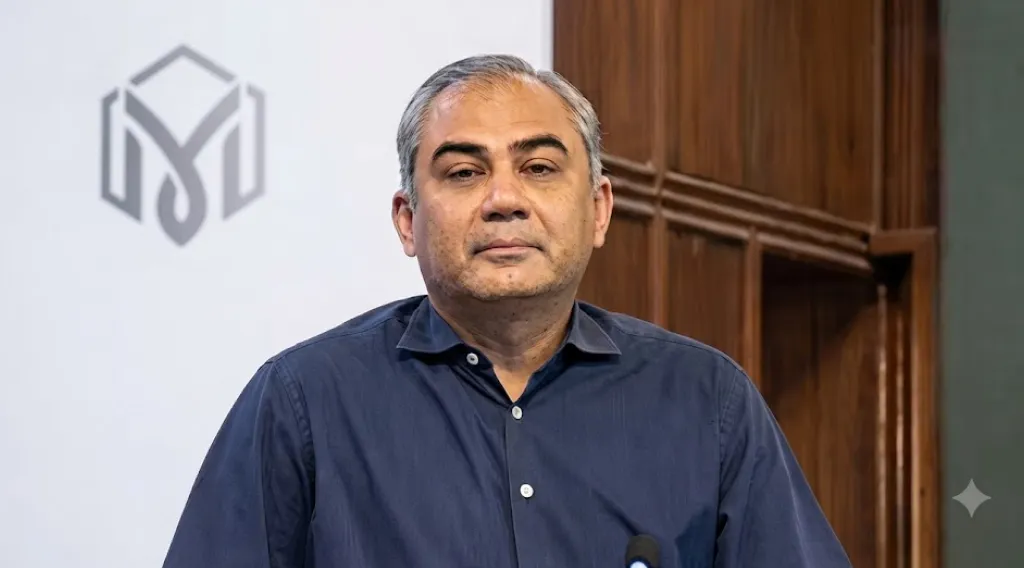
Speaking at the Pakistan Economic Summit 2026, Interior Minister Mohsin Naqvi said Pakistan's governance system has collapsed, arguing that the country's administrative structure is no longer equipped to meet the needs of a population that has grown significantly over the decades.
He said many institutions continue to operate under outdated frameworks that struggle to deliver efficient governance and quality public services.
Rather than presenting the remark as criticism alone, Naqvi described it as an honest assessment intended to spark meaningful discussion.

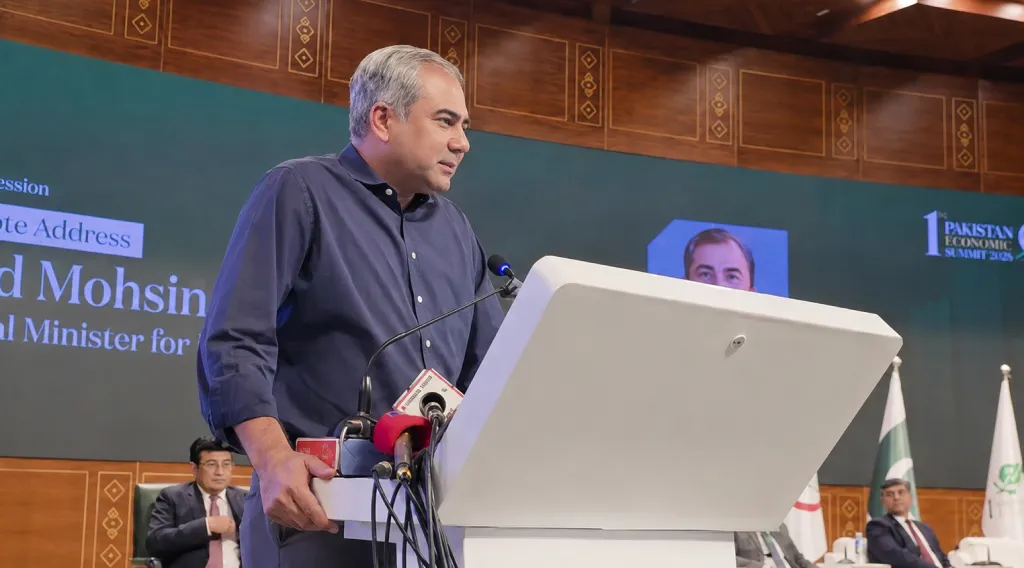
Mohsin Naqvi said Pakistan has reached a point where governance reforms are no longer optional but essential for the country's future.
He argued that improving institutions, simplifying administrative processes, and strengthening accountability will help create a more efficient system capable of meeting modern economic and social demands.
He noted that many successful countries have transformed themselves by recognizing institutional shortcomings and introducing reforms that improved public service delivery and strengthened investor confidence.Pakistan, he suggested, has the same opportunity to modernize its governance structure.
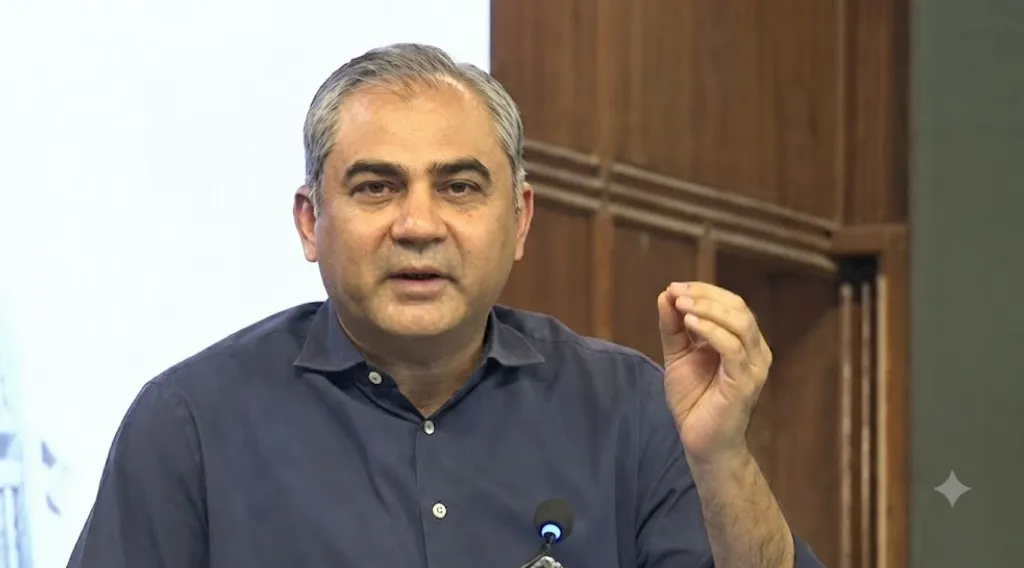
During his address, Naqvi emphasized that Pakistan has no shortage of talent, entrepreneurial spirit, or natural resources. Instead, he argued that stronger governance and more effective institutions are needed to unlock the country's true economic and social potential.
He said transparent systems, faster decision-making, and improved public services would create greater confidence among citizens, investors, and businesses.
Efficient institutions, he added, can encourage innovation, attract investment, generate employment, and improve Pakistan's global competitiveness.
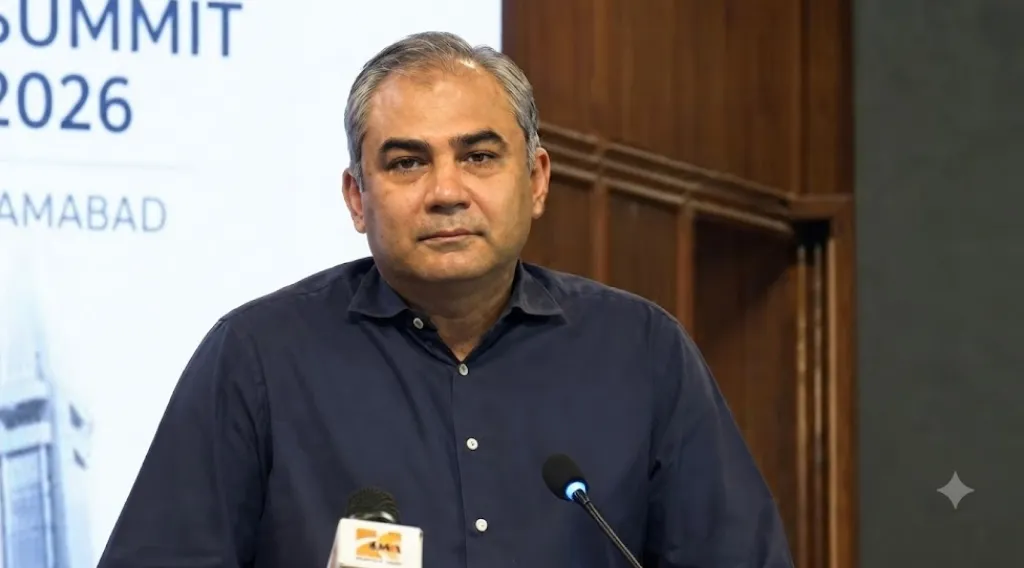
Concluding his address, Mohsin Naqvi said Pakistan should treat today's institutional challenges as an opportunity to build a stronger future rather than as a reason for pessimism.
He called on political leaders, policymakers, businesses, and institutions to work together to modernize governance and implement reforms that serve future generations.
Naqvi expressed confidence that Pakistan has the talent, resilience, and resources needed to overcome its challenges through collective effort and responsible leadership. He said lasting progress depends on creating systems that reward merit, improve efficiency, and inspire public trust.
Speaking at the Pakistan Economic Summit 2026, Interior Minister Mohsin Naqvi said Pakistan’s governance system has “collapsed,” arguing that the country’s administrative structure is no longer equipped to meet the needs of a population that has grown significantly over the decades.
Speaking at the Pakistan Economic Summit 2026, Interior Minister Mohsin Naqvi said Pakistan's governance system has collapsed, arguing that the country's administrative structure is no longer equipped to meet the needs of a population that has grown significantly over the decades.
He said many institutions continue to operate under outdated frameworks that struggle to deliver efficient governance and quality public services.
Rather than presenting the remark as criticism alone, Naqvi described it as an honest assessment intended to spark meaningful discussion.
Mohsin Naqvi said Pakistan has reached a point where governance reforms are no longer optional but essential for the country's future.
He argued that improving institutions, simplifying administrative processes, and strengthening accountability will help create a more efficient system capable of meeting modern economic and social demands.
He noted that many successful countries have transformed themselves by recognizing institutional shortcomings and introducing reforms that improved public service delivery and strengthened investor confidence.Pakistan, he suggested, has the same opportunity to modernize its governance structure.
During his address, Naqvi emphasized that Pakistan has no shortage of talent, entrepreneurial spirit, or natural resources. Instead, he argued that stronger governance and more effective institutions are needed to unlock the country's true economic and social potential.
He said transparent systems, faster decision-making, and improved public services would create greater confidence among citizens, investors, and businesses.
Efficient institutions, he added, can encourage innovation, attract investment, generate employment, and improve Pakistan's global competitiveness.
Concluding his address, Mohsin Naqvi said Pakistan should treat today's institutional challenges as an opportunity to build a stronger future rather than as a reason for pessimism.
He called on political leaders, policymakers, businesses, and institutions to work together to modernize governance and implement reforms that serve future generations.
Naqvi expressed confidence that Pakistan has the talent, resilience, and resources needed to overcome its challenges through collective effort and responsible leadership. He said lasting progress depends on creating systems that reward merit, improve efficiency, and inspire public trust.



