Punjab to Grow Free Vegetables on Government Land for Deserving Families
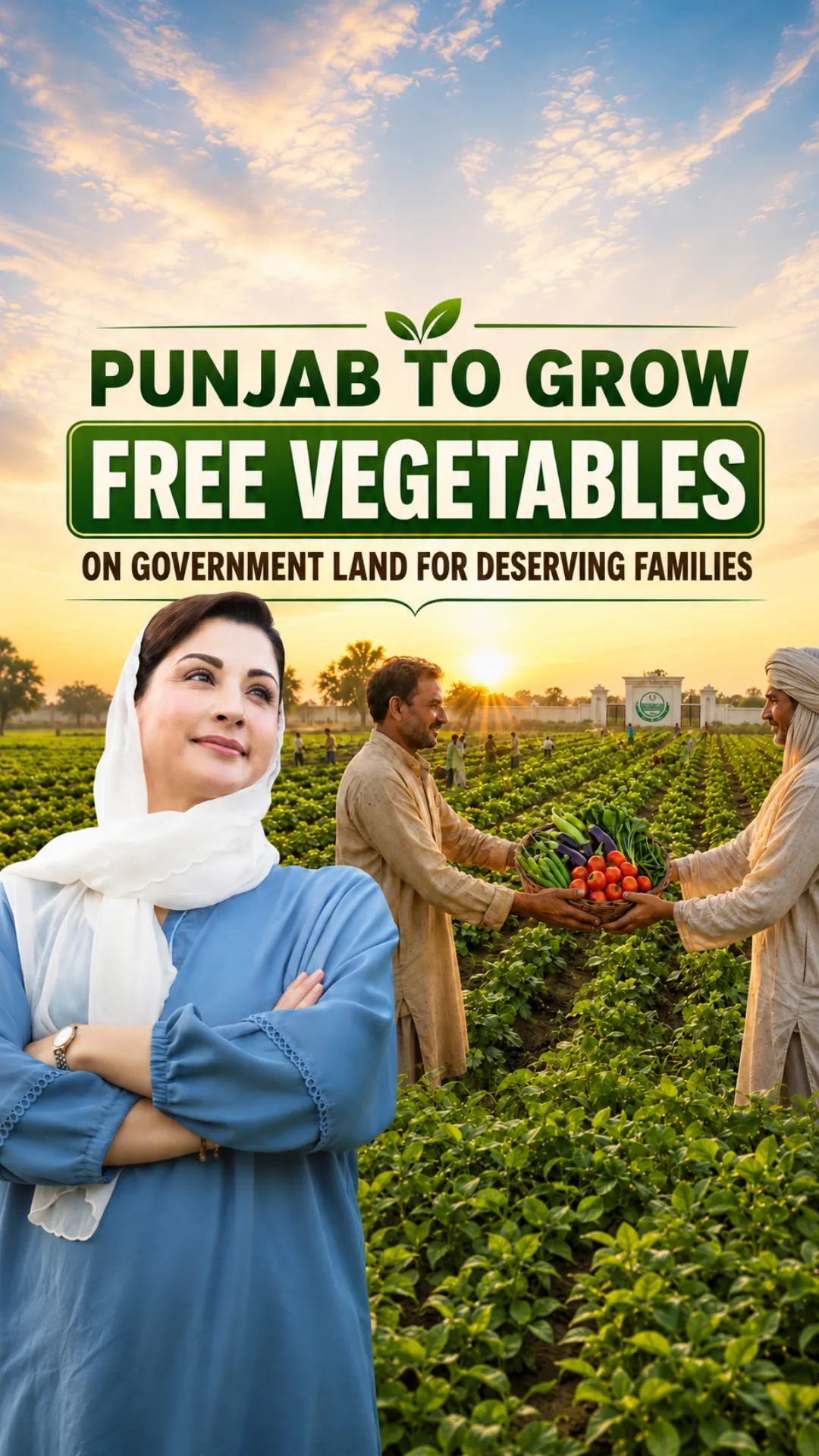
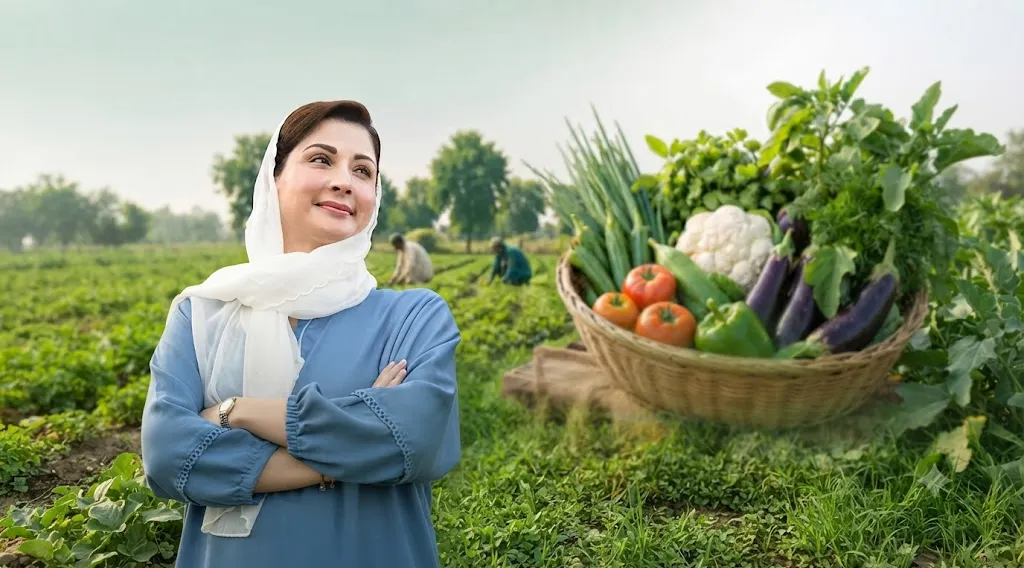
Punjab Chief Minister Maryam Nawaz has directed deputy commissioners across the province to implement the Sanjhi Sabzi initiative following its successful launch in Muzaffargarh. The welfare project focuses on cultivating seasonal vegetables on unused government land and public spaces.
The initiative is designed to make productive use of vacant land while ensuring fresh vegetables reach deserving and low-income families free of cost. By combining efficient land use with community welfare, the project aims to improve food accessibility across Punjab.
The province-wide expansion reflects the government's commitment to introducing practical and sustainable welfare programs that directly benefit local communities.

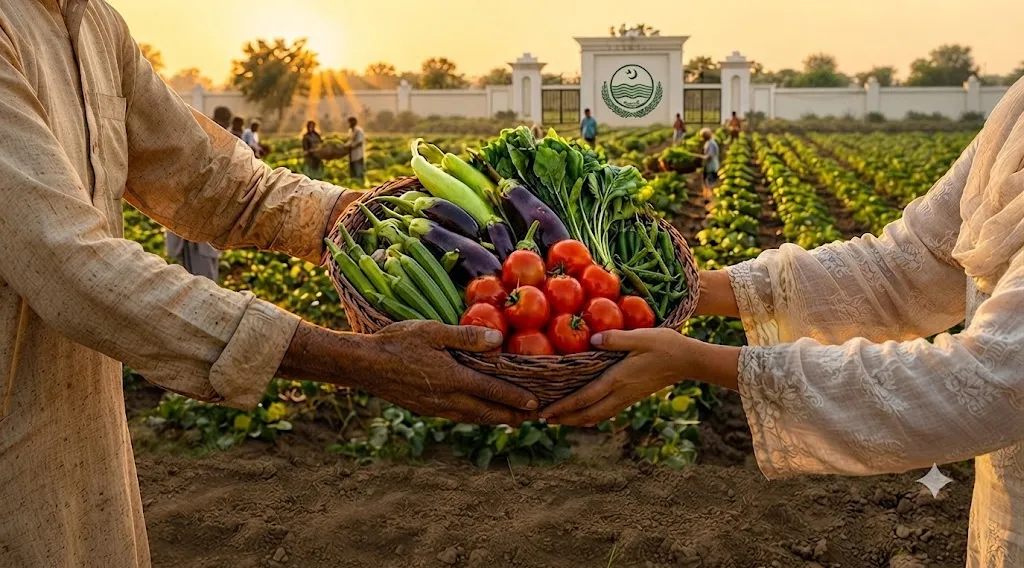
As part of the initiative, seasonal vegetables are currently being cultivated on 140 plots covering approximately 139 kanals of government-owned land. The project demonstrates how unused public spaces can be transformed into valuable community resources.
The first phase began in a Christian community village, where local residents actively participated in planting and managing the crops. Their involvement highlighted the importance of community collaboration in making public welfare initiatives successful.
The model encourages local participation while creating a sustainable system that benefits families in need through fresh produce.

Following the project's successful implementation, Chief Minister Maryam Nawaz praised the efforts of the Muzaffargarh administration for introducing an initiative that combines social welfare with efficient resource management.
In recognition of his leadership, Muzaffargarh Deputy Commissioner Muhammad Usman Tahir Jappa was awarded the Chief Minister Merit Badge along with a cash prize of Rs100,000 for successfully launching the program.
The recognition highlights the government's encouragement of innovative ideas that improve public services and create meaningful benefits for local communities.
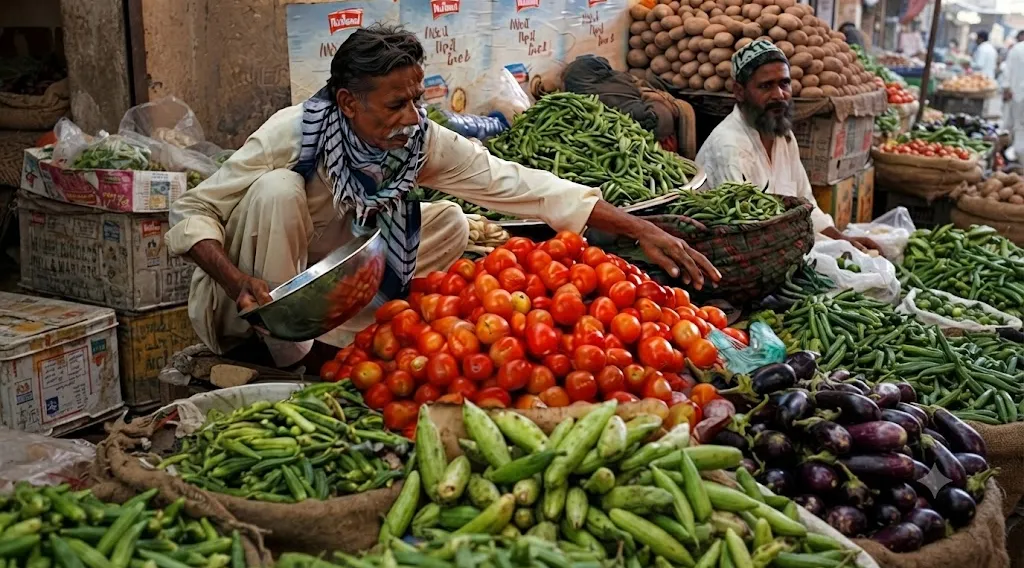
The expansion of the Sanjhi Sabzi initiative is expected to help thousands of deserving families gain access to fresh vegetables while promoting the effective use of government-owned land throughout Punjab.
Officials believe the project can contribute to improved food security, encourage greater community participation, and serve as a sustainable model for future welfare initiatives across the province.
By transforming vacant public spaces into productive farms, Punjab is taking a community-centered approach to supporting vulnerable families and building a stronger culture of public welfare.
Punjab Chief Minister Maryam Nawaz has directed deputy commissioners across the province to implement the “Sanjhi Sabzi” initiative following its successful launch in Muzaffargarh.
Punjab Chief Minister Maryam Nawaz has directed deputy commissioners across the province to implement the Sanjhi Sabzi initiative following its successful launch in Muzaffargarh. The welfare project focuses on cultivating seasonal vegetables on unused government land and public spaces.
The initiative is designed to make productive use of vacant land while ensuring fresh vegetables reach deserving and low-income families free of cost. By combining efficient land use with community welfare, the project aims to improve food accessibility across Punjab.
The province-wide expansion reflects the government's commitment to introducing practical and sustainable welfare programs that directly benefit local communities.
As part of the initiative, seasonal vegetables are currently being cultivated on 140 plots covering approximately 139 kanals of government-owned land. The project demonstrates how unused public spaces can be transformed into valuable community resources.
The first phase began in a Christian community village, where local residents actively participated in planting and managing the crops. Their involvement highlighted the importance of community collaboration in making public welfare initiatives successful.
The model encourages local participation while creating a sustainable system that benefits families in need through fresh produce.
Following the project's successful implementation, Chief Minister Maryam Nawaz praised the efforts of the Muzaffargarh administration for introducing an initiative that combines social welfare with efficient resource management.
In recognition of his leadership, Muzaffargarh Deputy Commissioner Muhammad Usman Tahir Jappa was awarded the Chief Minister Merit Badge along with a cash prize of Rs100,000 for successfully launching the program.
The recognition highlights the government's encouragement of innovative ideas that improve public services and create meaningful benefits for local communities.
The expansion of the Sanjhi Sabzi initiative is expected to help thousands of deserving families gain access to fresh vegetables while promoting the effective use of government-owned land throughout Punjab.
Officials believe the project can contribute to improved food security, encourage greater community participation, and serve as a sustainable model for future welfare initiatives across the province.
By transforming vacant public spaces into productive farms, Punjab is taking a community-centered approach to supporting vulnerable families and building a stronger culture of public welfare.



