Punjab Introduces 50% Tax Relief to Promote Digital Payments at Restaurants
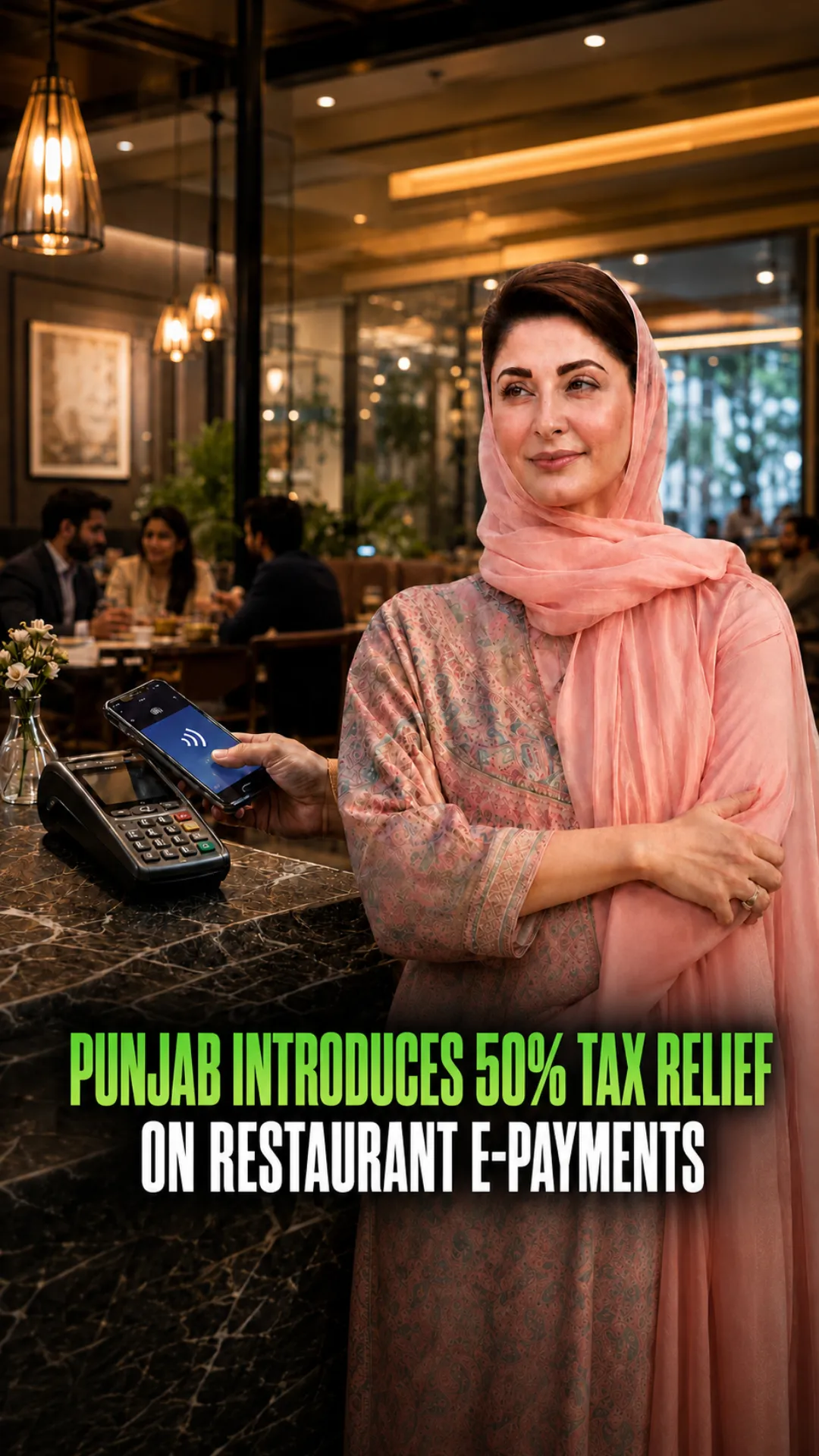

The Punjab government has introduced a new tax relief policy aimed at encouraging the use of digital payment methods across the hospitality sector.
The initiative offers a 50% reduction in the applicable tax rate for transactions completed through electronic payment systems, promoting a shift toward a cashless economy.
The policy has been introduced by the Punjab Revenue Authority (PRA) as part of broader efforts to increase financial transparency and improve tax documentation.
Officials believe that expanding the use of digital payments will create a more efficient and accountable taxation system.


Under the revised taxation framework, hotels and restaurants will pay an 8% tax on transactions completed through digital payment methods, including debit cards, credit cards, mobile banking, and other approved electronic payment platforms.
Cash transactions, however, will continue to be subject to a 16% tax rate. The difference in tax rates has been designed to encourage businesses and customers to choose digital payment options over cash.
Officials expect the incentive to accelerate the adoption of electronic transactions throughout the hospitality industry.

The new policy also introduces an automated tax deduction mechanism for eligible electronic and card-based transactions.
This system is intended to simplify tax collection while reducing the administrative burden on businesses and improving the accuracy of tax reporting.
Government officials stated that automated processing will strengthen compliance with tax regulations by minimizing reporting errors and ensuring timely collection of taxes. The digital framework is expected to make revenue administration more efficient and transparent.

According to the Punjab government, wider adoption of digital payments is expected to strengthen provincial revenue collection and provide additional resources for public welfare programs, infrastructure development, and other essential government initiatives. Increased financial transparency may also contribute to more effective fiscal planning.
Officials believe that businesses and consumers will benefit from faster, safer, and more convenient payment methods while enjoying the incentives offered under the revised tax structure. The policy is intended to encourage long-term investment in digital financial services.
The Punjab government has introduced a new tax relief policy aimed at encouraging the use of digital payment methods across the hospitality sector.
The Punjab government has introduced a new tax relief policy aimed at encouraging the use of digital payment methods across the hospitality sector.
The initiative offers a 50% reduction in the applicable tax rate for transactions completed through electronic payment systems, promoting a shift toward a cashless economy.
The policy has been introduced by the Punjab Revenue Authority (PRA) as part of broader efforts to increase financial transparency and improve tax documentation.
Officials believe that expanding the use of digital payments will create a more efficient and accountable taxation system.
Under the revised taxation framework, hotels and restaurants will pay an 8% tax on transactions completed through digital payment methods, including debit cards, credit cards, mobile banking, and other approved electronic payment platforms.
Cash transactions, however, will continue to be subject to a 16% tax rate. The difference in tax rates has been designed to encourage businesses and customers to choose digital payment options over cash.
Officials expect the incentive to accelerate the adoption of electronic transactions throughout the hospitality industry.
The new policy also introduces an automated tax deduction mechanism for eligible electronic and card-based transactions.
This system is intended to simplify tax collection while reducing the administrative burden on businesses and improving the accuracy of tax reporting.
Government officials stated that automated processing will strengthen compliance with tax regulations by minimizing reporting errors and ensuring timely collection of taxes. The digital framework is expected to make revenue administration more efficient and transparent.
According to the Punjab government, wider adoption of digital payments is expected to strengthen provincial revenue collection and provide additional resources for public welfare programs, infrastructure development, and other essential government initiatives. Increased financial transparency may also contribute to more effective fiscal planning.
Officials believe that businesses and consumers will benefit from faster, safer, and more convenient payment methods while enjoying the incentives offered under the revised tax structure. The policy is intended to encourage long-term investment in digital financial services.



