Supreme Court Reaffirms Women’s Inheritance Rights Under Islamic and Constitutional Law
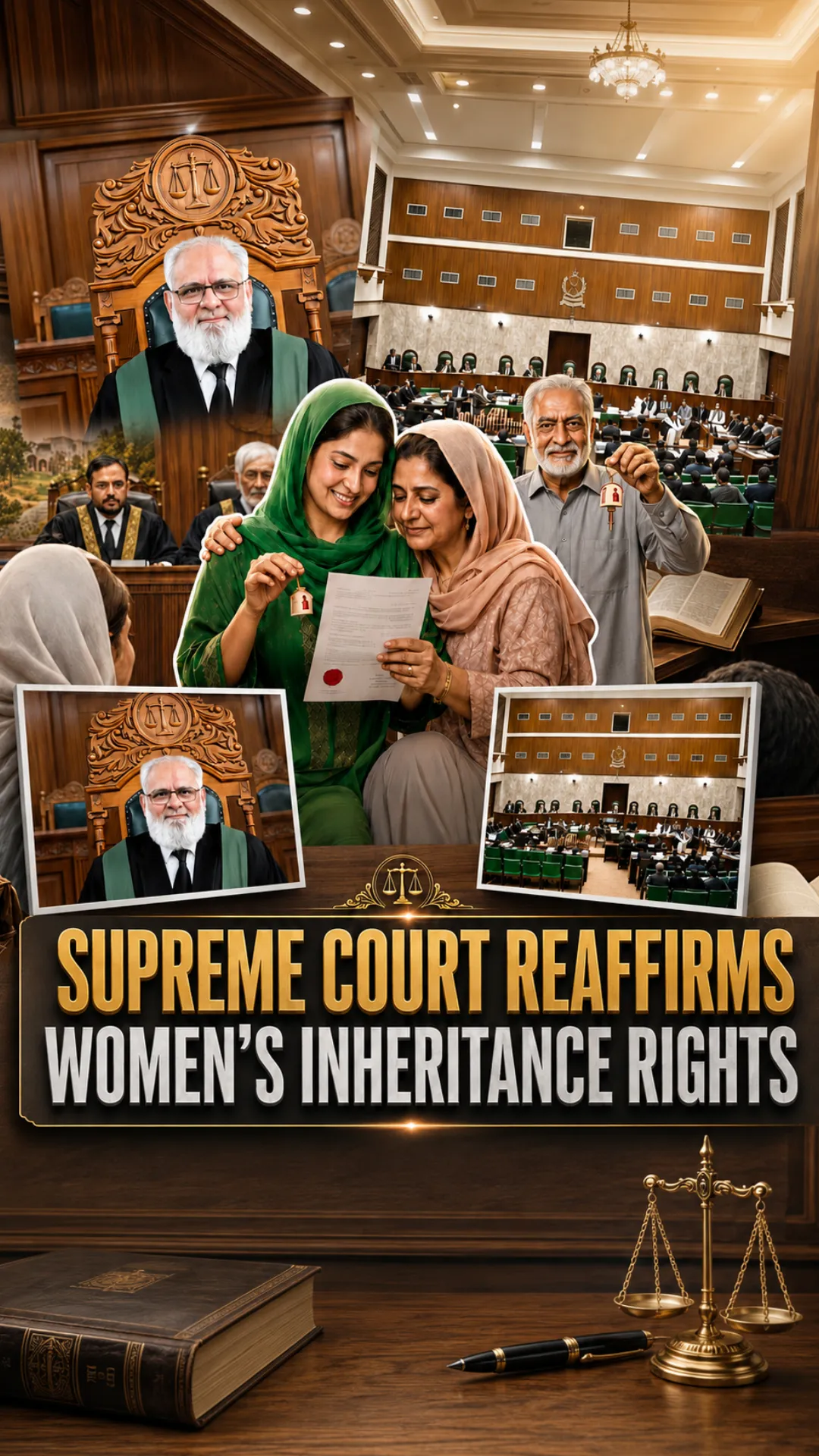
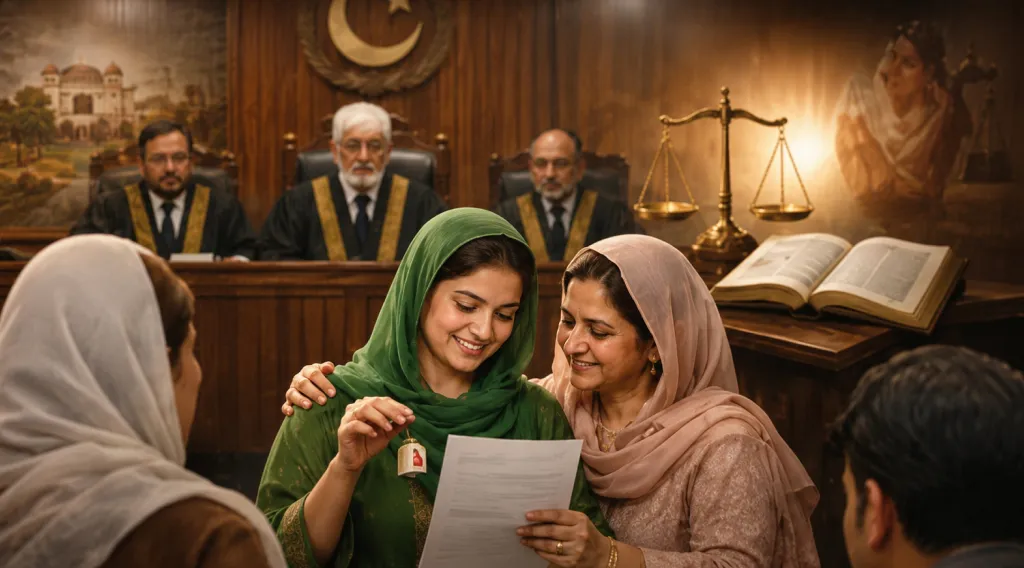
The Supreme Court of Pakistan has delivered a landmark judgment reaffirming that women are fully entitled to their lawful inheritance under both Islamic teachings and the Constitution.
The ruling strengthens legal protections and reinforces the principle of equal justice for all rightful heirs.
The decision was issued in a property dispute concerning the estate of Mithi Khan, where the Supreme Court upheld the Balochistan High Court's verdict in favor of the legitimate heirs.


In the judgment authored by Justice Irfan Saadat Khan, the Supreme Court emphasized that inheritance rights granted under the Holy Quran and Sunnah are protected and must be fully respected. The court reaffirmed that these rights cannot be overridden by customary practices.
The ruling highlights the importance of distributing inherited property according to Islamic inheritance law, ensuring that every eligible heir receives their rightful share with justice and fairness.
By reinforcing these principles, the judgment strengthens public awareness of the rights guaranteed under both Islam and Pakistan's legal system.
The Supreme Court also clarified that only lawful and transparent property transfers can establish valid ownership. The judgment reinforces the importance of honesty and due process in matters of inheritance and property rights.
The court explained that ownership claims must be supported by legitimate legal evidence, ensuring that the rights of rightful heirs remain fully protected. This approach promotes greater confidence in the justice system.
The decision contributes to a stronger legal framework that encourages fairness, accountability, and respect for the rule of law in inheritance matters.

The Supreme Court's ruling represents an important milestone in promoting justice, equality, and the protection of women's legal rights.
By affirming inheritance rights under Islamic law, the judgment strengthens confidence in Pakistan's legal and judicial institutions.
The decision serves as a reminder that fairness, transparency, and respect for the law are essential for building a more just society. It also encourages greater awareness of the rights guaranteed to every citizen.
The Supreme Court of Pakistan has delivered a landmark judgment reaffirming that women are fully entitled to their lawful inheritance under both Islamic teachings and the Constitution.
The Supreme Court of Pakistan has delivered a landmark judgment reaffirming that women are fully entitled to their lawful inheritance under both Islamic teachings and the Constitution.
The ruling strengthens legal protections and reinforces the principle of equal justice for all rightful heirs.
The decision was issued in a property dispute concerning the estate of Mithi Khan, where the Supreme Court upheld the Balochistan High Court's verdict in favor of the legitimate heirs.
In the judgment authored by Justice Irfan Saadat Khan, the Supreme Court emphasized that inheritance rights granted under the Holy Quran and Sunnah are protected and must be fully respected. The court reaffirmed that these rights cannot be overridden by customary practices.
The ruling highlights the importance of distributing inherited property according to Islamic inheritance law, ensuring that every eligible heir receives their rightful share with justice and fairness.
By reinforcing these principles, the judgment strengthens public awareness of the rights guaranteed under both Islam and Pakistan's legal system.
The Supreme Court also clarified that only lawful and transparent property transfers can establish valid ownership. The judgment reinforces the importance of honesty and due process in matters of inheritance and property rights.
The court explained that ownership claims must be supported by legitimate legal evidence, ensuring that the rights of rightful heirs remain fully protected. This approach promotes greater confidence in the justice system.
The decision contributes to a stronger legal framework that encourages fairness, accountability, and respect for the rule of law in inheritance matters.
The Supreme Court's ruling represents an important milestone in promoting justice, equality, and the protection of women's legal rights.
By affirming inheritance rights under Islamic law, the judgment strengthens confidence in Pakistan's legal and judicial institutions.
The decision serves as a reminder that fairness, transparency, and respect for the law are essential for building a more just society. It also encourages greater awareness of the rights guaranteed to every citizen.



