Punjab Allocates Rs40 Billion to Expand Electric Bus Charging Network Across the Province
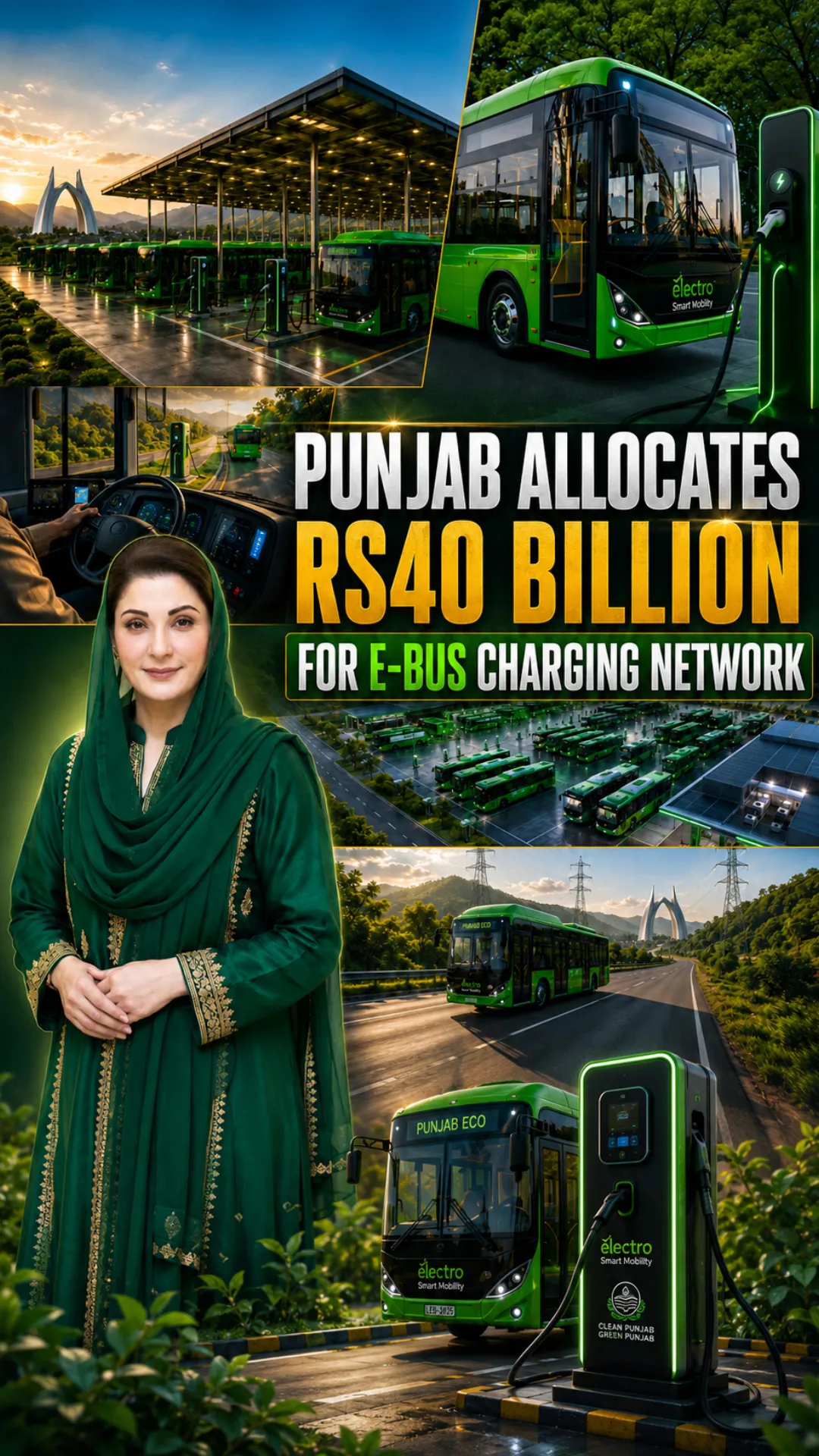
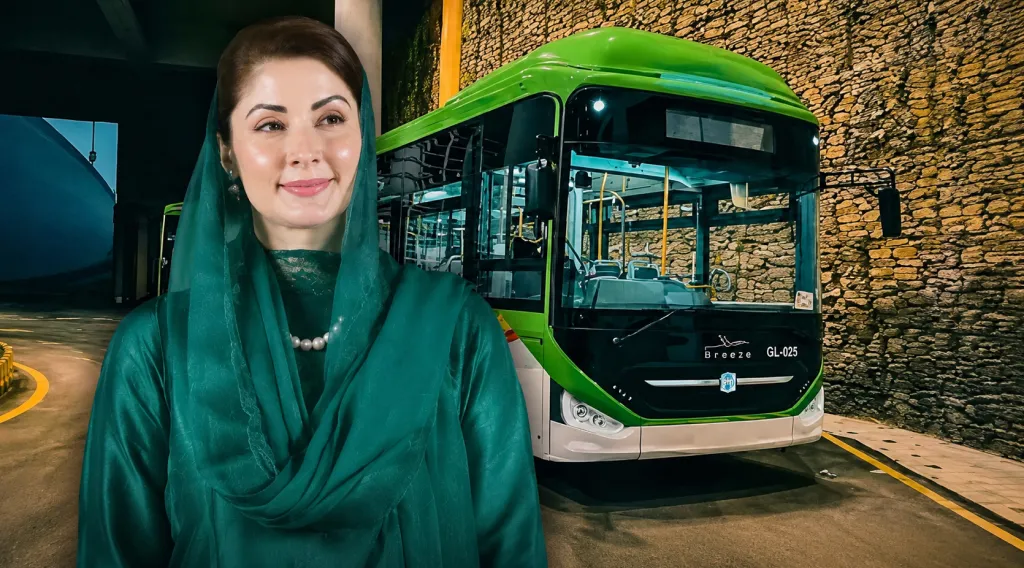
The Punjab government has earmarked Rs40 billion in its 2026–27 budget to establish a comprehensive charging network for electric buses throughout the province.
This significant investment reflects the government's commitment to building a modern, environmentally friendly public transportation system.
The new charging infrastructure will support the continued expansion of electric bus services while promoting cleaner and more sustainable urban mobility.
By investing in advanced transport facilities, the province aims to reduce dependence on conventional fuel-powered vehicles.

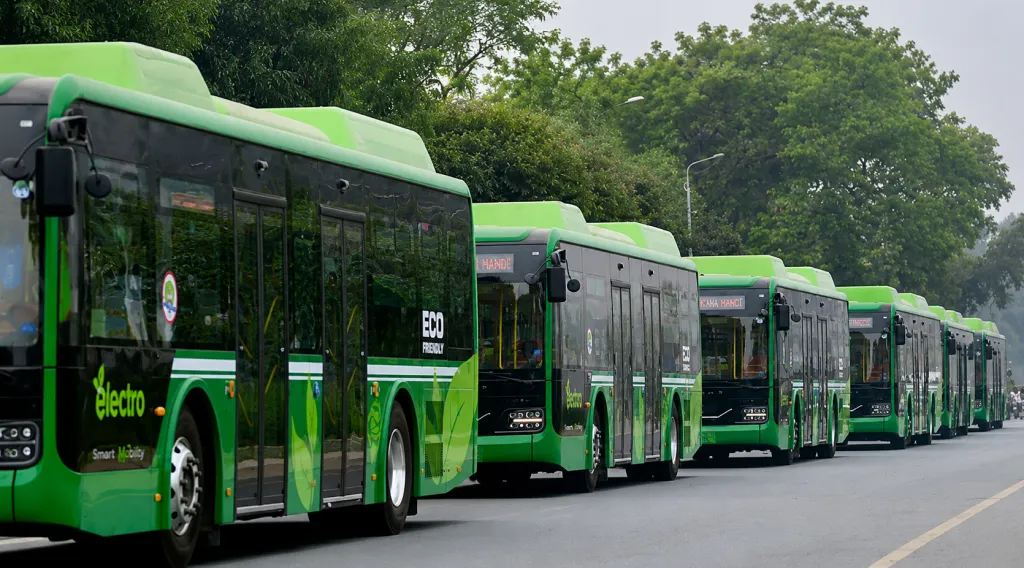
The charging network will be developed in multiple phases to meet the increasing demand created by the expanding fleet of electric buses.
Existing charging facilities currently accommodate only a limited number of vehicles, making additional infrastructure essential for future operations.
A larger charging network will ensure buses can operate efficiently across multiple routes without interruptions. Reliable charging facilities will also support the long-term sustainability of the province's electric public transport system.
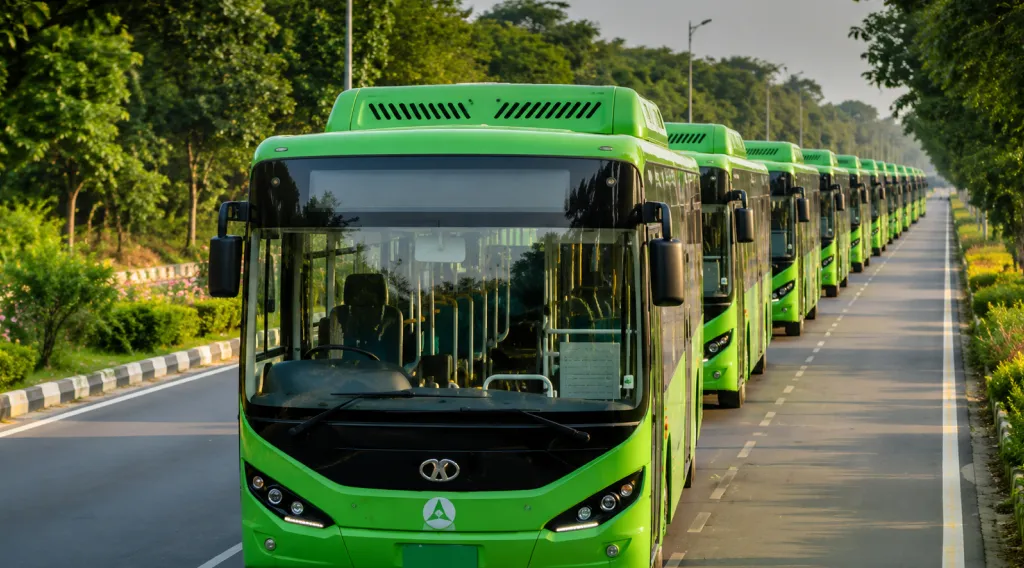
Punjab has already introduced hundreds of electric buses on various routes and plans to further expand the fleet in the coming months.
Additional buses are expected to join the transport system by the end of August 2026, extending services to more cities and districts.
The expansion aims to provide safer, cleaner, and more accessible transportation options for residents across the province. Improved connectivity will help make public transport more convenient for daily commuters while supporting regional development.
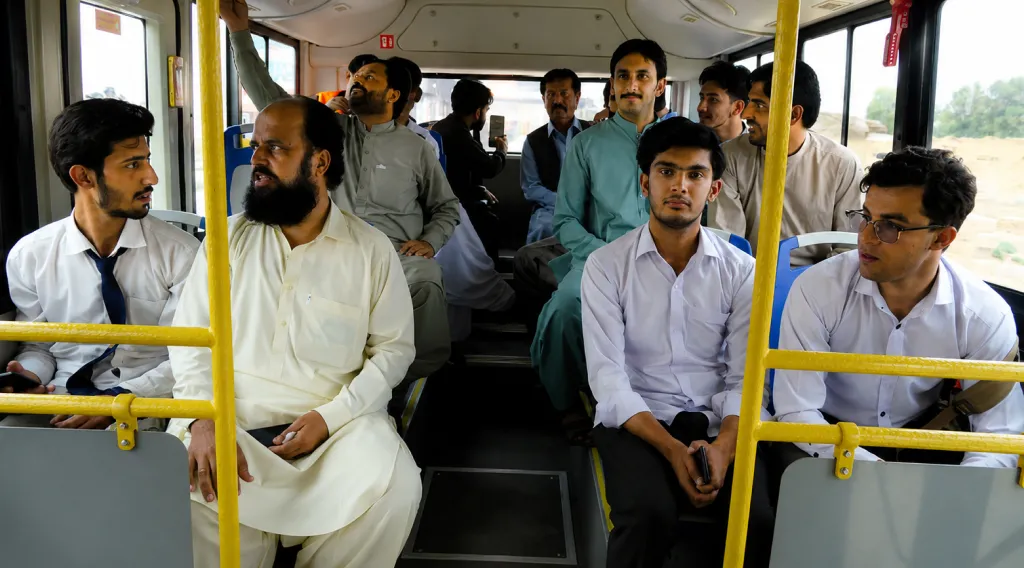
Electric buses offer significant environmental and economic advantages over traditional diesel-powered vehicles. With zero tailpipe emissions, they contribute to improved air quality while helping reduce pollution in urban centers.
In addition to environmental benefits, electric buses require lower fuel and maintenance costs over time, making them a cost-effective solution for public transportation.
Their quieter operation also enhances passenger comfort and reduces noise pollution in busy areas.
The Punjab government has earmarked Rs40 billion in its 2026–27 budget to establish a comprehensive charging network for electric buses throughout the province.
The Punjab government has earmarked Rs40 billion in its 2026–27 budget to establish a comprehensive charging network for electric buses throughout the province.
This significant investment reflects the government's commitment to building a modern, environmentally friendly public transportation system.
The new charging infrastructure will support the continued expansion of electric bus services while promoting cleaner and more sustainable urban mobility.
By investing in advanced transport facilities, the province aims to reduce dependence on conventional fuel-powered vehicles.
The charging network will be developed in multiple phases to meet the increasing demand created by the expanding fleet of electric buses.
Existing charging facilities currently accommodate only a limited number of vehicles, making additional infrastructure essential for future operations.
A larger charging network will ensure buses can operate efficiently across multiple routes without interruptions. Reliable charging facilities will also support the long-term sustainability of the province's electric public transport system.
Punjab has already introduced hundreds of electric buses on various routes and plans to further expand the fleet in the coming months.
Additional buses are expected to join the transport system by the end of August 2026, extending services to more cities and districts.
The expansion aims to provide safer, cleaner, and more accessible transportation options for residents across the province. Improved connectivity will help make public transport more convenient for daily commuters while supporting regional development.
Electric buses offer significant environmental and economic advantages over traditional diesel-powered vehicles. With zero tailpipe emissions, they contribute to improved air quality while helping reduce pollution in urban centers.
In addition to environmental benefits, electric buses require lower fuel and maintenance costs over time, making them a cost-effective solution for public transportation.
Their quieter operation also enhances passenger comfort and reduces noise pollution in busy areas.



