Discipline, Leadership & Service: The Pakistan Army Ethos
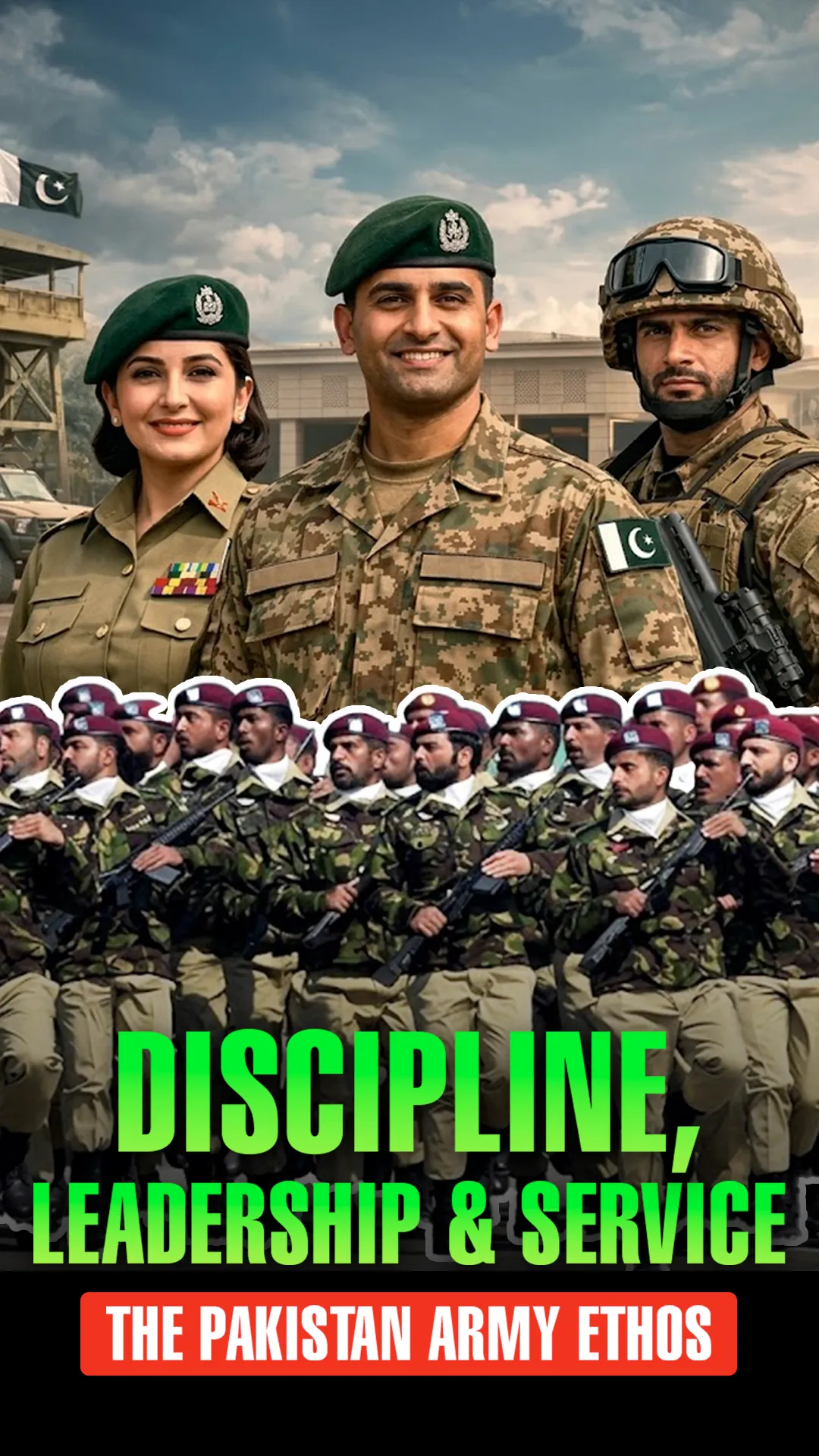
The Pakistan Army has evolved into one of South Asia's most structured military institutions, shaped by decades of operational experience, strategic adaptation, and professional development.
Since its establishment in 1947, it has continuously modernized its doctrine, training systems, and organizational structure to address conventional and emerging security challenges.
Beyond military capability, the institution is distinguished by an ethos centered on discipline, integrity, leadership, and national service.

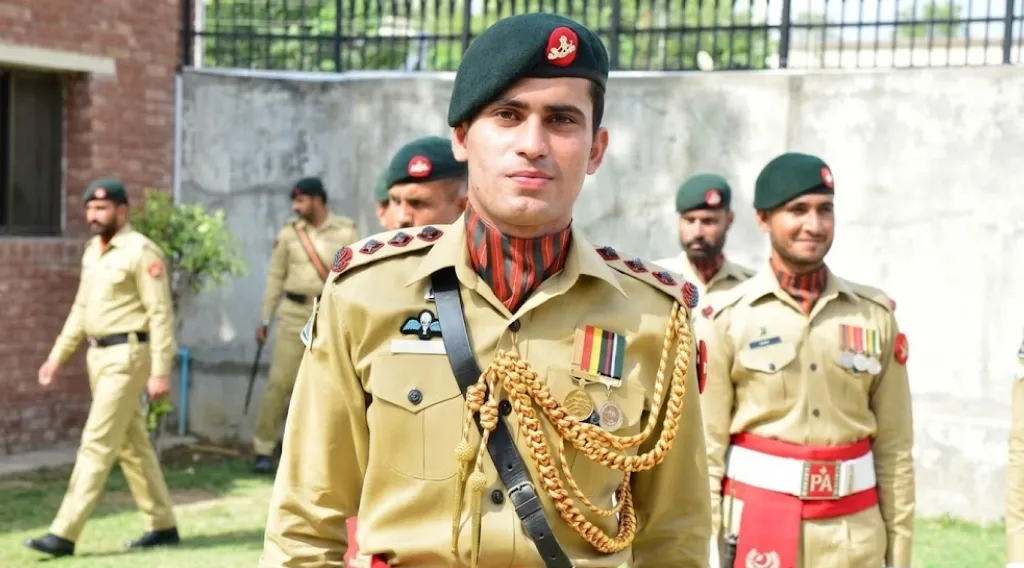
Leadership within the Pakistan Army is developed through a carefully structured system of education, training, and operational experience.
Institutions such as the Pakistan Military Academy (PMA) Kakul, Command and Staff College Quetta, and National Defence University prepare officers for responsibilities ranging from tactical command to strategic decision-making.
Leadership is viewed not simply as authority but as the ability to inspire confidence, make sound decisions under pressure, and uphold institutional values.
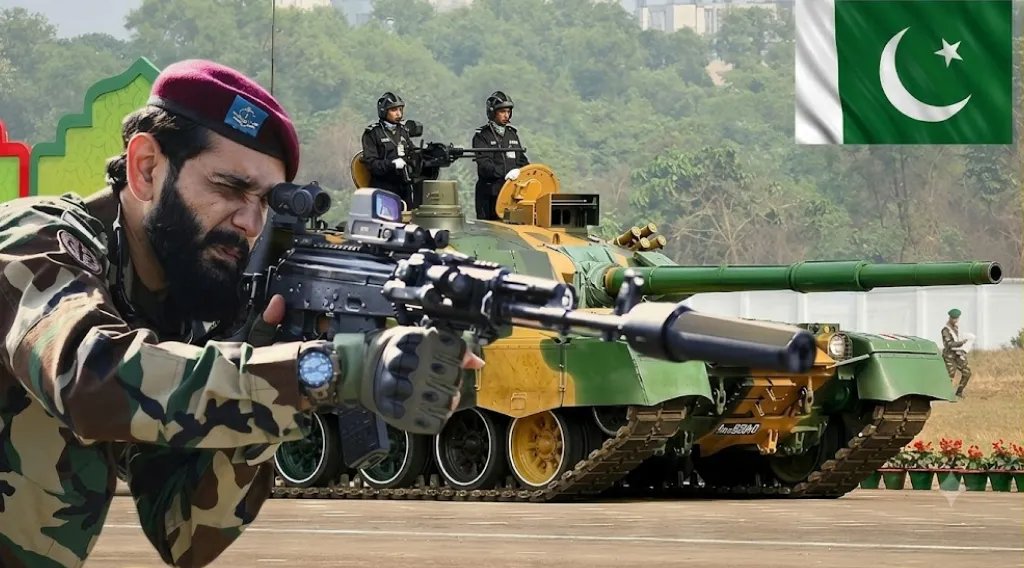
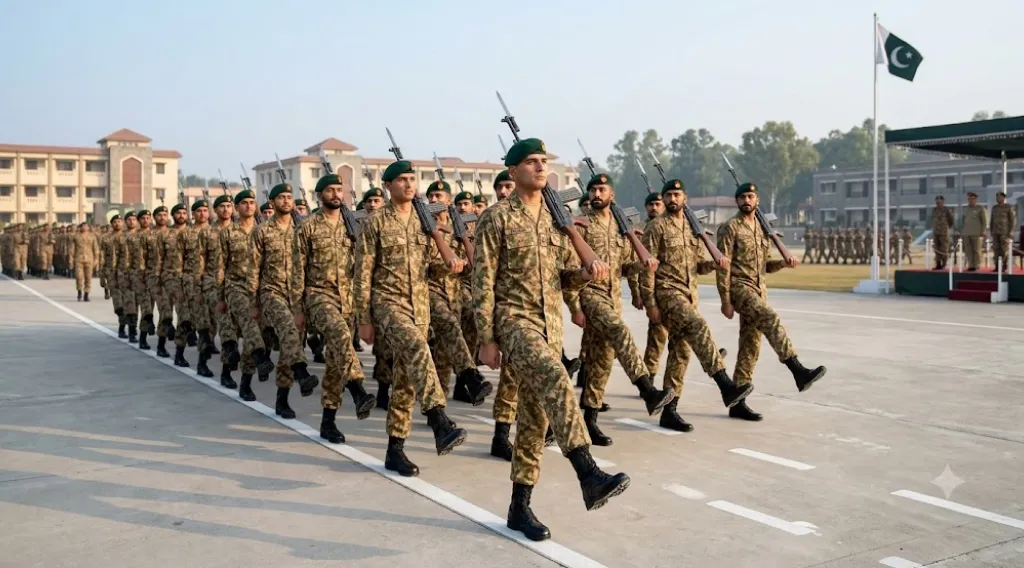
Discipline remains the defining characteristic of the Pakistan Army's organizational culture. From the earliest stages of military training, personnel are taught accountability, resilience, teamwork, and unwavering commitment to duty.
This disciplined approach ensures operational effectiveness across peacekeeping missions, border security, disaster response, and conventional military operations.
Physical endurance is complemented by intellectual development, ethical conduct, and psychological preparedness, creating soldiers capable of performing under demanding conditions.
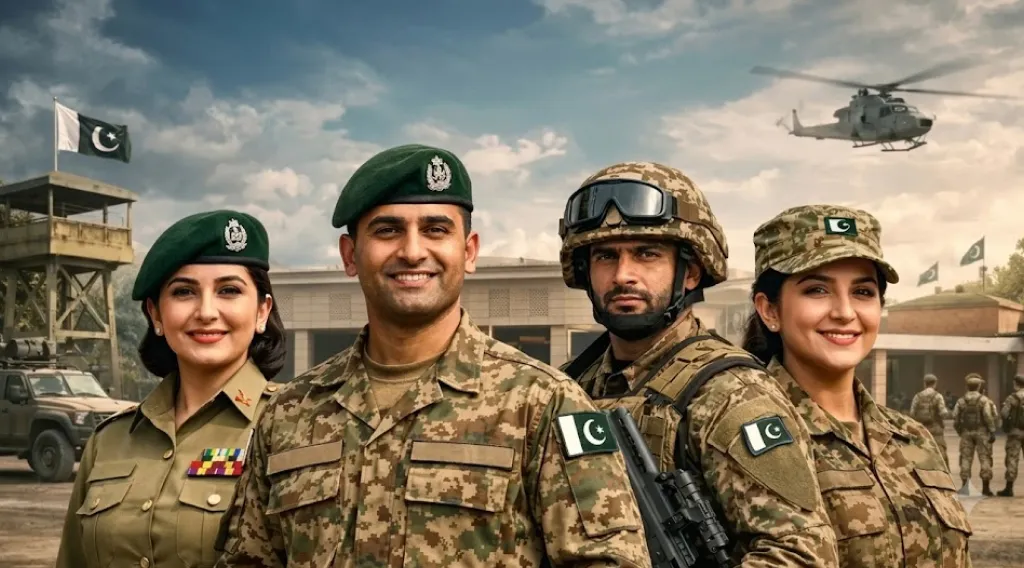
While national defence remains its primary responsibility, the Pakistan Army has also played a significant role in humanitarian assistance and disaster management.
During major earthquakes, floods, landslides, and other national emergencies, Army personnel have participated in rescue operations, evacuation efforts, medical assistance, infrastructure restoration, and relief distribution across affected regions.
These responsibilities reflect an institutional commitment to public service that extends beyond traditional military operations.
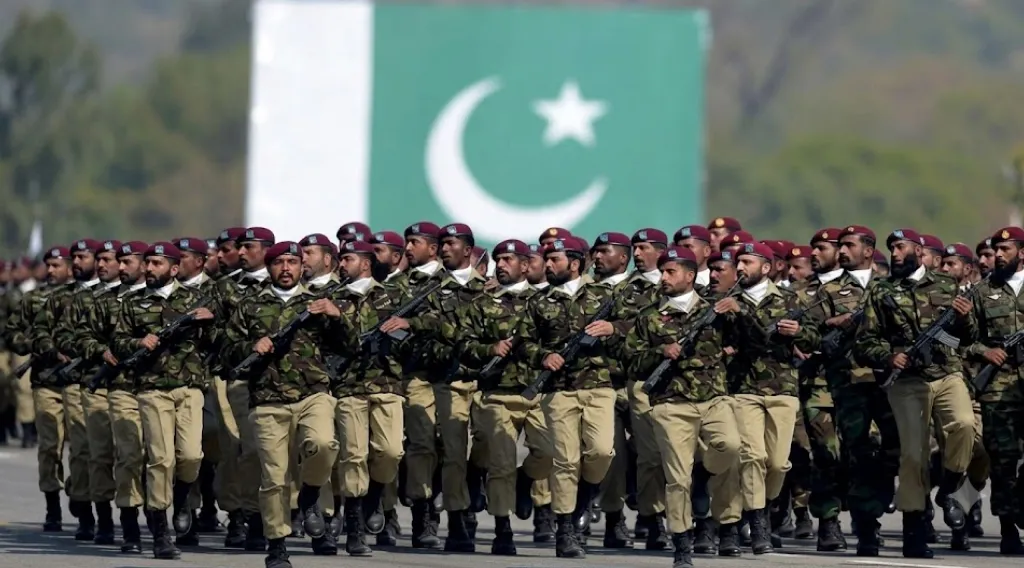
The Pakistan Army's institutional identity has been shaped by a long-standing commitment to professionalism, continuous modernization, and national responsibility.
Its emphasis on disciplined leadership, rigorous training, and operational excellence has enabled the organization to adapt to changing security environments while maintaining its core values.
Alongside its defence responsibilities, contributions to humanitarian relief, international peacekeeping, and capacity-building initiatives have reinforced its broader role in serving the nation.
The Pakistan Army has evolved into one of South Asia’s most structured military institutions, shaped by decades of operational experience, strategic adaptation, and professional development.
The Pakistan Army has evolved into one of South Asia's most structured military institutions, shaped by decades of operational experience, strategic adaptation, and professional development.
Since its establishment in 1947, it has continuously modernized its doctrine, training systems, and organizational structure to address conventional and emerging security challenges.
Beyond military capability, the institution is distinguished by an ethos centered on discipline, integrity, leadership, and national service.
Leadership within the Pakistan Army is developed through a carefully structured system of education, training, and operational experience.
Institutions such as the Pakistan Military Academy (PMA) Kakul, Command and Staff College Quetta, and National Defence University prepare officers for responsibilities ranging from tactical command to strategic decision-making.
Leadership is viewed not simply as authority but as the ability to inspire confidence, make sound decisions under pressure, and uphold institutional values.
Discipline remains the defining characteristic of the Pakistan Army's organizational culture. From the earliest stages of military training, personnel are taught accountability, resilience, teamwork, and unwavering commitment to duty.
This disciplined approach ensures operational effectiveness across peacekeeping missions, border security, disaster response, and conventional military operations.
Physical endurance is complemented by intellectual development, ethical conduct, and psychological preparedness, creating soldiers capable of performing under demanding conditions.
While national defence remains its primary responsibility, the Pakistan Army has also played a significant role in humanitarian assistance and disaster management.
During major earthquakes, floods, landslides, and other national emergencies, Army personnel have participated in rescue operations, evacuation efforts, medical assistance, infrastructure restoration, and relief distribution across affected regions.
These responsibilities reflect an institutional commitment to public service that extends beyond traditional military operations.
The Pakistan Army's institutional identity has been shaped by a long-standing commitment to professionalism, continuous modernization, and national responsibility.
Its emphasis on disciplined leadership, rigorous training, and operational excellence has enabled the organization to adapt to changing security environments while maintaining its core values.
Alongside its defence responsibilities, contributions to humanitarian relief, international peacekeeping, and capacity-building initiatives have reinforced its broader role in serving the nation.



