Pakistan Cricket Moves Toward Separate Teams for Each Format Under New PCB Strategy
The Pakistan Cricket Board (PCB) is preparing for a major structural change that will eventually lead to separate national teams for Test, ODI, and T20I cricket. The move is part of a broader strategy aimed at modernizing player development and improving performance across formats.
According to Director of High Performance Aqib Javed, the idea behind the shift is to recognize that modern cricket demands different skill sets for each format.
He emphasized that expecting players to perform equally across all three formats is no longer practical at the international level.

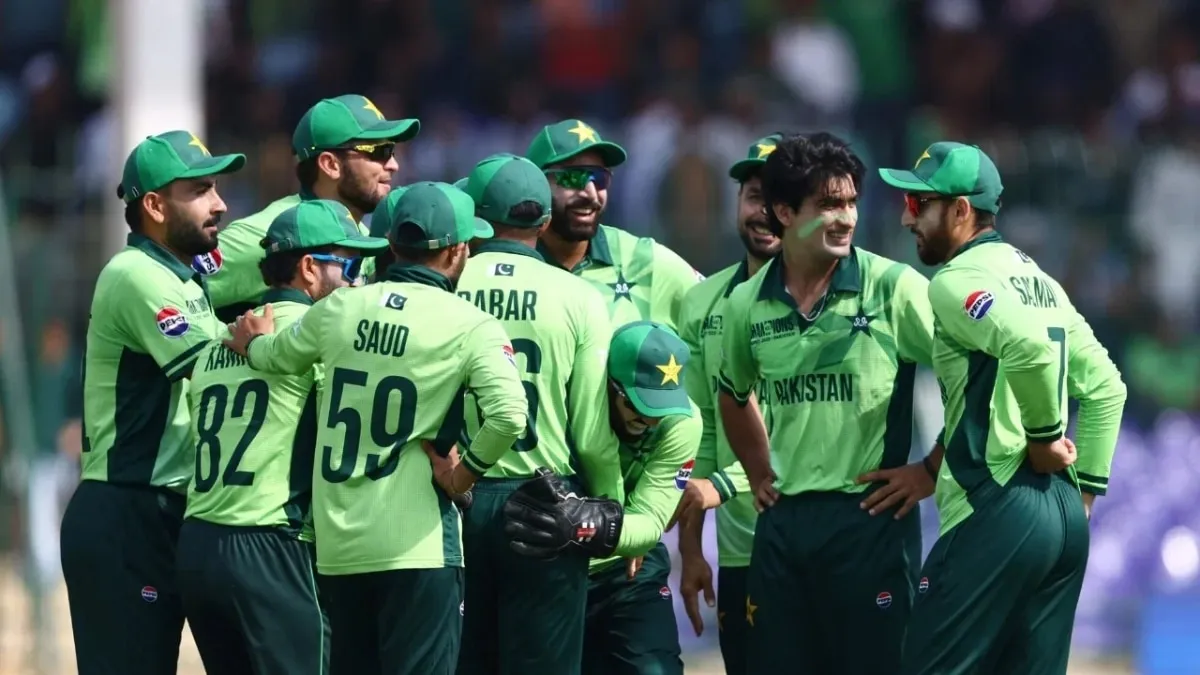
Under the proposed system, PCB plans to gradually separate Test and T20 squads, acknowledging the distinct demands of red-ball and white-ball cricket. Officials believe that each format requires unique preparation, fitness, and tactical focus.
Aqib Javed explained that the previous structure often placed Test specialists and T20 players under the same evaluation system, despite their vastly different responsibilities.
The new model aims to correct this imbalance. He added that players will now be assessed within their own categories, allowing better performance tracking.
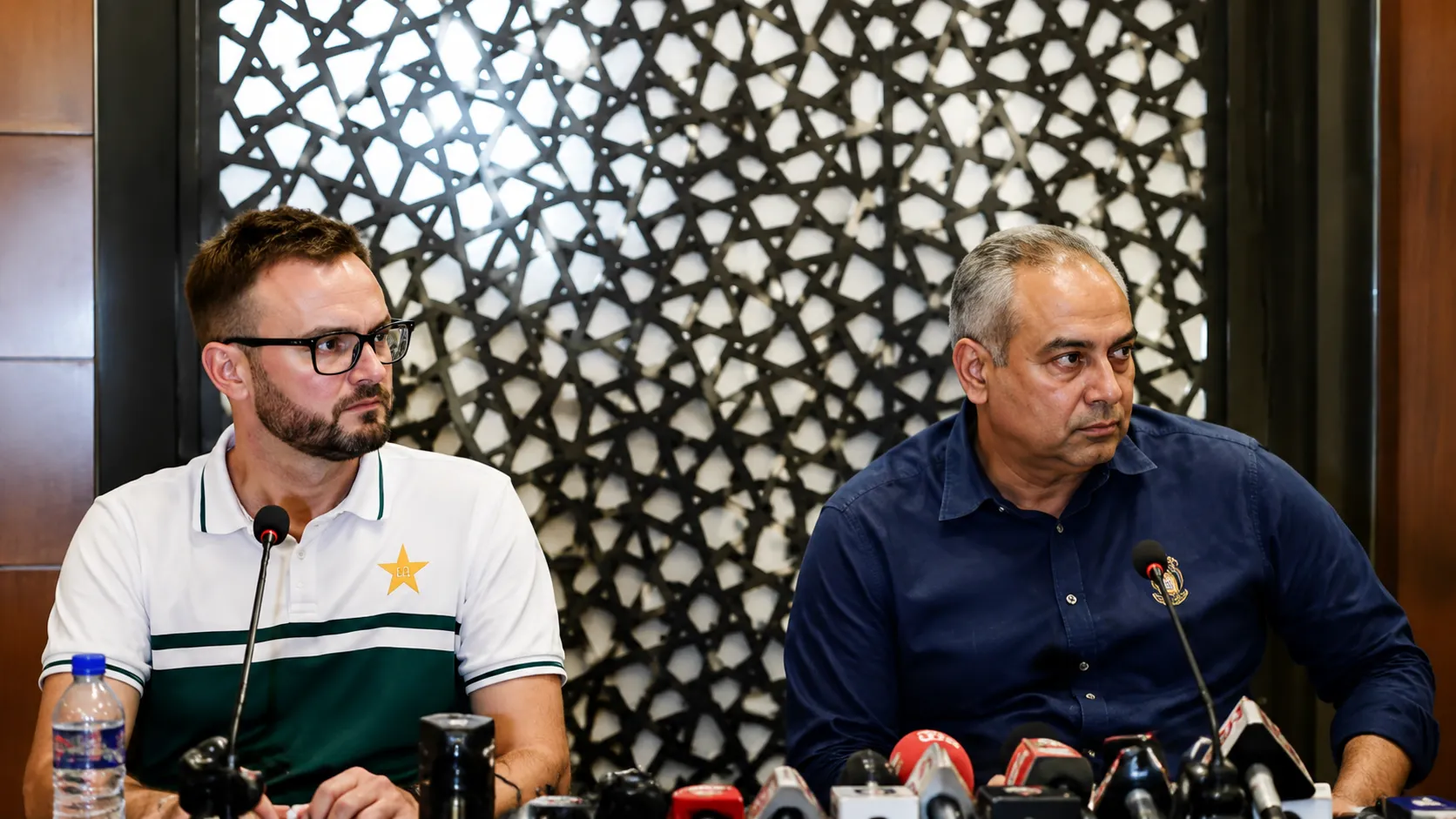
The revised central contract structure introduces clear financial and performance-based categories for players. According to reports, top Test category players could earn up to Rs. 4 million per month, while others may receive between Rs. 3 million and Rs. 3.5 million.
Players in the Test-ODI category may earn as much as Rs. 4.8 million per month, depending on performance and selection level.
The system is designed to reward specialization and consistency. In addition, domestic participation has been made mandatory. Test players must feature in at least six first-class matches
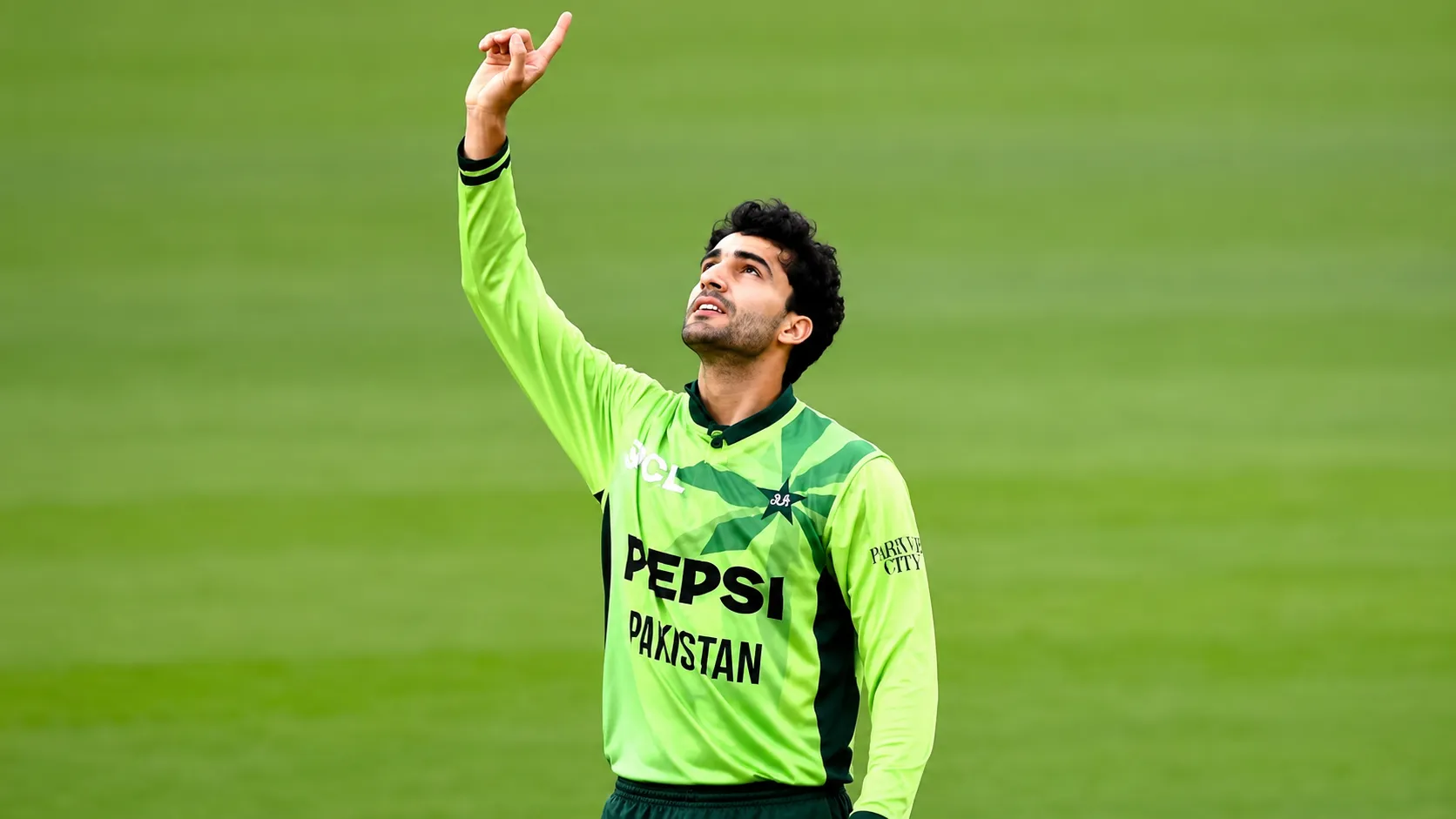
The new system also introduces revised No Objection Certificate (NOC) rules for franchise cricket participation. Depending on their category, players may receive permission to participate in a limited number of overseas leagues.
Officials also confirmed plans for a new D Category of emerging players, consisting of 16 to 20 young talents who will be developed based on their suitability for specific formats from an early stage.
This category aims to strengthen the future pipeline of Pakistan cricket by ensuring early specialization and structured training pathways.
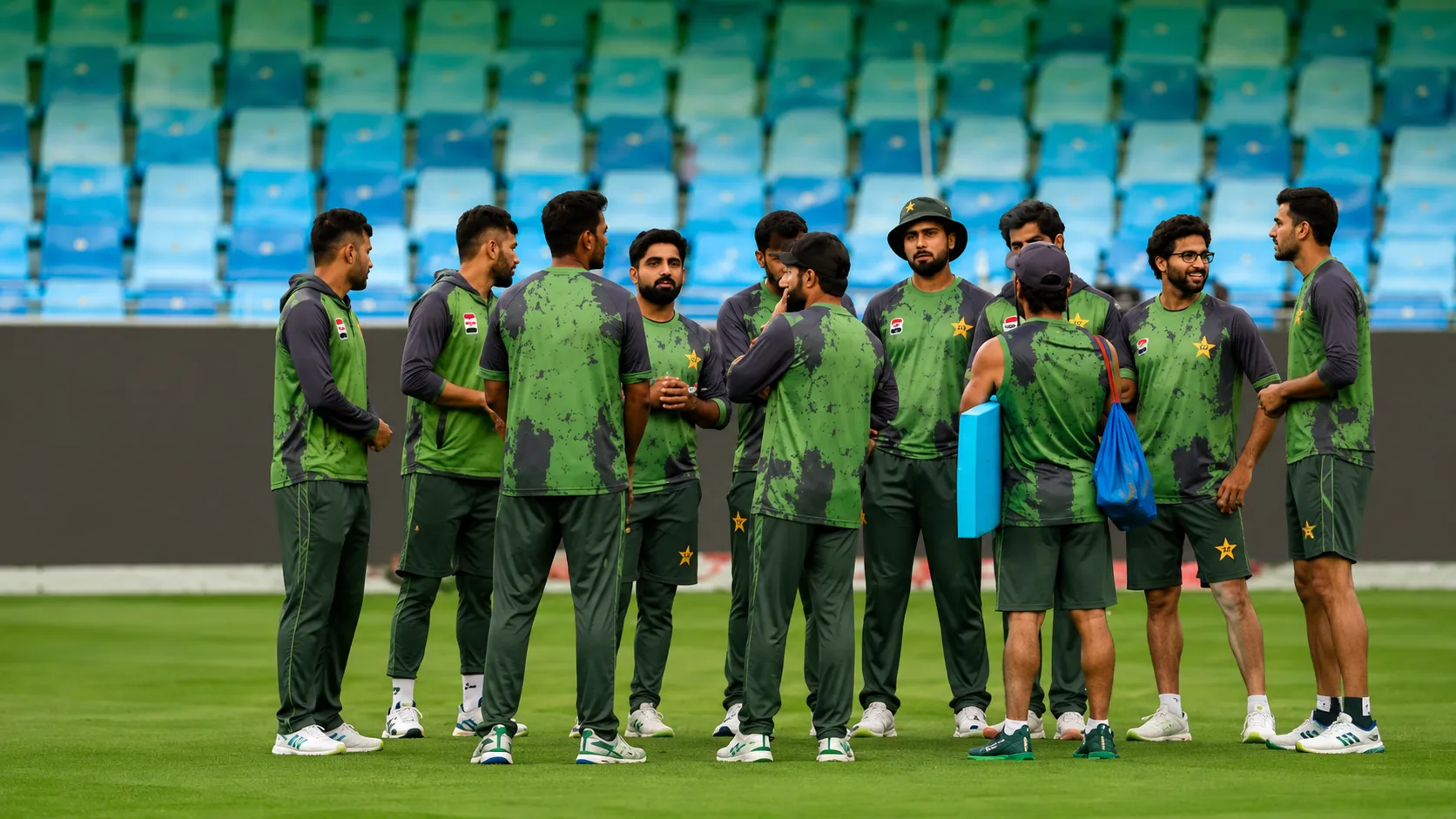
PCB officials believe the new structure will improve discipline, increase domestic participation, and ensure players are better prepared for international demands. The system is also expected to reduce workload pressure on multi-format players.
Aqib Javed noted that while specialization is the main focus, players will still remain eligible for national selection across formats if they meet performance standards.
The overall goal of the reform is to build stronger, more balanced teams in each format and enhance Pakistan’s competitiveness in modern international cricket.
The Pakistan Cricket Board (PCB) is preparing for a major structural change that will eventually lead to separate national teams for Test, ODI, and T20I cricket.
The Pakistan Cricket Board (PCB) is preparing for a major structural change that will eventually lead to separate national teams for Test, ODI, and T20I cricket. The move is part of a broader strategy aimed at modernizing player development and improving performance across formats.
According to Director of High Performance Aqib Javed, the idea behind the shift is to recognize that modern cricket demands different skill sets for each format.
He emphasized that expecting players to perform equally across all three formats is no longer practical at the international level.
Under the proposed system, PCB plans to gradually separate Test and T20 squads, acknowledging the distinct demands of red-ball and white-ball cricket. Officials believe that each format requires unique preparation, fitness, and tactical focus.
Aqib Javed explained that the previous structure often placed Test specialists and T20 players under the same evaluation system, despite their vastly different responsibilities.
The new model aims to correct this imbalance. He added that players will now be assessed within their own categories, allowing better performance tracking.
The revised central contract structure introduces clear financial and performance-based categories for players. According to reports, top Test category players could earn up to Rs. 4 million per month, while others may receive between Rs. 3 million and Rs. 3.5 million.
Players in the Test-ODI category may earn as much as Rs. 4.8 million per month, depending on performance and selection level.
The system is designed to reward specialization and consistency. In addition, domestic participation has been made mandatory. Test players must feature in at least six first-class matches
The new system also introduces revised No Objection Certificate (NOC) rules for franchise cricket participation. Depending on their category, players may receive permission to participate in a limited number of overseas leagues.
Officials also confirmed plans for a new D Category of emerging players, consisting of 16 to 20 young talents who will be developed based on their suitability for specific formats from an early stage.
This category aims to strengthen the future pipeline of Pakistan cricket by ensuring early specialization and structured training pathways.
PCB officials believe the new structure will improve discipline, increase domestic participation, and ensure players are better prepared for international demands. The system is also expected to reduce workload pressure on multi-format players.
Aqib Javed noted that while specialization is the main focus, players will still remain eligible for national selection across formats if they meet performance standards.
The overall goal of the reform is to build stronger, more balanced teams in each format and enhance Pakistan’s competitiveness in modern international cricket.



